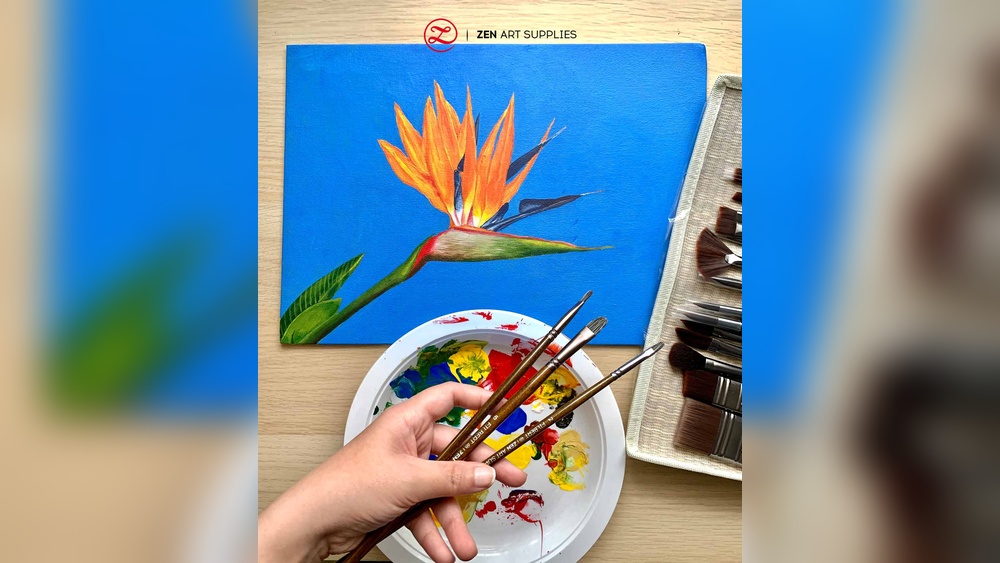
Are you wondering what acrylic paint surfaces you can bring to life with acrylic paint? Whether you’re a beginner or looking to try new projects, knowing what acrylic paint can stick to opens up a world of creative possibilities for you.
From classic canvas to unexpected materials like wood, glass, and fabric, acrylics adapt easily and deliver vibrant, lasting color. You’ll discover the many surfaces perfect for acrylic painting and some tips to get the best results. Ready to unlock your creativity?
Let’s dive into what acrylic paint can be used on and how you can make your next masterpiece stand out.

Credit: www.youtube.com
Popular Surfaces for Acrylic Paint
Acrylic paint is famous for its ability to stick to many surfaces. Artists and crafters enjoy using it on different materials. This versatility makes acrylics a favorite choice for many projects. Here are some popular surfaces that work well with acrylic paint.
Canvas And Paper
Canvas is the top choice for acrylic painting. It holds paint well and lasts a long time. Artists often buy pre-stretched canvas or canvas boards. Paper is another common surface. Thick, heavy paper works best to avoid warping. Mixed media paper suits acrylics perfectly. Both surfaces allow rich colors and fine details.
Wood Varieties
Acrylic paint sticks to many types of wood. Smooth wood like plywood, MDF, or hardwood is ideal. Wood offers a solid base and natural texture. It is great for signs, furniture, and art panels. Sealing the wood before painting helps paint last longer. Wood crafts become vibrant and durable with acrylics.
Fabric Types
Acrylic paint can be used on fabrics too. Cotton and linen absorb paint nicely. Use fabric medium mixed with acrylics for better flexibility. This stops the paint from cracking when the fabric moves. Painted fabric can be used for clothing, bags, and home decor. Acrylics bring bold color to textile projects.
Craft Materials
Acrylic paint works on many craft materials. Plastic, glass, and metal can be painted with proper prep. Clean the surface well before applying paint. Acrylics dry fast and hold onto these surfaces tightly. It is common to use acrylics on pottery, glass jars, and plastic toys. This paint adds color and life to many craft ideas.
:max_bytes(150000):strip_icc()/Acrylic_thin-575c54925f9b58f22ef3c2f7.jpg)
Credit: www.thesprucecrafts.com
Uncommon Surfaces for Acrylic Paint
Acrylic paint is famous for sticking to many surfaces. Most people think of canvas or paper first. But acrylic paint can also work well on uncommon surfaces. These surfaces can bring new life to your art projects. They offer texture, shine, and durability that canvas cannot. Here are some uncommon surfaces you can try with acrylic paint.
Glass And Metal
Glass and metal are smooth and non-porous surfaces. Acrylic paint can stick but needs a little help. Use a primer or sanding to roughen the surface. Paint on jars, bottles, or metal signs. Acrylic paint adds color and design to plain glass or metal objects. Seal the paint to prevent chipping and fading.
Plastic And Ceramics
Plastic and ceramics can be tricky but acrylic paint still works. Clean the surface well before painting. Use special primers for better adhesion on plastic. Painted plastic items like toys, containers, or decor get a fresh look. Ceramics such as pots or plates can be decorated for art or gifts. Finish with a clear sealant for durability.
Concrete And Masonry
Concrete and masonry surfaces are rough and porous, making them ideal for acrylic paint. These surfaces can be transformed with vibrant colors and designs. Use acrylics to paint murals, garden ornaments, or decorative tiles. Proper sealing ensures the paint withstands outdoor conditions.