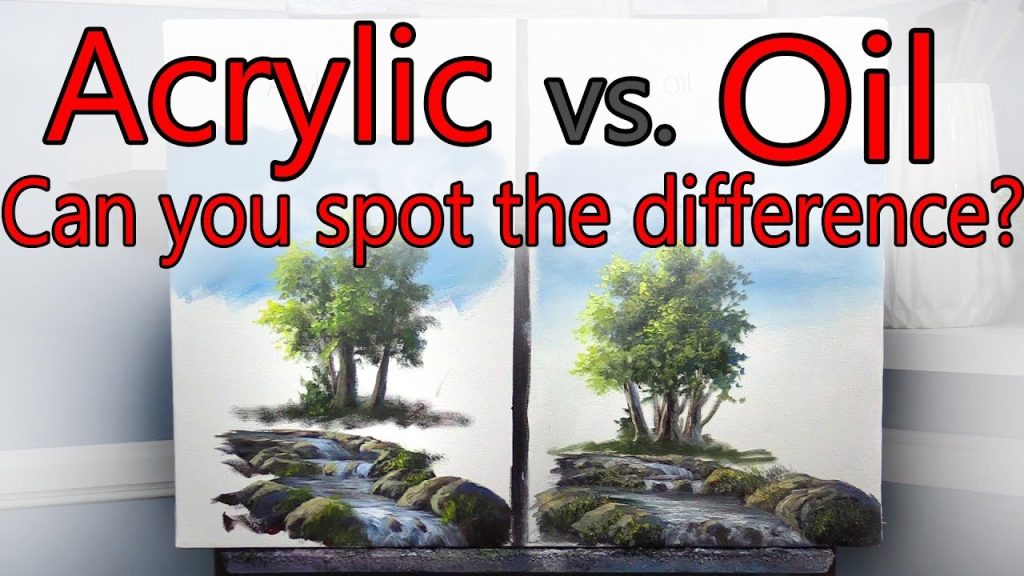
Oil paints dry slowly and blend richly; acrylics dry fast and layer clean.
If you care about color, texture, time, and long-term results, you need a clear grip on what's the difference between oil and acrylic paint. I have painted and taught with both for years. In this guide, I will show you how each medium behaves in real life, how pros choose between them, and how you can avoid costly mistakes. By the end, you will know exactly when and why to reach for oil or acrylic, and how to get the best from both.

Key differences at a glance
If you ask what's the difference between oil and acrylic paint, start with these basics. These points shape your workflow, finish, and care.
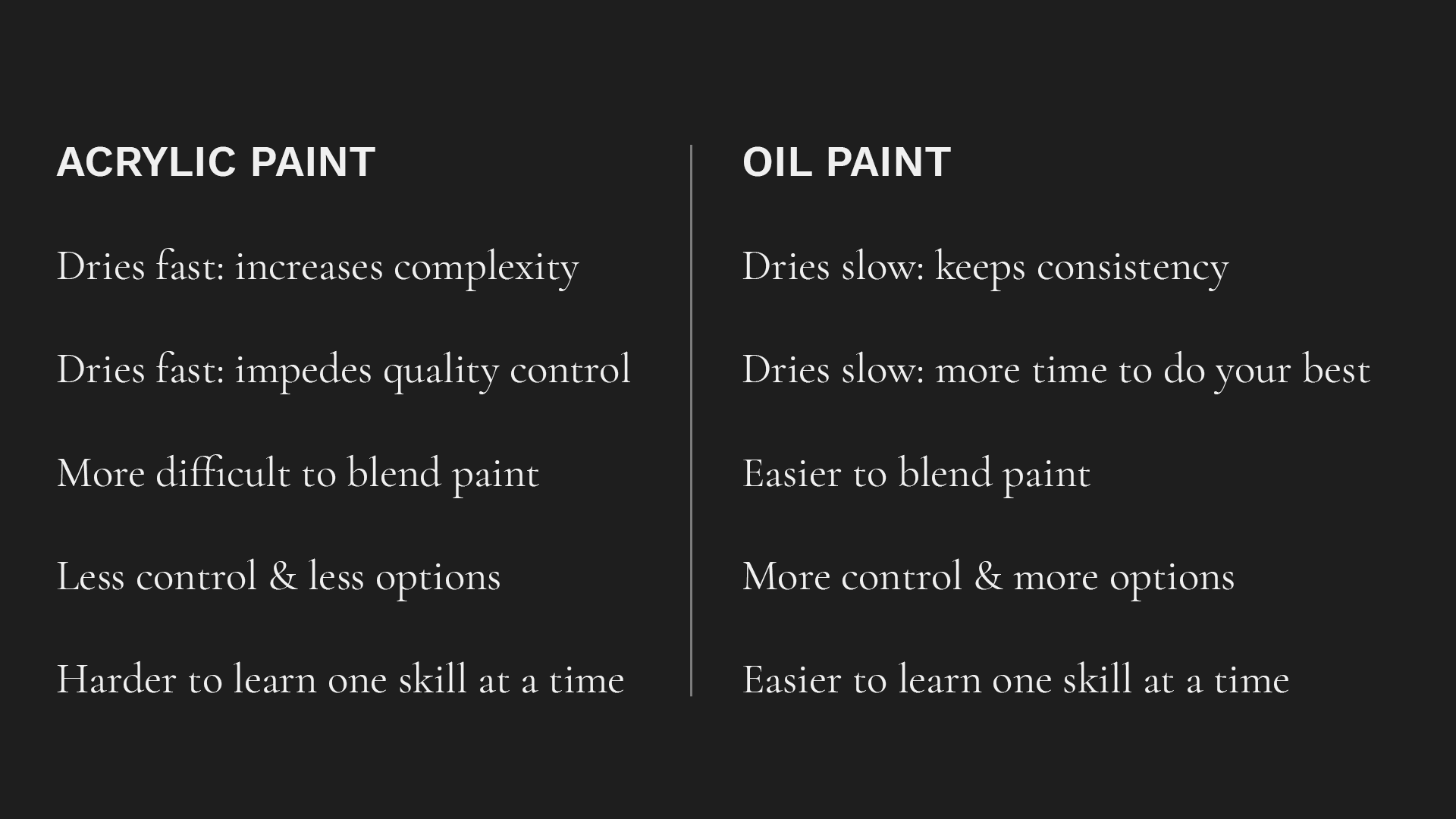
- Drying time: Oils stay wet for days. Acrylics dry in minutes to hours.
- Handling: Oils blend smooth and slow. Acrylics layer fast and keep edges sharp.
- Cleanup: Oils need solvent or special soap. Acrylics clean with water.
- Finish: Oils have a deep, glossy look. Acrylics can look flatter unless you add mediums.
- Aging: Oils can yellow and crack if used wrong. Acrylics stay flexible and resist cracking.
- Safety: Oils often need ventilation. Acrylics are low odor and simple to use at home.
What each paint is made of
People ask what's the difference between oil and acrylic paint at the core. It starts with the binder and the vehicle.
- Oil paint: Pigment mixed with drying oil, like linseed, walnut, or safflower. Thinners and mediums change flow and gloss. The oil cures by oxidation over time.
- Acrylic paint: Pigment in an acrylic polymer emulsion. Water thins it. It turns to a flexible plastic film as water leaves.
In my studio, I show new painters both on a test board. Oil feels buttery and rich. Acrylic feels springy and quick to grab the surface. That “feel” comes from the binder more than the pigment.

Drying time and workflow
A common search is what's the difference between oil and acrylic paint for speed. Drying time is the big one.
- Oil: Long open time. You can blend skies, skin, or soft edges all day. It sets slow and cures for months.
- Acrylic: Short open time. You can stack layers fast. Use a retarder or a stay-wet palette to extend play time.
When I paint a portrait in oil, I plan one area per day. With acrylics, I build many thin layers in one session. Both are great, but the workflow is not the same.

Color, finish, and texture
Another part of what's the difference between oil and acrylic paint is the look you get on the surface.
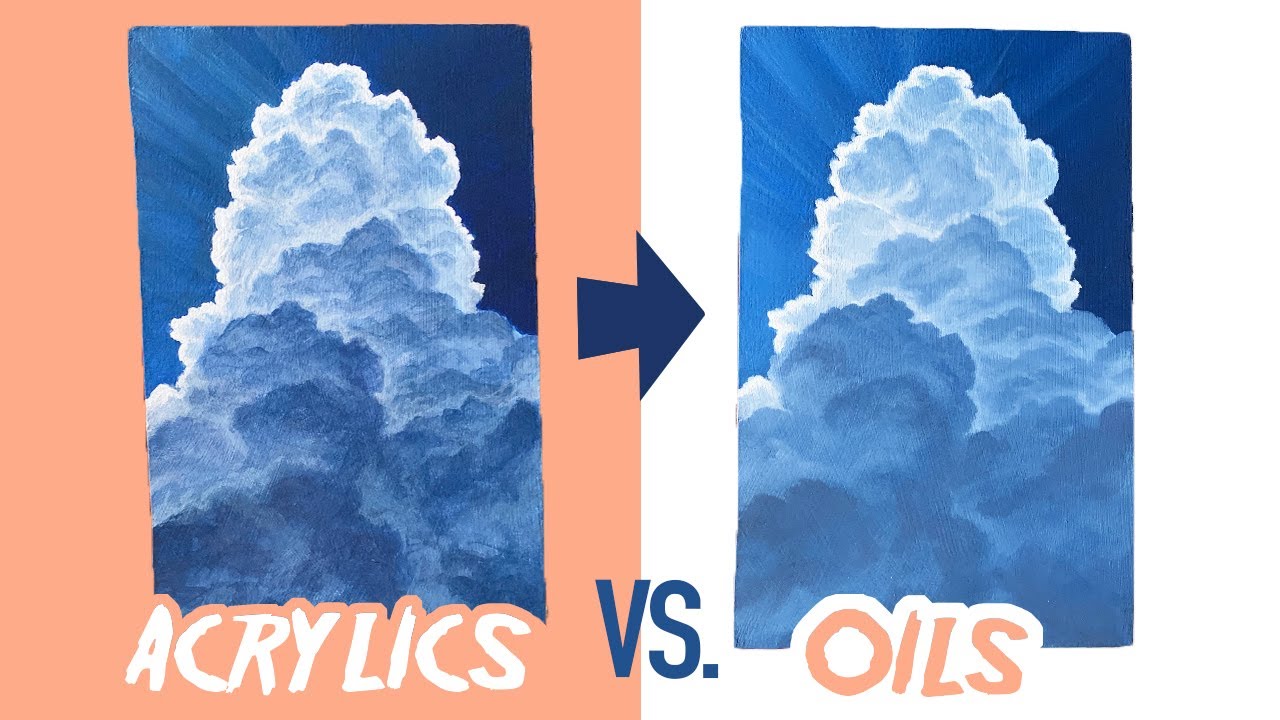
- Oil: Deep saturation and a glossy “gem” look, even in thin layers. Colors stay close to how they look wet.
- Acrylic: Colors can dry a bit darker and more matte due to the polymer. Add gloss medium or varnish to boost depth.
If a client wants a jewel-like finish, I reach for oil. If they want crisp graphic color with flat planes, acrylics shine.

Durability, aging, and conservation
If you care about the long run, what's the difference between oil and acrylic paint shows up over years.
- Oil: Can yellow with linseed-rich mixes, and can crack if lean-over-fat rules are ignored. Great longevity when built right and varnished well.
- Acrylic: Film stays flexible and resists cracking. Whites stay white longer. Some cheap acrylics can get tacky in heat if the film is weak.
Museum practice supports both when used well. I avoid raw linseed grounds for whites I want to stay bright. I also avoid cheap acrylics for work that hangs in sun.

Surfaces, prep, and priming
Your surface prep also answers what's the difference between oil and acrylic paint in daily use.
- Oil: Needs a sealed, primed ground. Use oil or acrylic gesso. Follow fat-over-lean to prevent cracks.
- Acrylic: Grabs most things once clean and dry. Canvas, wood, paper, and more. Acrylic gesso is often enough.
Key rule: You can paint oil over acrylic gesso or acrylic underpaint. Do not paint acrylic over oil. It will not bond well.
Techniques and styles that shine
When students ask what's the difference between oil and acrylic paint for technique, I match the medium to the effect.
- Oil excels at: Alla prima, soft blends, subtle glazing, and rich impasto with texture.
- Acrylic excels at: Fast layering, crisp edges, pours, masking, collage, and mixed media.
I love oil for soft skin and fog. I love acrylic for hard shapes, murals, and fast studio deadlines.

Health, safety, and cleanup
Health rules show what's the difference between oil and acrylic paint in a home studio.
- Oil: Use odorless mineral spirits, citrus solvent, or brush soap. Ventilate. Some pigments carry risks. Handle rags with care to avoid heat build-up.
- Acrylic: Water cleanup. Low odor. Avoid letting paint down the sink. Let sludge dry, then dispose per local rules.
I keep a metal can for oily rags and a small HEPA filter near my oil table. For acrylics, I use a rinse bucket and a paint trap.
Cost, gear, and accessibility
Budget also shapes what's the difference between oil and acrylic paint for beginners.
- Startup: Acrylic sets, a few synthetic brushes, and plastic palette are cheap. Oil needs extra: solvents or soap, mediums, and a sealed palette.
- Ongoing: Oils last long on the palette but cost more per tube. Acrylics can waste fast if you do not use a stay-wet setup.
Artist-grade paint pays off in both types. Colors cover better and mix clean. You will actually save paint.
How to choose for your project
Here is a simple way to pick, based on what's the difference between oil and acrylic paint in practice.
Choose oil if:
- You need long blends and a deep, glossy look.
- You can allow long dry times and plan sessions.
- You work in a space with good airflow.
Choose acrylic if:
- You need fast layers and clean edges.
- You want easy cleanup and low odor.
- You mix media, collage, or work on many surfaces.
A quick test helps. Paint the same small scene with both. Time each step. Your hands will tell you which fits.
Mixing, mediums, and additives
Mediums will change how you feel what's the difference between oil and acrylic paint as you paint.
- Oil mediums: Linseed adds flow and gloss. Stand oil makes smooth enamel. Walnut reduces yellowing. Alkyd speeds dry time.
- Acrylic mediums: Gloss gel boosts body and shine. Matte medium keeps it flat. Flow aid levels strokes. Retarder slows dry time.
I keep it simple. One main medium per painting. Too many mixes can fight each other.
Common mistakes and how to fix them
These real studio fixes come from years of trials. They also show what's the difference between oil and acrylic paint when things go wrong.
- Muddy mixes: With oil, wipe back and start the mix clean. With acrylic, let a layer dry, then glaze a clean color.
- Lifting underlayers: Oils lift if you scrub too soon. Wait a day or use a softer brush. Acrylics lift if not fully cured; let them set, then glaze.
- Cracks in oil: You went fat under lean. Keep early layers lean. Add more oil only in later layers.
- Fast-drying acrylic on the palette: Use a stay-wet palette. Mist lightly. Do not flood with water.
- Beading paint on the ground: Wash the surface to remove sizing or oil. Add a thin gesso coat.
Workflow examples: side-by-side plan
It helps to see what's the difference between oil and acrylic paint in a real plan. Here is a small portrait demo.
Oil plan:
- Day 1: Draw in thin, lean paint. Block big shapes.
- Day 2: Blend skin and edges while layer is still workable.
- Day 3: Glaze shadows. Add highlights with thicker paint.
- Day 4+: Dry. Varnish after full cure, months later.
Acrylic plan:
- Hour 1: Sketch and block colors. Dry fast.
- Hour 2: Layer mid-tones. Sharpen edges.
- Hour 3: Glaze shadows. Pop highlights with gel.
- Final: Dry overnight. Varnish in a few days.
Both look great. The path feels very different.
Frequently Asked Questions of what's the difference between oil and acrylic paint
What’s the fastest way to tell them apart on canvas?
Acrylic feels dry and cool to the touch in minutes. Oil stays tacky for days and has a richer gloss.
Can I mix oil and acrylic together?
Do not mix them wet. You can paint oil over a dry acrylic underlayer, but never acrylic over oil.
Which is better for beginners?
Acrylic is simpler to start due to water cleanup and quick dry. Oil rewards patience and planning once you know basics.
Why do my acrylics dry darker?
The acrylic binder dries clear and more matte, so colors can shift. Add gloss medium or varnish to bring depth back.
Do oils always yellow with age?
Some yellowing can happen, more with linseed-rich mixes and low light. Use non-yellowing oils, good varnish, and display in normal light.
Which is safer to use at home?
Acrylic is lower odor and water-based. Oils are safe with care, but you need ventilation and proper rag disposal.
Can I get soft blends with acrylic?
Yes, but work fast and use a retarder or glazing. For long blends, oil is still easier.
Conclusion
Now you know what's the difference between oil and acrylic paint in real, practical terms. Oil gives you time, gloss, and lush blends. Acrylic gives you speed, control, and easy cleanup. Pick the one that fits your timeline, space, and style, and let the project guide your choice.
Try a small test: paint the same 30-minute study in both. Note how you feel, where you struggle, and which result you love. Ready for more? Explore my other guides, subscribe for new tips, or leave a comment with your next project and I’ll help you choose the right path.