Repurpose, restore, donate, sell, or recycle old canvases with care and purpose.
If you are wondering what to do with old canvas paintings, you have more good options than you might think. I have spent years restoring, selling, and upcycling art for homes, studios, and galleries. In this guide, I will show you practical steps that protect value, reduce waste, and spark fresh creativity. You will learn how to judge quality, when to restore, where to donate or sell, and how to transform a tired canvas into something new.

Assess First: Keep, Restore, Rehome, or Repurpose
Before you decide what to do with old canvas paintings, make a quick assessment. This step helps you avoid mistakes, like painting over a valuable piece or tossing a frame that can be reused.
Use this simple checklist:
- Look for a signature or label. Check the back for names, gallery stickers, dates, or notes.
- Scan for damage. Note tears, flaking paint, mold, or water stains.
- Photograph under good light. Compare style and signature to online databases and auction results.
- Ask a local framer or conservator. A short review can save you money and regret.
If the piece shows quality or value, consider restoration. If not, you can sell, donate, or repurpose it. This framework is the core of what to do with old canvas paintings in a smart, safe way.
Restore and Preserve: When the Art Still Matters
If the artwork is meaningful, or shows promise, preservation comes first. A basic clean can revive color and detail. For dust, use a soft brush and a light touch. For grime or nicotine film, a microfibre cloth slightly damp with distilled water can help, but test a tiny corner first. Stop if color lifts.
For tears or flaking, call a professional conservator. They use reversible methods and archival materials. Industry guidance advises against household cleaners, oils, or over-varnishing. Some older oils can include lead-based pigments. Avoid sanding or dry abrasion. Wear gloves and a mask when handling brittle works.
If you plan to rehang it:
- Replace warped stretchers.
- Re-stretch sagging canvas.
- Add a backing board to keep dust out.
- Use UV-filter glazing if the piece hangs in bright light.
These steps align with conservation best practices. They also support long-term care, which is part of what to do with old canvas paintings when you wish to keep them.

Sell, Donate, or Rehome: Give the Work a Second Life
Selling or donating is a great answer to what to do with old canvas paintings when you no longer want them. Start with value checks. Even modest pieces can find buyers if framed well and photographed cleanly.
Where to sell:
- Local consignment galleries. They can price and stage the work.
- Online marketplaces. Clear photos, sizes, and condition notes help.
- Community art fairs. Low fees and fast feedback make this effective.
Where to donate:
- Community centers and schools. Art teachers use canvases, frames, and supplies.
- Nonprofits and thrift stores. They often accept framed art.
- Theater groups. They need set dressing and props.
Tip from my studio: Reframe a decent but dated painting with a simple wood float frame. It often doubles buyer interest. It is a small cost with a big gain.

Upcycle Ideas: Creative Ways to Reuse Old Canvas Paintings
If you love to make, this is the fun part of what to do with old canvas paintings. You can turn one tired piece into many fresh projects.
Easy upcycles:
- Paint over with gesso. Two to three coats give a clean ground for new art.
- Turn it into a mixed–media base. Add collage, fabric, or texture paste.
- Create a diptych or triptych. Cut the canvas into panels and mount on boards.
- Make practice boards. Cut small squares for studies or swatch tests.
- Build a memory wall. Group several small reworked canvases into a grid.
Decor projects:
- Stencil typographic art over abstract backgrounds.
- Decoupage maps, sheet music, or family photos.
- Chalkboard or whiteboard surface using specialty paint.
- Seasonal art with removable hooks for wreaths or lights.
A note on durability: Painted canvas can crack when folded. If you plan a tote or cover, use raw edges or the blank back canvas, or mount on rigid board.

Reuse the Frame and Stretchers: Save Money and Materials
Frames and stretchers are often the most valuable parts. Reusing them is a smart move in what to do with old canvas paintings.
Do this:
- Remove staples with a staple remover and pliers. Work slowly to avoid splinters.
- Sand and refinish the frame with light sanding and water-based varnish.
- Re-stretch fresh canvas or linen on old stretchers if they are straight.
- Convert frames to shadow boxes with a spacer and a backing board.
Studio tip: I keep a rack of salvaged frames by size. When a new piece is ready, I “shop” the rack first. It saves time and reduces cost by a lot.
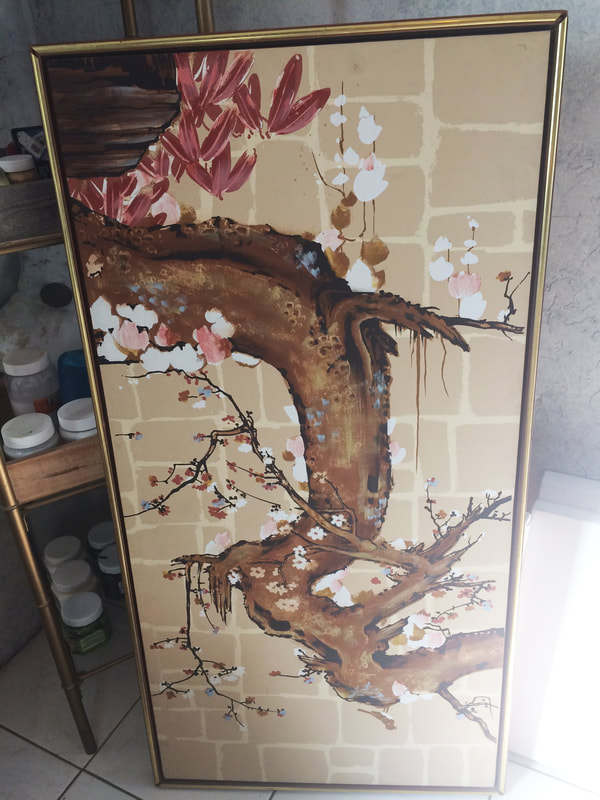
Eco-Friendly Disposal and Recycling: Be Kind to the Planet
Sometimes a canvas is beyond saving. Responsible disposal is part of what to do with old canvas paintings.
Best practices:
- Separate materials. Recycle wood or metal frames where facilities allow.
- Do not wash acrylic paint down the drain. Let rinse water dry, then toss the solids.
- Do not sand old oil paint layers. Older pigments can include lead. Avoid dust.
- If allowed locally, send the painted canvas to trash and recycle the frame hardware.
Check your local rules. Some textile recyclers accept raw canvas offcuts without paint. Ask before you drop off. It reduces contamination and keeps streams clean.

Legal and Ethical Notes: Respect Artists and Rights
Respect is central to what to do with old canvas paintings made by other artists. You can display, resell, or donate the physical artwork you own. But you usually cannot reproduce it as prints or on products.
Keep in mind:
- Moral rights can protect the integrity of certain works. Avoid harmful alteration if you plan to sell it as the original.
- If you upcycle over someone else’s painting, label it clearly as your own altered work.
- For estate or signature questions, seek an appraisal before you modify anything.
When in doubt, ask a professional. A quick consult prevents legal and ethical issues later.

Store and Care: If You Decide to Keep It
Good storage extends life. It also shapes what to do with old canvas paintings long term.
Simple steps:
- Keep art in a cool, dry place with stable humidity.
- Store upright with spacers so canvases do not press against each other.
- Use dust covers on the back. Corrugated backing or foam board works well.
- Avoid attics and basements. Big swings in heat and moisture cause damage.
I add a small note on the back with date, medium, and any care tips. Future you will be grateful.
Frequently Asked Questions of what to do with old canvas paintings
How do I know if an old canvas is valuable?
Check for a clear signature, labels, dates, and quality. Compare with public sales records and ask a framer or conservator for a quick review.
Can I paint over an old canvas without gesso?
You can, but gesso gives better adhesion and a smooth base. Two or three thin coats work best.
Is it safe to sand an old oil painting?
Do not sand old oil paint. It can create harmful dust, and some old pigments include lead. Seek a conservator if the surface is rough or flaking.
Where can I donate old canvas paintings?
Try community centers, schools, theaters, and local nonprofits. Call first to confirm needs and drop-off times.
How do I remove a canvas from its frame?
Use a staple remover and pliers. Work from the corners, protect the surface, and wear gloves to avoid splinters.
What if the canvas has mold?
Isolate it, wear a mask, and avoid brushing spores into the air. Call a conservator for safe treatment.
Can I recycle a painted canvas?
Painted canvases are often not accepted in textile recycling. Recycle wooden frames and metal parts, and dispose of the painted fabric per local rules.
Conclusion
You have many smart paths for what to do with old canvas paintings. Start with a quick assessment. Keep or restore what has value. Rehome good pieces. Upcycle or reuse frames and stretchers. Recycle what you can and dispose mindfully.
Pick one step today. Photograph the piece, call a local shop, or lay down that first coat of gesso. When you are ready for more ideas and how-tos, subscribe for studio-tested tips or leave a question in the comments.