Quick answer: What to do with a paint brush between coats depends on the paint and the wait. For acrylic, gesso or acrylic varnish breaks under about an hour, wipe the brush, rinse it and wrap the wet bristles tightly in plastic wrap or a damp paper towel, or lay it flat with only the hairs resting in shallow water. For oil paint or oil-based varnish, wipe the brush and wrap it airtight; it can stay usable for hours or overnight. For longer breaks, or whenever you are unsure, clean the brush fully, since dried acrylic in the ferrule is the fastest way to ruin it.
Multi-coat work is everywhere in painting. You gesso a canvas in two or three thin coats, build acrylic color in layers, lay down successive glazes in oil, or apply two coats of varnish to a finished piece. Each of those waits raises the same question: clean the brush now, or keep it ready for the next coat?
Cleaning every time wastes paint, water and time. Leaving the brush out can destroy it, especially with acrylic. This guide covers the safest ways to store a brush between coats for each medium, how long each method lasts, recommended drying times between coats and the habits that keep brushes in good shape.
Why the In-Between Moment Matters
The damage happens at the ferrule. Paint that works its way up into the base of the hairs dries first in the thin layer between the bristles and the metal. Once that happens, the hairs are pushed apart and lose their shape. A brush that has been left out for a coffee break can come back stiff, splayed and full of hard paint you cannot wash out.
Different paints dry at different speeds:
| Paint type | How it dries | Risk to brushes between coats |
|---|---|---|
| Acrylic paint and acrylic gesso | Water evaporates; polymer forms a film | High; can harden in minutes on bristles |
| Acrylic varnish and mediums | Similar to acrylic paint | High; can gum up brushes quickly |
| Oil paint | Oxidizes slowly over days | Low for short breaks; moderate overnight |
| Oil-based or solvent varnish | Solvent evaporates and resin cures | Moderate; depends on the product |
| Watercolor and gouache | Water evaporates; rewettable | Low; can be rewetted, but buildup affects shape |
Brush quality also affects how well a brush survives these breaks. Cheap synthetic brushes with loose ferrules tend to collect paint faster. Our guide to the best paint brushes for artists who layer and glaze compares durable options suited to multi-coat work.
What to Do with a Paint Brush Between Coats: Acrylic
Short breaks (under 15 minutes)
- Wipe excess paint on a rag.
- Rinse in water to remove most of the paint, especially near the ferrule.
- Lay the brush across the top of a water jar so the hairs touch the water but the brush does not stand on its tip. A brush rest that holds brushes horizontally with the bristles submerged is ideal.
Medium breaks (15 minutes to about an hour)
- Wipe and rinse the brush.
- Squeeze out most of the water.
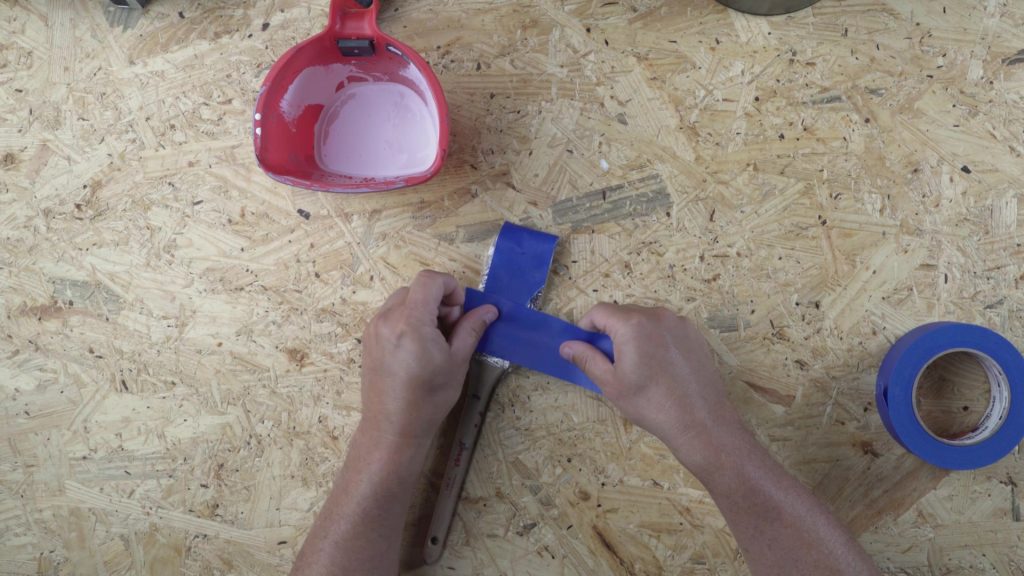
- Wrap the bristles and ferrule tightly in plastic wrap, or place the brush in a zip-top bag and press out the air.
- Alternatively, wrap the bristles in a damp paper towel and then in plastic.
The goal is to stop air from reaching the paint. Even a small gap lets acrylic start to set.
Longer breaks (an hour or more)
Clean the brush fully with soap and water. Acrylic can begin curing inside the hairs even when wrapped, and there is little benefit in risking a good brush to save a few minutes.
Between gesso coats
Gesso is often applied in two to three thin coats, with drying time between each. Since each coat may need 30 minutes to an hour or more to dry, many painters simply wash the gesso brush after each coat. A wide, inexpensive synthetic brush dedicated to gesso makes this less of a concern, and keeps your painting brushes free of chalky gesso residue.
Acrylic Paint Drying Time Between Coats
Drying time depends on thickness, humidity, temperature and airflow. These are general guidelines; always check product labels.
| Layer type | Typical touch-dry time | Notes |
|---|---|---|
| Thin acrylic wash or glaze | About 10 to 20 minutes | Faster in warm, dry conditions |
| Standard acrylic layer | About 20 to 30 minutes | Longer for dark, heavily pigmented colors |
| Thick or heavy body acrylic | One hour to several hours | Impasto can take much longer |
| Acrylic gesso coat | About 30 minutes to one hour | Lightly sand once dry if you want a smoother surface |
| Acrylic varnish coat | Varies by brand; often several hours between coats | Follow manufacturer guidance |
Touch-dry does not mean fully cured. Acrylic continues to cure for days, and thick layers can take longer. A layer that feels cool to the touch often still contains moisture.
What to Do with a Brush Between Coats of Oil Paint
Oil paint gives you much more flexibility because it dries slowly through oxidation.
- Short breaks: Wipe the brush and leave it lying flat on the palette edge or a brush rest. It will stay workable.
- Several hours or overnight: Wipe the brush, then wrap the bristles in plastic wrap or foil. Some painters store wrapped brushes in a freezer to slow oxidation further, then allow them to come to room temperature before painting.
- Using oil to keep brushes workable: Dipping the wiped brush in a little non-drying or slow-drying oil (such as safflower) and wrapping it can help keep it soft. Wipe the oil out before painting again so it does not thin your next layer too much.
Avoid leaving brushes soaking in solvent overnight. Solvent can loosen ferrule glue and dry out natural hair, and leaving brushes standing on their tips bends them permanently.
Between oil glazes
Glazes usually need to be touch-dry before the next layer, which can take a day or more depending on the medium. For these longer waits, clean the brush fully rather than storing it with paint.
Between Coats of Varnish
Varnish is often applied in two thin coats rather than one heavy coat. The waiting time between coats depends on the product.
- Water-based (acrylic) varnish: Treat the brush like an acrylic brush. Wrap it tightly for short breaks or clean it with soap and water for longer waits.
- Solvent-based varnish: Clean with the solvent recommended on the label, or wrap the brush airtight if the next coat is coming soon and the label allows it.
Keep a dedicated varnish brush. Varnish brushes should be clean and soft to avoid streaks and contamination from pigment.
Watercolor and Gouache Between Layers
Watercolor and gouache are rewettable, so there is little risk of permanent damage between layers. Still:
- Rinse the brush between layers so pigment does not dry in the ferrule.
- Lay the brush flat or rest it on a brush holder rather than leaving it upright in water.
- Rinse thoroughly at the end of the session, using mild soap for gouache.
Storage Methods Compared
| Method | Works for | Approximate safe time | Pros | Cons |
|---|---|---|---|---|
| Brush rest with hairs in water | Acrylic, watercolor, gouache | Short breaks | Quick and easy | Not for long periods; can loosen ferrules over time |
| Plastic wrap or zip-top bag | Acrylic, oil, varnish | Acrylic: under an hour. Oil: hours to overnight | Minimal cleanup | Gaps let paint dry |
| Damp paper towel plus plastic | Acrylic | Short to medium breaks | Keeps bristles moist | Needs careful wrapping |
| Freezer (wrapped) | Oil | Overnight to a few days | Slows drying | Not for acrylic; condensation possible |
| Full cleaning | All | Any length | Safest | Takes the most time |
If the Brush Turned Tacky During the Break
Sometimes the wait runs longer than planned. If you come back to an acrylic brush that feels sticky or slightly stiff, act quickly, because partly set acrylic is far easier to remove than fully cured film.
- Do not use it for the next coat. Tacky clumps will drag streaks into fresh paint.
- Rinse it in lukewarm water, then work a generous lather of mild soap into the base of the hairs, pinching and sliding toward the tip.
- Repeat until the suds stay clean and the hairs feel soft and separate.
- If the base still feels stiff, a brief soak of only the hairs in rubbing alcohol or a brush restorer can loosen partly dried acrylic. Wash with soap again afterward.
Grab a clean spare brush for the next coat while the rescued one dries. Keeping a backup brush of the same shape and size on hand is one of the easiest ways to avoid this problem altogether.
Keeping Brushes Ready During Long Layering Sessions
When you know you will be switching between layers all afternoon, set up for it:
- Use a stay-wet palette so paint and brushes stay damp longer.
- Keep a spray bottle to mist the palette and brush rest in dry rooms.
- Rotate two or three brushes of the same shape, so one is drying clean while you use another.
- Paint away from fans, heaters and direct sun, which speed acrylic drying on the bristles.
Mistakes to Avoid Between Coats
- Leaving brushes standing in water. The weight bends the hairs, and water seeps into the ferrule and handle.
- Leaving acrylic brushes uncovered. Even 10 to 15 minutes in a warm room can begin to harden paint near the ferrule.
- Loose wrapping. Air gaps defeat the purpose.
- Skipping the wipe. Excess paint is harder to manage and more likely to dry.
- Storing acrylic brushes overnight. Clean them instead.
- Using a dirty brush for the next coat. Partially dry clumps can drag into fresh paint and cause streaks.
Synthetic and Natural Brushes Between Coats
The difference between synthetic and natural paint brushes matters during breaks. Natural hair absorbs water and can lose its spring if left wet for long periods, and acrylic is hard to remove from it. Synthetic filaments resist water absorption and tolerate wrapping and rinsing better. For acrylic, gesso and water-based varnish, synthetics are usually the safer choice.
If you are curious how synthetic filaments hold up to frequent rinsing and wrapping, our review of Princeton synthetic brushes looks at durability and shape retention.
A Simple Workflow for Multi-Coat Projects
- Before you start, set out a rag, water jar, brush rest and plastic wrap.
- Apply the coat.
- Wipe the brush immediately.
- Decide on storage based on the expected wait: rest in water, wrap or clean.
- Before the next coat, unwrap, rinse if needed and blot the brush so excess water does not thin the paint.
- At the end of the session, clean every brush fully with soap and water or the appropriate cleaner.
Related Reading
FAQs
Can I leave my brush in water between coats of acrylic?
For short breaks, yes, but rest it horizontally with only the hairs in water. Do not stand it on its tip, and do not leave it for long periods.
How long can I wrap an acrylic brush between coats?
For short to medium breaks, often up to about an hour if wrapped tightly. For longer waits, clean the brush to avoid paint hardening in the ferrule.
What is the acrylic paint drying time between coats?
Thin layers can be touch-dry in about 10 to 30 minutes, while thicker layers can take an hour or several hours. Humidity, temperature and paint thickness all affect drying time.
Can I store oil paint brushes overnight without cleaning?
Yes, if you wipe them and wrap them airtight. Some painters also store wrapped oil brushes in the freezer to slow drying further.
Should I clean my brush between coats of gesso?
Often, yes. Gesso coats usually need time to dry, and gesso can harden in brushes. Many painters wash the gesso brush after each coat or use a dedicated, inexpensive brush for gesso.
What is the difference between synthetic and natural paint brushes for storing between coats?
Synthetics resist water absorption and tolerate acrylic better, so they handle rinsing and wrapping well. Natural hair can lose its spring if left wet and is harder to clean after acrylic.
Final Thoughts
The safest habit between coats is simple: wipe first, then match the method to the paint and the wait. Rest acrylic brushes horizontally in water for short breaks, wrap them for medium breaks and wash them for anything longer. Oil brushes are more forgiving and can be wrapped for hours or overnight.
Brushes that collect paint quickly or lose their shape after a few sessions make multi-coat work harder. If yours are past saving, see our roundup of long-lasting brushes for layering, gesso and varnish to find replacements built to handle repeated rinsing.