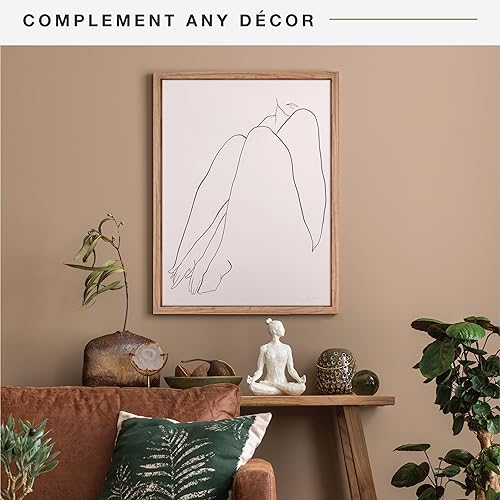
The best wooden frames for canvas paintings balance strength, style, and easy setup.
You finished a canvas you love. Now you want it to look gallery-ready on the wall. This is where the right frame changes everything. A good wood frame adds depth, protects the edges, and ties the piece to your room. It can make a quiet landscape pop or help a bold abstract feel polished. If you want a clean float look or a classic gallery vibe, I tested options that do both. Here’s what stood out and how to pick the best fit for your art and space.
MCS 18×24 Walnut Canvas Float Frame

This 18×24 MCS float frame nails the modern gallery look. The walnut woodgrain finish adds warmth without stealing the spotlight. It is built to hang either vertical or horizontal, which gives you flexibility. The included adhesive helps seat the canvas and keep spacing even.
I like how the float gap frames the edges of the canvas. It brings a neat shadow line and depth. For many homes, this is the sweet spot size for a feature wall. It makes wooden frames for canvas paintings feel high end at a fair price.
Pros:
- Warm walnut woodgrain suits many decor styles
- Float gap adds depth and a gallery feel
- Includes adhesive for easy centering
- Hangs vertical or horizontal with simple hardware
- Good value for a large 18×24 canvas
- Clean lines that match modern or mid-century rooms
- Lightweight, so it is easy to mount
Cons:
- Woodgrain is a finish, not solid hardwood
- Adhesive may not suit very heavy canvases
- Float gap is fixed, not adjustable
My Recommendation
Pick this if you want a simple float look with a warm tone. It is ideal for finished canvases that need a clean, contemporary frame. If you need wooden frames for canvas paintings that look polished with minimal work, this one fits the brief.
| Best for | Why |
|---|---|
| Large feature pieces | 18×24 size and float gap add visual impact |
| Modern living rooms | Walnut tone pairs well with warm, neutral decor |
| Quick upgrades | Adhesive and hardware make setup fast and simple |
MCS 8×10 Walnut Canvas Float Frame

This small MCS float frame is ideal for 8×10 canvases. It brings the same walnut look as the larger model. I like it for gifts, portraits, and small studies. The float design adds a tiny shadow line that makes a small piece feel special.
If you build gallery walls, these help keep a clean theme. They make small canvases look intentional and finished. The adhesive helps with alignment, which saves time. For wooden frames for canvas paintings in smaller sizes, this is a smart pick.
Pros:
- Crisp float style on a small scale
- Walnut finish looks rich for the price
- Easy to hang vertical or horizontal
- Adhesive helps align the canvas
- Perfect for gallery walls and gift pieces
- Lightweight and simple to mount
- Pairs well with other MCS sizes
Cons:
- Not ideal for thick, heavy canvases
- Finish may mark if handled roughly
- Float gap not adjustable
My Recommendation
Get this if you want uniform style across a grid or gallery wall. The frame lifts a small canvas and gives it a sleek float edge. It is great if you want wooden frames for canvas paintings that match, from small to large.
| Best for | Why |
|---|---|
| Gallery wall sets | Matches other MCS float frames in look and tone |
| Gifts and small studies | 8×10 size is easy to place and display |
| Quick DIY framing | Adhesive makes centering fast and neat |
Abtgt 12×16 Brown Canvas Floater Frame

The Abtgt 12×16 floater frame offers a 0.9-inch depth, which suits many canvases. The brown tone is soft and natural. It brings an earthy note to brighter art. You can hang it vertical or horizontal and set the float gap with the included adhesive.
In use, the corners line up clean with a crisp profile. It has a calm feel that works in rustic or modern rooms. It also suits prints mounted on board, not just canvas. I like it for wooden frames for canvas paintings that need a touch of warmth.
Pros:
- 0.9-inch depth works for many canvases
- Brown finish complements warm and cool palettes
- Includes adhesive for easier float spacing
- Vertical or horizontal hanging options
- Nice fit for 12×16 studies and portraits
- Clean corners for a tidy, pro look
- Good blend of rustic and modern vibes
Cons:
- Not the best choice for very thick canvas bars
- Finish can scuff if tools slip during install
- Adhesive may need backup hardware for heavy pieces
My Recommendation
Choose the Abtgt if you like a mellow, brown finish with a solid depth. It is a great middle size that suits hallways and bedrooms. For wooden frames for canvas paintings that aim for warm, grounded style, this is a crowd-pleaser.
| Best for | Why |
|---|---|
| Portraits and studies | 12×16 size and float style feel refined |
| Warm rustic interiors | Brown finish blends with wood furniture and textiles |
| Mixed media on canvas | 0.9-inch depth handles modest relief and texture |
MingSH 16×20 Solid Wood Stretcher Bars

These MingSH stretcher bars are for building the inner frame. You stretch your canvas over them before you float or gallery frame. The 16×20 size is classic and versatile. The wood feels solid and the joints fit with a snug click.
If you paint from kits or roll prints, these save money and time. You can wrap your image and staple for a tight, flat face. Then add a float frame later or hang as-is. They are the backbone for wooden frames for canvas paintings that need a strong core.
Pros:
- Solid wood bars feel sturdy and dependable
- Snug joints make a square frame easier
- Great base for canvas art and prints
- Good value for DIY stretch projects
- Standard 16×20 fits many pre-cut mats and frames
- Works for paint-by-number kits and posters
- Lightweight for easy hanging
Cons:
- Requires tools like a stapler and pliers
- Needs extra canvas to wrap the edges
- Wood can swell in high humidity if not sealed
My Recommendation
Pick MingSH if you want to control the stretch and save on costs. It is ideal for makers, new painters, and anyone who buys rolled art. If you plan wooden frames for canvas paintings that you build from the ground up, this is a strong start.
| Best for | Why |
|---|---|
| DIY artists | Affordable, sturdy base for self-stretching |
| Rolled prints | Makes flat, tight mounting before framing |
| Practice canvases | Standard size and light build keep costs low |
ECOIOU 16×20 DIY Canvas Stretcher Bars

ECOIOU’s 16×20 stretcher bars are built for DIY stretch jobs. The wood feels sturdy and looks clean. They work for oil paintings, prints, and posters. You will need extra image bleed to wrap around the bars.
Assembly is simple once you square the corners. The frame holds tension well after stapling. It is a solid base before you place the canvas in a float frame. For wooden frames for canvas paintings that begin at the stretcher, this kit keeps things simple.
Pros:
- Sturdy bars hold canvas tension well
- Clean surface is gentle on art
- Works for oils, acrylics, and posters
- Budget-friendly way to frame rolled pieces
- Easy assembly for most DIY users
- Consistent 16×20 size fits many frames
- Good for practice and final pieces alike
Cons:
- Requires extra canvas to wrap the edges
- Tools needed for best results
- May need sealing in damp climates
My Recommendation
Choose ECOIOU if you want a clean, sturdy stretch with no fuss. It is great for posters, paint-by-number, or budget art that still deserves a neat finish. For wooden frames for canvas paintings that start from raw canvas, this is a smart pick.
| Best for | Why |
|---|---|
| Posters and prints | Sturdy bars keep surfaces flat after stretching |
| Budget-friendly projects | Low cost with reliable build quality |
| DIY beginners | Simple assembly and standard sizing |
How to Choose Wooden Frames for Canvas Paintings
Picking the right frame turns good art into a statement. Your choice should serve the art and the room. It should also be simple to mount and care for. Here is the exact process I use to choose with confidence.
Start with size. Measure the canvas width, height, and depth. Check if your canvas is stretched on bars. If it is, confirm the bar depth, as this affects the fit inside a frame.
Decide the look. Float frames show the canvas edges with a shadow gap. Gallery frames hold the sides tight and hide the edges. Both styles look polished in modern homes.
Match the tone to your decor. Walnut and brown add warmth and depth. Black feels crisp and modern. Natural wood reads fresh and light in small rooms.
Check build quality. Solid hardwood lasts, but woodgrain finishes can still look great. Corners should align clean. Surfaces should be smooth so they do not mark paint.
Plan your mounting. Adhesive strips can help center a canvas. For heavier art, use screws or brackets. Good hardware saves time and stress during install.
Float vs. Gallery Style: Which Look Fits Your Art?
Float frames leave a thin gap around the art. You get a shadow line that makes the piece pop. This look feels like a gallery show. It also protects painted edges from scuffs.
Gallery frames hug the canvas sides. They make a tight, classic look. This is great for realism and portraits. It fits formal rooms and office walls.
If your art has nice painted edges, float the piece. Let that detail show. If the edges are blank, a gallery wrap or a tight frame can hide them. Both looks work well as wooden frames for canvas paintings.
Measuring and Fit: Avoid the Common Mistakes
Measure the canvas size in inches. Write down width and height. Then measure bar depth. This depth must fit the inner lip of the frame. A poor fit causes rattles or pressure marks.
For float frames, allow a small gap. Many frames have a set gap. Some let you fine-tune with spacers or adhesive. Keep the gap even on all sides for a clean look.
If you are building the stretcher first, add extra image bleed. Two inches on each side is a safe target. That lets you wrap and staple without cutting into the art. Then trim any excess cloth for a tidy back.
If weight is high, upgrade hardware. Use strong wall anchors for drywall. Find a stud if the piece is big. A frame should be safe as well as pretty.
Material and Finish: What Matters Most
Solid wood is stable and durable. It resists small dings and feels premium. It is a great pick for art you plan to keep for years. Use it for heirlooms and oil paintings with depth.
Engineered wood with woodgrain finish costs less. It can look very clean in a float design. Keep it away from damp rooms to avoid swelling. It works well for light to medium weight canvases.
Walnut tones add depth and warmth. They suit earth palettes and mid-century rooms. Natural oak feels airy and calm. Black frames read crisp and formal.
Pick a finish that supports the art. Cool tones pop in brown or black. Warm tones can glow in walnut or natural. Wooden frames for canvas paintings should echo the mood of the piece.
Mounting: Tools, Tips, and a Simple Workflow
Lay the frame and canvas on a soft cloth. Test fit the canvas in the frame. Adjust the float gap with spacers or adhesive. Confirm the gaps look even on all sides.
Mark the hang points on the frame back. Use D-rings and wire for large pieces. For small frames, sawtooth hangers can work. Always test on the floor before the wall.
If you use adhesive pads, press and hold. Follow the time listed on the package. For heavy art, add screws into the stretcher bars. Make sure the screws do not pierce the canvas face.
Hang at eye level for most rooms. In a gallery wall, keep even spacing. Step back and tweak until it feels right. A few minutes of care pays off for years.
Care and Maintenance: Keep Frames Looking New
Dust with a soft, dry cloth. Avoid harsh cleaners on the finish. Do not spray liquids near the canvas. Spot clean with a damp cloth only if needed.
Keep frames out of strong sun when you can. UV can fade some pigments over time. Avoid damp spots, like bathrooms with steam. Stable rooms keep wood and paint happy.
Add felt pads where frames touch the wall. This stops scuffs and helps airflow. Recheck wire and hooks once a year. Safe mounting protects both art and walls.
For moves, wrap corners and faces. Use bubble wrap and cardboard. Label the front so you handle it right. Wooden frames for canvas paintings will last longer with care.
Design Ideas: Match Frame Style to Your Room
In a modern living room, pick a slim float frame. Walnut or black keeps the eye on the art. Large pieces feel lighter with a gap that breathes.
In cozy rooms, brown or natural wood adds calm. Try a medium profile on portraits and landscapes. The frame becomes a soft border, not a wall.
In bright studios, natural wood looks fresh. It pairs well with plants and clean walls. A set of small float frames makes a neat grid.
For entryways, go bold with a tall float profile. It gives a showpiece feel. Wooden frames for canvas paintings can set the tone the moment guests walk in.
Budget vs. Premium: Where to Spend
Spend more on large, heavy pieces. They need stronger wood and better hardware. Corners and joints matter more on big frames. A sturdy build saves trouble later.
Save on small decor pieces. Clean woodgrain finishes look great from normal distance. You can create a full gallery wall at a fair cost. Mix sizes to add interest without spending too much.
If you make art to sell, pick frames that ship well. Light float frames balance safety and style. They keep costs predictable for shows and clients. Wooden frames for canvas paintings help your work look consistent at events.
Common Pitfalls and How to Avoid Them
Do not force a deep canvas into a shallow frame. It can stress the paint. Measure depth and check the inner lip. A small mistake here leads to chips later.
Avoid hanging with weak nails in drywall. Frames can slip or fall. Use proper anchors or find studs. Safety first, especially over beds or cribs.
Do not ignore humidity. Wood can swell and twist. Keep frames in stable rooms. Consider sealing stretcher bars in damp climates.
Do not flood the frame with cleaners. Moisture can wick into canvas edges. Dust is safer most of the time. A light hand extends life.
Who Should Choose Float Frames vs. Stretcher Bars
If your canvas is already stretched, pick a float or gallery frame. You will get a fast, clean upgrade. Leave room for a small gap in float styles.
If your art comes rolled, start with stretcher bars. Stretch the piece tight and flat. Then decide if you want a frame. Some wrapped canvases look great without a frame at all.
For students, stretcher bars cut costs. You can test sizes and techniques for less. For collectors, pick frames that protect and suit your rooms. Wooden frames for canvas paintings serve both needs well.
FAQs Of wooden frames for canvas paintings
What size frame should I buy for my canvas?
Match the frame to the canvas width and height. Check the bar depth too. Make sure the inner lip fits the canvas thickness. For float frames, allow a small gap around the sides.
Do I need a float frame or a standard frame?
Choose a float frame to show the canvas edges. Pick a standard frame to cover them. Both look polished. Your choice depends on the art style and your room.
Can adhesive hold a heavy canvas safely?
Adhesive helps with spacing, but add hardware for heavy pieces. Use screws into the stretcher bars. Use proper wall anchors. Safety should come first.
Will a wood finish fade or peel over time?
Quality finishes hold up well in normal rooms. Avoid harsh cleaners and strong sun. Dust gently. Good care keeps wooden frames for canvas paintings looking new.
Can I stretch a print or poster on stretcher bars?
Yes, if you have extra image bleed to wrap the edges. Use a stapler and pliers. Stretch tight and even. Then frame or hang as you like.
Final Verdict: Which Should You Buy?
The MCS float frames are the easiest upgrade for most homes. Pick the 18×24 for impact, or the 8×10 for gallery walls.
Need a deeper look or DIY base? Choose the Abtgt for warm tone, or the MingSH and ECOIOU bars to stretch first. Any choice gives wooden frames for canvas paintings a clean, pro finish.