Painting birds in oil can be a wonderful journey for both beginners and more experienced artists. Birds offer a wide range of colors, shapes, and textures that make each painting unique. But capturing their spirit and beauty on canvas is not easy.
Many artists find bird painting challenging because it involves combining accurate anatomy, lively color, and delicate detail. With the right approach, though, you can create realistic and expressive bird paintings in oil. This guide will show you practical tips, techniques, and insights to help you succeed.
Choosing The Right Reference
A strong reference image is the foundation of any good bird painting. The quality of your reference will affect your drawing, color choices, and overall realism.
- Use high-resolution photos so you can see details like feathers and eyes.
- Look for images with good lighting and clear shadows. This helps you understand the bird’s form.
- If possible, take your own photos. You’ll learn more about bird behavior and movement.
- Avoid copying someone else’s artwork directly—use photos or your own sketches for originality.
Many beginners forget to study the bird’s posture and environment. Notice how the bird sits, where its feet are, and what kind of branch or ground it stands on. This small detail can make your painting look more natural.
Understanding Bird Anatomy And Structure
To paint birds well, you need to know some basics about their bodies. Birds have different body shapes, but most share similar parts:
- Head: Usually round with a sharp beak.
- Body: Oval or egg-shaped.
- Wings: Folded or open, with layers of feathers.
- Tail: Short or long, often fanned out.
- Feet: Gripping, walking, or swimming.
Sketch the basic shapes first. Think of the body as an oval, the head as a circle, and the wings and tail as triangles. Build the drawing with light pencil marks or thin paint. Once the structure looks right, add details like eyes, beak, and feather direction.
Many artists make the mistake of not checking the position of the legs or the angle of the wings. Even a small error here can make the bird look odd. Use measuring techniques: compare the length of the beak to the head, or the wing to the body.
Materials And Tools For Bird Oil Painting
Oil painting gives you flexibility and rich color, but you need the right materials to capture fine bird details.
| Material | Why It Matters |
|---|---|
| Quality Oil Paints | Give vibrant, lasting colors for feathers and backgrounds |
| Fine Brushes (round, liner, filbert) | Help paint small details like eyes and feathers |
| Stretched Canvas or Oil Paper | Provides a smooth, stable surface |
| Mediums (linseed oil, odorless thinner) | Control drying time and flow of paint |
| Palette & Palette Knife | Mix colors accurately |
| Rags/Paper Towels | Clean brushes and fix mistakes |
A common mistake is using brushes that are too large for the size of the bird. For details like feathers around the eyes, a size 0 or 1 round brush works best.
Planning Your Composition
A good composition makes your bird painting interesting and balanced. Before you start painting, decide:
- Where will you place the bird on the canvas?
- Will you show the whole bird or just the head?
- What about the background—plain, sky, or natural scene?
Try simple thumbnail sketches to find the best arrangement. Place the bird off-center for a more natural look. Use the “rule of thirds”: divide your canvas into three equal parts, and put important points (like the eye) on these lines.
Some artists forget to leave enough space around the bird, making it look crowded. Give the bird “room to breathe” so it doesn’t feel trapped in the frame.
Blocking In Shapes And Colors
Start your oil painting with an underpainting or block-in. Use thin paint to mark the main shapes and colors. This helps you see the whole painting before adding detail.
- Use a large brush and diluted paint.
- Focus on the main masses: Head, body, wings, tail.
- Paint the background color first, then the bird.
For example, if painting a robin, start with a soft gray-blue background, then block in the orange chest and brown back. Don’t worry about details yet—just get the big shapes right.
This step saves time and prevents mistakes later. Many beginners try to finish one part before working on the rest, but this leads to uneven results.
Building Layers: From Dark To Light
Oil paint is ideal for layering. For birds, build your painting gradually:
- Lay in darker colors first—these form the shadows and deep feathers.
- Add mid-tones next (the bird’s main colors).
- Finish with lighter highlights on top—these catch the sunlight on feathers and beak.
Let each layer dry slightly before adding more. This keeps colors clean and prevents muddy mixing.
A key insight: don’t use pure white for highlights. Mix a little yellow or blue into the white for a natural look. Pure white looks harsh and unnatural on feathers.

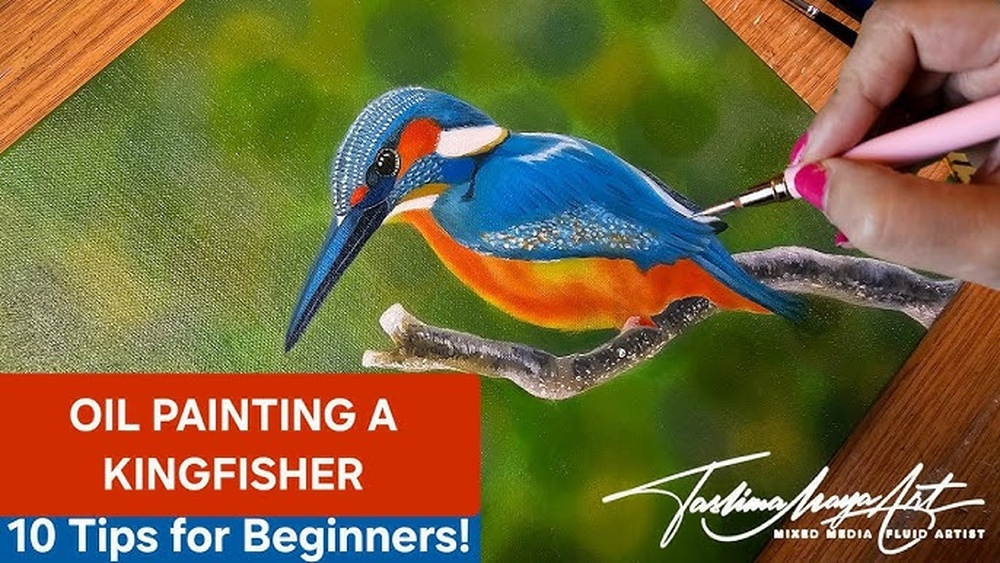
Credit: www.youtube.com
Painting Realistic Feathers
Feathers are the most recognizable part of any bird, but also the hardest to paint well. Here’s how to approach them:
- Paint feather groups, not individual feathers. For example, block in the wing as a soft shape, then suggest feather edges only in a few places.
- Use a liner or rigger brush for fine lines.
- Vary your strokes—some short, some long—to show different feather types.
- Add soft edges for fluffy feathers (like on a chickadee’s belly).
- Reserve sharp edges for wing tips or tail feathers.
Most beginners try to paint every single feather. This makes the bird look stiff and unnatural. Instead, focus on the overall pattern and add detail only where the eye will look (around the head and wings).
Capturing Bird Eyes And Expression
The eye is the soul of a bird painting. A well-painted eye brings the bird to life.
- Start with the dark pupil, then add the colored iris around it.
- Leave a small white spot (catchlight) to show reflection. This gives the eye a lively, wet look.
- Use a very fine brush for the eyelid and tiny feathers around the eye.
A common mistake is to paint the eye as a flat black dot. Look carefully—bird eyes often have rich browns, reds, or even blues. The catchlight should be round and placed in the same direction as the light in your painting.

Credit: www.chuckblackart.com
Mixing Accurate Bird Colors
Color mixing is important for realistic bird paintings. Some birds have bright, pure colors, but most show subtle mixes of hues.
| Bird Part | Typical Colors | Mixing Tips |
|---|---|---|
| Robin’s Chest | Orange-red | Mix cadmium red, yellow ochre, and a touch of white |
| Blue Jay’s Back | Bright blue | Mix ultramarine blue, titanium white, touch of phthalo green |
| Goldfinch’s Yellow | Lemon yellow | Mix cadmium yellow light and a touch of white |
| Sparrow’s Feathers | Warm browns | Burnt sienna, raw umber, mix with white for lighter tones |
Always test your mixes on a scrap of canvas before applying to your painting. Many artists use colors straight from the tube, but mixing gives a more natural look.
Creating Depth And Texture
Depth makes your bird look three-dimensional. Use contrast between light and shadow to give form. Notice where the light hits the bird, and keep the shadow areas cooler (add a little blue or green).
For texture, vary your brushwork:
- Use soft blending for smooth parts (chest, belly).
- Try dry brush for rougher parts (wings, tail).
- For background, use looser strokes to separate the bird from the environment.
Don’t make every part sharp. The viewer’s eye should go to the face and wings, while the tail and background can stay softer.
Backgrounds That Enhance The Bird
The background can make or break your painting. It should support the bird, not distract from it.
- For a bright bird, use a soft, neutral background.
- For a plain bird, try a more colorful or textured background.
- Add simple branches, leaves, or sky, but keep detail lower than on the bird.
A common mistake is to paint the background as a flat color. Instead, use soft color changes or blurred shapes to suggest depth.
Fixing Mistakes And Common Pitfalls
Every artist makes mistakes. With oil paint, you have time to fix them.
- If a color is wrong, let it dry, then paint over.
- For a misplaced shape, scrape off with a palette knife while wet.
- Use a clean, dry brush to soften harsh edges.
Two common errors: making the bird too “cartoonish” by exaggerating colors, or making it too stiff by over-detailing every feather. Balance accuracy with artistic expression.
Many beginners also forget to step back from the canvas. Look from a distance every few minutes—this helps spot problems in proportion or color.
Practical Tips For Better Bird Paintings
- Work from general to specific—big shapes first, then details.
- Study birds in real life if possible; even watching videos helps.
- Keep your palette limited—using too many colors can make the painting look muddy.
- Use a viewfinder (a small window cut in paper) to focus on composition.
- Take regular breaks. Fresh eyes see mistakes faster.
One non-obvious tip: try painting birds in pairs or groups. This lets you practice different positions and interactions, adding life to your scene.
Finishing Touches And Varnishing
Once your painting is dry, add final highlights to the eyes, beak, and feather tips. Make sure the edges are clean and the bird stands out from the background.
Let your painting dry for several weeks before varnishing. Use a retouch varnish to protect the surface and bring out colors. Never varnish while the paint is still soft, as this can trap moisture and cause cracks.
Where To Learn More
For more inspiration and technical advice, check out resources like the Audubon Society’s Art Magazine. You’ll find examples of great bird art and interviews with top bird painters.
Frequently Asked Questions
How Do I Make My Bird Painting Look More Realistic?
Focus on accurate shapes, correct colors, and the direction of light. Study real birds or high-quality photos and paint feather groups rather than every feather.
What Brushes Are Best For Bird Oil Painting?
Use small round and liner brushes for details, and filbert brushes for soft blending. Avoid large brushes unless painting the background.
How Do I Paint White Birds Without Using Pure White Paint?
Mix a little blue, yellow, or gray into your white. This prevents the bird from looking flat. Add pure white only for the brightest highlights.
Should I Paint The Background Before Or After The Bird?
It’s best to block in the background first, then paint the bird. This helps you keep clean edges and control the color harmony.
How Long Does It Take For Oil Paint To Dry Before I Can Add Layers?
Thin layers may dry in 1-2 days, but thicker paint can take a week or more. Use a fast-drying medium if you want to speed up the process.
Painting birds in oil is both challenging and rewarding. With careful observation, good references, and patient practice, you can capture the beauty of birds on canvas. Remember, every painting is a step toward improvement—so enjoy the process and let your unique style develop over time.
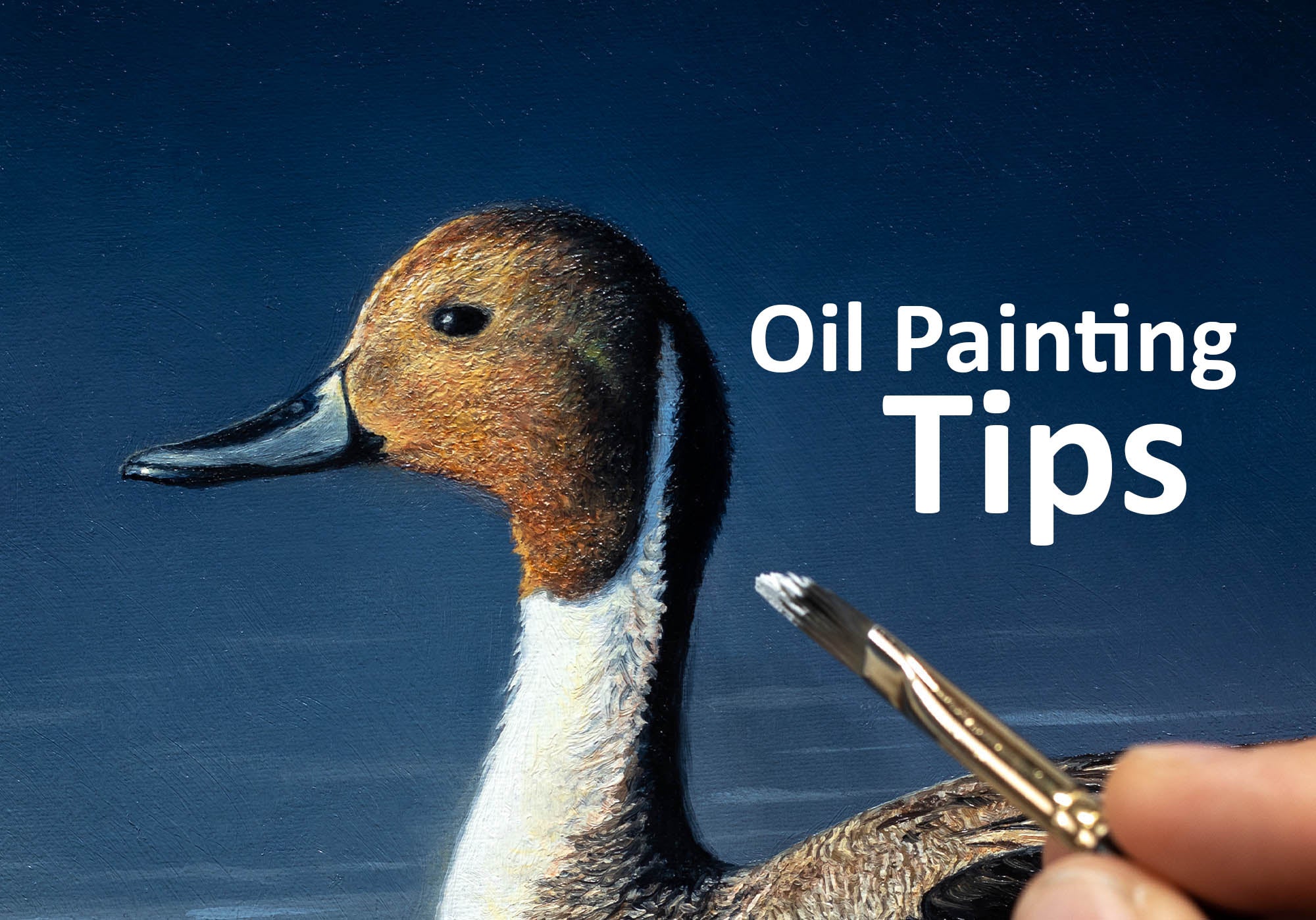
Credit: www.chuckblackart.com