
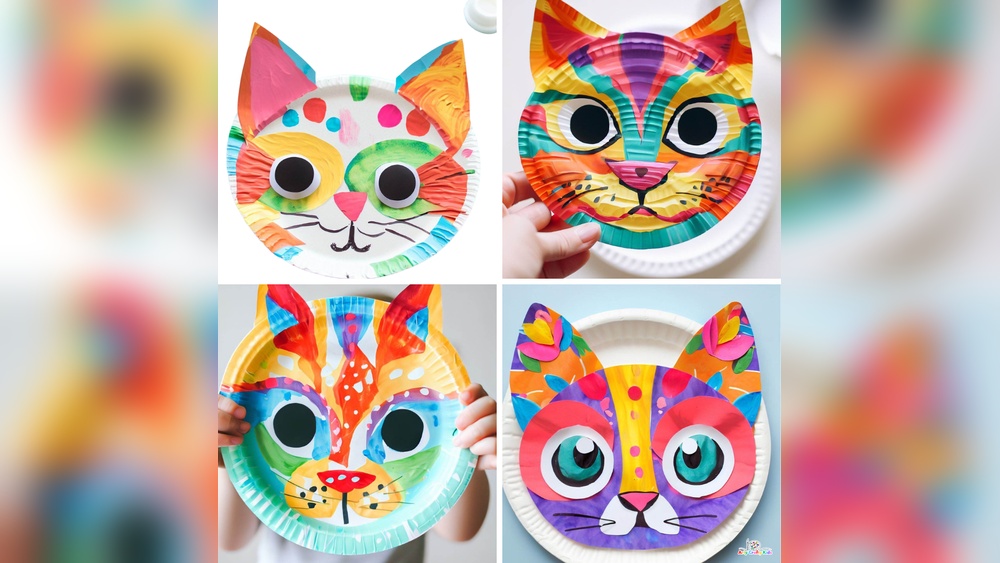
Quick answer: To make painted paper crafts, first make a stack of hand-painted sheets: brush or roll acrylic or tempera onto heavy paper (around 90 lb / 140 gsm or heavier), then texture the wet paint with combs, sponges, bubble wrap, stamps or stencils and let each sheet dry flat. Once you have a set of colors and textures, cut or tear the sheets into shapes and glue them down for collages, cards, garlands, bookmarks, mandalas and layered animal pictures, finishing with a thin coat of matte medium to seal.
Painted paper crafts start with a simple idea: instead of buying patterned craft paper, you make your own. A single painting session can produce a dozen textured sheets, and those sheets become the raw material for weeks of cutting, tearing and gluing projects. Picture-book illustrators have used this approach for decades, and it suits kids, classrooms and adult crafters alike.
This guide covers how to make painted paper from scratch, which papers and paints behave best, eight texture techniques, and a set of projects that use the finished sheets. It also covers mixed media paper, a snow paint recipe and how to combine painted paper with printed photos. If you still need supplies, our comparison of paints that work well on paper is a useful starting point.
How to Make Painted Paper: The Basic Method
The core process takes about 10 minutes of active work per sheet, plus drying time.
- Cover your table. Use a plastic tablecloth or old newspaper. Painted paper is messy by design.
- Lay out the paper. Work on one sheet at a time, taped at the corners if it tends to curl.
- Apply a base color. Brush, sponge or roll a fairly even coat of paint across the whole sheet. Keep the layer thick enough to stay wet for a few minutes.
- Add a second color (optional). Brush a contrasting or related color over parts of the sheet while the first is still wet. Do not overmix; you want visible streaks, not one muddy tone.
- Texture the wet paint. Drag a comb, press bubble wrap, stamp a sponge or scrape with an old gift card (techniques below).
- Dry flat. Lay sheets on a flat surface or a drying rack. Acrylic is usually dry to the touch in 20 to 60 minutes; tempera takes a similar time but can stay tacky longer in humid rooms.
- Flatten. If sheets curl, stack them under heavy books overnight once fully dry.
Make a batch, not a single sheet. Painting five or six sheets in a related color family (blues and greens, warm reds and oranges, earthy browns) gives you a coordinated palette for collage later.
Choosing Paper for Painted Paper Crafts
Thin paper buckles and tears when it gets wet. Heavier paper holds a lot of paint and stays flatter. Here is how common options compare:
| Paper | Approx. weight | Behavior when painted | Best use |
|---|---|---|---|
| Copy paper | 20 lb / 75 gsm | Wrinkles badly, can tear | Quick tests only |
| Construction paper | Varies, often light | Absorbs fast, colors may shift, can fade | Young kids, short-term projects |
| Drawing or sulphite paper | 60 to 80 lb | Light buckling, decent hold | Classroom painted paper |
| Mixed media paper | 90 to 140 lb | Handles wet paint with little buckling | Most painted paper crafts |
| Watercolor paper | 140 lb / 300 gsm | Stays flat, absorbs washes well | Watercolor and ink painted paper |
| Kraft or brown paper | Varies | Takes opaque paint well, gives earthy base | Rustic cards, gift wrap |
What makes a good watercolor paper for painted paper
If you want soft, transparent sheets with blooms and gradients, watercolor paper is the right base. Good watercolor paper is heavy (140 lb is the common standard), sized so the paint does not soak straight in, and made from cotton or high-quality cellulose. Cotton paper stays wet longer and blends more smoothly, while cellulose paper dries faster and costs less. For crafts that will be cut into small shapes, budget cellulose paper usually works fine.
Which Paint Works Best on Paper?
Different paints give different results. The table below summarizes the most common choices:
| Paint | Finish | Strengths | Watch out for |
|---|---|---|---|
| Liquid tempera | Matte | Inexpensive, washable, kid-friendly | Can crack if thick; colors may dull over time |
| Craft acrylic | Satin to matte | Bright, flexible when dry, water-resistant | Dries fast; stains clothes |
| Student acrylic | Satin | Better pigment load, mixes well | Costs more per ounce |
| Watercolor | Transparent | Soft gradients and blooms | Reactivates if wet glue sits on it |
| Gouache | Velvety matte | Opaque, flat color shapes | Rewets with water-based glue |
Acrylic and tempera are the usual choices for painted paper that will be glued, because they do not lift as easily when glue is brushed over them. If you want a closer look at specific brands and finishes for this kind of work, our roundup of the best paint for paper crafts compares options for kids, classrooms and detailed adult projects.
8 Texture Techniques for Painted Paper
Texture is what makes painted paper more interesting than plain colored paper. Each of these works on wet paint unless noted.
1. Comb or fork lines
Drag a plastic comb, fork or notched cardboard through the wet paint. Straight lines suggest wood grain or grass; wavy lines suggest water.
2. Bubble wrap print
Press bubble wrap into wet paint and lift it off for a dotted, reptile-skin effect. Painting the bubble wrap and pressing it onto a dry base color gives crisper dots.
3. Sponge dabbing
Dab a natural or kitchen sponge loaded with a second color over the base. Useful for foliage, clouds and rock textures.
4. Scraping
Drag an old gift card or plastic scraper across two or three colors placed side by side. The colors smear into streaky bands.
5. Crumpled plastic wrap
Lay crumpled plastic wrap over a wet, fairly fluid layer and leave it until dry. Peeling it away reveals a crackled, crystalline pattern. Works especially well with watercolor.
6. Salt (watercolor only)
Sprinkle coarse salt on wet watercolor. As it dries, the salt pulls pigment into star-like spots. Brush the salt off once the sheet is completely dry.
7. Stamping
Use cut potatoes, cork, bottle caps or foam stamps over a dry base color. Repeating one simple shape across a sheet produces a patterned paper that looks printed.
8. Stencils
Lay a stencil on a dry base and dab paint through with a sponge or stencil brush. Paper mandala patterns, leaves and geometric repeats are easy starting points for mixed media stencils on paper, and they make the sheets usable as backgrounds for beginner crafts.
Painted Paper Craft Projects
Once you have a stack of dry sheets, the craft stage is cutting, tearing and gluing. Use a glue stick for small pieces and diluted white glue or matte medium for larger ones.
Layered animal collage
Sketch a simple animal outline on the back of a painted sheet, cut it out, then add details from contrasting sheets: a striped belly, spotted ears, a combed-texture mane. Building the image from layered shapes is the same approach used in many illustrated children’s books, and it works well for ages five and up.
Torn-paper landscapes
Tear (rather than cut) strips of painted paper for hills, water and sky. Torn edges look soft and natural. Layer from the background forward: sky first, distant hills, then foreground.
Greeting cards
Fold a card blank and glue on a single painted-paper shape such as a heart, tree, balloon or flower. One striking shape on a plain card looks more refined than a crowded design.
Paper mandalas
Cut a set of circles, petals and triangles from different painted sheets and arrange them radially around a center point on a plain backing. Fold paper into eighths before cutting to get identical petals quickly.
Garlands and bunting
Cut triangles, circles or leaf shapes from painted sheets, glue two back to back over a length of string, and hang. Using painted paper on both sides makes the garland look good from every angle.
Bookmarks
Cut strips about 2 x 7 inches from your best textured sheets. Seal with a coat of matte medium so the paint does not rub off on book pages.
Gift wrap and tags
Large sheets of painted kraft paper make distinctive gift wrap. Smaller offcuts become matching tags with a hole punch and twine.
Painted paper with photo printed on top
For a mixed media effect, print a photograph on thin paper, cut out the subject, and glue it over a painted-paper background. A portrait against a combed or sponged backdrop has a handmade, scrapbook feel. Inkjet prints can smear if they get wet, so use a glue stick rather than wet glue, or spray the print with a fixative first.
How to Make Mixed Media Paper at Home
Mixed media paper is designed to take wet and dry media without buckling. If you only have thinner paper, you can make it more robust:
- Brush a thin layer of acrylic gesso or acrylic matte medium over both sides of a heavy drawing sheet.
- Let it dry flat, then add a second coat on the front.
- Once dry, the sheet resists water and holds paint on the surface rather than soaking in.
Gluing two sheets of drawing paper together with matte medium and pressing them flat under books also makes a sturdier sheet for heavy painting.
How to Make Snow Paint for Crafts
Snow paint (often called puffy paint) adds raised, frosty texture to winter painted-paper crafts. A common kid-friendly recipe mixes roughly equal parts white school glue and white foaming shaving cream, with a little white paint for opacity. Fold gently rather than stirring hard so the mix stays airy. Apply with a brush or spoon onto snowmen, rooftops or tree branches and let it dry overnight. The texture firms up but stays slightly spongy. This is a craft finish, not an archival one, so use it on projects meant for seasonal display.
Tips by Skill Level
For kids and beginners
- Limit each session to two or three colors per sheet to avoid brown mud.
- Use washable tempera and large brushes or rollers.
- Pre-cut simple shapes for younger children and let them focus on arranging.
For intermediate crafters
- Build themed palettes (ocean, autumn, desert) of six sheets each.
- Combine two textures on one sheet, such as sponge plus comb lines.
- Seal finished collages with matte medium for durability.
For advanced and adult makers
- Use artist-grade acrylic and glazing medium for translucent layered sheets.
- Try monoprinting on a gel plate for sophisticated textures.
- Combine painted paper with ink drawing, collage text and photo transfers.
Common Mistakes and Fixes
- Sheets curl badly: Use heavier paper, tape edges while painting and press under books once dry.
- Colors turn muddy: Stop blending sooner; streaks and separation are the goal.
- Paint cracks when folded: Tempera can crack if applied thickly. Use thinner coats or switch to acrylic, which stays more flexible.
- Glue makes paint lift: Watercolor and gouache rewet easily. Use a glue stick on these sheets or seal them first.
- Sheets stick together: Let paint dry fully before stacking. Slip wax paper between sheets if in doubt.
FAQs
How do you make painted paper for collage?
Paint heavy paper with one or two colors of acrylic or tempera, add texture while it is wet using combs, sponges, bubble wrap or stamps, then dry the sheets flat. Cut or tear them into shapes for collage once dry.
What is the best paper for painted paper crafts?
Mixed media paper around 90 to 140 lb is a good all-round choice because it handles wet paint without heavy buckling. Watercolor paper is best for transparent watercolor sheets, and sulphite drawing paper is a budget option for classrooms.
Can you use acrylic paint on paper crafts?
Yes. Acrylic is one of the best choices because it dries quickly, stays flexible and resists water once dry, so glue does not lift it. Heavier paper prevents warping.
How do you keep painted paper from curling?
Use heavier paper, tape the edges to your table while painting, avoid overly wet layers, and flatten dry sheets under heavy books overnight. Painting a thin layer on the back also balances the tension.
How do you make snow paint for crafts?
Mix roughly equal parts white glue and foaming shaving cream, folding gently to keep it airy, and add a little white paint for opacity. Apply thickly and let it dry overnight for a puffy, frosty texture.
How long does painted paper take to dry?
Thin acrylic or tempera layers are usually dry to the touch within 20 to 60 minutes. Thick paint, humid rooms and heavy texture can extend that to several hours.
Final Thoughts
Painted paper crafts reward a little preparation. Spend one session making a coordinated batch of textured sheets, and you will have material for collages, cards, mandalas and garlands for weeks. Heavy paper, two or three colors per sheet and confident texture work make the biggest difference.
The paint you choose shapes how bright, flexible and durable your sheets end up. To find a good match for your projects and budget, see our guide to top paint picks for paper crafts this year.





One Comment