What Size Brush For Detail Acrylic Work
Acrylic painting is popular because it is flexible, fast-drying, and can create many effects. When you want to paint fine lines, tiny dots, or add small highlights, choosing the right brush size is critical. The wrong brush can make your details look sloppy, even if you have a steady hand. Many beginners think any small brush will work, but this is not true. Artists who master detail work know that brush size is just one part of the equation—shape, bristle quality, and even the way you hold the brush matter too.
This guide will help you understand which brush sizes work best for detail acrylic painting, why size matters, and how to choose the right tool for your style. You’ll also learn about brush shapes, common mistakes, and how pros approach detail work.
If you want your next painting to have crisp, beautiful details, read on.
Why Brush Size Matters In Detail Acrylic Work
Detail work is all about control. Tiny areas, sharp edges, and smooth lines need a brush that fits the space you’re painting. If the brush is too large, the bristles will splay or leave marks outside your intended area. If it’s too small, you’ll spend too much time and your paint may dry out before you finish.
Acrylic paint also behaves differently than oils or watercolors. It dries quickly, which means you need a brush that lets you work fast but with precision. Many detail painters use water or retarders to keep the paint wet, but the brush size still decides how well you can place the color.
Understanding Brush Sizes For Detail Work
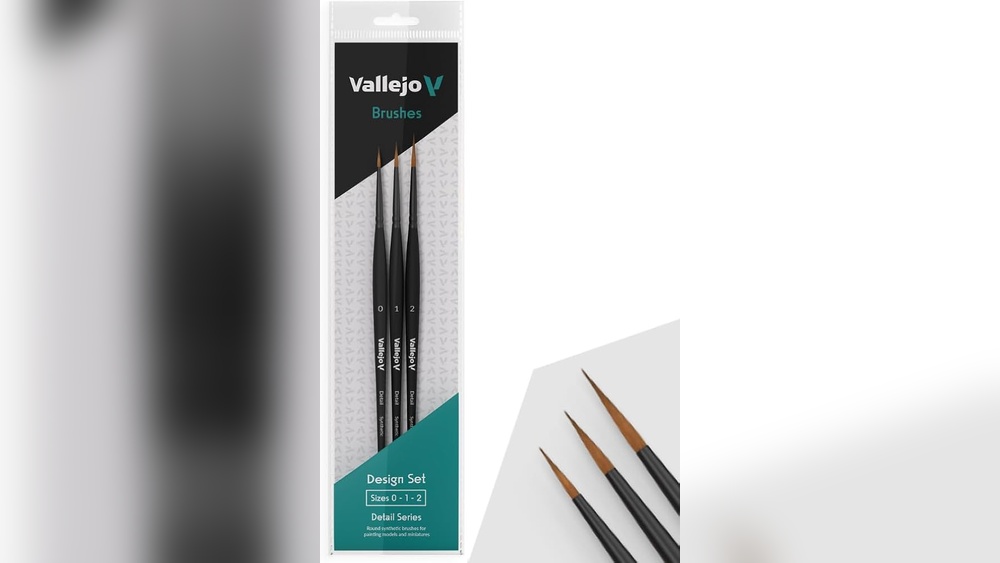
Brush sizes are labeled with numbers, starting at 0000 (the smallest) and going up to larger numbers. For detail acrylic painting, the most common sizes are:
- 0000 (4/0)
- 000 (3/0)
- 00 (2/0)
- 0
- 1
- 2
Some brands call their smallest brushes “liners” or “spotters.” The numbers can be confusing because not all brands use the same sizing. For example, a size 1 brush from one brand may be slightly smaller or larger than another brand’s size 1. This happens because there’s no global standard for brush sizes, but the general trend is: the smaller the number, the smaller the brush.
Here’s a comparison of common brush sizes for detail work:
| Brush Size | Tip Diameter (mm) | Best Use |
|---|---|---|
| 0000 (4/0) | ~0.2 | Micro dots, eyelashes, tiny highlights |
| 000 (3/0) | ~0.3 | Fine lines, small hairs, textures |
| 00 (2/0) | ~0.4 | Small details, thin edges, outlines |
| 0 | ~0.5 | General detail, facial features, small shapes |
| 1 | ~0.6 | Shadows, folds, slightly larger details |
| 2 | ~0.8 | Bolder details, small background objects |
Key insight: Many beginners use a brush that is too small. While ultra-fine brushes give control, they hold very little paint, dry out fast, and can slow you down. Professionals often use a size 0 or 1 for most details and only use 000 or 00 for the tiniest touches.
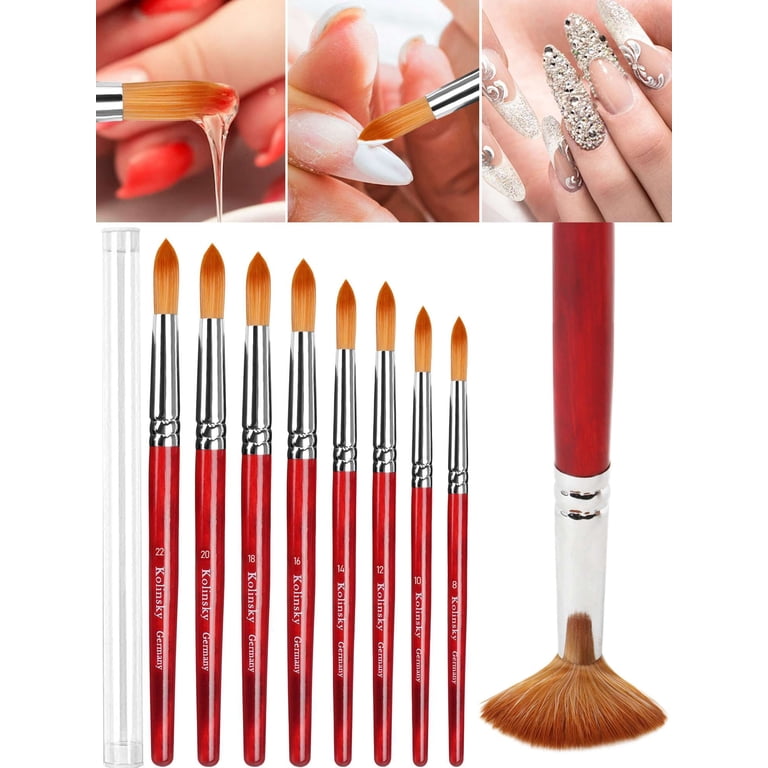
Credit: www.walmart.com
Brush Shapes For Detail Acrylic Painting
Size is not the only factor. The shape of the brush tip changes how the paint goes onto the canvas. The three most popular shapes for detail work are:
- Round: Classic pointed tip, used for lines, dots, and general detail.
- Liner: Long, thin bristles; great for long lines, whiskers, or script.
- Spotter: Very short, tight bristles; best for tiny dots and controlled marks.
Here’s a quick comparison to help you choose:
| Brush Shape | Best For | Paint Holding Capacity |
|---|---|---|
| Round | Most details, lines, dots | Medium |
| Liner | Long thin lines, writing, hair | Low |
| Spotter | Tiny spots, highlights, tight control | Very Low |
A practical tip: If you want to paint a signature or flowing line, try a liner brush in size 00 or 0. For tiny eyes or dots, a spotter in size 000 is perfect.
Factors That Affect Brush Choice
You might think a small brush is always better for detail, but that’s not true in every situation. Here are some important factors:
Type Of Detail
- Tiny dots or highlights (like in an animal’s eye): Use 000 or 0000 spotter.
- Fine lines or hair: Use 00 or 0 liner.
- Small shapes or facial features: Use 0 or 1 round.
Canvas Size
If your painting is large, a size 0 brush will look very small, but on a tiny 5×7 inch canvas, it may be all you need for detail. Always match the brush to the scale of your work.
Paint Consistency
Thicker paint needs a slightly larger brush to deliver a clean line. Watered-down acrylics can be handled with smaller brushes, but too much water can make the paint run, ruining your details.
Your Hand Pressure
Artists with a light touch can use smaller brushes effectively. If you press hard, bristles splay and lines become less sharp. Practice with different brushes to learn what suits your hand.
Brand Differences
Always check the brush in person if possible. Some brands have fuller bristles, others make very sharp points. For example, Winsor & Newton brushes are known for their precise tips, while Princeton and Da Vinci offer longer-lasting synthetic bristles.

Credit: www.amazon.com
Top Mistakes When Choosing Detail Brushes
Many beginners and even some experienced painters make these common mistakes:
1. Using Only The Smallest Brush Available
This can slow your work and make lines look weak or scratchy.
2. Ignoring Brush Shape
A round brush is not always best for lines; try a liner for long, thin marks.
3. Buying Cheap Brushes
Low-quality brushes lose their tip quickly and shed bristles, ruining details.
4. Not Cleaning Brushes Well
Acrylic paint dries fast and hardens bristles, making detail work impossible.
5. Not Replacing Old Brushes
Even the best brushes lose their point with time. Replace detail brushes regularly.
How To Test If A Brush Is Good For Detail
Testing a brush before buying or using it can save you time and frustration. Here’s how:
- Dip the brush in water and flick it. If the tip comes to a sharp point, it’s likely good for detail.
- Load with acrylic paint and make a test line. The line should be even, with no splaying or split marks.
- Try making a dot. The brush should respond to small pressure changes.
- See if the brush bounces back to shape after each stroke. Good detail brushes have “spring.”
Examples Of Detail Work And Best Brush Sizes
Let’s look at real-world examples and which brush sizes are often used:
- Miniature painting (gaming figures): Size 000–0 round or spotter for eyes and armor highlights.
- Portraits (eyes, lips, hair): Size 00–1 round for lashes and lips, 0 liner for fine hair.
- Wildlife (fur, feathers): 000–0 liner for whiskers and fine fur, 1 round for small color patches.
- Botanical illustration: 00–1 round for leaf veins and petals, 000 spotter for pollen or small dots.
Each artist develops their own preferences, but these sizes are a solid starting point. You may also find that using a slightly larger brush (size 1 round) gives smoother results for lines, since it holds more paint and flows better.
Caring For Detail Brushes
Small brushes are delicate. To keep them in top shape:
- Wash immediately after use with mild soap and water.
- Reshape the tip while wet.
- Store brushes upright or flat, never bristle-down in water.
- Avoid letting paint dry in the ferrule (the metal part).
If you’re serious about detail work, invest in a brush cleaner and conditioner. This helps keep the bristles soft and the tip sharp.
How Pros Approach Detail Acrylic Work
Professional artists do not rely only on one brush. They often use a “rotation” of small brushes during a session, switching between sizes 00, 0, and 1 as needed. Some even use the side or tip of a flat brush for certain marks. A common pro trick: use a damp brush to lift off mistakes or soften edges.
Another non-obvious insight: Many professionals “thin” their paint with a touch of water or acrylic medium when doing detail work. Thinner paint flows better from small brushes, but if it’s too watery, it will bleed. Experiment with ratios to find what works for your style.
Comparing Natural Vs Synthetic Bristles For Detail
When choosing a detail brush, you’ll also see a choice between natural hair (like sable) and synthetic bristles. For acrylics, synthetic is usually better because:
- Acrylic paint is tough on natural hair and can shorten brush life.
- Synthetic brushes are cheaper and keep a sharp point longer.
- Many top brands now make synthetic brushes that mimic the feel of sable.
Here’s a quick comparison:
| Bristle Type | Best For | Durability with Acrylics | Cost |
|---|---|---|---|
| Natural (Sable) | Watercolor, fine detail | Low | High |
| Synthetic | Acrylic detail, all-around use | High | Low to Medium |
Unless you are working in watercolor or want an ultra-soft feel, synthetic detail brushes are the best value for acrylic work.
Practical Buying Tips For Detail Acrylic Brushes
- Try before you buy. If you can, visit an art store and feel the brushes. Look for a sharp point and good spring.
- Don’t buy giant sets. Most large brush sets include sizes you will never use for detail work. Buy individual brushes in sizes 00, 0, and 1.
- Replace often. Detail brushes wear down quickly. If your lines get fuzzy, it’s time for a new brush.
- Check reviews. Some brands are known for quality, like Princeton, Winsor & Newton, and Da Vinci. Online reviews often mention how long the tip lasts.
- Avoid student brushes for detail. These are cheaper but rarely hold a sharp tip.
When To Use Bigger Brushes For Detail
It sounds strange, but sometimes a slightly larger brush (like a size 2 round) can make smoother details than a tiny brush. Larger brushes hold more paint, so you get a smoother flow and fewer dry, scratchy lines. This is especially true when painting longer lines or filling small shapes.
Don’t be afraid to try a size up if your details look rough.

Credit: krystlecole.com
Final Thoughts
Choosing the right brush size for detail acrylic work is more about finding what fits your hand, paint style, and subject matter than sticking to a single number. Most artists use a mix of sizes 00, 0, and 1, switching based on the effect they want. Don’t be afraid to experiment—sometimes the best detail comes from an unexpected tool.
Remember, brush shape, bristle quality, and care are just as important as size. With practice, you’ll learn which brushes help you make your best work. And if you want to go deeper into brush technology, you can explore resources like the Wikipedia page on paintbrushes.
Frequently Asked Questions
What Is The Best Brush Size For Fine Lines In Acrylic Painting?
For fine lines, most artists use size 00 or 0 liner brushes. Liner brushes have long, thin bristles that make it easier to paint smooth, continuous lines without running out of paint too quickly.
Can I Use Watercolor Detail Brushes For Acrylics?
You can, but watercolor brushes (especially natural hair) wear out faster with acrylic paint. Acrylic is harsher and dries harder. Synthetic brushes are usually better for acrylic detail work.
How Do I Keep My Detail Brushes From Splaying?
Wash your brushes right after painting, gently reshape the tip, and avoid leaving them in water. Letting paint dry in the bristles is the main cause of splaying.
Why Does My Detail Brush Dry Out So Quickly With Acrylic Paint?
Small brushes hold little paint, and acrylic dries fast. Work quickly, and try using a retarder or misting your palette to keep paint wet longer. Choose a brush size that balances control and enough paint holding capacity.
What Are The Best Brands For Acrylic Detail Brushes?
Princeton, Winsor & Newton, and Da Vinci make excellent detail brushes for acrylics. Look for synthetic bristles designed for acrylic paint for the best mix of durability and performance.