Painting with large brushes is an exciting way to create bold, expressive art. Many artists start with small brushes, focusing on detail and control. But when you switch to large brushes, your technique—and your mindset—must change. Large brushes help you cover more canvas quickly, work with bigger shapes, and even loosen up your style.
But they can also feel intimidating, especially if you’re used to working small. This guide will show you how to paint with large brushes, step by step. Whether you’re a beginner or an experienced painter ready to try something new, you’ll find practical tips, examples, and answers to common questions.
Why Use Large Brushes?
Large brushes offer many benefits that small brushes cannot match. The most obvious is speed. When you use a brush that’s three inches wide, you can fill a canvas in minutes instead of hours. This helps you focus on the overall composition instead of getting lost in tiny details.
Another benefit is energy. Large brushstrokes create dynamic, lively paintings. Your marks look confident and expressive, even if you make mistakes. With big brushes, you are forced to think in broader terms, which often leads to more interesting art.
One detail beginners often miss: large brushes actually help you avoid overworking your painting. When you’re not able to fuss with small sections, your work stays fresh and spontaneous.
Choosing The Right Large Brush
Not all large brushes are the same. The kind you pick depends on your medium, your style, and your goals.
| Brush Type | Best For | Typical Size | Notes |
|---|---|---|---|
| Flat | Bold shapes, background washes | 1–4 inches | Good for both edges and broad strokes |
| Mop | Soft blending, watercolor backgrounds | 1–3 inches | Holds a lot of paint or water |
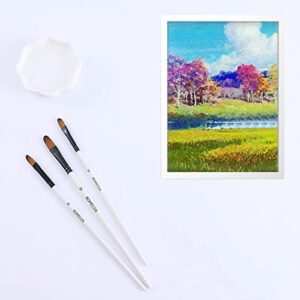
| Filbert | Rounded shapes, soft edges | ¾–2 inches | Versatile; combines flat and round features |
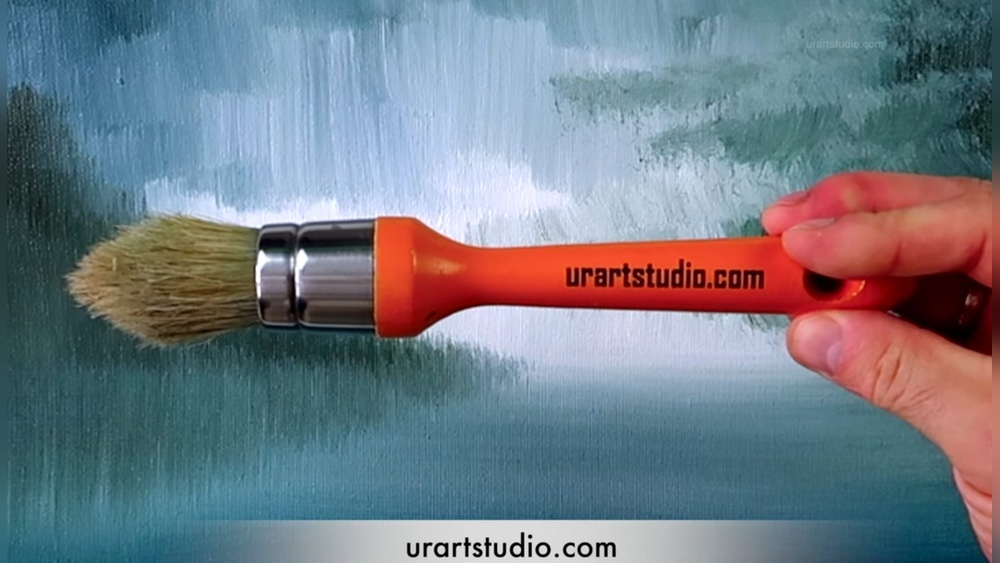
| House Painter’s Brush | Large surfaces, priming canvas | 2–6 inches | Cheap and great for big areas |
A common mistake is picking the cheapest brush you can find. While a hardware store brush works for priming, it may leave loose bristles or rough marks on your final painting. Invest in artist-quality brushes for your main work.
What Paints Work Best With Large Brushes?
The paint you use changes how your large brush behaves. Acrylics, oils, and watercolors all react differently.
- Acrylics: Dry fast, so you need to work quickly. Use soft-bodied acrylics for smoother strokes.
- Oils: Stay wet longer, letting you blend large sections. Use a medium to thin your paint for smoother application.
- Watercolor: Large mop brushes make soft, flowing backgrounds easy. Use plenty of water to keep the brush loaded.
A small but important detail: heavier paint requires stiffer brushes. If your paint is thick, a soft brush will struggle to move it. For thin paint, a stiff brush can create unwanted streaks.
Setting Up Your Workspace
Painting with large brushes means you’ll be moving your arm more, sometimes your whole body. A cramped workspace makes this difficult. Here’s how to set up for success:
- Use a big canvas. Anything smaller than 16×20 inches will feel cramped.
- Stand up if possible. You get more freedom of movement and better control for long strokes.
- Keep your palette close. Reaching too far breaks your rhythm.
- Lay out lots of paint. Large brushes use more paint than you think.
- Protect your floor and clothes. Big brushes can splatter!
One tip many beginners forget: raise your canvas to eye level. This helps you see the whole painting and avoid distorted shapes.
Basic Techniques For Large Brushes
Switching to a large brush means changing your approach. Here are core techniques that work well:
Blocking In Shapes
Start by marking out the main shapes and colors. Don’t worry about detail—just get the basic layout. Hold the brush farther back on the handle for looser, more confident strokes.
Broad Strokes And Edges
Use the full width of your brush for thick, bold marks. To create sharp edges, press down and drag the edge of the brush. For soft transitions, use the flat side and sweep gently.
Blending Large Areas
With oils or acrylics, you can blend two colors by brushing back and forth where they meet. Use a clean, dry brush to soften edges. For watercolor, tilt the paper and let the paint flow.
Dry Brushing
Wipe most of the paint off your brush, then lightly drag it over the canvas. This technique makes textured, broken color effects—great for landscapes or abstract work.
Scumbling
Load your brush with a small amount of paint and scrub it over a dry surface. This creates a hazy, broken look that adds atmosphere.
Planning Your Painting
When using large brushes, planning becomes more important. You can’t fix small mistakes as easily. Here’s how to get organized before you start:
- Do a quick value sketch. Use pencil or charcoal to map out lights and darks.
- Choose a simple color palette. Limit yourself to 3–5 colors for harmony.
- Decide on your focal point. Where do you want the viewer’s eye to go?
- Think in layers. Block in big shapes, then refine with medium and small brushes if needed.
A non-obvious tip: Mix more paint than you think you need. Running out of a color halfway through a sky is a common frustration.
Working From General To Specific
A classic strategy with large brushes is to paint the biggest shapes first, then add detail. This helps keep your painting balanced and avoids overworking one area.
- Background: Use the largest brush for sky, ground, or main background color.
- Midground: Slightly smaller brush for main objects.
- Foreground and details: Switch to medium brushes for highlights or accents. Only use a small brush at the very end.
Most beginners start adding detail too early. Resist the urge! Stay big as long as possible for stronger paintings.
Controlling Your Brushwork
Large brushes can feel wild at first. To get comfortable, practice these exercises:
- One-stroke lines: Try painting a straight line with one motion. See how much pressure changes the width.
- Edge control: Paint a square using only the edge of your brush.
- Shape practice: Use one stroke to paint circles, triangles, and organic forms.
Another smart tip: Rotate your brush as you paint. This gives you varied marks and keeps your painting interesting.
Layering And Drying Times
With big brushes and thick paint, drying time matters. If you work too fast, colors can turn muddy. If you wait too long, blending becomes difficult.
| Paint Type | Typical Drying Time (Large Areas) | Tip |
|---|---|---|
| Acrylic | 10–30 minutes | Mist with water to keep open longer |
| Oil | 1–3 days | Work wet-on-wet for blending, or let dry for sharp layers |
| Watercolor | 5–20 minutes | Paint light to dark, let each layer dry for crisp edges |
Remember: test drying times on a scrap surface before working on your final painting.
Cleaning And Caring For Large Brushes
Large brushes are an investment. To keep them in good shape:
- Clean immediately after use. Dried paint ruins bristles fast.
- Use the right cleaner. Water for acrylics/watercolors, mineral spirits for oils.
- Rinse thoroughly and reshape. Gently press water out and reshape with your fingers.
- Dry flat or hang bristles down. This keeps water from swelling the handle.
- Store with care. Keep brushes in a jar or rack, not loose in a box.
One thing many miss: Do not soak wooden handles in water. This weakens the glue and causes bristles to fall out.

Credit: www.trekell.com
Troubleshooting Common Problems
Even experienced artists face challenges with large brushes. Here’s how to fix common issues:
- Streaky paint: Use more paint or add a little medium. Streaks often mean your brush is too dry.
- Unwanted texture: Try a softer brush or thin your paint. Sometimes, switching brushes makes all the difference.
- Losing control: Practice with water on scrap paper. Get used to the feel before painting for real.
- Colors turning muddy: Clean your brush between colors. Too much mixing on the brush causes dull results.
One extra insight: If you can’t fix a mistake, let it dry and paint over it later. Large brushes make this easy, especially with opaque paints like acrylics and oils.
Large Brush Painting Styles
Large brushes aren’t just for backgrounds. Many famous artists use them for signature styles:
- Impressionism: Quick, visible strokes capture light and movement.
- Abstract art: Big marks, splashes, and drips create drama.
- Modern realism: Large areas of flat color with subtle blending.
For inspiration, look at works by Claude Monet, Willem de Kooning, or modern muralists. Notice how their brushwork brings energy and life to the canvas.
Practice Exercises For Skill Building
To master large brushes, try these exercises regularly:
- 30-minute painting: Limit yourself to big brushes and finish a simple scene quickly.
- Monochrome study: Paint a subject using only one color plus white/black. Focus on values and brushwork.
- Shape challenge: Fill a canvas with overlapping shapes, using only one-stroke marks.
- Texture sampler: Test dry brushing, scumbling, and blending on one canvas.
Over time, these exercises build muscle memory and confidence.
When To Switch To Smaller Brushes
Large brushes do most of the work, but sometimes you need smaller tools for finishing touches. Signs it’s time to switch:
- You’re adding highlights or tiny details.
- Edges need sharpening in focal areas.
- You want to sign your painting.
A good rule: Finish 80% of your painting with the largest brush possible. Only use small brushes at the end.

Credit: www.laurenceking.com
Materials Checklist
Before you start, make sure you have:
- Large flat, mop, or filbert brushes (1–4 inches wide)
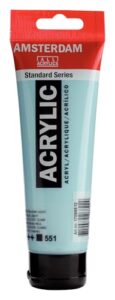
- Quality paints (acrylic, oil, or watercolor)
- Large canvas or paper (16×20 inches or bigger)
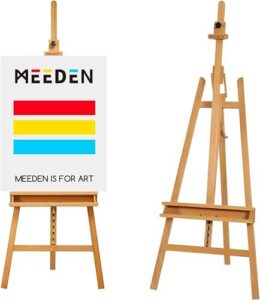
- Easel (optional, but helpful for standing)
- Palette with plenty of space
- Rags or paper towels
- Cleaning supplies (water, soap, or mineral spirits)
- Apron or old clothes
Preparation saves you from messy interruptions later.
Real-world Examples
Many muralists and street artists use large brushes to paint walls quickly. For example, professional muralists can cover 100 square feet in under an hour using 4-inch brushes and exterior house paint. In fine art, a landscape artist might block in a sky with a 3-inch brush, then switch to a filbert for trees and details.
A tip learned from experience: Don’t be afraid to experiment on scrap canvas. Try different brush angles, pressure, and paint thickness before starting your final piece.

Credit: www.threads.com
Further Learning
If you want to see large brush techniques in action, many online tutorials and art schools offer classes. For more in-depth reading, check out the Wikipedia page on paintbrushes.
Frequently Asked Questions
What Is The Best Size Large Brush For Beginners?
Start with a 2–3 inch flat brush. It’s big enough to cover canvas quickly, but not too heavy to control. As you get comfortable, try larger sizes.
Can I Use Hardware Store Brushes For Fine Art?
You can, but results vary. House painter’s brushes are great for priming or rough backgrounds. For detailed work, invest in artist-grade brushes—they hold paint better and shed less.
How Do I Avoid Making A Mess With Large Brushes?
Set up your workspace carefully. Protect your floor and clothes, use less water or medium to reduce drips, and keep a rag handy for quick cleanups.
Should I Always Stand While Painting With Large Brushes?
Standing gives better range of motion, but it’s not required. If you prefer sitting, use a table easel and keep your canvas upright. The key is freedom of movement, not posture.
How Do I Keep Large Brushes From Wearing Out Quickly?
Clean them right after use, reshape the bristles, and dry them flat or bristle-side down. Avoid soaking wooden handles. Store them so the bristles aren’t crushed.
Painting with large brushes opens new possibilities for your art. Embrace the freedom, experiment, and let your creativity grow. With practice, you’ll find that big brushes don’t just cover more canvas—they bring more life and expression to your work.