Oil painting is a craft that has inspired artists for centuries. It blends technical skill with creative expression, and small tools can make a big difference in your results. One such tool is the palette cup—a small, often metal or plastic container that attaches to your palette. While it may look simple, the way you use a palette cup can impact your workflow, color mixing, and even the final look of your painting. If you want to paint with more control and less mess, understanding how to use a palette cup is key.
What Is A Palette Cup?
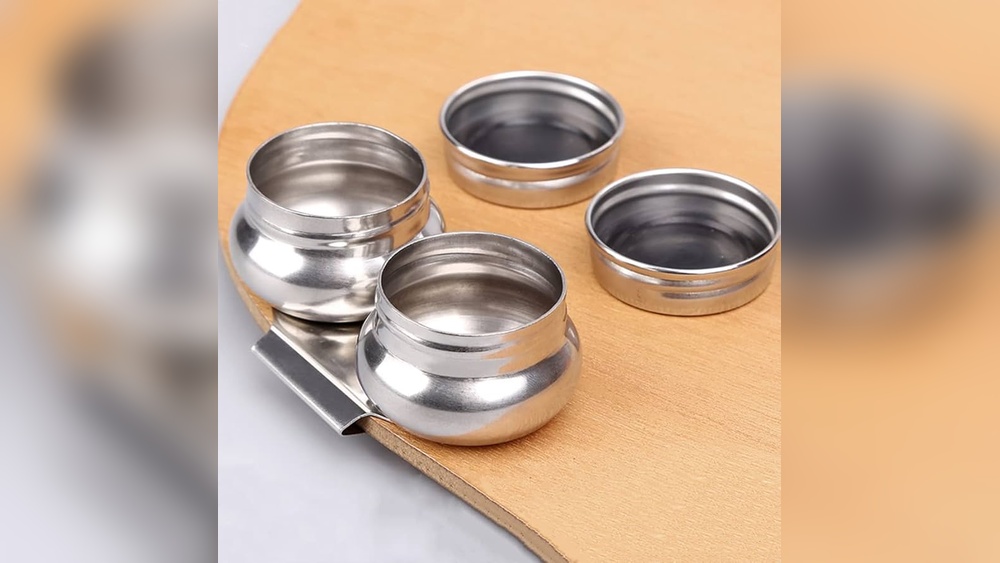
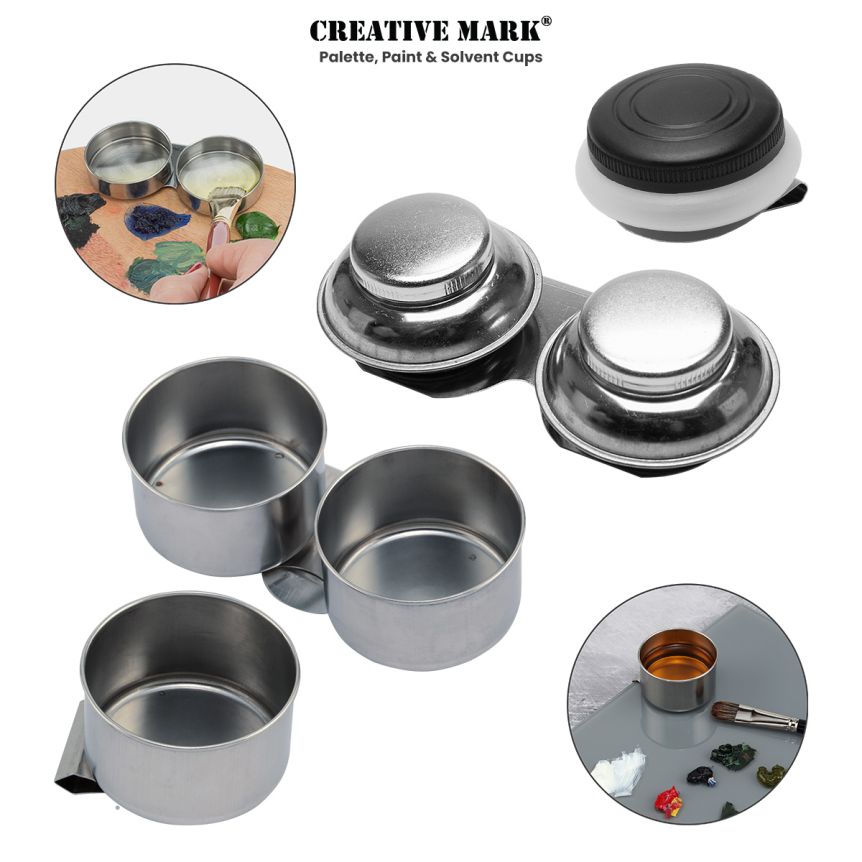
A palette cup is a small container, usually cylindrical, designed to hold liquids such as solvents or painting mediums. It typically features a clip or a screw mechanism that allows you to attach it directly to the edge of your palette. Some palette cups come with lids, while others are open-topped.
You’ll often see palette cups in use with oil painting because artists need to manage the amount of medium or solvent they use. Keeping these liquids close at hand helps you work efficiently and prevents spills.
Common Materials And Designs
Palette cups come in various materials, each with its own benefits:
| Material | Pros | Cons |
|---|---|---|
| Metal (often stainless steel) | Durable, easy to clean, solvent-resistant | Heavier, can dent if dropped |
| Plastic | Lightweight, inexpensive | May stain, less durable, may react with strong solvents |
| Glass | Non-reactive, easy to see contents | Fragile, heavier |
Many palette cups have a double-cup design, allowing you to hold two different liquids, such as turpentine and linseed oil. Others may have a single compartment.
Why Use A Palette Cup For Oil Painting?
Using a palette cup brings several advantages for oil painters. Here’s why artists make it a staple in their toolkit:
- Convenience: Keep solvents and mediums close to your mixing area.
- Control: Dip your brush in a small amount of liquid, avoiding waste or accidental spills.
- Organization: Reduce clutter by attaching cups directly to your palette.
- Consistency: Use the same amount of medium or solvent each time, which helps with even paint application.
- Mobility: Easily move your palette and liquids from one place to another—especially helpful for plein air (outdoor) painting.
A palette cup can be especially useful if you work with toxic solvents, as it limits your exposure and makes cleanup simpler.
Credit: www.jerrysartarama.com
Types Of Liquids Used In Palette Cups
Different stages of oil painting require different liquids. The most common ones you’ll use in a palette cup are:
- Solvents (such as turpentine or odorless mineral spirits): Used for thinning paint or cleaning brushes.
- Painting mediums (like linseed oil, stand oil, or alkyd): Used to alter paint consistency, drying time, and finish.
- Other additives (sometimes varnishes or special effects mediums): Less common, but some artists keep a third cup for these.
You should never mix incompatible liquids in the same cup. For example, don’t put water in a palette cup when oil painting, as oil and water do not mix.
Setting Up Your Palette Cup
Before you start painting, set up your palette cup properly. Here’s how to do it:
- Choose the Right Cup: Decide if you need a single or double cup. For beginners, a double cup is helpful for holding both medium and solvent.
- Attach to Palette: Securely clip or screw the cup to the edge of your palette. The cup should not wobble or tip easily.
- Pour Liquids Carefully: Add only a small amount of each liquid. Overfilling leads to spills and waste.
- Close the Lid (if available): If your palette cup has a lid, use it when carrying the palette or taking a break.
Placement Tips
Place the cup where it’s easy to reach but won’t get in the way of your mixing area. Right-handed artists may prefer the top right; left-handed artists may choose the top left.
How To Use A Palette Cup While Painting
The main purpose of a palette cup is to control how much liquid you add to your paint or brush. Here are the practical steps:
Dipping Your Brush
- Dip only the tip of your brush into the liquid. Avoid submerging the ferrule (metal part) to prevent weakening the glue that holds bristles in place.
- Tap off excess liquid on the rim of the cup.
- Mix the liquid into your paint on the palette, not directly on the canvas. This helps you get the right consistency.
Cleaning Between Colors
If you’re switching from one color to another, use the solvent cup to clean your brush. Swirl the brush in the solvent, wipe with a rag, and repeat if needed. For detailed work, use a second cup with clean solvent for a final rinse.
Mixing Mediums
When adding medium, use a fresh brush or make sure your brush is clean. This prevents contamination of your main medium.
Managing Paint Consistency
Oil paint straight from the tube can be thick. Adding a small amount of medium from your palette cup thins the paint, making it easier to spread or glaze. Start with a tiny amount and add more if needed.
Cleaning And Maintaining Your Palette Cup
Proper care of your palette cup keeps your materials safe and your painting process smooth. Here’s how to clean and maintain your cup:
- Empty After Each Session: Pour out any leftover liquid into a proper waste container. Never pour solvents down the drain.
- Wipe Clean: Use a rag or paper towel to wipe out residue. For stubborn paint, a little solvent can help.
- Wash with Soap (if needed): For a deep clean, use soap and warm water, especially if using non-toxic mediums.
- Dry Thoroughly: Prevent rust (for metal cups) or mold (for plastic) by drying completely before storing.
- Check for Damage: Inspect clips, lids, and the cup itself for any cracks or leaks.
| Step | Action | Frequency |
|---|---|---|
| Emptying | Pour out unused liquid safely | Every session |
| Wiping | Remove residue with cloth | After each use |
| Deep Clean | Wash with soap and water | Weekly or as needed |
| Inspection | Look for cracks or rust | Monthly |
Non-obvious tip: Some artists line the inside of their metal palette cups with a thin layer of paraffin wax. This helps prevent rust and makes cleaning easier.

Credit: www.amazon.com
Safety Considerations
Oil painting uses chemicals that can be harmful if not handled carefully. Here’s what to keep in mind when using a palette cup:
- Ventilation: Always paint in a well-ventilated area, especially when using solvents.
- Safe Disposal: Collect used solvents and dispose of them according to local regulations. Never pour them into the sink.
- Avoid Cross-Contamination: Don’t dip dirty brushes into your clean medium; this keeps your colors pure and your medium effective.
- Secure Lids: If moving your palette, close the lids tightly to avoid spills.
Common Mistakes To Avoid
Beginners often make some simple but costly mistakes with palette cups:
- Overfilling the Cup: This leads to spills and wasted medium.
- Letting Solvent Evaporate: Leaving the cup open for hours means more fumes and wasted solvent.
- Ignoring Cross-Contamination: Using the same cup for solvent and medium muddies your colors and weakens the effects of each.
- Not Cleaning Regularly: Dried paint and medium can ruin a palette cup over time.
- Using the Wrong Material: Some solvents react with plastic cups, causing damage or leaks.
Another insight: If you paint outdoors, try wrapping a rubber band around the palette cup and the palette for extra security. Wind or sudden movements won’t knock it off as easily.
Choosing The Right Palette Cup For Your Needs
With so many options, picking the right palette cup is important. Here’s what to consider:
- Size: Larger cups hold more liquid but are heavier and may get in the way. Small cups are lighter but need more frequent refills.
- Material: Choose stainless steel for durability, or plastic for lightweight needs. Avoid aluminum with strong solvents—it can corrode.
- Number of Compartments: Double cups are useful for holding both solvent and medium.
- Lid Type: Screw-on lids prevent leaks better than snap-on types.
- Attachment Mechanism: Clips are fast and easy, but make sure they are strong enough for your palette thickness.
Quick Comparison
| Feature | Best For | Downside |
|---|---|---|
| Double Cup | Versatility | Heavier, larger |
| Single Cup | Small setups, minimalists | Less flexibility |
| Metal | Durability, solvent use | Heavier, can rust |
| Plastic | Lightweight, travel | Less durable, may stain |
| With Lid | Transport, spill prevention | More to clean |
Advanced Tips For Experienced Artists
As you gain experience, you might want to adjust how you use your palette cup:
- Use Separate Cups for Glazing and Underpainting: This keeps mediums pure and helps you control drying times.
- Add a Dropper: For precise control, use a small dropper to add medium directly to your paint.
- Try Magnetic Cups: Some modern palette cups use magnets to attach to metal palettes—useful for a secure hold and quick removal.
Many professional artists develop their own routines. For example, some fill their cups only halfway and refill often, so the medium stays fresh and uncontaminated. Others prefer to keep the cup on a separate tray to avoid clutter on the palette.
Credit: www.etsy.com
Frequently Asked Questions
How Much Medium Or Solvent Should I Put In My Palette Cup?
You only need a small amount—usually less than an ounce per session. Too much can lead to spills, while too little may need frequent refilling. Start with a third full and adjust as needed.
Can I Use A Palette Cup For Acrylic Or Watercolor Painting?
Palette cups are designed for oil painting, but you can use them for other mediums if needed. However, many water-based artists prefer dedicated containers, as palette cups may not seal liquids as tightly.
Do I Need To Clean My Palette Cup After Every Session?
Yes, especially if you use different mediums or solvents regularly. Cleaning prevents residue buildup, which can contaminate your next painting session.
How Can I Prevent My Palette Cup From Rusting?
Choose stainless steel cups and dry them thoroughly after each use. Lining the cup with paraffin wax or using a plastic insert can also help protect against rust.
Where Can I Find High-quality Palette Cups?
Art supply stores and online shops carry many options. For more information about materials and buying tips, visit the Oil painting Wikipedia page.
A palette cup may seem like a small detail, but mastering its use can make oil painting more enjoyable and efficient. With the right setup and care, you’ll enjoy smoother brushwork, fewer spills, and more consistent results in your art.
Whether you’re just starting or refining your studio routine, don’t overlook this simple but powerful tool.