
PaintingProGuide is reader-supported. When you buy through links on this page we may earn an affiliate commission at no extra cost to you.
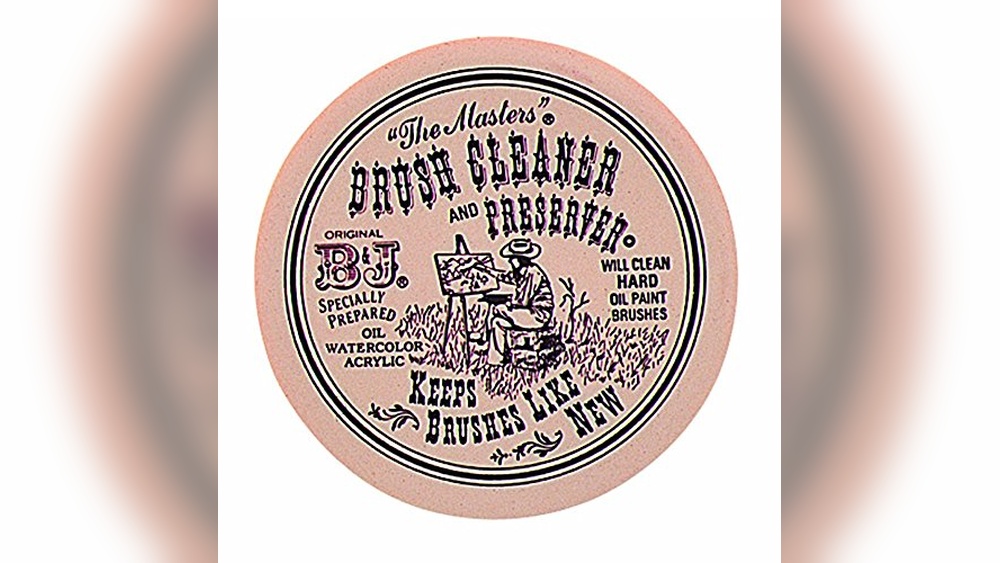
Quick answer: The classic soap for cleaning paint brushes is General’s The Masters Brush Cleaner and Preserver, a solid cake that cleans and conditions in one step and is made in the USA to ACMI AP non-toxic standards. For a liquid soap that is easy to measure, Speedball Pink Soap cleans oils, acrylics and watercolors without solvents. For brushes with paint already dried in, the U.S. Art Supply Brush Cleaner and Restorer is designed to soak it loose.
A good soap for cleaning paint brushes does two jobs that ordinary hand soap struggles with. It pulls pigment out of the heel of the brush, the part near the ferrule where paint hides and hardens, and it leaves the hairs conditioned rather than stripped, so they keep their shape. Artists have used dedicated brush soaps for generations because a few seconds of lathering at the end of each session can add years to a good brush.
This guide explains how brush soaps differ from dish soap and solvents, how to clean brushes after acrylic, watercolor and oil, and how to rescue a brush with dried paint. Then we compare six products, from solid brush soap cakes and liquid soaps to a linseed studio soap, a natural citrus cleaner and a soak-style restorer.
Our Top Picks at a Glance
- General’s The Masters Brush Cleaner and Preserver, 2.5 oz — Best all-round brush soap
- Speedball Pink Soap Brush Cleaner and Conditioner, 12 oz — Best liquid brush soap
- Jack Richeson Linseed Oil Studio Soap, 250 ml — Best for oil painters
- U.S. Art Supply Brush Cleaner and Restorer, 4 oz — Best for dried-in paint
- Green Piece Paint Brush Cleaner and Restorer, 18 oz — Best natural citrus cleaner
- The Masters Brush Cleaner, 1 oz — Best travel size
| Product | Best For | Key Spec | Key Strength | Price Tier |
|---|---|---|---|---|
| General’s The Masters, 2.5 oz | Everyday cleaning | Solid cake; oils, acrylics, watercolor, varnish | Cleans and conditions in one step | $ |
| Speedball Pink Soap, 12 oz | Liquid convenience | No chlorides, phosphates, solvents or alcohol | No greasy residue | $$ |
| Jack Richeson Linseed Studio Soap | Oil painters | 250 ml linseed oil soap | Removes dried paint, per listing | $ |
| U.S. Art Supply Restorer, 4 oz | Dried-in paint | Soak cleaner for acrylic, oil, gouache, ink | Also for airbrushes | $ |
| Green Piece Cleaner, 18 oz | Natural option | Fruit extracts and minerals; biodegradable | Safe on hands, per listing | $$ |
| The Masters, 1 oz | Travel | Solid cake, 1 oz | Small and portable | $ |
How We Chose
These picks are based on the Amazon listing details and specifications checked in October 2026: which paints each product removes, whether it conditions as well as cleans, ingredients and safety labeling, format (cake, liquid or soak) and size. We matched them to the cleaning jobs artists face, from daily rinses to dried-paint rescues, and considered how widely each is reviewed by Amazon buyers. We have not run cleaning trials ourselves. We excluded a house-painting brush and roller cleaner from our candidate list, since this guide focuses on artist brushes.
- Paint coverage: acrylic, watercolor, oil and varnish.
- Conditioning: leaves hairs soft and shaped.
- Safety: non-toxic labeling, AP or CL seals where stated.
- Format: solid cake, liquid or soak.
- Brush compatibility: safe for synthetic and natural hair, including sable.
Brush Soap vs Dish Soap vs Solvent
- Brush soap: formulated to lift pigment and condition hairs. Safe for sable and synthetic. The best everyday choice.
- Dish soap: cleans well but can dry out natural hair over time. Fine for synthetic brushes used with acrylic, followed by a rinse.
- Mild hand soap: acceptable for watercolor brushes; less effective on heavy acrylic.
- Solvent (mineral spirits): needed first for oil paint, then follow with soap to remove the solvent and residue.
- Restorers: soak-style cleaners for paint that has already dried in the brush.
How to Clean Paint Brushes with Soap
- Remove excess paint. Wipe the brush on a paper towel or rag.
- Rinse. Water for acrylic and watercolor; mineral spirits or oil for oil paint.
- Lather. Wet the brush and swirl it gently on the soap cake or in a little liquid soap in your palm.
- Work the heel. Gently press the hairs against your palm to push pigment out from near the ferrule.
- Rinse and repeat. Continue until the lather is white.
- Shape and dry. Reshape the tip with your fingers and dry flat or hanging tips-down. Some painters leave a little soap in the hairs to hold the shape and rinse before next use.
Best Soap for Cleaning Paint Brushes Reviewed
1. General’s The Masters Brush Cleaner and Preserver, 2.5 oz — Best for All-Round Brush Soap

The Masters is the brush soap many painters grew up with. It is a solid cake in a tub, sold by General Pencil Company, that removes oils, acrylics, watercolors, stains and varnishes and conditions in a single step. It works on sable, bristle and synthetic brushes.
The format is the appeal: wet the brush, swirl it on the cake, work the lather into your palm, rinse and repeat. It is fast enough to use after every session, which is what keeps brushes in good shape. The same product is sold in a smaller 1 oz size for travel; the listing for that size notes it is made in the USA to ACMI AP non-toxic standards and can remove old dried paint if left on the brush for up to several hours.
Best suited for: daily cleaning of acrylic, oil and watercolor brushes, including fine natural hair.
Key features:
- Solid cake, 2.5 oz
- Removes oils, acrylics, watercolors, varnishes
- For sable, bristle and synthetic brushes
- Cleans and conditions in one step
Pros:
- Works across media
- Gentle on fine brushes
- Lasts a long time
Cons and limitations:
- Oil brushes still need a solvent rinse first
- Cake gets messy if left wet
Buying consideration: Let the cake dry between uses with the lid off; it lasts longer and stays firmer.
2. Speedball Pink Soap Brush Cleaner and Conditioner, 12 oz — Best for Liquid Convenience

Pink Soap is a liquid brush cleaner that Speedball says cleans oils, acrylics and watercolors and acts as a cleaner, preserver and conditioner. It contains no chlorides, phosphates, solvents or alcohol, and the listing notes it leaves no greasy residue.
A liquid is easier to share in a classroom or studio and simple to measure into a jar for soaking. The listing references ACMI CL labeling.
Best suited for: shared studios, classrooms and painters who prefer a pump or squeeze bottle.
Key features:
- 12 oz liquid
- For oils, acrylics and watercolors
- No chlorides, phosphates, solvents or alcohol
- Conditions as it cleans
Pros:
- Easy to dispense
- No greasy residue
- Large bottle
Cons and limitations:
- Liquid can be overused
- CL labeling means read the cautions
Buying consideration: Put a few drops in your palm and work the brush in circles, rather than dipping it into the bottle.
3. Jack Richeson Linseed Oil Studio Soap and Brush Cleaner, 250 ml — Best for Oil Painters

Linseed oil soap is a natural fit for oil painters, because linseed is the same oil many oil paints are made with. Richeson’s studio soap is described as removing dried oils, acrylics, watercolors and other artist paints, restoring and protecting valuable brushes.
It also works on art paint on clothing and on studio surfaces, including wood, so it doubles as a general studio cleaner.
Best suited for: oil painters and anyone wanting a multi-purpose studio soap.
Key features:
- 250 ml linseed oil soap
- Removes oils, acrylics and watercolors
- Works on clothing and studio surfaces
Pros:
- Suits oil brushes well
- Multi-purpose
- Gentle conditioning
Cons and limitations:
- Still follow a solvent wipe for heavy oil paint
- Smaller bottle
Buying consideration: Use it on the palette and table too; it lifts dried oil paint from wood surfaces.
4. U.S. Art Supply Brush Cleaner and Restorer, 4 oz — Best for Dried-In Paint

When paint has dried in a brush, soap alone rarely saves it. U.S. Art Supply’s cleaner and restorer is a soak-style solution for dried-on acrylic, oil, gouache, inks and water-based paints, and it is also used for cleaning airbrushes.
Directions are to soak brushes as needed and remove softened residue with a wipe, a palette knife or a toothbrush. The listing says it can take minutes to hours depending on how dry the paint is.
Best suited for: rescuing hardened brushes and cleaning airbrushes.
Key features:
- 4 oz bottle
- For dried acrylic, oil, gouache, ink and water-based paint
- Soak and wipe method
- Also for airbrushes
Pros:
- Saves brushes you would otherwise throw out
- Works on many media
- Inexpensive
Cons and limitations:
- Not an everyday cleaner
- Soaking can loosen glue if overdone
Buying consideration: Soak only the hairs, not the ferrule, and follow with a brush soap wash.
5. Green Piece Paint Brush Cleaner and Restorer, 18 oz — Best for Natural Citrus Option

Green Piece positions its cleaner as a 100% natural, non-toxic formula made from fruit extracts and minerals, biodegradable and made in the USA. The listing says it removes wet or dry acrylic, latex, oil and shellac without paint thinner or turpentine.
It has a citrus scent and is described as safe on hands, which appeals to painters who want to avoid solvents. It also cleans tools, desks and paint stains on clothing.
Best suited for: painters avoiding solvents, shared spaces and multi-purpose cleaning.
Key features:
- 18 oz
- Fruit extracts and minerals
- Biodegradable, made in USA
- For acrylic, latex, oil and shellac
Pros:
- Solvent-free
- Citrus scent
- Multi-purpose
Cons and limitations:
- Higher price tier
- Natural claims are the maker’s own
Buying consideration: Rinse brushes thoroughly in water afterward so no cleaner remains in the hairs.
Cleaning by Medium: Quick Reference
Acrylic
Acrylic is the medium that ruins the most brushes, because it dries fast and becomes water-resistant once cured. Rinse brushes every few minutes while you paint, never let paint creep up into the ferrule, and wash with brush soap as soon as you finish. If you need a break, lay brushes flat on a damp paper towel rather than leaving them in a jar of water.
Watercolor
Watercolor rinses out easily in clean water. Many painters only use soap occasionally, perhaps once a week, to remove staining pigments and keep natural hair brushes fresh. Use a gentle, conditioning soap and rinse thoroughly, since soap residue can affect how the brush releases water.
Oil
Wipe off as much paint as possible, then work the brush in odorless mineral spirits or a safflower or linseed oil bath to dissolve the paint. Follow with brush soap and warm (not hot) water until the lather runs clean. Leaving oil brushes uncleaned overnight makes the job much harder.
Gouache
Gouache behaves like watercolor but is more opaque and heavily pigmented. Rinse well, then wash with brush soap after each session so pigment does not build up in the heel.
Setting Up a Brush-Cleaning Station
A small dedicated cleaning station makes good habits easy. Keep two water jars at your painting table, one for first rinses and one for clean water. At the sink, have your brush soap, a towel for blotting and a flat surface or a brush rack for drying. If you paint in oil, add a lidded solvent container with a coil or screen at the bottom, which lets sediment settle so the solvent can be reused. Five minutes of cleaning at the end of each session saves far more time than trying to rescue hardened brushes later.
Buying Guide: How to Choose Soap for Cleaning Paint Brushes
Match the cleaner to the job
Use brush soap for daily cleaning, a solvent or oil first for oil paint, and a restorer for dried paint.
Solid or liquid
Solid cakes last a long time and are easy to lather; liquids are convenient for shared studios and soaking.
Conditioning
Look for products that condition as well as clean, especially if you use natural hair brushes.
Safety labeling
AP and CL seals from the ACMI indicate how a product has been evaluated. Follow label directions and ventilate your space.
Brush type
Fine sable and squirrel brushes deserve gentle, conditioning soaps. Synthetic brushes are more forgiving.
Size and value
A small cake lasts months of daily use; large bottles suit classrooms.
How to Rescue a Brush with Dried Paint
- Soak only the hairs in a restorer or brush cleaner, keeping the ferrule out of the liquid.
- Check every 15 to 30 minutes; gently work softened paint out with your fingers or a fine comb.
- For stubborn acrylic, repeat the soak; some cleaners suggest several hours.
- Wash with brush soap, rinse thoroughly and reshape.
- Dry flat. Accept that very old dried paint may never fully come out; such brushes become texture brushes.
Brush Care Beyond Soap
Cleaning is half of brush care; drying and storage are the rest. Read our guides on how to dry paint brushes correctly and how to keep paint brushes from shedding. Large brushes need extra rinsing because they hold more paint; see how to paint with large brushes for technique and care tips.
Common Mistakes to Avoid
- Scrubbing hard. Gentle swirling cleans without splaying hairs.
- Using hot water. It can loosen glue and soften acrylic deeper into the heel.
- Skipping the solvent step for oil. Soap alone will not remove heavy oil paint.
- Soaking the ferrule. It loosens the bond and swells handles.
- Leaving soap residue. Rinse well unless you are deliberately shaping the tip.
- Drying brushes upright. Water runs into the ferrule.
FAQs
What soap is best for cleaning paint brushes?
A dedicated brush soap such as The Masters or Speedball Pink Soap cleans and conditions in one step. Mild dish soap works for synthetic acrylic brushes but can dry out natural hair.
Can I use dish soap to clean paint brushes?
Yes for synthetic brushes used with acrylic or watercolor. Rinse well. For natural hair brushes, a conditioning brush soap is gentler.
How do I clean oil paint from brushes?
Wipe off excess, rinse in mineral spirits or a safe oil-paint cleaner, then wash with brush soap and water until the lather is white.
Does brush soap remove dried acrylic?
Fresh or slightly tacky acrylic, yes. Fully dried acrylic usually needs a restorer soak first.
How often should I wash brushes with soap?
At the end of every session. Rinse frequently with water while painting.
Is brush soap safe for sable brushes?
Brush soaps such as The Masters are marketed as safe for sable, bristle and synthetic brushes. Always rinse thoroughly.
Final Recommendation
For everyday cleaning across acrylic, watercolor and oil, The Masters Brush Cleaner and Preserver is the dependable choice, with the 1 oz size for travel. If you prefer a liquid, Speedball Pink Soap is easy to share and leaves no greasy residue. Oil painters will appreciate Jack Richeson’s linseed studio soap, painters avoiding solvents may like Green Piece’s citrus cleaner, and keep the U.S. Art Supply restorer on hand for brushes with dried-in paint.




