A reliable, well-priced acrylic brush range with smart options.
You want a brush that loads paint well, snaps back, and survives long sessions. I get it. Acrylic dries fast. Cheap bristles split. Ferrules loosen. A good brush saves time and stress. In this Jackson's acrylic brush review, I break down how these options handle real paint, real strokes, and real cleanup. I cover control, spring, shape retention, and value. I also point out what each tool does best, so you can match brush to task with zero guesswork.

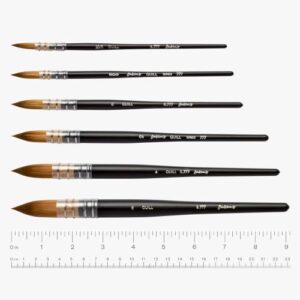
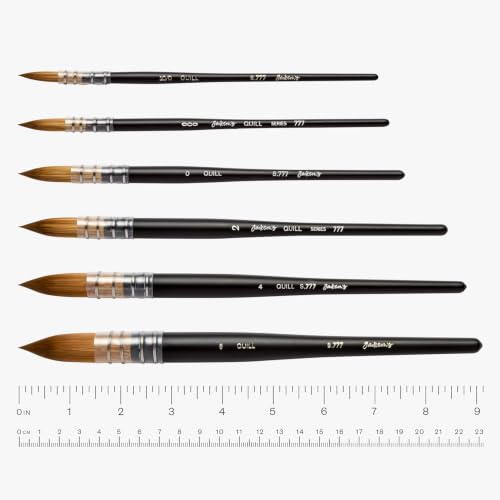
Jackson’s Paint, One Size
Detail,Wash Red Sable/Synthetic Mix Round
Check Price on Amazon →
Shine Chance Acrylic Nail Art…
💠【100% Pure Kolinsky Sable Hair】: Our acrylic art nail brush selected finest pure kolinsky hair, natural and smooth, more flexible and softer, Better absorption of acrylic powders,Ideal acrylic application choice…

Jackson’s Paint, One Size
Jackson’s Procryl Brush for use with oil paint or acrylics. with a filbert or ‘cat’s tongue’ shape Made from acrylic fibres mounted on a long, balanced, matte black handle Completely…
Check Price on Amazon →Jackson’s Paint – One Size

When I test a one-size studio brush, I want clean edges, steady snap, and no shedding. This Jackson’s option feels steady in hand and resists splay with medium pressure. It has a firm spring that helps pull crisp lines in acrylic. It also releases paint at a controlled rate, which is great for blocking in and quick fill-ins.
I also like how easy it is to rinse. Acrylic can gum up fast, yet this brush clears out under water with a bit of soap. I saw minimal bristle loss after several sessions. That tells me the ferrule is secure and the fibers are set well. In this Jackson’s acrylic brush review, this one-size pick scores for value and control.
Pros:
- Good snap for clean lines and steady strokes
- Holds a fair paint load for base coats
- Rinses fast; easy daily cleanup
- Low shedding across repeated uses
- Budget-friendly for students and hobbyists
- Comfortable balance for short or long sessions
Cons:
- One size limits fine detail or large-area coverage
- Not ideal for thick impasto applications
- Edges can soften if you overwork wet layers
My Recommendation
This is a smart starter or backup brush for acrylic painters who need a steady daily driver. It suits base coats, shapes, and mid-size details. If you want a low-cost tool that still holds shape and cleans well, this is a safe pick. For readers of my Jackson’s acrylic brush review, it stands out as a no-fuss workhorse.
| Best for | Why |
|---|---|
| Beginners | Easy control, low price, low shedding |
| Blocking in | Good paint release for base layers |
| Practice sessions | Durable enough for drills and studies |
Shine Chance Kolinsky Acrylic Nail Brush, Size 10
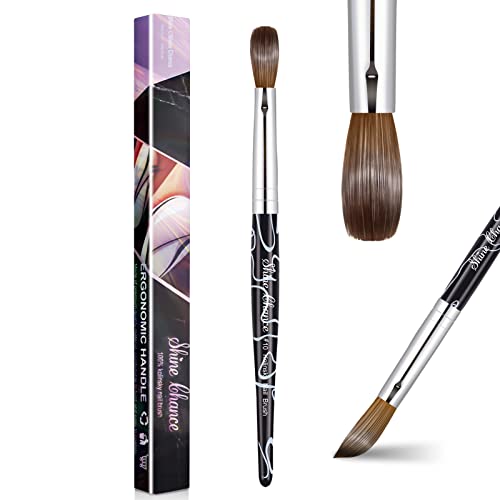
This Size 10 oval is built for salon speed and smooth beads. The 100% Kolinsky hair (as listed) picks up wet acrylic cleanly and lays it down with tight control. I like how the belly shapes beads without dragging. It glides near the cuticle line and keeps a crisp edge for smile lines.
Spring is balanced, so the tip snaps back without splaying. That helps you refine sidewalls and apex work. Cleanup in monomer is fast if you wipe as you go. If you want a pro feel on a budget, this brush is a strong bet for daily salon sets and fills.
Pros:
- Even bead pickup and release for smooth overlays
- Balanced spring for precise cuticle work
- Oval belly sculpts apex with fewer strokes
- Holds shape when cleaned and stored right
- Good value for salon and home use
- Comfortable handle for long sets
Cons:
- Natural hair needs careful care and gentle solvents
- Not vegan; synthetic users should skip
- Size 10 can feel large on very small nail beds
My Recommendation
If you do acrylic nails, get this as your main brush for full sets and fills. It shapes beads fast and keeps a clean edge. The control saves time and rework. In my Jackson’s acrylic brush review series, I also note that nail pros will love this for speed, while beginners get smoother results day one.
| Best for | Why |
|---|---|
| Salon techs | Fast bead control and sharp smile lines |
| Students | Forgiving spring; helps build muscle memory |
| DIY home sets | Pro look with fewer strokes and less cleanup |
Jackson’s Paint – One Size (Variant)

For acrylic painters, a dependable mid-range brush is gold. This Jackson’s one-size variant fills that role. It tracks straight lines, makes neat corners, and lays smooth mid-thick layers. I had no issues with bristle flare after normal use.
It shines in mixed tasks. You can edge, fill, and soften transitions with small angle shifts. The brush keeps a clean profile if you rinse the moment paint starts to tack. As part of this Jackson’s acrylic brush review, I rate it as a steady pick for daily studies and finished pieces.
Pros:
- Reliable shape retention under moderate pressure
- Comfortable, non-fatiguing grip
- Handles both thin glazes and mid-body acrylics
- Easy rinse; resists paint build-up
- Consistent line work with minimal chatter
- Solid value for a main kit brush
Cons:
- Not suited for very fine miniature details
- Could feel small for background washes
- Requires prompt cleaning to avoid tip curl
My Recommendation
Choose this if you need one brush to do most things well. It fits small studios, travel kits, and class work. It supports clean lines and even fills with less fuss. In this Jackson’s acrylic brush review, it earns a spot as a reliable, do-it-all standby.
| Best for | Why |
|---|---|
| Daily painting | Balanced control for many stroke types |
| Students | Durable and easy to maintain |
| Travel kits | One tool covers core tasks |
Jackson’s Studio Synthetic Round, Size 24

This is a large synthetic round often sold for watercolor. It also works very well for acrylic when you thin your paint or use fluid acrylics. The big belly holds a lot of paint, yet the tip still comes to a point. That lets you block in, then swing to a line in one pass.
What I noticed first is the speed. You can cover backgrounds fast, then pull clean curves without changing tools. The synthetic fibers handle acrylic better than most natural hairs. Cleanup is quick, and the tip springs back with light coaxing. It is a top pick for large, smooth fields and soft-edged blends.
Pros:
- Huge paint load for fast background work
- Tip forms a point for curves and vines
- Durable synthetic fibers; acrylic-friendly
- Good spring with light pressure
- Easy to rinse and reshape
- Great for washes, glazes, and fluid media
Cons:
- Size 24 is too large for tiny details
- Heavy-body acrylic can streak if you drag slowly
- Short handle feels close-up; not ideal at a tall easel
My Recommendation
Get this if you paint large areas and want one brush that can also pull a line. It is a beast for skies, grounds, and soft blends in acrylic when thinned. It is also a winner if you like fluid acrylics. For my Jackson’s acrylic brush review, this is the best large-round value for painters who want speed with control.
| Best for | Why |
|---|---|
| Backgrounds | High capacity and smooth laydown |
| Fluid acrylics | Fibers handle thin media with clean release |
| Soft blends | Point and belly support quick feathering |
Jackson’s Silverline Comb Brush, 3/8 in

Comb (or rake) brushes are texture machines. This 3/8-inch Silverline lays multiple fine lines in one stroke. Use it for hair, fur, feathers, bark, or grass in acrylic. It makes fast work of textures that take ages with a liner.
The bristle spacing creates repeatable striations. That means you can build layers that read as real depth. It cleans fast and holds up when you switch between thin and mid-body paint. If you want quick, natural texture, this tool pays for itself in a day.
Pros:
- Creates hair, grass, and wood grain in one pass
- Consistent spacing for repeatable effects
- Durable synthetic fibers, acrylic-safe
- Quick cleanup; resists clogging
- Great for underpaint textures and final details
- Compact size for tight areas
Cons:
- Niche tool; not for smooth flats or glazing
- Learning curve to control pressure and angle
- Can pick up too little paint if you underload
My Recommendation
Add this if your work needs fast, natural textures. It is ideal for pet portraits, landscapes, and wood effects. It saves time and lifts realism with less effort. In my Jackson’s acrylic brush review, this is the best small comb for instant texture without extra tools.
| Best for | Why |
|---|---|
| Fur and hair | Multiple fine lines in one stroke |
| Grass and foliage | Quick, repeatable striations |
| Wood grain | Natural-looking streaks with light pressure |
FAQs Of Jackson’s acrylic brush review
Are Jackson’s synthetic brushes good for acrylic?
Yes. Synthetic fibers handle acrylic well and clean fast. They resist swelling and hold a point. This Jackson’s acrylic brush review highlights strong value in their synthetic lines.
Can I use watercolor brushes with acrylic paint?
You can, if they are synthetic and you clean often. Thin your acrylic or use fluid acrylics. Avoid heavy scrubbing to protect the tip.
How do I stop acrylic brushes from splaying?
Do not let paint dry in the bristles. Rinse often, use brush soap, and reshape the tip. Store flat or bristles up.
What size brush should I start with?
Start mid-size for control, like a 6–10 round or a 1/2-inch flat. Add a big brush for backgrounds and a liner for details.
How should I clean natural hair nail brushes?
Wipe as you work. Rinse in monomer. Avoid long soaks in harsh solvents. Cap after shaping the tip.
Final Verdict: Which Should You Buy?
For canvas work, the Jackson’s Studio Synthetic Round, Size 24 wins for speed and control. For nails, the Shine Chance Kolinsky Size 10 is the best pick.
This Jackson’s acrylic brush review shows real value across prices. Choose the tool that fits your task, and your work gets easier.