

PaintingProGuide is reader-supported. When you buy through links on this page we may earn an affiliate commission at no extra cost to you.
For a professional or advanced oil painter, the right class is not about learning to paint. It is about breaking a plateau, filling a specific gap (edges, color temperature, figure drawing, plein air speed), getting honest critique, or learning a working method from someone whose results you admire. The best oil painting classes for professionals are focused, taught by working painters with a body of work you respect, small enough for individual feedback, and built around painting from life wherever possible.
There is no single best class, because the right format depends on what you need. This guide explains the main options, from multi-day workshops and atelier programs to online mentorships, how to evaluate an instructor, and how to get the most from the investment. At the end, we list five advanced oil painting books that pair well with any class.
Quick answer: For most working painters, a small, multi-day workshop with a painter whose work you admire gives the fastest improvement, especially for a specific skill like portraiture or plein air. For a deep reset in fundamentals, an atelier-style program focused on drawing and value is the strongest option. For ongoing growth with critique, a one-to-one or small-group online mentorship works well. To reinforce what you learn, Oil Painting Secrets from a Master, based on teacher David A. Leffel’s approach, and Virgil Elliot’s Traditional Oil Painting: Advanced Techniques are solid companions.
Types of Oil Painting Classes for Professionals
Multi-day workshops
Typically three to five days with one instructor, often focused on a subject (portrait, landscape, still life) or approach (alla prima, limited palette). Workshops usually include demonstrations, painting time and individual critique. They are the most popular format for established painters because they fit into a working schedule and deliver concentrated feedback.
Best for: learning a specific skill or method from a painter you admire.
Atelier and academic programs
Atelier-style training emphasizes drawing, value, cast drawing and painting from life over months or years, in a structured sequence. Some offer part-time or intensive short programs for working artists.
Best for: painters who want to rebuild fundamentals, especially drawing and value, with rigorous structure and patient, repeated practice.
Ongoing studio classes
Weekly classes at a studio or art school, often with a long-pose model or still life setup. They provide regular practice and community.
Best for: steady improvement and accountability alongside your own studio work. Long-pose sessions, where a model holds the same pose over several weeks, are especially valuable for finished figure paintings.
Plein air workshops and painting trips
Outdoor workshops teach speed, simplification and color under changing light. Many are held in scenic locations over several days.
Best for: landscape painters and anyone who wants fresher color and decisiveness under real time pressure.
Online courses and recorded programs
Pre-recorded courses let you study a painter’s process at your own pace and rewatch demonstrations. Quality varies widely; the best include clear materials lists, multiple full demonstrations and assignments.
Best for: painters who want flexible access to a method, can rewatch key passages, and are self-motivated.
Live online mentorships and critiques
Small-group or one-to-one sessions where you submit work and receive critique, sometimes with live demonstrations. This format offers personalized feedback without travel.
Best for: professionals who need honest, ongoing critique on their own body of work.
Master classes and short intensives
Short, advanced sessions with a well-known painter, often with limited spots and a focus on concepts and critique rather than basics.
Best for: experienced painters seeking new perspectives. Because time is short, arrive with work to show and specific questions ready.
Signs You Need a Class Now
Professionals often know they need outside input but put it off. These signs suggest the timing is right:
- Your recent paintings look the same as last year’s, technically competent but not improving.
- You repeatedly struggle with the same problem, such as muddy shadows, stiff edges or weak compositions.
- You want to move into a new genre, such as from landscape to portrait, and lack the specific skills.
- Collectors or galleries respond less to new work, and you are not sure why.
- You feel creatively stuck and paint less often than you want to.
Genre-Specific Advice
Portrait and figure. Prioritize classes with live models and long poses, plus instruction in drawing, skin color temperature and edge control. Photographs flatten skin and lose subtle reflected light.
Landscape. Plein air workshops build speed and color judgment; studio landscape classes teach composing large works from studies. A mix of both is ideal.
Still life. Look for classes that set up controlled lighting and teach value grouping, edges and the rendering of different materials such as glass, metal and fabric.
Abstract and contemporary. Seek classes that emphasize composition, series development and critique of your own body of work rather than step-by-step demos.
How to Evaluate an Oil Painting Class
- The instructor’s own work: do you admire their paintings and want results like theirs?
- Teaching ability: look for demonstration videos, past student work and reviews from advanced students.
- Class size: smaller groups (often under 12 to 15) mean more individual critique.
- Level: confirm the class is aimed at intermediate to advanced painters.
- Structure: a clear schedule balancing demonstration, painting time and critique.
- Working from life: live models, still lifes or outdoor scenes teach more than photos.
- Materials list: a specific list suggests a clear method.
- Follow-up: some instructors offer critiques after the workshop.
Matching the Class to Your Goal
| Your goal | Best format |
|---|---|
| Fix weak drawing or values | Atelier program or cast and figure drawing intensive |
| Learn a specific painter’s method | Multi-day workshop with that painter |
| Paint faster and fresher | Plein air or alla prima workshop |
| Improve portraits | Portrait workshop with a live model |
| Get critique on your body of work | Online mentorship or critique group |
| Break out of a rut | Master class or a workshop outside your usual genre |
Questions to Ask Before You Book
Most instructors are happy to answer questions before you commit, and the answers tell you a lot about whether the class fits.
- What level of experience do you expect, and what do most participants already know?
- How is each day structured between demonstration, painting time and critique?
- How many students are in the class, and how often will you see each easel?
- Will we paint from a live model, a still life, outdoors or from photographs?
- What palette and materials do you recommend, and can I bring my own?
- Do you offer feedback after the class, such as a follow-up critique?
- Can I see examples of work by previous advanced students?
Preparing for a Workshop
A few days of preparation make a multi-day workshop far more productive. Tone several canvases or panels in advance, so you are not waiting for grounds to dry. Pack the instructor’s materials list in full, plus extra white, which always runs out. Bring a small portfolio or photos of recent work to show the instructor on the first morning; it helps them understand your level and goals quickly.
Think about what you want to leave with. One clear target, such as softer edges, more confident color temperature or faster lay-ins, is better than a vague wish to “improve”. Share it with the instructor and ask them to hold you to it during critiques.
How to Get Value From Critique
Critique is the most valuable part of a class for professionals, and also the easiest to waste. Listen first and take notes before explaining your intentions. Ask follow-up questions that lead to action: “What would you change first?” or “Where does the value structure break down?” Afterward, choose one or two points to work on in your next paintings rather than trying to fix everything at once.
Giving critique in a group is also a skill. Describe what you see, connect it to fundamentals such as value, edges and color, and suggest one concrete change. Learning to critique other paintings sharpens your eye for your own.
Building a Year of Learning
A balanced plan for a working painter might include one in-person workshop focused on a weakness, one in a genre outside your usual practice, a monthly critique group or mentorship session, and a regular life drawing session. Fill the gaps with targeted reading and self-assigned studies. Review your paintings every few months to see whether the lessons have stuck, and adjust the next class choice accordingly.
Thinking About Cost and Value
Workshop and mentorship fees vary widely, and travel can add significantly. Compare classes on contact time with the instructor and individual feedback rather than price alone. A shorter, smaller class with more critique often delivers more than a longer, crowded one. Recorded courses cost less and can be revisited, but they work best paired with some form of personal feedback.
Getting the Most From a Class
Arrive with a goal. Tell the instructor what you want to improve; they can tailor critique.
Use their materials list. Working with the instructor’s palette and brushes helps you understand their method, even if you change it later.
Paint, don’t just watch. Demonstrations are valuable, but improvement comes from painting with feedback.
Take notes and photos. Record palette setups, mixing strategies and critique comments, and review them a week later.
Apply it immediately. Paint several pieces in the weeks after a workshop to cement new habits before old ones return.
Be open to discomfort. A good class may make your work look worse briefly while you change habits. That dip is normal and usually means real change is happening.
Connect with other students. Fellow advanced painters become critique partners, painting companions and sources of opportunities long after the class ends.
What Professionals Should Study
Even experienced painters benefit from returning to fundamentals: value structure, edges, color temperature, drawing accuracy and composition. Layering and indirect methods are another common area for growth; see our guide to painting fog in oil for atmosphere and edges, and practice subtle values with an oil-painted seashell. Landscape painters can refine texture and color in oil painting grass.
Books That Complement Advanced Classes
Books cannot critique your work, but they reinforce what you learn in class and give you something to study between sessions. These five titles from our product data focus on intermediate to advanced oil painting. We have not reviewed their full contents, so our notes rely on their titles, authors and stated subjects. A beginner-focused Bob Ross title also appeared in our data but was left out as unsuited to professionals.
| Product | Best For | Key Spec | Key Strength | Price Tier |
|---|---|---|---|---|
| Oil Painting Secrets from a Master | Master methods | Based on David A. Leffel’s teaching | Teacher-led insights | $$$ |
| Traditional Oil Painting (Elliot) | Advanced technique | Renaissance to present | Depth of method | $$$ |
| Plein Air Painting with Oils (Summers) | Outdoor painting | Practical guide | Plein air focus | $$ |
| Elements of Landscape Oil Painting (Brooker) | Landscape rendering | Sky, terrain, trees, water | Element by element | $$ |
| Encyclopedia of Oil Painting Techniques (Galton) | Reference | Visual directory | Broad technique coverage | $$ |
Oil Painting Secrets from a Master by Linda Cateura

The subtitle describes prominent artist and teacher David A. Leffel sharing his secrets for making professional-quality paintings. Books built around a single master teacher’s approach are useful for professionals because they convey a coherent philosophy of light, value and paint handling rather than a list of tips.
Best suited for: Professionals interested in a master teacher’s philosophy and approach.
Traditional Oil Painting: Advanced Techniques and Concepts by Virgil Elliot

As the title states, it covers advanced techniques and concepts from the Renaissance to the present. It suits painters who want to understand traditional methods in depth, including layering and materials.
Best suited for: Advanced painters studying traditional and indirect methods.
Plein Air Painting with Oils by Haidee-Jo Summers

Described as a practical and inspirational guide to painting outdoors in oils. A natural companion to a plein air workshop, it can help you prepare and keep practicing afterward.
Best suited for: Landscape and plein air painters.
The Elements of Landscape Oil Painting by Suzanne Brooker

The subtitle lists techniques for rendering sky, terrain, trees and water. An element-by-element structure is helpful for targeted study after a class reveals specific weaknesses.
Best suited for: Landscape painters who want focused study of specific elements.
The Encyclopedia of Oil Painting Techniques by Jeremy Galton
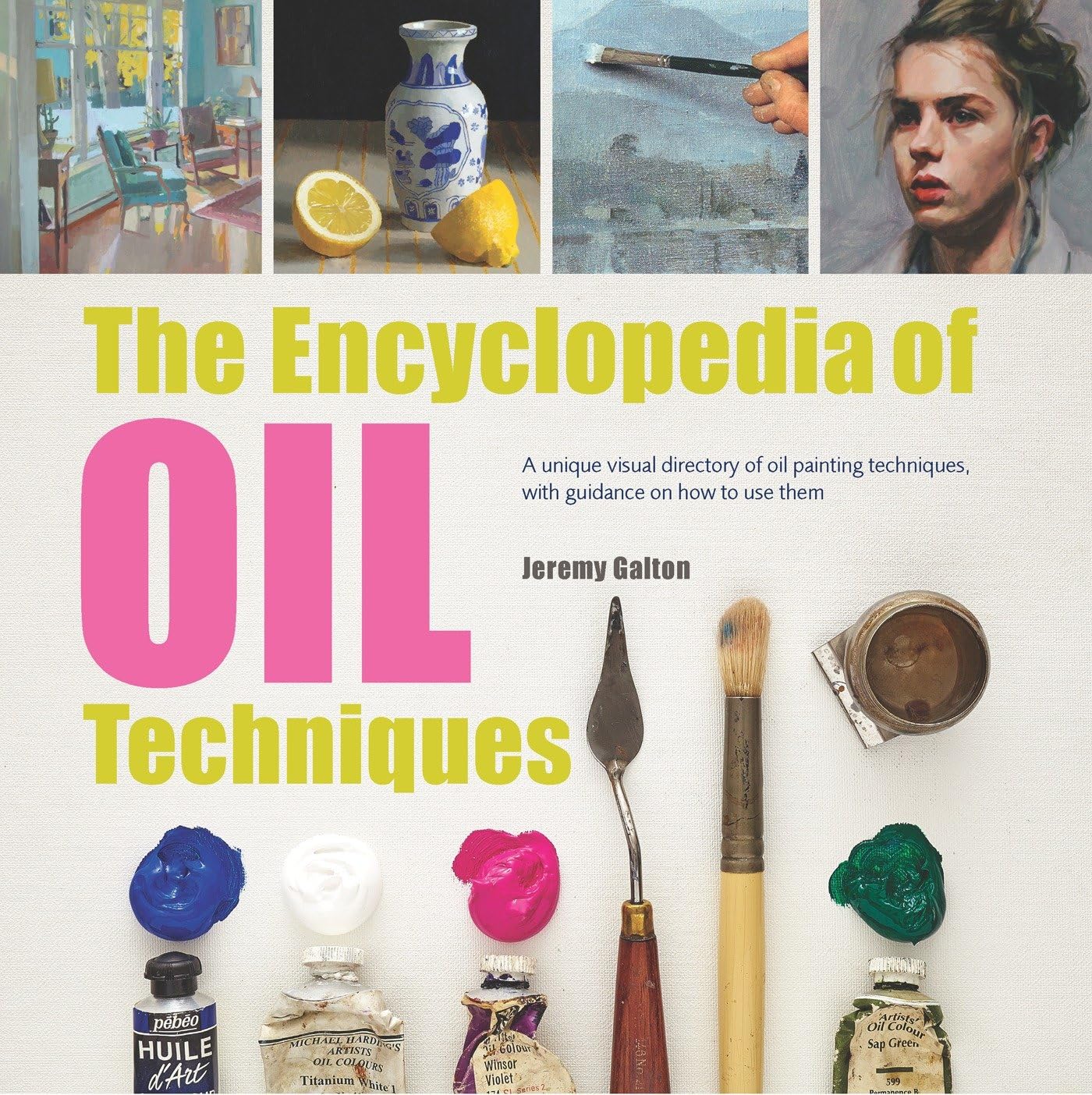
A visual directory of oil painting techniques with guidance on use. For professionals, it serves as a quick reference when experimenting with methods outside your usual practice. The listing appeared at two prices on our check date.
Best suited for: Painters who want a broad technique reference.
How We Chose These Books
We selected these titles from Amazon listings checked in October 2026 based on how closely their stated subjects match intermediate and advanced oil painting study, and how widely each is reviewed by Amazon buyers. Use Amazon’s preview to check that the content suits your level.
Common Mistakes to Avoid
- Choosing a class for the location. The instructor matters more than the venue.
- Taking classes below your level. Check prerequisites and past student work.
- Ignoring class size. Large groups mean little individual critique.
- Collecting methods without practice. Paint extensively after each class.
- Copying the instructor forever. Absorb the method, then make it your own.
- Skipping fundamentals. Drawing and value classes help even experienced painters.
FAQs
What kind of oil painting class is best for professionals?
Small, focused workshops with a working painter you admire, atelier programs for fundamentals, or online mentorships for ongoing critique, depending on your goal.
Are online oil painting classes worth it for advanced painters?
Yes, if they include detailed demonstrations and especially if they offer personal critique. Self-paced courses work best for disciplined painters.
How do I choose an oil painting instructor?
Look at their own paintings, their students’ work, class size and structure, and whether they teach from life.
How often should a professional take classes?
Many painters take one or two focused workshops a year and supplement them with critique groups or mentorship.
Do professionals still study fundamentals?
Yes. Drawing, values, edges and color temperature remain the foundation, and returning to them often breaks plateaus.
Can books replace oil painting classes?
Books are excellent for concepts and reference, but they cannot give critique. Combine both for the best results.
Final Recommendation
Choose a class format based on what you need most: a multi-day workshop with a painter you admire for a specific skill, an atelier program to rebuild fundamentals, a plein air workshop for freshness and speed, or an online mentorship for ongoing critique. Prioritize small groups, painting from life and an instructor whose work you genuinely want to learn from.
Between classes, keep learning with Oil Painting Secrets from a Master and Virgil Elliot’s Traditional Oil Painting, and add Haidee-Jo Summers or Suzanne Brooker if landscape is your focus.




