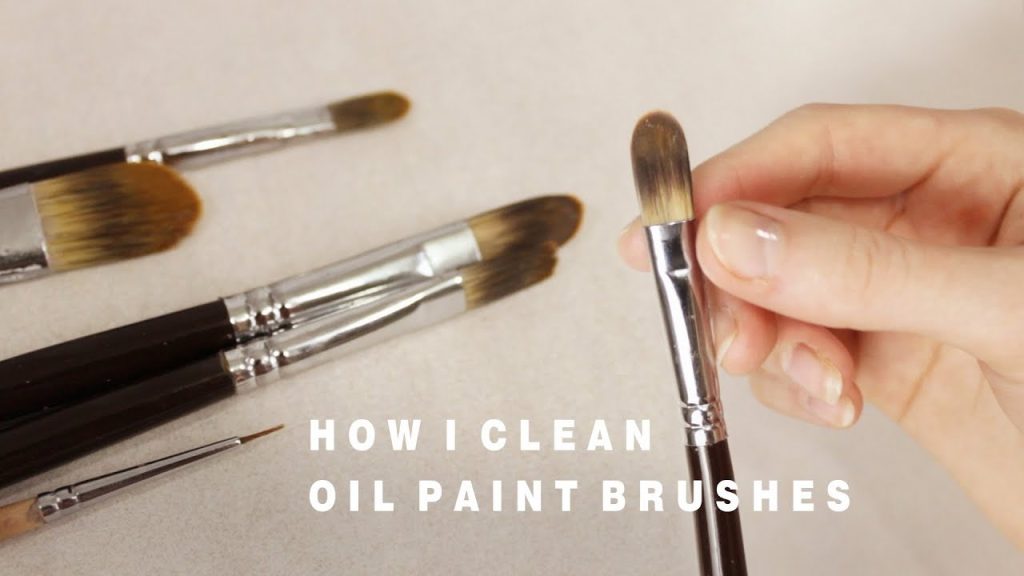
Quick answer: To clean oil paint brushes, wipe as much paint as possible onto a rag, swish the brush in odorless mineral spirits (or a vegetable oil if you prefer to avoid solvents), and wipe again. Then wash the brush with soap and lukewarm water, working the lather from the ferrule to the tip until it runs clear. Rinse, reshape and dry the brush flat. Clean at the end of every session; oil paint left overnight begins to harden in the heel.
Oil paint is slow to dry, which is one of its great strengths at the easel and one of its hazards in the brush jar. Because it does not dissolve in water, cleaning oil paint brushes is a two-stage job: first remove the paint with a solvent or oil, then remove the solvent and residue with soap. Skipping either stage leads to stiff, splayed brushes and contaminated colors.
This guide walks through cleaning during a session, the full end-of-day clean, solvent and solvent-free options, how to rescue a brush with dried paint, and the safety steps that matter most with oil painting materials.
How Oil Paint Behaves in a Brush
Oil paint does not dry by evaporation. The drying oil, usually linseed, safflower or walnut, reacts with oxygen and gradually hardens into a solid film. That process takes days to weeks for a painting, but the thin film of paint coating each bristle in the heel of a brush can stiffen much faster, often within a day or two.
Because oil and water do not mix, plain water cannot lift oil paint from a brush. You need either a solvent that dissolves the paint (such as odorless mineral spirits or turpentine) or an oil that dilutes it (such as safflower or another vegetable oil), followed by soap to emulsify and wash everything away.
What You Need
- Lint-free rags or heavy paper towels
- A lidded brush-washing jar, ideally with a coil or screen in the bottom so sediment settles beneath it
- Odorless mineral spirits (OMS) or another solvent of your choice, or a non-toxic vegetable oil for solvent-free cleaning
- Brush soap, a gentle bar soap or dish soap
- Nitrile gloves
- A metal can with a lid for used rags
Brushes with tight ferrules and resilient filaments survive repeated solvent cleaning far better than cheap ones. Our guide to the best oil painting brushes for beginners and beyond covers bristle and synthetic options that stand up to this routine.
How to Clean Oil Painting Brushes During a Session
Light cleaning while you paint keeps colors clean and makes the final clean much easier.
- Wipe first. Pinch the brush through a rag and draw it toward the tip to remove most of the paint.
- Rinse briefly in solvent. Dip the brush in your washing jar and gently work it against the coil or screen.
- Wipe again. Remove solvent and loosened paint with a clean part of the rag.
- Switch brushes instead of over-cleaning. Many oil painters keep separate brushes for lights and darks, which reduces how often they need to rinse.
Avoid leaving brushes soaking in solvent during a session. Long soaks can loosen ferrule glue and bend bristles resting on the bottom of the jar.
How to Clean Oil Paint Brushes After Painting: Step by Step
- Remove excess paint. Wipe each brush thoroughly on a rag or newspaper. The more paint you remove now, the less solvent you need.
- Solvent or oil wash. Swish the brush in mineral spirits or vegetable oil and gently press it against the coil in your jar. Wipe on a rag. Repeat until little color comes off.
- Soap wash. Wet the brush with lukewarm water and lather it on brush soap or bar soap. Work the lather into the hair with your fingers, especially near the ferrule.
- Check the lather. If it is colored, rinse and repeat. Some pigments, like phthalo blue or alizarin, may tint bristles permanently; this does not affect performance.
- Rinse thoroughly. Remove all soap and residue under lukewarm water.
- Reshape. Squeeze out excess water and shape the brush with your fingers. Some painters leave a light film of soap in the hair to hold the shape while drying, rinsing it out before the next session.
- Dry flat. Lay brushes flat or hang them tip-down. Store them upright only when fully dry.
Comparing Cleaning Agents for Oil Brushes
| Cleaner | How it works | Pros | Cautions |
|---|---|---|---|
| Odorless mineral spirits (OMS) | Dissolves oil paint | Effective, low odor, widely used | Still a solvent; ventilate and avoid skin contact |
| Gum turpentine | Dissolves oil paint | Strong solvent, traditional | Strong odor, more irritating; ventilate well |
| Citrus-based solvent | Dissolves oil paint | Pleasant smell for some | Can still irritate skin and lungs; check labels |
| Safflower or other vegetable oil | Dilutes paint so it can be wiped out | Solvent-free, low odor | Must be washed out fully with soap or it can gum up |
| Brush soap | Emulsifies oil and residue | Final cleaning and conditioning | Works best after most paint is removed |
| Dish soap | Emulsifies oil | Inexpensive and effective | Can dry natural bristles; condition occasionally |
How to Clean Oil Painting Brushes Without Turpentine
Many painters prefer to skip turpentine because of its odor and fumes. Odorless mineral spirits are a common lower-odor alternative. If you want to avoid solvents completely, vegetable oil works well:
- Wipe excess paint onto a rag.
- Work the brush in a small dish of safflower or another light vegetable oil.
- Wipe the oil and paint out onto a rag; repeat until clean.
- Wash with soap and water until no oil remains.
The key is the soap stage. Oil left in the bristles can slowly dry and stiffen the brush. For a full walk-through of solvent-free methods, read our guide on cleaning oil paint brushes without solvent.
How to Clean Oil Paint Off Brushes That Have Dried
If paint has hardened in the heel, the brush may still be saved.
- Soak the bristles in a commercial brush restorer or solvent, keeping the ferrule out of the liquid if possible. Suspend the brush so the tip does not rest on the bottom.
- Check periodically. Depending on how hard the paint is, this may take hours or overnight.
- Work the paint loose with your fingers or a brush comb, combing toward the tip.
- Wash with soap and water until clean.
- Reshape and dry. Repeat the soak if needed.
Brushes that remain splayed can still be used for scumbling, texture or applying grounds.
Setting Up a Two-Jar Solvent System
A simple two-jar setup uses less solvent and gives cleaner results.
- Jar one: dirty solvent. Use this for the first rinse after wiping. It removes most of the remaining paint.
- Jar two: clean solvent. Use this for a final rinse before the soap wash.
- Rotate as they settle. Over time, pigment sinks to the bottom of jar one. When the top layer looks clear, decant it into a clean container and let it serve as your new clean jar, while the old clean jar becomes the dirty one.
Using lidded jars with coils or screens keeps fumes down and stops brushes from stirring up settled sludge. Label each jar clearly so no one mistakes solvent for water.
Weekly Deep Clean and Conditioning
Even with careful daily cleaning, a small amount of paint can build up near the ferrule over time. Once a week, or after a heavy painting session, give your most-used brushes a deeper clean. Work brush soap into the heel and leave the lather in for 10 minutes, then massage gently and rinse. For hog bristle and natural hair, follow with a small amount of hair conditioner, rinsed out fully. Check each brush for a wobbly ferrule or stray hairs, and set aside any that are starting to lose their shape for scumbling and texture work.
Some painters also keep a jar of brush cleaning soap specifically formulated for oil paint, which tends to cut through drying oil residue better than general-purpose soap.
Cleaning by Brush Type
Hog bristle
Hog bristle is the traditional oil brush and tolerates solvents and soap well. Condition it occasionally with a small amount of hair conditioner, rinsed thoroughly, to keep the bristles from becoming brittle.
Synthetic brushes
Synthetic oil brushes clean easily and resist solvents. Avoid very hot water, which can distort the filaments.
Soft natural hair (sable, mongoose)
Soft hair used for glazing and detail is more delicate. Use gentle solvents or oil, mild soap and a light touch. Never leave these brushes soaking.
Safety: The Most Important Part of Cleaning Oil Brushes
- Dispose of oily rags safely. Rags soaked in linseed oil and some other drying oils can heat up as they oxidize and, in rare cases, ignite on their own. Lay used rags flat to dry outdoors, or store them in a sealed metal container filled with water, and dispose of them according to local rules.
- Ventilate. Use solvents in a well-ventilated room and keep containers closed when not in use.
- Protect your skin. Wear nitrile gloves when handling solvents and paints with toxic pigments, such as cadmiums or lead white.
- Never pour solvent down the drain. Let used solvent settle in a closed jar; the pigment sinks, and the clear solvent on top can be decanted and reused. Dispose of the sludge as hazardous waste through local collection programs.
- Keep solvents away from heat, flame and children.
Common Mistakes When Cleaning Oil Brushes
- Leaving brushes overnight without cleaning
- Rinsing in solvent but skipping the soap wash
- Letting brushes stand on their bristles in solvent jars
- Using hot water, which can loosen ferrule glue
- Throwing oily rags into a trash can
- Pouring used solvent down the sink
How to Use Oil Painting Brushes to Make Cleaning Easier
Good habits at the easel shorten clean-up. Load paint on the front half of the bristles, not up to the ferrule. Use a palette knife to mix colors rather than your brushes. Keep a dedicated brush for each value range or color family during a session. And wipe your brush on a rag between strokes rather than dunking it in solvent every time.
What brushes to use for oil painting if you want easy cleaning
Synthetic oil brushes are generally the easiest to clean and resist solvent damage. Hog bristle is durable and handles thick paint, while soft natural hair needs more careful handling. For a detailed look at one popular synthetic and bristle range, see our Princeton oil painting brush review.
One more habit worth adopting: label a dedicated set of oil brushes and never use them for water-based paints. Even after thorough cleaning, traces of oil can linger in bristle brushes, and those traces can repel watercolor or acrylic and cause uneven, beading strokes. Keeping separate sets also means each brush stays tuned to the paint it handles, which makes every clean-up faster and more predictable.
FAQs
How do you clean oil painting brushes?
Wipe off excess paint, swish the brush in mineral spirits or vegetable oil, wipe again, then wash with soap and lukewarm water until the lather runs clear. Rinse, reshape and dry flat.
Can you clean oil paint brushes with water?
Water alone will not remove oil paint because oil and water do not mix. Use a solvent or oil first, then soap and water to finish.
How do you clean oil painting brushes without turpentine?
Use odorless mineral spirits as a lower-odor solvent, or skip solvents entirely by working the paint out with vegetable oil and finishing with a thorough soap and water wash.
Can I leave oil brushes overnight without cleaning?
It is best to clean them the same day. If you must pause, wipe them thoroughly and wrap the bristles in plastic wrap or foil to slow drying, then clean them the next morning.
How do I dispose of oily rags safely?
Lay them flat to dry outdoors away from buildings, or store them in a sealed metal container filled with water, then dispose of them according to local regulations.
Can I reuse mineral spirits?
Yes. Let used spirits sit in a closed jar until the pigment settles, then pour the clear liquid into a clean container for reuse. Dispose of the sludge through a hazardous waste program.
Final Thoughts
Cleaning oil paint brushes takes two stages: dissolve or dilute the paint, then wash out every trace with soap. Add careful rag disposal and good ventilation, and your brushes will last longer while your studio stays safer. When you are ready to add or replace brushes, compare options in our guide to the top-rated oil painting brushes for every skill level.