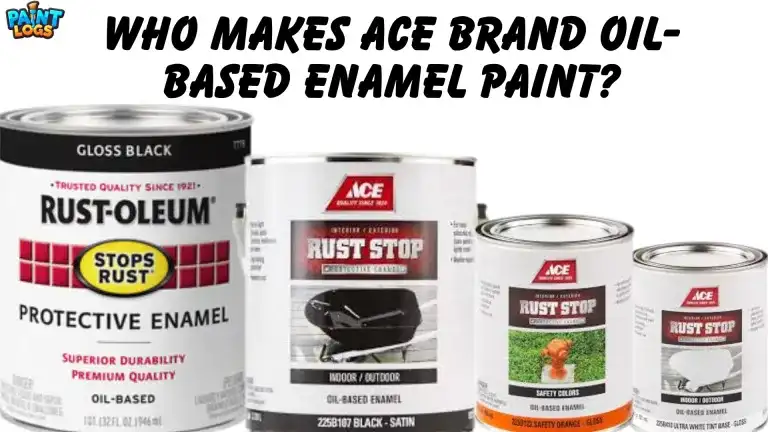
Ace brand oil-base enamel is made for Ace by Valspar, now Sherwin-Williams.
If you want the full story on who makes ace brand oil base enamel paint, you’re in the right place. I’ll break down the manufacturer, how private-label paint works, how to verify your can, and how this enamel performs in real jobs. Expect a clear, expert view with practical tips you can use today.
Why the Maker Matters Less Than the Label on Your Can
Knowing who makes Ace brand oil base enamel paint is a good starting point, but a manufacturer’s name does not tell you how a particular can will behave on your project. What matters at the point of use is the product type, the base or sheen, the recommended surfaces, the stated dry and recoat times and the safety statements. The sections below show you how to read those details and turn them into a plan, so the answer to the manufacturer question actually helps you finish a job well.
Who makes Ace brand oil base enamel paint?
Ace Hardware sells oil-base enamel as a private-label line. The product is produced under contract, not in an Ace-owned factory. Since a major supply agreement in the 2010s, Valspar has served as the primary manufacturer for Ace’s branded paints, including oil-base enamel. After 2017, Valspar became part of The Sherwin-Williams Company, which continues to produce these private-label coatings for Ace stores.
If you are asking who makes ace brand oil base enamel paint, the short, documented answer is Valspar, now operating under Sherwin-Williams. Safety Data Sheets and packaging fine print from multiple years confirm this relationship. Given private-label flexibility, production sites can shift, but the manufacturer of record ties back to Valspar/Sherwin-Williams.
For shoppers typing who makes ace brand oil base enamel paint into a search bar, you can rely on this: Ace is the brand, Valspar/Sherwin-Williams is the maker.
How private-label paint manufacturing works
Ace is a retailer. To offer consistent paint at value pricing, Ace contracts large, established paint makers. The manufacturer formulates, mixes, fills, and labels the product to Ace specs. The result is Ace-branded paint made in the same kind of facilities that produce major national brands.
This is why the answer to who makes ace brand oil base enamel paint can feel confusing. The can says Ace, but the true producer is the OEM behind the scenes. In this case, that OEM has been Valspar, now Sherwin-Williams, a global coatings leader with deep resin and pigment expertise.
How to verify the manufacturer on your can
If you want proof beyond this guide, check the can or the Safety Data Sheet.
Do this:
- Read the fine print near the UPC or ingredients. Look for “Manufactured for Ace Hardware Corp.” and a manufacturer of record, often Valspar or Sherwin-Williams.
- Scan the batch or lot code. Many codes reveal the plant. Your store’s paint desk can decode it.
- Pull the SDS online using the exact product name and color base. The SDS typically lists the legal manufacturer.
- Call Ace customer support with the SKU. Ask who makes ace brand oil base enamel paint for that specific SKU.
These steps help confirm who makes ace brand oil base enamel paint for the exact product in your hands, since labels and plants can change over time.
Product spotlight: Ace Rust Stop Oil Enamel
Within the Ace lineup, Rust Stop Oil Enamel is the workhorse for metal, doors, and machinery. It is an alkyd formula that lays down smooth, cures hard, and offers strong corrosion resistance when used over clean, prepped metal. In my projects, it has held up well on railings and exterior metal doors.
If you are comparing brands and still asking who makes ace brand oil base enamel paint, know that Rust Stop’s specs align with Valspar/Sherwin-Williams’ alkyd systems. Gloss retention and film toughness are in line with what I expect from a national manufacturer.
My hands-on results and pro tips
I have used Ace’s oil-base enamel on metal rails, a steel gate, and a garage service door. The finish leveled nicely and cured to a hard shell that resisted scuffs.
What worked well:
- Surface prep. I degreased, sanded to dull, and spot-primed rust with an oil-based metal primer.
- Thin coats. I applied two light coats, 24 hours apart, in dry weather.
- Brush choice. A quality natural-bristle or a solvent-safe foam brush reduced brush marks.
Mistakes to avoid:
- Rushing recoat. If you recoat too soon, you can trap solvents. Respect the recoat window.
- High humidity. It slows solvent release and can dull the finish.
- No primer on bare metal. Use a rust-inhibitive oil-based primer first.
If your goal is a smooth, durable finish and you wonder who makes ace brand oil base enamel paint that can deliver, this line has the backing of a top-tier manufacturer and it shows in application.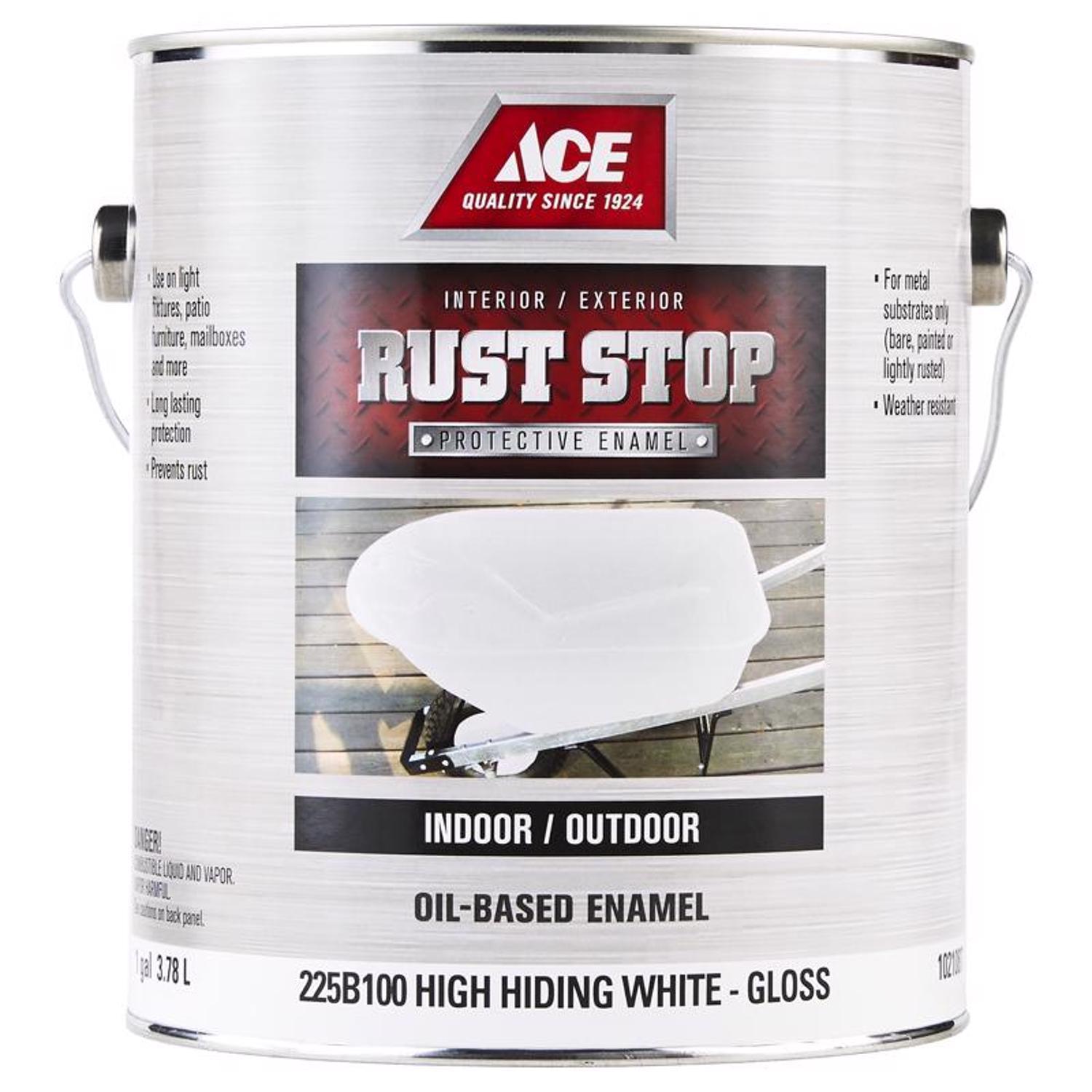
Performance, durability, and where it shines
Oil-base enamel shines where you need a hard, washable film. It is great for:
- Ferrous metal like railings, gates, and posts
- Exterior doors and trim that see frequent handling
- Utility equipment and shop fixtures
Strengths:
- Excellent leveling for a smooth finish
- Strong adhesion and chip resistance
- Solid corrosion resistance with proper primer
Trade-offs:
- Higher VOC than water-based paints, with regional restrictions in some states
- Longer dry and cure times
- Potential yellowing in low light, common to alkyds
If you’re weighing options and still thinking who makes ace brand oil base enamel paint, remember that performance data and SDS details match a Valspar/Sherwin-Williams lineage, which is a positive sign for durability.
How it compares to other options
When to choose Ace oil-base enamel:
- You want value with big-brand manufacturing quality
- You need high gloss and durability on metal
- You plan to spray or brush and want a forgiving flow
When to consider alternatives:
- You need ultra-low VOC or are in a solvent-restricted area
- You want fast recoat and low odor
- You need a color that only exists in another brand’s deck
Competitor picks include other oil-based enamels or modern waterborne alkyds that mimic oil behavior. But if your main query is who makes ace brand oil base enamel paint and whether it measures up, the manufacturer’s pedigree suggests you’re not giving up much in quality.
How to get the best results with Ace oil-base enamel
Prep steps that pay off:
- Clean with a degreaser until water sheets on the surface
- Sand to a uniform dull profile
- Remove rust to bare metal where possible
- Prime bare or rusted spots with an oil-based rust-inhibitive primer
Application tips:
- Stir well; do not shake to avoid bubbles
- If needed, thin sparingly with mineral spirits per label
- Maintain a wet edge and avoid over-brushing
- Allow full cure before heavy use
If you search who makes ace brand oil base enamel paint because you want consistent outcomes, pair this paint with the right prep and you’ll see the manufacturer’s quality come through.
How to read labels, SDS, and batch codes like a pro
Labels and SDS hold the keys to performance and compliance.
What to look for:
- Manufacturer or “Manufactured for” line to confirm who makes ace brand oil base enamel paint for that batch
- VOC content and regional compliance notes
- Recoat windows, cure time, and thinning limits
- Recommended primers and substrates
If you still wonder who makes ace brand oil base enamel paint after reading the can, the SDS will usually settle it. It often lists Valspar or The Sherwin-Williams Company as the responsible entity.
Safety, ventilation, and cleanup
Oil-base products require care.
Best practices:
- Ventilate well with cross-breeze or mechanical fans
- Wear gloves and a suitable respirator if needed
- Keep away from flames; store rags in a sealed metal container due to spontaneous combustion risk
- Clean brushes with mineral spirits and dispose of waste per local rules
For anyone asking who makes ace brand oil base enamel paint and whether it’s safe, the maker is a top-tier company with clear safety documentation. Follow the label and you will be fine.
Buying guide: pricing, colors, and availability
Ace’s oil-base enamel is often priced below big national labels sold elsewhere, while still using the same grade of manufacturing. Color selection covers core neutrals, safety colors, and popular door shades. Many Ace stores can tint certain bases, but check product-specific tint limits.
Before you buy, ask the paint desk:
- Is the sheen and base compatible with tint?
- What primer do you recommend for my surface?
- Can you share the SDS to verify who makes ace brand oil base enamel paint for this SKU?
These quick checks help you buy with confidence and confirm exactly who makes ace brand oil base enamel paint for your local inventory.
Oil-Base Enamel Versus Water-Based Alternatives
People often ask who makes Ace brand oil base enamel paint because they are deciding whether to stay with oil or switch to a waterborne product. The table below summarizes common trade-offs. Individual products differ, so always defer to the technical data sheet for the can you are holding.
| Consideration | Oil-base (alkyd) enamel | Water-based enamel |
|---|---|---|
| Clean-up | Mineral spirits or paint thinner | Soap and water |
| Odor and fumes | Stronger, needs good ventilation | Generally milder |
| Flow and leveling | Often smooth with fewer brush marks | Can show marks if overworked |
| Dry and recoat time | Typically longer | Typically shorter |
| Color retention | Whites can yellow in low light over time | Usually stays clearer |
| Regulatory limits | Restricted in some regions | Usually easier to buy everywhere |
How to Choose the Right Sheen and Color for Oil-Base Enamel
Gloss levels change both the look and the practical performance of a finish. High gloss reflects more light, is easy to wipe clean and emphasizes surface flaws. Semi-gloss and satin are more forgiving and often chosen for doors, trim and furniture. Flat finishes are rare in enamels because the purpose is usually a hard, washable film. When choosing, consider how much handling the surface will get, whether it is exposed to weather and how well the substrate has been prepared. If you are unsure, buy a small amount of the sheen you are considering and brush a test patch on a hidden area or scrap of the same material.
Color availability can depend on what the store can tint. Ask about base types and whether your chosen color is available in the oil-base line. For a close match to an existing finish, take a chip or a small removable part to the paint counter.
Estimating How Much Enamel You Need
Coverage varies with the product, the surface and how you apply the paint, so rely on the figure on the label rather than a rule of thumb. The general approach is simple:
- Measure the length and height of each surface and multiply to get square footage.
- Add all the areas together, then account for the number of coats you plan to apply.
- Divide by the coverage stated on the can, and round up to the next container size.
- Remember that porous or rough surfaces use more, and that primer is a separate purchase.
Buying slightly more than you need avoids a color mismatch between batches if you run short in the middle of a job. Keep any extra for touch-ups.
Common Oil-Base Enamel Problems and How to Fix Them
Brush marks and ridges
These often come from overworking the paint as it begins to set. Load the brush, lay the paint on with steady strokes and finish with light passes in one direction. Check the label for thinning guidance rather than guessing.
Runs and sags
Too much paint in one pass is the usual cause. Brush out drips while the film is wet, and apply thinner coats next time, especially on vertical surfaces.
Wrinkling
Wrinkles form when the surface skins over while the layer underneath is still soft, commonly because of a thick coat or poor drying conditions. Let it cure, sand smooth and recoat in thin layers.
Slow or tacky drying
Cool temperatures, high humidity and thick films slow down drying. Move the work to a dry, moderate space if possible and allow extra time before handling or recoating.
Poor adhesion or peeling
This points to a prep problem. Grease, dust, loose paint or rust beneath the enamel will undermine it. Strip back the affected area, clean, sand, prime appropriately and repaint.
Storing Leftover Oil-Base Enamel
Wipe the rim of the can before closing it so the lid seals tightly. Tap the lid down evenly with a rubber mallet rather than prying in a way that deforms it. Some painters store cans upside down for a short period to help seal the lid, but check any storage instructions on the label. Keep cans in a cool, dry place away from heat sources and out of reach of children, and write the date, color name and room or project on the lid. If a skin forms on top, cut around it and remove it, then strain the paint through a clean filter before use.
Disposal and Environmental Responsibility
Paint, thinner and solvent-soaked materials are generally treated as household hazardous waste. Do not pour them down drains or onto the ground. Let small amounts of leftover paint harden in a ventilated area away from children and pets, or take liquid paint to a household hazardous waste collection site. Rags and papers soaked with oil-based products can be a fire risk if left in a pile, so lay them flat outdoors to dry or place them in a sealed metal container filled with water, following local guidance. Contact your local waste authority for the rules where you live.
Questions to Ask at the Paint Counter
- Is this the right enamel for bare metal, previously painted surfaces or both?
- Which primer do you recommend, and is it sold in the same line?
- What are the recoat and cure times for this product?
- Are there any restrictions on solvent-based paint in my area?
- What thinner or cleaner is recommended for brushes and tools?
Staff can often check product data and help you confirm details that matter to your project. If you still wonder about the manufacturer behind a specific can, the label, batch code and safety data sheet are the sources to trust.
Frequently Asked Questions of who makes ace brand oil base enamel paint
Who actually manufactures Ace’s oil-base enamel?
Ace’s oil-base enamel is manufactured for Ace by Valspar, now part of The Sherwin-Williams Company. It is a private-label product made to Ace specifications.
How can I verify the manufacturer on my specific can?
Read the fine print on the label or pull the Safety Data Sheet online. The SDS usually lists Valspar or Sherwin-Williams as the responsible manufacturer.
Is Ace oil-base enamel as durable as national brands?
Yes, it holds up well when the surface is prepped correctly and primed. The film cures hard, resists scuffs, and protects metal from rust.
Can I use Ace oil-base enamel on wood doors and trim?
Yes, but prime first for best adhesion and stain blocking. Expect longer dry times and some yellowing in low light, which is normal for alkyds.
What thinner should I use with Ace oil-base enamel?
Use mineral spirits if the label allows thinning. Start with small amounts and follow the product’s instructions to avoid runs.
Does Ace offer low-VOC alternatives?
Many Ace stores also carry waterborne alkyds and other low-VOC paints. Ask your local store for options that meet your area’s regulations.
Can I spray Ace oil-base enamel?
Yes, with proper thinning and the right tip size. Always follow label guidance and practice on scrap to dial in the fan and flow.
Conclusion
Ace brand oil-base enamel paint is an Ace private label produced by Valspar, now Sherwin-Williams. You get the value of a store brand with the strength of a top-tier manufacturer. With smart prep, the right primer, and patient dry times, you can achieve a smooth, tough finish that lasts.
Put this guide to work on your next railing, door, or metal project. If you still have questions, visit your local Ace, ask to see the SDS, and confirm the manufacturer on your exact can. Want more tips like this? Subscribe, share your project wins, or drop a question in the comments.