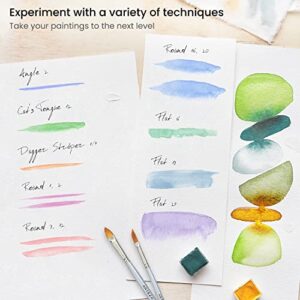
Oil painting dries slowly, letting artists blend colors and build luminous layers.
If you have wondered which sentence correctly describes an aspect of oil painting, you are in the right place. I have spent years in the studio testing paints, mediums, and methods. In this guide, I will show, with clear examples, how to judge which sentence correctly describes an aspect of oil painting, why it matters, and how to apply the truth on your canvas.
How to spot a correct sentence about oil painting
To decide which sentence correctly describes an aspect of oil painting, look for simple, testable facts. A correct sentence matches real studio practice and basic material science. It does not overreach, and it does not ignore safety or care.
Use this quick check:
- Does the claim match how oil paint behaves in real time?
- Can you test it in a small study or find a conservation note that backs it?
- Does it account for variables like pigment, oil type, and ground?
- Is the wording clear and free of hype or vague terms?
- Could the claim harm your painting or your health if wrong?
When a student asks which sentence correctly describes an aspect of oil painting, I start with these checks. They keep us honest and help build trust with the medium.

Core facts every oil painter agrees on
If you want to judge which sentence correctly describes an aspect of oil painting, learn the core truths first. These are the bedrock of safe, strong, and beautiful work.
Drying and curing
Oil paint does not dry by simple evaporation like water. It cures by oxidation and polymerization. This slow cure can take weeks or months, depending on pigment, oil type, and film thickness.
Fat over lean
Each new layer should have a bit more oil than the one under it. This reduces stress and helps prevent cracking. Add a small amount of oil or medium as you build layers.
Blending, glazing, and impasto
Oil paint stays open longer, so blending is smooth and gentle. Thin, transparent glazes can add depth and glow. Thick impasto holds a stroke and needs more time to cure.
Supports and grounds
Canvas or panel should be sealed and primed. Acrylic gesso works for most work. Oil grounds give a slick feel and a long, rich glide.
Mediums and solvents
Solvents like odorless mineral spirits thin paint and clean tools. Use good airflow. Oil and alkyd mediums change flow, gloss, and speed. Alkyd can speed cure and help layers set.
Varnish and longevity
A final varnish can even out gloss and add protection. Wait until the painting is fully cured. Test a small area first.
These facts help answer which sentence correctly describes an aspect of oil painting in a clear, stable way. They also guide safe habits in the studio.

Examples: correct vs. incorrect sentences
Here are fast examples you can use to judge which sentence correctly describes an aspect of oil painting.
Correct:
- Oil paint cures by oxidation, so thick layers can take months to set.
- The fat-over-lean rule reduces the risk of cracking in layered work.
- Linseed oil tends to yellow more than safflower oil in low light.
- Glazing works best with transparent pigments and thin, even films.
- Alkyd mediums can speed drying without adding much solvent.
Incorrect:
- Oil paint dries only because the solvent evaporates.
- You can ignore fat over lean if you varnish soon after painting.
- All white oils yellow the same, so the oil choice does not matter.
- Thick impasto will dry as fast as a thin glaze if you use more solvent.
- Acrylic paint can be mixed into oil paint in the same layer.
When a quiz asks which sentence correctly describes an aspect of oil painting, use the core facts and these examples to screen the options fast.
Why these details matter in the studio
These facts are not trivia. They shape the look and life of your art. When you know which sentence correctly describes an aspect of oil painting, you save time, money, and stress.
From my own bench:
- I once skipped fat over lean on a deadline. The top layer wrinkled in a week. Since then, I add oil in tiny steps as I stack layers.
- I switched to an alkyd medium for cold studio days. Glazes set overnight, so I could add detail the next morning.
- On a warm day, I tried heavy impasto with a fast-drying earth color. It skinned on top but stayed soft under. I now keep thick areas thin at first, then build.
Practical tips:
- Make a drying test chart with your main pigments and mediums.
- Keep notes on oil type, brand, and mix. Small changes matter.
- Ventilate well. I use a fan near a window and a closed metal can for rags.
Knowing which sentence correctly describes an aspect of oil painting helps you plan, avoid cracks, and get the finish you want.
How to judge sources and claims
You will see many claims online. To decide which sentence correctly describes an aspect of oil painting, build a simple filter.
Follow these steps:
- Cross-check the claim with at least two independent sources.
- Favor museum conservation notes and technical sheets from paint makers.
- Test on a small panel. Let it sit for two weeks and watch for issues.
- Learn the basics of drying oils, pigments, and grounds. This gives context.
- Track results in a notebook. Your studio is a small lab.
This method turns “which sentence correctly describes an aspect of oil painting” from a guess into a careful decision backed by evidence and practice.
Quick study guide and mini quiz
Use this mini quiz to train your eye. Pick which sentence correctly describes an aspect of oil painting in each pair.
Pair 1
- Oil paint cures by reacting with oxygen over time.
- Oil paint dries when all the water leaves the film.
Pair 2
- Add a bit more oil in each layer to reduce stress.
- Add more solvent in each layer to reduce stress.
Pair 3
- Transparent pigments are ideal for glazing and optical depth.
- Opaque pigments are always best for glazing.
Pair 4
- Thick impasto can skin on top before the underlayer sets.
- Thick impasto always dries evenly through the whole layer.
Pair 5
- Odorless mineral spirits still need good airflow and care.
- Odorless mineral spirits are safe in any closed room.
Answer key
- Pair 1: First sentence is correct.
- Pair 2: First sentence is correct.
- Pair 3: First sentence is correct.
- Pair 4: First sentence is correct.
- Pair 5: First sentence is correct.
Keep this handy when a test asks which sentence correctly describes an aspect of oil painting. It builds fast, reliable judgment you can use in class and in the studio.
Frequently Asked Questions of which sentence correctly describes an aspect of oil painting
What makes a sentence “correct” about oil painting?
It matches core material facts and real studio results. It is specific, safe, and easy to test.
Does oil paint dry by evaporation like acrylic?
No. Oil paint cures by oxidation and polymerization, not by water loss. This is why it stays workable longer.
Is the fat-over-lean rule always required?
For layered work, yes. The rule reduces stress and cracking as the painting ages.
Can I mix oil and acrylic in one layer?
Do not mix them wet-in-wet. You can paint oil over a fully dry acrylic ground, but not the other way.
Are solvents required to paint in oils?
No. You can use oil-only or alkyd mediums and wipe brushes with oil, then soap. Still, keep good airflow if you use any solvent.
Conclusion
Now you can spot which sentence correctly describes an aspect of oil painting with confidence. Learn the core facts, test small, and keep clean, simple notes. These habits protect your art and make your process calm and clear.
Apply one tip today. Make a small chart that tests drying and glaze flow. If this guide helped, subscribe for more studio-safe tips, share it with a friend, or ask a question in the comments.