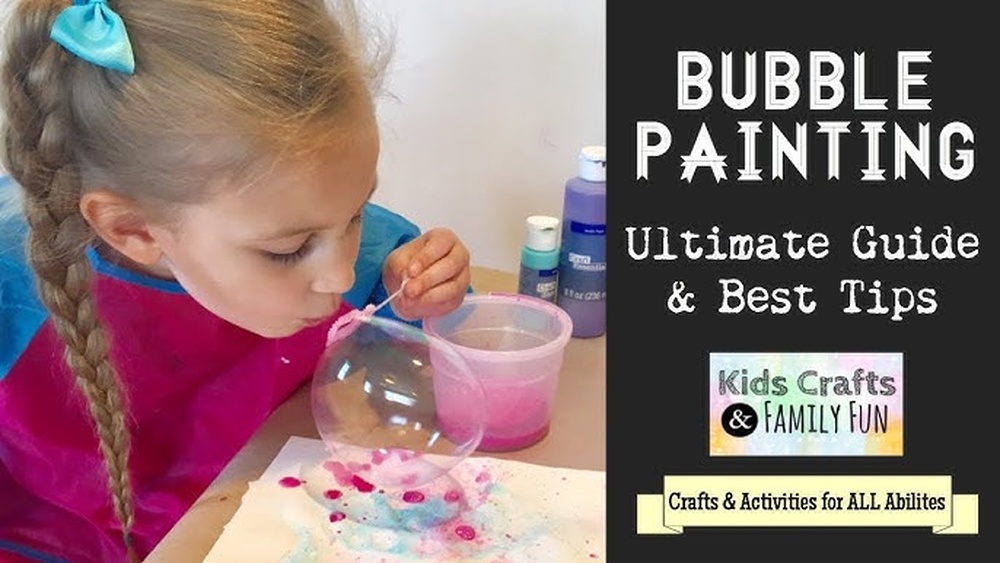
Bubble painting is one of the most delightful and colorful art activities for children. It combines the playful excitement of blowing bubbles with the creativity of painting. Kids watch in wonder as bubbles pop on their paper, leaving behind unique patterns and swirls of color.
This fun process is not only entertaining but also encourages creativity and fine motor skills. If you want to bring more art and magic into your home or classroom, bubble painting is a perfect choice.
Parents and teachers sometimes hesitate because they are unsure about the mess or how to get good results. But with the right steps and a few smart tips, bubble painting can be a simple, joyful experience for everyone. In this guide, you’ll learn exactly how to do bubble painting with kids, what supplies you need, and how to ensure safety and success.
Whether you’re planning a rainy day activity or an art lesson, this article will help you create memorable moments filled with color and fun.
What Is Bubble Painting?
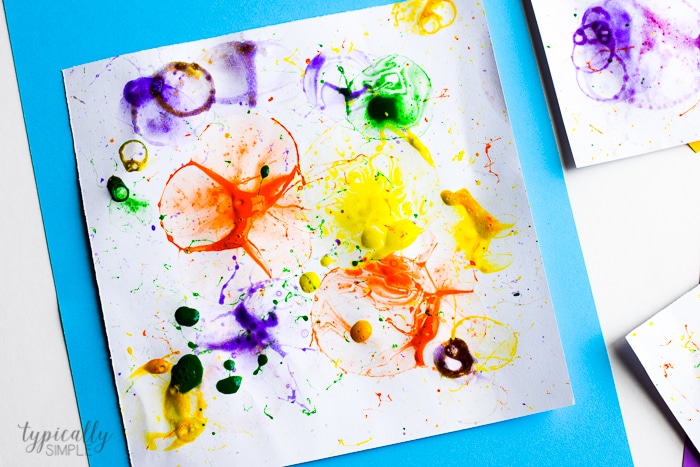
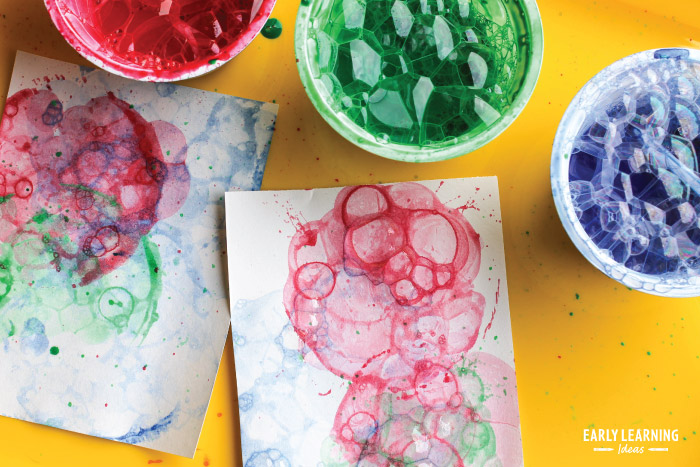
Bubble painting is an art technique where children use colored bubbles to make designs on paper. When a bubble lands and pops, it leaves a ring or splash of color. The overlapping circles and bursts create beautiful, abstract patterns. Unlike traditional painting, the results are always a surprise, and no two pictures are ever the same.
Kids especially love this activity because it combines blowing, watching, and painting all at once. It’s also a great way to introduce young children to basic science concepts, like how bubbles form and pop, while making art.
Essential Supplies For Bubble Painting
To get started with bubble painting, you’ll need a few simple items. Most of these can be found at home or in a local store. Here’s what you’ll need:
- Bubble solution – You can use store-bought bubble mix or make your own.
- Liquid watercolors or food coloring – For bright, visible colors.
- Plastic cups or bowls – For mixing the bubble paint.
- Straws – For blowing bubbles.
- Thick paper – Watercolor paper or card stock works best because it absorbs color without tearing.
- Old clothes or aprons – Bubble paint can stain, so protect clothing.
- Table cover or tray – To keep things clean and easy to tidy up.
- Paper towels or wipes – For quick cleanups.
Optional Supplies
- Stencils for shaped bubble prints.
- Glitter for extra sparkle.
- Paintbrushes for adding details later.
Pro Tip: Use non-toxic, washable colors and bubble solutions designed for kids. Safety is always more important than bright colors.
How To Make Bubble Paint
You can buy pre-made colored bubbles, but making your own is simple and cheaper. Here’s a basic recipe for homemade bubble paint:
- Pour about 1/4 cup of bubble solution into a plastic cup.
- Add 1–2 teaspoons of liquid watercolor or several drops of food coloring.
- Stir gently with a straw or spoon.
- Repeat with different cups for each color you want.
If you don’t have bubble solution, mix 2 tablespoons of dish soap, 1/2 cup water, and a few drops of glycerin (optional) for stronger bubbles.
Choosing The Right Colors
Bright, high-contrast colors work best. Try red, blue, yellow, and green for bold effects. If you want softer, pastel colors, add more water or use less coloring. Mixing two colors can also create surprising shades when bubbles pop and overlap.
Step-by-step Guide To Bubble Painting
Ready to begin? Here’s a simple guide to make your first bubble painting activity a success:
- Set up your workspace. Cover the table with plastic or old newspapers. Set out cups of bubble paint, paper, and straws.
- Show kids how to dip and blow. Dip a straw into a cup of bubble paint, then blow gently to make bubbles rise above the rim.
- Catch the bubbles on paper. Gently lay a piece of thick paper over the bubbles. The bubbles will pop and leave colorful marks.
- Repeat with different colors. Use fresh paper or layer colors on the same sheet for interesting effects.
- Let artwork dry. Place finished pieces on a flat surface to dry completely.
Important: Teach kids to blow through the straw, not suck. For young children, poke a hole near the top of each straw (above the liquid line) to prevent accidental sipping.
Practical Tips For Bubble Painting Success
Even though bubble painting is easy, a few smart tips can make the process smoother and more fun:
- Use thicker paper to avoid tears or sogginess.
- Test your bubble paint on a scrap paper before starting the main artwork.
- If bubbles don’t pop easily, gently tap them with a finger or straw.
- Experiment with different blowing speeds—slow blows make bigger bubbles, fast blows make small ones.
- Let kids wear old T-shirts so you don’t worry about stains.
- If painting outside, pick a wind-free day so bubbles don’t fly away.
Non-obvious insight: The temperature and humidity of the room can affect how bubbles form and pop. Cooler rooms with moderate humidity give you longer-lasting bubbles for larger prints.
Comparing Paint Types For Bubble Painting
Choosing the right colorant can change your results. Here’s a simple comparison of the most common options:
| Colorant | Brightness | Washability | Safety for Kids |
|---|---|---|---|
| Liquid Watercolors | High | Easy to wash | Very safe (non-toxic) |
| Food Coloring | Medium to high | Can stain skin | Safe but stains |
| Tempera Paint (watered down) | Medium | Easy to wash | Safe with supervision |
For most families, liquid watercolors give the best balance of color, safety, and cleanup.
Credit: typicallysimple.com
Creative Bubble Painting Ideas
Bubble painting is more than just popping bubbles on paper. Try these creative twists to expand the fun:
- Make bubble-painted birthday cards or bookmarks.
- Cut the dried artwork into shapes for a collage.
- Use stencils to guide where bubbles should land.
- Add glitter to wet bubble prints for extra sparkle.
- Layer different colors to create rainbow effects.
Older children can use bubble painting as a background for drawings or to decorate notebooks. The abstract patterns make every project unique.
Common Mistakes And How To Avoid Them
Bubble painting is easy, but a few things can go wrong. Here’s how to avoid the most common mistakes:
- Thin or wrinkled paper: Use heavy paper so it doesn’t get soggy.
- Colors too pale: Add more coloring or use less water.
- Bubbles don’t pop: Wait a few seconds or gently tap them.
- Children suck up paint: Remind them to blow, not sip. Make a hole in the straw as a safety step.
- Bubble stains: Keep wipes nearby and have kids wear old clothes.
One thing many parents don’t realize is that bubble paint can stain some surfaces. Always cover your workspace and clean up spills quickly.
Safety Tips For Bubble Painting
While bubble painting is safe, it’s important to supervise young children. Here are essential safety guidelines:
- Use non-toxic, child-safe materials only.
- Supervise at all times, especially with younger kids.
- Remind children to blow out through the straw, not in.
- Don’t let kids put colored bubbles in their mouth or eyes.
- Clean hands after painting.
If your child has sensitive skin, test a small amount of bubble paint on their hand before starting.
Benefits Of Bubble Painting For Kids
Bubble painting is not just fun—it’s educational and develops important skills:
- Fine motor skills: Blowing and holding straws strengthens hand and mouth muscles.
- Creativity: Kids experiment with colors and patterns.
- Science learning: Children see cause and effect when bubbles pop and colors mix.
- Sensory exploration: The feel, sound, and look of bubbles engage the senses.
A less obvious benefit: Children who are hesitant with traditional painting often love bubble painting because the process feels more like play than work.
Credit: earlylearningideas.com
Cleaning Up After Bubble Painting
Clean-up is simple if you plan ahead:
- Dispose of leftover bubble paint in the sink with plenty of water.
- Wipe tables and chairs with soapy water.
- Wash hands and faces with mild soap.
- If using washable colors, soak stained clothes in cold water before regular washing.
If you painted outside, a quick spray with the garden hose can clean up most messes.
Comparing Indoor And Outdoor Bubble Painting
Should you do bubble painting indoors or outdoors? Here’s a quick look at the pros and cons:
| Location | Pros | Cons |
|---|---|---|
| Indoors | Weather-proof, easy to supervise | More mess risk, need to cover surfaces |
| Outdoors | Easy cleanup, more space | Wind can blow bubbles, weather limits use |
For large groups or parties, outdoor bubble painting is usually best. For quiet, focused sessions, indoors works well if you protect your space.
Bubble Painting For Different Age Groups
Bubble painting can be adapted for toddlers, preschoolers, and older children:
- Toddlers (2–3 years): Use large straws and simple colors. Supervise closely.
- Preschoolers (4–5 years): Let them choose colors and make their own designs.
- School-age kids (6+): Encourage experiments with stencils, layering, and adding details.
Older kids can even use bubble painting as a science experiment—testing how different soaps or bubble mixtures affect their art.
Linking Bubble Painting To Learning
Bubble painting isn’t just fun—it can fit into art, science, and even language lessons. Teachers often use bubble painting to teach:
- Color mixing (primary and secondary colors)
- Shape recognition (circles, patterns)
- Process art (focusing on the steps, not the final result)
- Describing art (using simple language to talk about patterns and colors)
If you want more scientific background on how bubbles work, you can check resources like the Scientific American website.

Credit: artful-kids.com
Frequently Asked Questions
What Age Is Best For Bubble Painting?
Bubble painting is great for kids aged 2 and up. Younger children need close supervision, but even toddlers can enjoy watching and helping. School-age kids love to experiment with colors and designs.
Can I Use Regular Paper For Bubble Painting?
Regular printer paper can work, but it may tear or wrinkle when wet. Watercolor paper or card stock is better because it’s thicker and holds up to the moisture.
Is Bubble Painting Messy?
Bubble painting can get messy, especially with lots of colors. Protect surfaces and clothing. Most stains will wash out, but it’s best to use washable paints and wear old clothes.
Can You Save Bubble Paintings?
Yes, once dry, bubble paintings can be cut, framed, or used for crafts. Store them flat to keep them from curling. You can also scan or photograph the artwork to save digitally.
What If My Child Doesn’t Like To Blow Bubbles?
If a child is uncomfortable blowing through a straw, try a bubble wand or a pipette. You can also blow the bubbles for them and let them place the paper on top.
Bubble painting is a joyful, easy activity that sparks creativity and wonder. With a little preparation and these tips, you’ll create colorful memories your kids will treasure. Give it a try—you’ll be amazed at the beautiful art your children can make with just bubbles and color.