Clean or seal the brush; wrap, bag, or refrigerate to prevent drying.
If you paused mid-project and wondered what to do with paint brush between coats, you are in the right place. I’ve coached crews and DIYers through thousands of coats. In this guide, I share proven methods that keep bristles soft, edges sharp, and color clean. You will learn exactly what to do with paint brush between coats for fast, flawless results with zero mess.
Why caring for your brush between coats matters
Wet paint starts to skin fast. Air, heat, and sun make it worse. If your brush dries even a little, you get drag marks, bristle splay, and rough edges. That costs time and ruins the finish.
Water-based paints need 2 to 4 hours between coats. Oil-based paints need 6 to 24 hours. Managing the pause is key. That is why knowing what to do with paint brush between coats is so important for a pro-level finish.

Best methods for short breaks under one hour
You can pause without washing the brush. Keep air out and paint fresh. Here is what to do with paint brush between coats when your break is short.
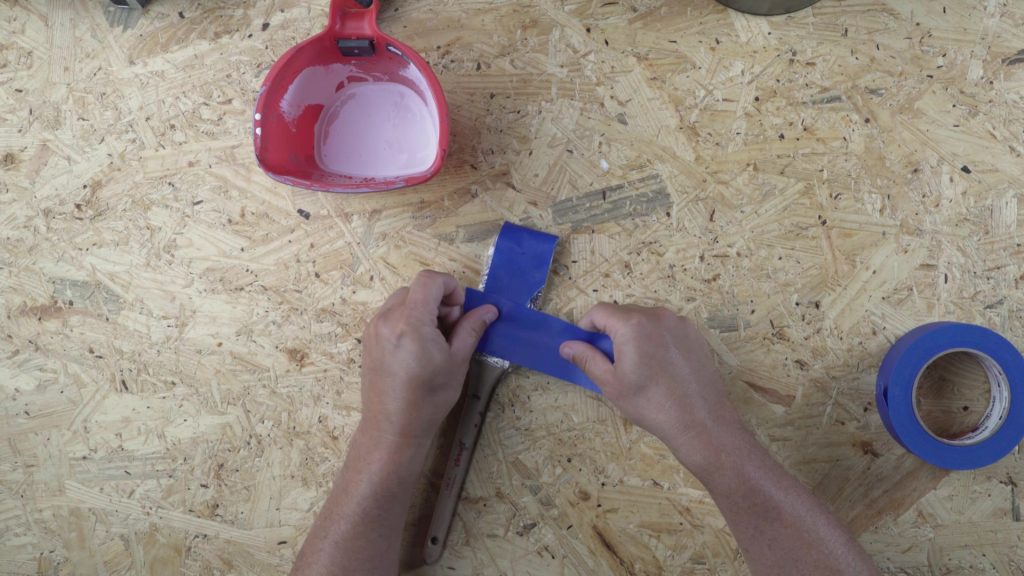
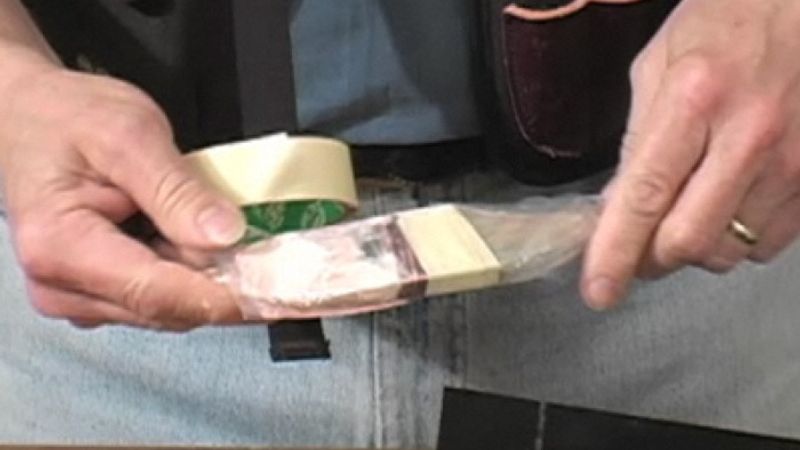
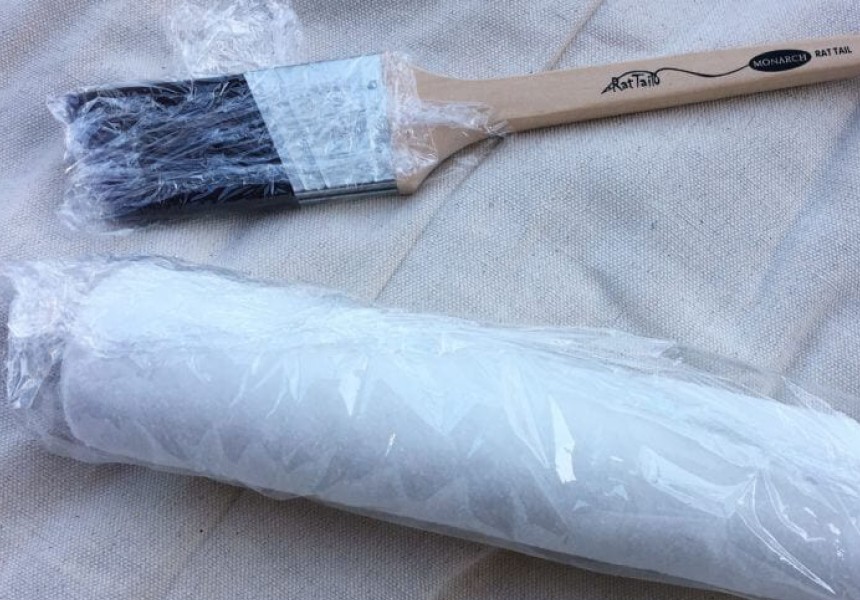
- Wrap the brush head tight in plastic wrap or foil. Push out all air.
- Seal in a zip-top bag. Press the bag to the bristles to remove air.
- For latex paint, place a damp paper towel inside the wrap. Keep it moist, not wet.
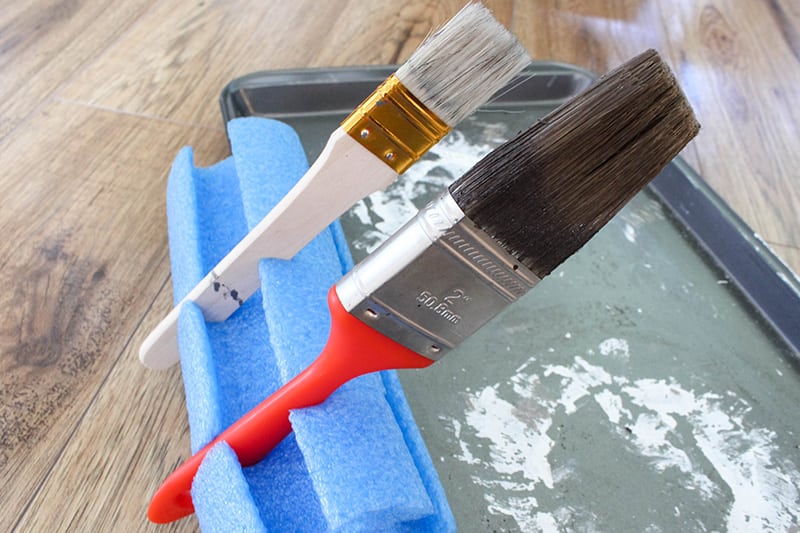
- Rest the brush flat or hang it by the handle. Do not crush bristles.
- Shade the brush from sun and heat. A cool spot slows drying.
I use this wrap-and-bag method for lunch breaks. It keeps the brush ready to roll. It is the easiest way to handle what to do with paint brush between coats without a full clean.

Better methods for longer breaks of 1 to 24 hours
Long breaks need a better seal. Here is what to do with paint brush between coats when you stop for the day.
- Seal the brush in a heavy zip-top bag. Squeeze out air and double-bag if needed.
- For latex paints, store in the fridge for up to 24 hours. Let it warm 10 minutes before painting.
- For oil-based paints, do not refrigerate. Wrap the head in solvent-safe plastic, then bag it. Keep away from flames.
- Hang the bagged brush by the handle so the bristles keep their shape.
- Label the bag with paint type and color. That avoids mix-ups later.
Cooling slows solvent loss and skinning. Many paint makers support this approach. It is a safe, smart plan for what to do with paint brush between coats when time stretches out.

When you should fully clean between coats
Sometimes storage tricks are not enough. If the next coat is tomorrow or later, clean the brush. This protects the tool and the finish.
- For latex or acrylic paint, wash with warm water and mild soap. Rinse until water runs clear.
- For oil or alkyd paint, use mineral spirits or a low-odor thinner. Comb the bristles clean.
- Spin or shake out water. Shape the bristles straight. Wrap the head in paper to hold shape.
- Dry flat or hang by the handle.
A clean brush lays down smoother coats and stays true to color. This is the most reliable version of what to do with paint brush between coats when you wait more than a day.
Step-by-step: exact workflows by paint type
Use these quick paths to master what to do with paint brush between coats for each paint.
Latex and acrylic paint
- Break under 1 hour: Wrap tight, bag, and shade.
- Break 1 to 24 hours: Wrap, bag, refrigerate, then warm up before use.
- Break over 24 hours: Wash, rinse, spin dry, shape, and store.
Oil and alkyd paint
- Break under 1 hour: Wrap in solvent-safe plastic and bag.
- Break 1 to 24 hours: Wrap, bag, hang in a cool spot. Do not refrigerate.
- Break over 24 hours: Clean with mineral spirits, comb, spin, shape, and store.
These steps keep bristles lively and the finish smooth. Follow them every time you face what to do with paint brush between coats.
Tools and supplies that make it easier
The right gear saves time and money. These items help you handle what to do with paint brush between coats like a pro.
- Heavy-duty zip-top bags in quart and gallon sizes
- Plastic wrap or aluminum foil
- Brush comb and brush spinner
- Mild dish soap, mineral spirits, or low-odor thinner
- Nitrile gloves and labeled storage clips
- Painter’s tape to mark brush, room, and color
Good tools reduce cleanup. They also protect the bristle tip, which is key for clean lines.
Common mistakes to avoid
Avoid these pitfalls when deciding what to do with paint brush between coats.
- Do not leave the brush standing in paint. It bends bristles and wicks paint into the ferrule.
- Do not let sun or heat hit a wrapped brush. It cooks the paint and hardens tips.
- Do not mix solvents. Keep latex and oil brushes and bags separate.
- Do not crush the bristles under weight. Shape matters for the next coat.
- Do not store near flames or heaters. Solvent vapors can ignite.
If a brush feels stiff, comb it under the right cleaner. Then test on a scrap board before you touch the wall.

My field-tested pro tips
These small habits pay off. They are simple fixes for what to do with paint brush between coats.
- Keep two brushes per color. Rotate while one rests bagged and cool.
- Use a brush keeper cup if you have one. It seals air and suspends the head.
- Condition natural bristle brushes with a touch of linseed oil after cleaning oil paint.
- Wipe the heel of the brush every 10 minutes. That stops paint from creeping too deep.
- Set a timer for recoat. Label the bag with the time you paused.
These tips prevent drag and hold a crisp line. They also extend the life of your best brushes.

Environmental and safety reminders
What to do with paint brush between coats also includes safe handling. Respect the space and your health.
- Ventilate during cleaning and painting. Open windows or use a fan that vents out.
- Store solvent-soaked rags in a sealed metal can. They can self-heat and burn.
- Never pour solvents down the drain. Use a local hazardous waste drop-off.
- Decant and reuse mineral spirits. Let solids settle, then pour off the clear top.
- Wear gloves and eye protection when cleaning or spinning.
These steps match common safety guidance from paint and safety groups. Use them every job.
Troubleshooting: stiff, gummed, or frayed brushes
Even with care, things happen. Here is how to recover fast, and how it ties to what to do with paint brush between coats.
- If the tip is stiff: Soak only the bristles in the correct cleaner for 10 minutes. Comb out and rinse.
- If paint reached the ferrule: Work cleaner deep with a comb. Repeat soak and wipe until clear.
- If bristles splay: Warm water for latex or a small touch of solvent for oil. Shape and wrap to set.
If the brush will not recover, retire it to primers or rough work. Keep your best brush for finish coats.
Frequently Asked Questions of what to do with paint brush between coats
How long can I leave a paint brush wrapped between coats?
Up to 1 hour at room temp is safe with a tight wrap. For longer, bag it and refrigerate for latex or keep it cool for oil.
Is the fridge method safe for latex paint?
Yes. Store a sealed brush for up to 24 hours. Let it warm before painting to avoid condensation.
Should I ever freeze a paint brush with paint on it?
No. Freezing can damage bristles and affect paint binders. Use refrigeration for latex only, never freeze.
Do I need to clean a brush if waiting until tomorrow?
If it is latex, you can bag and refrigerate overnight. If it is oil-based, cleaning is safer unless the pause is very short.
Can I leave my brush in water or thinner between coats?
Avoid soaking the whole brush. It bends bristles and draws liquid into the ferrule, which causes swelling and damage.
What if the brush dried a little before the next coat?
Use the right cleaner, soak the tips, and comb out. Test on scrap; if drag remains, clean again or switch brushes.
Will plastic wrap react with oil-based paint?
Use solvent-safe plastic or foil. Double-bag and keep away from heat to prevent issues.
Conclusion
Keeping a brush perfect between coats is simple: block air, control temp, and clean when the pause is long. With a tight wrap, a sealed bag, and smart storage, you will save time and get a smooth, pro finish every job. Now that you know what to do with paint brush between coats, set up your kit and put these steps to work on your next project.
Ready for more tips? Subscribe for weekly how-tos, or drop a question in the comments so I can help you dial in your setup.