Acrylic paint thinner reduces viscosity while preserving color, flow, and finish.
You lay down a brushstroke and it drags. Edges look chalky. Your airbrush spits. Or your acrylic pour cracks before it levels. If you paint with acrylics, you know the frustration. The right acrylic paint thinner turns thick, stubborn paint into a smooth, obedient medium that glides, levels, and sprays like a dream. In this guide, I break down what matters, how each option behaves, and which bottle belongs in your cart for brush work, airbrushing, and pours. I tested, compared, and noted the small differences that make a big impact on your art.

MONT MARTE Premium Acrylic Flow…
Use this acrylic pouring medium to thin acrylic paints and mediums, or to dilute binders Increases the translucency of acrylic paints without effecting their colour intensity and vibrancy Enhances the…
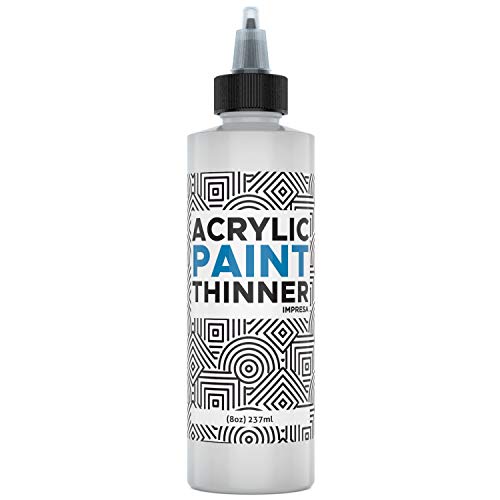
IMPRESA Acrylic Paint Thinner &…
Enhance Acrylic Techniques: IMPRESA Acrylic Paint Thinner & Mixing Medium optimizes paint by number projects by improving coverage and blending. This acrylic paint retarder maintains slow drying properties, ideal for…
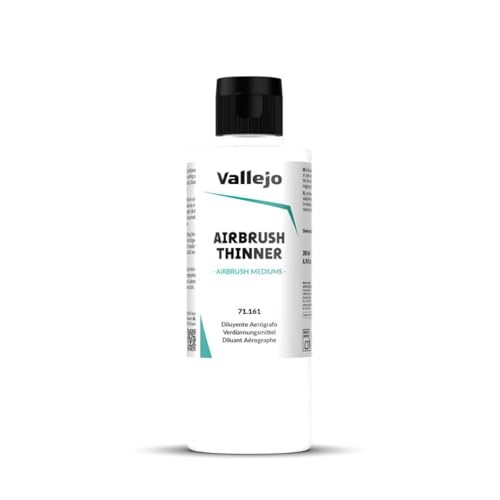
Vallejo – Airbrush Thinner for…
Airbrush thinner has been specifically developed for acrylic paints with airbrush application in mind. This thinner optimizes the fluidity and transparency of colors without compromising adhesion, hardness and consistency. By…
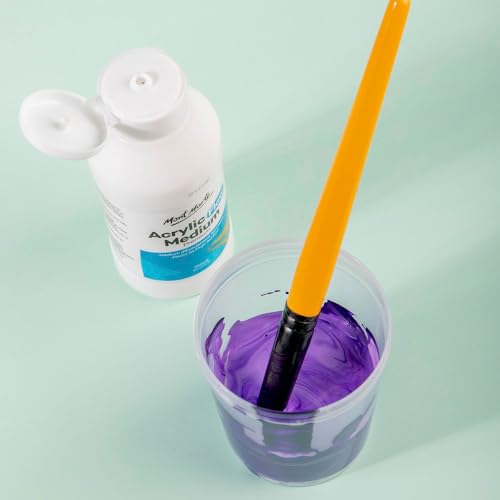
Mont Marte Premium Acrylic Flow Medium, 250ml

This bottle behaves like a classic flow medium with extra forgiveness. It thins acrylic paint while keeping color strength and sheen stable. I like it for brush work, glazing, and fluid effects without adding water. It helps paint level, reduces brush marks, and cuts surface tension.
For acrylic pours, it gives a smoother sheet and better self-leveling. I get fewer pinholes and less crazing. It dries clear and keeps the binder intact, which matters for archival work. It is a solid entry point when you want a dependable acrylic paint thinner that is easy to control.
Pros:
- Reduces brush marks and levels smoothly
- Preserves color strength and finish
- Great for glazing and controlled thinning
- Useful for small pours and fluid art
- Less risk of underbinding than over-diluted water
- Dries clear with minimal shift
Cons:
- Not a dedicated airbrush thinner
- No built-in retarder, so fast-drying paints still dry fast
- Can feel slick if overused
My Recommendation
If you want an acrylic paint thinner that acts like a “do-no-harm” flow improver, start here. It fits brush painters who want smooth blends without milky haze. It also works for artists who fear over-diluting with water and breaking the binder.
Use it at modest ratios. For brush work, start at 10–30% medium to paint. For glazing, go higher. If you airbrush, choose a dedicated airbrush thinner instead. For pours, mix with paint until it pours like warm honey, then test a small tile.
| Best for | Why |
|---|---|
| Smooth brush blends | Improves flow and reduces drag without bleaching color |
| Glazes and detail layers | Stays clear and preserves binder strength |
| Small acrylic pours | Self-levels and reduces surface tension for fewer defects |
IMPRESA Acrylic Paint Thinner & Mixing Medium, 8oz
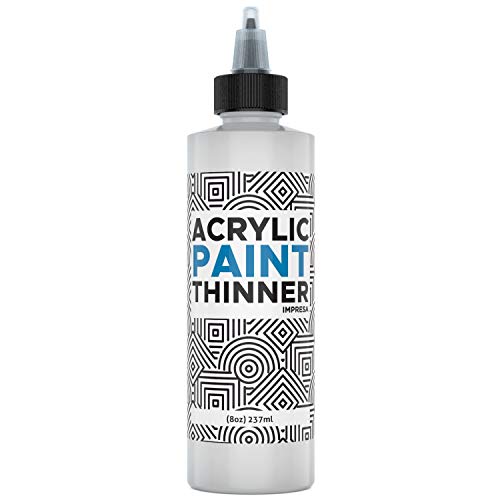
This is a hybrid acrylic paint thinner that also retards drying. It improves flow and gives you more open time on the palette. That extra time helps with wet-on-wet blends and smoother transitions. The formula is water-based and low odor, which is ideal for home studios.
I find it helpful for brush work and for lowering the risk of streaks. It also pairs well with detail work because it reduces tip build-up. The non-curdle claim aligns with my experience when mixing with common artist-grade acrylics. Still, always do a small test when you switch brands.
Pros:
- Combines thinning and slow-dry retarder
- Odorless and water-based for easy cleanup
- Good open time for blending
- Less tip-dry on fine brushes
- Stable with most acrylic paint lines
- Great for controlled layering and glazing
Cons:
- Not designed for airbrush nozzles
- Too much retarder can slow curing in thick areas
- Finish may shift slightly if overused
My Recommendation
Pick this acrylic paint thinner if you want fewer hard edges and more blending time. It suits portrait artists, landscape painters, or anyone who fights against short working time. It is also a nice fit when you need a one-bottle solution for both thinning and slowing dry time.
Start with small amounts. For general thinning, try 10–25%. For extra open time, add a little more, but keep layers thin and let them cure. I avoid heavy use under thick impasto because retarders can slow through-drying.
| Best for | Why |
|---|---|
| Wet-on-wet blending | Built-in retarder extends open time |
| Layering and glazing | Thins without stripping color strength |
| Detail brush work | Reduces tip build-up and drag for clean lines |
Vallejo Airbrush Thinner, 200ml

This bottle is built for airbrush work with acrylics. It is a proper acrylic paint thinner that lowers viscosity, reduces surface tension, and keeps pigments in suspension. I use it for scale models, miniatures, props, and illustration work. It helps prevent tip-dry and spidering when dialed in right.
It also improves adhesion compared to plain water because it keeps the acrylic binder intact. I get consistent atomization at lower PSI with this mix. The 200ml size is good value if you spray often. It is my top pick for airbrush-friendly thinning.
Pros:
- Designed for airbrush use with acrylics
- Improves atomization at lower PSI
- Reduces clogging and tip-dry
- Better adhesion than water-only thinning
- Works with most hobby acrylic brands
- Convenient 200ml size for regular spraying
Cons:
- Not a retarder; dry time is still fast
- May need testing for each paint line
- Not ideal for heavy body paints without pre-dilution
My Recommendation
If you airbrush, choose this acrylic paint thinner first. It behaves predictably inside the cup and on the needle. I mix to a “skim milk” consistency, then adjust PSI. For detail lines, I go thinner and drop pressure. For wider coverage, I thicken a bit and raise PSI.
Clean your airbrush with water or a brand-specific cleaner after each session. Avoid alcohol as your main thinner, which can shock the polymer and cause chalky spray. This bottle hits the sweet spot between flow, adhesion, and finish for most hobby uses.
| Best for | Why |
|---|---|
| Airbrush base coats | Reliable atomization and smooth coverage |
| Fine detail lines | Thins cleanly, reduces tip-dry at low PSI |
| Miniatures and models | Even film build and good adhesion |
Vallejo Thinner Medium, 17ml

This is the small, precision option in the acrylic paint thinner family. It is a binder-rich thinner that keeps paint stable and flexible. I reach for it when I need tiny, predictable mixes at the bench. It helps avoid chalky, over-watered layers on miniatures and small parts.
The 17ml size is perfect for portable kits or travel. It is also ideal when you test ratios with a dropper and do not want to waste medium. It pairs well with hobby acrylics for brush painting. It is not a retarder and not an airbrush specialist, but it is dependable.
Pros:
- Binder-friendly thinning for brush work
- Great for small, precise mixes
- Reduces risk of underbinding from water-only dilution
- Clear, predictable finish
- Portable bottle for kits and travel
Cons:
- Tiny volume for heavy users
- Not an airbrush-specific formula
- No slow-dry feature
My Recommendation
Get this acrylic paint thinner if you paint minis or small models and value control. A drop or two can save a delicate edge highlight from turning chalky. It is also a handy “insurance” medium for brush painters who are learning how much water is too much.
Use this when you mix on a wet palette. It keeps the binder in the film so layers do not flake. For large jobs, move to a bigger bottle to save cost.
| Best for | Why |
|---|---|
| Miniature highlights | Binder-safe thinning keeps lines crisp |
| Edge work on models | Predictable flow from tiny drops |
| Travel kits | Compact 17ml bottle fits anywhere |
Nicpro Pouring Medium, 250ml

This is a pour-focused acrylic paint thinner that improves flow and leveling. It helps paints move without breaking the binder. I like the smoother sheet it creates across the surface. It is designed to cut surface tension and reduce crazing when mixed right.
Use it for ring pours, dirty pours, and swipe techniques. It dries clear and supports a glossy look when sealed. It plays well with craft acrylics and many artist-grade paints. It is a budget-friendly way to test fluid art with better results than water alone.
Pros:
- Formulated for acrylic pouring
- Reduces crazing and pinholes
- Improves leveling for glossy finishes
- Good with craft acrylics
- Affordable for practice sessions
- Clear-drying medium
Cons:
- Not an airbrush medium
- Can feel slick if over-thinned
- Cell formation depends on technique and additives
My Recommendation
Choose this acrylic paint thinner if fluid art is your plan. It helps paint travel, settle, and cure with fewer surface issues. It is great for beginners who want reliable flow without pricey lab-grade mediums.
Mix to a warm honey or light cream texture. Test on small panels before big canvases. Seal with a quality varnish once cured for a glassy look.
| Best for | Why |
|---|---|
| Dirty pours and swipes | Levels well and reduces surface defects |
| Budget-friendly practice | Affordable medium with clear results |
| Craft acrylic upgrades | Makes low-cost paints flow like fluid acrylics |
FAQs Of acrylic paint thinner
What does acrylic paint thinner do?
It lowers viscosity, improves flow, and keeps the acrylic binder intact. It helps paint level, blend, or spray without weakening the film.
Can I thin acrylics with water only?
Yes, in small amounts. Too much water can reduce binder strength. A dedicated acrylic paint thinner is safer for film integrity.
What ratio should I use for airbrushing?
Aim for a skim-milk consistency. Start around 1:1 paint to airbrush thinner and adjust by brand, pigment load, and PSI.
Will thinner change the finish?
Most clear thinners keep the finish stable. Heavy use can shift gloss or transparency. Always test on a swatch first.
Is acrylic paint thinner safe indoors?
Water-based thinners are low odor and safer indoors. Use ventilation and avoid skin or eye contact. Keep away from kids and pets.
Final Verdict: Which Should You Buy?
Pick acrylic paint thinner based on your method. For airbrush use, choose Vallejo Airbrush Thinner. For brush blending, IMPRESA’s slow-dry mix shines. For smooth brush flow without retarder, Mont Marte is steady and clear.
Mini painters will like Vallejo Thinner Medium for precise drops. Fluid artists should grab Nicpro for pours and leveling. Each delivers smoother, safer thinning than water alone.