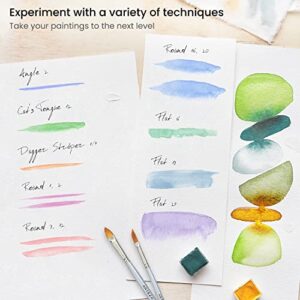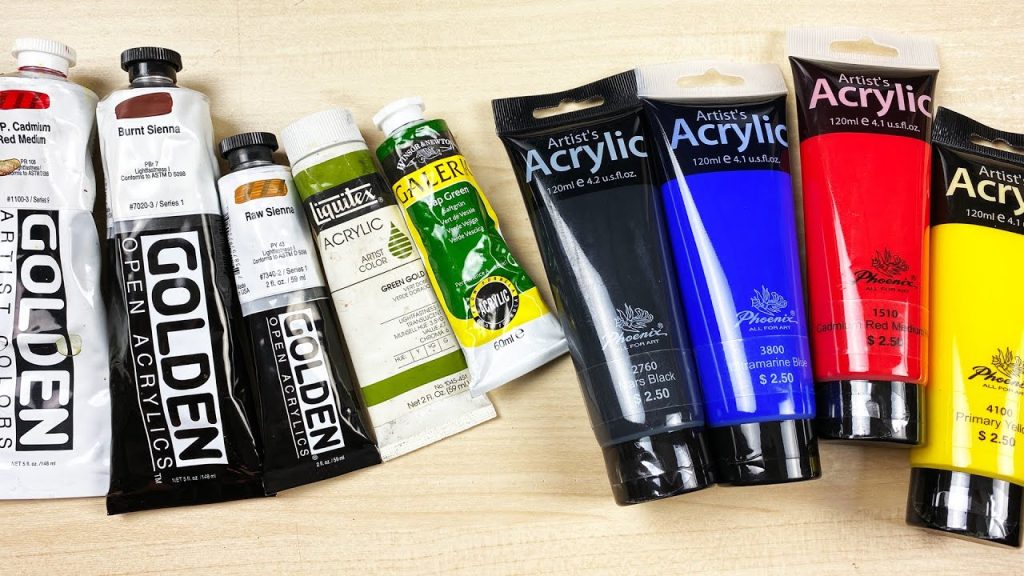
Acrylic paint is versatile and fast-drying. It’s ideal for beginners and professionals alike.
Acrylic paint’s versatility makes it popular among artists. It adheres to various surfaces like canvas, wood, and paper. This paint dries quickly, enabling artists to layer colors without long waiting periods. Its water-based formula is easy to clean with soap and water, making it user-friendly.
Acrylics offer a range of finishes, from matte to glossy, allowing for creative flexibility. They are also durable and lightfast, ensuring artwork longevity. With a wide array of colors available, artists can achieve vibrant, dynamic pieces. Acrylic paint is also affordable, providing an excellent option for artists on a budget. This combination of features makes it a go-to choice for many art enthusiasts.
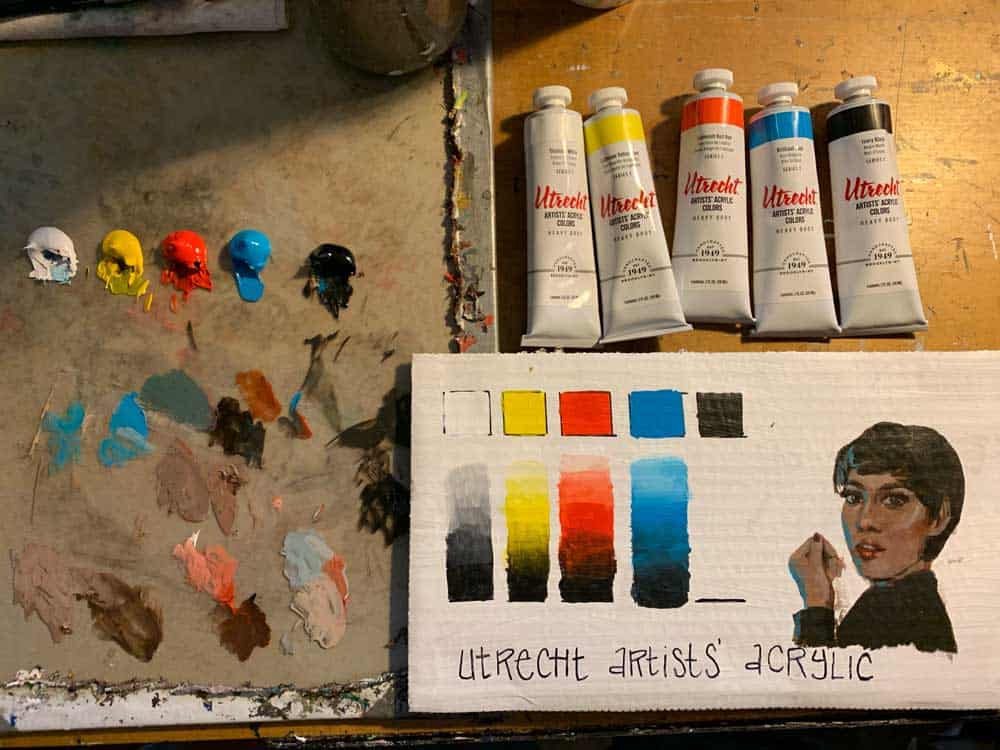
Credit: visualartspassage.com
Introduction To Acrylic Paints
Acrylic paints are popular among artists and hobbyists. They are known for their vibrant colors and quick drying time. These paints are water-based and versatile, making them a favorite choice for many.
Versatility Of Acrylics
Acrylic paints are highly versatile. You can use them on various surfaces. These include canvas, paper, wood, and even fabric. They can mimic the appearance of oil paints or watercolors.
Acrylics can be used for different techniques. Some artists use them for layering and glazing. They can also be used for impasto techniques, where paint is applied thickly. Acrylics are suitable for fine details and broad strokes alike.
| Surface | Compatibility |
|---|---|
| Canvas | Excellent |
| Paper | Good |
| Wood | Good |
| Fabric | Good |
Accessibility For New Artists
Acrylic paints are accessible for new artists. They are easy to use and clean up. Brushes and palettes can be washed with water. There is no need for harsh chemicals.
Acrylics are also affordable. You can find them in many art stores. Starter sets are available for beginners. These sets usually include basic colors and brushes.
- Easy to use
- Quick to dry
- Affordable
- Easy to clean
Comparing Paint Mediums
Choosing the right paint medium can be confusing. It’s vital to know the differences. Let’s explore how acrylic paint compares to other popular paint mediums.
Acrylics Vs. Oils
Acrylic paints dry quickly. This makes them ideal for fast projects. Oil paints take longer to dry. This allows more time for blending colors.
Acrylics are water-based. Cleanup is easy with just soap and water. Oils require special solvents for cleaning brushes.
Acrylics have less odor. They are safer for indoor use. Oils can have strong fumes. Ventilation is necessary during use.
| Feature | Acrylics | Oils |
|---|---|---|
| Drying Time | Fast | Slow |
| Base | Water | Oil |
| Cleanup | Soap and Water | Solvents |
| Odor | Less | Strong |
Acrylics Vs. Watercolors
Acrylics are opaque. They cover surfaces completely. Watercolors are transparent. They create delicate, light washes.
Acrylics can be used on many surfaces. This includes canvas, wood, and fabric. Watercolors work best on paper.
Acrylics dry waterproof. This makes them durable. Watercolors can be reactivated with water. This allows for easy changes.
- Opacity: Acrylics cover fully, watercolors are see-through.
- Surface Use: Acrylics work on various surfaces, watercolors on paper.
- Durability: Acrylics are waterproof, watercolors can be changed with water.
Essential Tools For Acrylic Painting
Acrylic painting is a vibrant and versatile art form. It offers endless possibilities for creativity. But before you start, you need the right tools. Here are the essential tools for acrylic painting.
Choosing Brushes And Canvases
Brushes and canvases are your primary tools. They are essential for a great painting experience.
- Brushes: Choose synthetic brushes. They are durable and easy to clean.
- Types of Brushes:
- Flat Brushes: Ideal for bold strokes.
- Round Brushes: Perfect for detailed work.
- Filbert Brushes: Great for blending and soft edges.
- Canvases: Go for stretched canvases or canvas boards.
- Stretched Canvas: Best for professional work.
- Canvas Board: Great for practice and studies.
Palette And Color Mixing Essentials
A good palette and color mixing skills are crucial.
| Tool | Purpose |
|---|---|
| Palette | Holds your paint. Helps with mixing colors. |
| Palette Knife | Mixes colors smoothly. Also used for texture. |
| Water Container | Cleans brushes. Keeps paint flow consistent. |
- Mixing Colors: Start with primary colors. Mix to create new shades.
- Primary Colors: Red, Blue, and Yellow.
- Secondary Colors: Green, Orange, and Purple.
- Tips for Mixing:
- Use a Palette Knife: Ensures smooth mixing.
- Small Amounts: Mix small amounts first. Add more if needed.
- Keep It Clean: Clean palette regularly. Prevents muddy colors.
Mastering Basic Techniques
Acrylic paint is versatile and easy to use. It suits beginners and professionals alike. Learning some basic techniques can make your art stand out. Below are key techniques to master acrylic painting.
Layering And Blending
Layering lets you add depth and detail to your paintings. Start with a base color. Let it dry completely. Add another layer on top. Repeat this process until you achieve the desired effect.
Blending creates smooth transitions between colors. Apply two colors next to each other on the canvas. Use a clean, dry brush to blend them. Move the brush in small, circular motions. This helps merge the colors seamlessly.
Dry Brushing And Washes
Dry brushing is a technique for adding texture. Dip your brush in paint. Wipe off most of the paint with a paper towel. Lightly drag the brush over the canvas. This adds subtle details and highlights.
Washes create translucent layers of color. Dilute your acrylic paint with water. Apply the wash with a large brush. This technique is perfect for backgrounds and soft effects.
| Technique | Description |
|---|---|
| Layering | Adds depth by applying multiple paint layers. |
| Blending | Creates smooth color transitions. |
| Dry Brushing | Adds texture with minimal paint. |
| Washes | Creates translucent effects with diluted paint. |
- Use a clean brush for blending.
- Let layers dry completely before adding more.
- Experiment with different brush types for dry brushing.
- Control water ratio for perfect washes.
Mixing Colors With Confidence
Mixing colors with confidence is a vital skill for any acrylic artist. Understanding how colors work together can transform your artwork. With a few basic principles, you can create a stunning palette.
Understanding The Color Wheel
The color wheel is a useful tool for artists. It shows the relationship between colors. The wheel includes primary, secondary, and tertiary colors. Primary colors are red, blue, and yellow. These colors cannot be made by mixing others.
Secondary colors are green, orange, and purple. You create them by mixing two primary colors. Tertiary colors come from mixing a primary and a secondary color. Examples include red-orange and blue-green.
Creating A Harmonious Palette
Creating a harmonious palette involves choosing colors that work well together. Complementary colors are opposite each other on the color wheel. They create high contrast and vibrant looks. Examples are red and green or blue and orange.
Analogous colors are next to each other on the color wheel. They create serene and comfortable designs. Examples include blue, blue-green, and green.
| Color Type | Examples |
|---|---|
| Primary Colors | Red, Blue, Yellow |
| Secondary Colors | Green, Orange, Purple |
| Tertiary Colors | Red-Orange, Blue-Green |
Using the color wheel helps in making informed choices. Practice mixing colors on a palette. Test combinations before applying them to your artwork. This builds confidence and improves your skills.
Remember to keep your palette clean. Dirty palettes can muddy your colors. Use a palette knife to mix paints. This ensures even blending and better results.
With these tips, you can mix colors with confidence. Your acrylic paintings will be vibrant and harmonious.
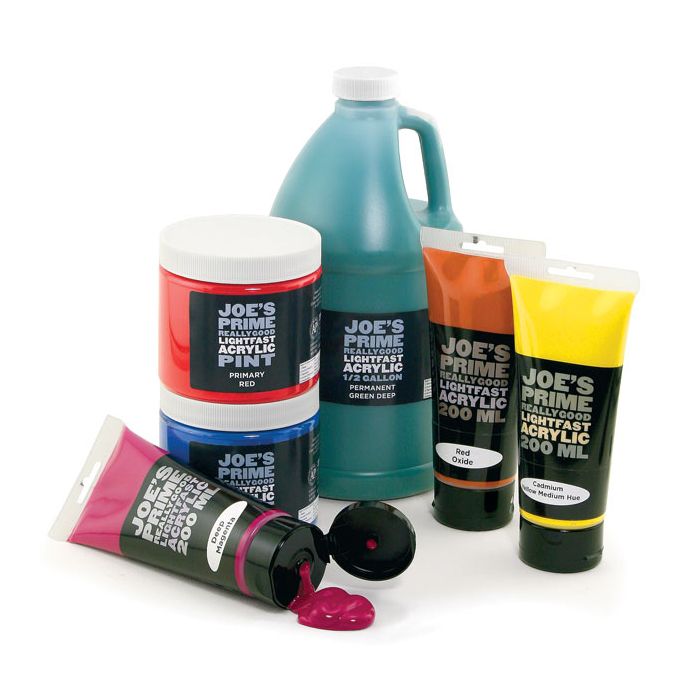
Credit: www.cheapjoes.com
Practice Projects For Beginners
Exploring the world of acrylic painting can be exciting. For beginners, practice projects are a great way to improve skills. This section highlights Practice Projects for Beginners to get you started.
Still Life Compositions
Creating still life compositions is a perfect beginner project. It helps you understand shapes and shadows. Start with simple objects like fruits or vases.
- Arrange objects with different shapes
- Focus on lighting and shadow
- Use a limited color palette
Here’s a simple table to guide your still life setup:
| Object | Shape | Color |
|---|---|---|
| Apple | Round | Red |
| Vase | Cylindrical | Blue |
| Book | Rectangular | Brown |
Abstract Art Exercises
Abstract art allows freedom with shapes and colors. It’s perfect for beginners to explore creativity. Start by making random shapes on the canvas.
- Choose three primary colors
- Paint random shapes and lines
- Experiment with blending colors
Focus on the process rather than the outcome. Abstract art helps in understanding color theory and composition without strict rules.
For more ideas:
- Use a sponge for texture
- Try different brush sizes
- Incorporate geometric patterns
These practice projects can build your skills and confidence. Enjoy the journey of learning acrylic painting!
Troubleshooting Common Issues
Acrylic paint is great for many projects. But sometimes things go wrong. Don’t worry! Here are tips to help you fix common problems.
Fixing Painting Mistakes
Mistakes happen to everyone. Here are steps to fix them:
- Wet Paint: Use a damp cloth to wipe away the mistake.
- Dry Paint: Sand the area lightly and repaint.
- Wrong Color: Paint over it with the correct color.
Avoiding Drying And Cracking
Drying and cracking can ruin your work. Follow these tips to avoid it:
- Use Quality Paint: Buy good-quality acrylic paint.
- Don’t Paint Too Thick: Apply thin layers of paint.
- Keep Paint Moist: Spray water to keep paint wet.
:max_bytes(150000):strip_icc()/folkart-acrylic-paint-set-6d322eb7cdbe4e1a9a978b8be6907918.jpg)
Credit: www.thesprucecrafts.com
Building Your Artistic Voice
Using acrylic paint can help you build your artistic voice. This versatile medium lets you explore different styles and techniques. It’s perfect for both beginners and experienced artists. Below, we will discuss how to develop your personal style and find inspiration.
Developing A Personal Style
Personal style is what makes your art unique. To find your style, try different techniques. Experiment with colors and textures. Use bold strokes and soft blends. Over time, you will see patterns in your work. These patterns become part of your style.
- Experiment with different brush sizes
- Mix unusual color combinations
- Try painting on various surfaces
Remember, your style will evolve. Keep painting and your voice will grow.
Finding Inspiration And Motivation
Inspiration is everywhere. Look at nature, books, and other art. Take photos of things that catch your eye. Keep a sketchbook for ideas.
| Source | Ideas |
|---|---|
| Nature | Flowers, landscapes, animals |
| Books | Characters, scenes, emotions |
| Other Art | Techniques, styles, themes |
To stay motivated, set small goals. Paint for 15 minutes a day. Join art groups and share your work. Celebrate your progress and keep going.
Frequently Asked Questions
Are Acrylic Paints Good?
Yes, acrylic paints are good. They dry quickly, are versatile, and work on various surfaces. Ideal for beginners and professionals.
What Are The Disadvantages Of Acrylic Paint?
Acrylic paint dries quickly, making blending difficult. It can also be less vibrant over time and may crack.
What Is Acrylic Paint Best Used For?
Acrylic paint is best used for various surfaces like canvas, wood, and paper. It dries quickly and is versatile. Artists use it for its vibrant colors and easy blending. It’s also great for crafting and DIY projects.
Do Professional Painters Use Acrylic?
Yes, professional painters use acrylic paints. They are versatile, quick-drying, and durable, suitable for various surfaces.
What Is Acrylic Paint Made Of?
Acrylic paint is made from pigment suspended in acrylic polymer emulsion and water.
Can Acrylic Paint Be Used On Fabric?
Yes, acrylic paint can be used on fabric. Use a fabric medium for flexibility.
Is Acrylic Paint Waterproof When Dry?
Yes, acrylic paint becomes water-resistant when dry, but sealing is recommended for extra protection.
How Long Does Acrylic Paint Take To Dry?
Acrylic paint typically dries within 20 minutes to a few hours, depending on thickness and environmental conditions.
Conclusion
Acrylic paint offers versatility and vibrant colors for artists of all levels. It dries quickly and is easy to use. Whether you’re a beginner or an expert, acrylic paint provides excellent results. Experiment with this medium to create stunning artworks.
Embrace acrylics for your next creative project and see the difference.