PaintingProGuide is reader-supported. When you buy through links on this page we may earn an affiliate commission at no extra cost to you.
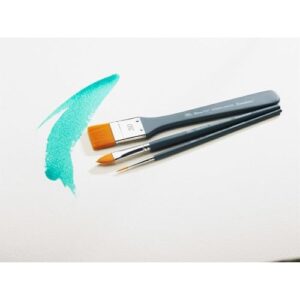
Varnish protects a finished painting from dust, UV and handling, and it evens out the gloss across the surface. But a poor brush can leave streaks, bubbles and stray hairs locked permanently into the coat. The best paint brushes for varnish lay a thin, even film, follow the texture of the painting and shed nothing.
We focus here on varnishing artwork, not floors or decks. Our product data included several decorators’ brushes for walls and trim, which we left out. The four brushes below cover a dedicated picture-varnish brush, synthetic flats for different canvas sizes, foam brushes for smooth surfaces and disposable chip brushes for preparation.
Quick answer: For varnishing finished paintings, the Gamblin Gamvar Varnish Brush is the clear choice. The Bates Flat Paddle set gives you 1, 2 and 3 inch synthetic flats for different canvas sizes, and Bates foam brushes suit smooth panels and crafts.
Our Top Picks at a Glance
- Gamblin Gamvar Varnish Brush (50 mm) — Best for varnishing finished oil and acrylic paintings
- Bates Flat Paddle Nylon Brush Set (1, 2, 3 in) — Best for three widths of synthetic flats for different canvas sizes
- Bates Foam Brushes (2 in, 16 pack) — Best for varnishing crafts, wood panels and smooth surfaces
- Newkita Chip Brushes (3 pack) — Best for disposable brushes for gesso and isolation coats
| Product | Best For | Key Spec | Key Strength | Price Tier |
|---|---|---|---|---|
| Gamblin Gamvar Varnish Brush (50 mm) | Varnishing finished oil and acrylic paintings | 50 mm; synthetic thin-fiber bristles; vegan | Designed specifically for varnishing art | $$ |
| Bates Flat Paddle Nylon Brush Set (1, 2, 3 in) | Three widths of synthetic flats for different canvas sizes | 1, 2 and 3 in; nylon bristles | A width for every canvas | $ |
| Bates Foam Brushes (2 in, 16 pack) | Varnishing crafts, wood panels and smooth surfaces | 16 foam brushes; 2 in; wooden handles | No bristles to shed | $ |
| Newkita Chip Brushes (3 pack) | Disposable brushes for gesso and isolation coats | 3 sizes; synthetic bristles; wooden handles | Cheap enough to throw away | $ |
How We Chose
These picks are based on Amazon listing details and specifications checked in October 2026, how well each brush’s fiber, width and design suit varnishing artwork, and how widely each product is reviewed by Amazon buyers. We excluded house-painting sets designed for walls, trim and cutting in.
Our criteria:
- Fiber type and softness
- Shedding risk
- Width relative to canvas size
- Ability to follow surface texture
- Compatibility with common picture varnishes
- Value for the price tier
When to Varnish a Painting
Oil paintings need time to dry fully before a final varnish. Many varnish makers recommend waiting several months, often around six, depending on paint thickness. Some painters use a retouch varnish earlier to even out sinking-in, then apply final varnish later. Always follow your varnish manufacturer’s guidance.
Acrylic paintings dry faster. Many painters apply an isolation coat, a clear acrylic layer that separates paint from varnish, and then varnish once both are dry. That makes the varnish removable later without disturbing the paint.
In both cases, the painting must be completely clean and dust-free. Varnish locks in whatever is on the surface.
Best Paint Brushes for Varnish Reviewed
1. Gamblin Gamvar Varnish Brush (50 mm) — Best for varnishing finished oil and acrylic paintings

Varnishing a finished painting is different from varnishing a table. The coat must be thin, even and free of bubbles and stray hairs, and the brush must follow the texture of the paint without dragging it. Gamblin’s Gamvar brush is one of the few made specifically for that job.
The listing describes a 50 mm brush with thin synthetic fibers that are soft enough to contour to the texture of your work yet stiff enough to lay varnish evenly and thinly. Gamblin designed it for its Gamvar picture varnish and says it supports the depth and saturation of color the varnish is meant to bring out. The bristles are animal-free, and the maker contrasts them with animal hair that loads heavily and breaks over time.
The listing also names acrylic varnish, oil, gesso and polyurethane, so the brush is not limited to Gamvar. For most painters, this is the brush to buy if you varnish your own work regularly.
Best suited for: Oil and acrylic painters varnishing finished canvases and panels.
Key features:
- 50 mm width
- Thin synthetic fibers that contour to texture
- Designed for Gamvar picture varnish
- Also suitable for acrylic varnish, oil and gesso
- Animal-free bristles
Pros:
- Purpose-made for picture varnish
- Soft enough to follow impasto
- Synthetic fibers resist breaking
Cons and limitations:
- Highest price tier here
- Single width
- Wider canvases take more passes
Buying consideration: Reserve this brush for varnish only. Using it for gesso or paint first will leave residue that can show in a clear coat.
2. Bates Flat Paddle Nylon Brush Set (1, 2, 3 in) — Best for three widths of synthetic flats for different canvas sizes

Bates’ three-pack gives you nylon flat brushes in 1, 2 and 3 inch widths with ergonomic handles. Nylon is the right family of fiber for most modern varnishes, which are often water-based acrylic or solvent-based synthetic resins.
The range of widths is the main appeal for artists: a 1-inch for small panels, a 2-inch for medium canvases and a 3-inch for large work. These are general-purpose brushes rather than dedicated picture-varnish brushes, so test on a scrap board first and check for loose bristles before touching a finished painting.
Best suited for: Painters who varnish a range of canvas sizes and want affordable synthetic flats.
Key features:
- Three flat brushes: 1, 2 and 3 inch
- Nylon bristles
- Ergonomic handles
Pros:
- Covers small to large canvases
- Synthetic fiber suits modern varnishes
- Very low price tier
Cons and limitations:
- Not designed specifically for fine-art varnish
- May shed when new
- Stiffer than a dedicated varnish brush
Buying consideration: Before first use, flick the bristles and rinse the brush to remove loose fibers; a single hair in a varnish coat is very hard to remove cleanly.
3. Bates Foam Brushes (2 in, 16 pack) — Best for varnishing crafts, wood panels and smooth surfaces

Foam brushes have no bristles, so there are no hairs to lose in the coat. Bates’ 16-pack of 2-inch foam brushes on wooden handles works with any type of paint or varnish according to the listing, covering evenly with fewer strokes.
On smooth surfaces such as wood panels, craft pieces, painted furniture details and frames, foam leaves a very even film. On textured paintings with impasto, foam cannot reach into the texture as well as a soft brush and may leave thin spots on peaks. Foam can also introduce bubbles if you work too fast.
Best suited for: Crafters and painters varnishing smooth panels, wood items and frames.
Key features:
- 16 foam brushes
- 2 inch width
- Wooden handles
- Works with paint and varnish
Pros:
- No shedding hairs
- Even coat on smooth surfaces
- Very low price tier
Cons and limitations:
- Poor on heavy texture
- Can create bubbles
- Foam breaks down with some solvents
Buying consideration: Check that your varnish’s solvent is compatible with foam; some strong solvents can dissolve it.
4. Newkita Chip Brushes (3 pack) — Best for disposable brushes for gesso and isolation coats

Chip brushes are inexpensive, disposable brushes. Newkita’s three-pack comes in three sizes with synthetic bristles and wooden handles, and the listing names stains, varnishes, acrylics and gesso. The smallest is described as suitable for acrylic painting.
For fine-art varnishing, chip brushes are too coarse and shed-prone for the final coat. They are useful for rougher jobs: brushing gesso on the back of a panel, applying an isolation coat on a test piece, or varnishing the edges and backs of wood panels where a few marks will not matter.
Best suited for: Painters who need cheap brushes for gesso, sealing panel backs and rough varnish work.
Key features:
- Three chip brushes in different sizes
- Synthetic bristles
- Wooden handles
- Wash with soap and water
Pros:
- Extremely low price tier
- Disposable
- Fine for rough jobs
Cons and limitations:
- Not for final picture varnish
- Bristles may shed
- Coarse finish
Buying consideration: Keep chip brushes away from the front of a finished painting; use them for preparation and backs only.
How to Varnish a Painting with a Brush
- Work in a clean, dust-free room at moderate temperature and humidity.
- Lay the painting flat so varnish does not run.
- Dip only the front third of the brush and remove excess on the rim of the container.
- Apply varnish in thin, parallel strokes from one edge to the other, overlapping slightly.
- Brush gently at a low angle, letting the bristles glide; do not scrub.
- Check under raking light for missed areas, bubbles or hairs, and fix them immediately while wet.
- Let the painting dry flat and covered, for example under a clean box tent, to keep dust off.
- Apply a second thin coat at right angles to the first if the varnish maker recommends it.
Two thin coats look better than one thick one. Thick varnish can cloud, drip and take a long time to cure.
Brush vs Spray Varnish
Spray varnish gives a very even coat on textured surfaces and avoids brush marks, but needs good ventilation and practice to avoid drips or a sandy finish. Brush varnish is easier to control and wastes less product, and is preferred by many painters for gloss varnish.
Many painters brush the first coat and spray the second, or use spray for small or highly textured works. A good brush remains the most versatile tool.
Gloss, Satin or Matte: Does It Change the Brush?
Not much, but it changes how carefully you work. Gloss varnish shows every brush mark and lap line, so a soft, wide brush and thin, even strokes matter most. Matte varnishes contain matting agents that can settle; stir them gently, not vigorously, to avoid bubbles, and brush them out thinly so they do not look cloudy.
Satin finishes are the most forgiving. Many painters mix gloss and matte versions of the same varnish to tune the final sheen, which is easier with a brush than with a spray.
Whatever the sheen, test it on a scrap painted with the same paint before varnishing the real thing. Varnish deepens darks and can shift the look of a painting more than people expect.
Cleaning a Varnish Brush
Clean the brush immediately with the solvent your varnish requires: water for water-based acrylic varnishes, mineral spirits or the maker’s recommended solvent for solvent-based varnishes. Then wash with brush soap and rinse thoroughly.
Never let varnish dry in the brush. Most picture varnishes become very hard to remove once cured, and a brush with a stiff heel will leave streaks on the next painting.
Dry the brush flat or bristles-down and store it covered so it stays dust-free. A dedicated, clean varnish brush is the single best way to avoid contaminating a finished painting.
Buying Guide: How to Choose a Brush for Varnish
Soft, synthetic fibers
Most modern picture varnishes work well with soft synthetic brushes, which do not absorb too much varnish and resist breaking. Natural hair can load heavily and shed.
Choose fibers soft enough to follow impasto without dragging paint.
Shedding resistance
Any loose hair becomes part of the finished surface. Choose quality brushes, rinse new ones and test on a scrap before varnishing a painting.
Width relative to the painting
A 1-inch brush suits small panels; 2 inches suits medium canvases; 3 inches or more suits large work. Wider brushes mean fewer overlaps and fewer lap marks.
Do not go too wide for a small painting, though; a brush much wider than the canvas loads too much varnish and runs over the edges.
Texture of the painting
Heavy impasto needs a soft brush that reaches into texture. Smooth surfaces accept foam brushes, which leave no hairs.
For mixed surfaces, use a soft brush overall and lightly tip off any pooling in recesses with a nearly dry brush.
Dedicated use
Keep one brush for varnish only. Paint or gesso residue in the bristles will show in a clear coat.
Label the handle so nobody in a shared studio borrows it for something else.
Varnish compatibility
Check that the brush and its fibers suit your varnish solvent. Foam can dissolve in strong solvents; synthetic bristles handle most picture varnishes.
Brush Care and Technique Guides
A varnish brush has to be spotless and shed-free. Our guide on keeping paint brushes from shedding helps, and drying brushes correctly keeps your varnish brush clean and in shape. For large canvases, see how to work with large brushes.
Common Mistakes to Avoid
- Varnishing an oil painting before it is fully dry
- Using a brush that has been used for paint or gesso
- Applying one thick coat instead of thin coats
- Scrubbing varnish into the surface
- Varnishing in a dusty room
- Using chip brushes on the front of a finished painting
FAQs
What kind of brush is best for varnishing a painting?
A soft, wide synthetic brush kept only for varnish. Purpose-made brushes such as the Gamblin Gamvar brush are designed for thin, even coats over painted texture.
Can I use a foam brush for varnish?
Yes, on smooth surfaces such as panels and crafts. Foam is less effective on heavy texture and can create bubbles if used quickly.
How do I avoid brush marks in varnish?
Use thin coats, a soft wide brush, gentle strokes in one direction and good light to catch missed spots. A second coat at right angles evens out the surface.
How long should I wait to varnish an oil painting?
Many manufacturers recommend several months, often around six, depending on paint thickness. Follow your varnish maker’s guidance.
What is an isolation coat?
A clear acrylic layer applied over acrylic paintings before varnish, so the varnish can later be removed without disturbing the paint.
How do I clean a varnish brush?
Use the solvent your varnish requires, then wash with brush soap, rinse, reshape and dry covered.
Final Recommendation
If you varnish your own paintings, the Gamblin Gamvar brush is the tool designed for it and worth keeping solely for varnish. For different canvas sizes on a budget, the Bates 1, 2 and 3 inch synthetic flats cover the range once you have checked them for loose fibers.
Use Bates foam brushes for smooth panels, crafts and frames, and keep Newkita chip brushes for gesso, panel backs and other preparation work. Whatever brush you choose, dedicate it to varnish and keep it spotless.
Varnishing is the last step in a long process, and it is the one step you cannot easily undo. A clean, soft, dedicated brush, a dust-free room and thin coats are what turn it from a risk into the finishing touch the painting deserves.