You’ve just finished a painting project, and your brushes and rollers are covered in paint. What’s next?
If you leave them dirty, you risk ruining your tools and spending more money replacing them. But cleaning paint brushes and rollers doesn’t have to be a hassle. With the right steps, you can make your brushes and rollers look almost new again—and be ready for your next project.
In this guide, you’ll learn simple, effective ways to clean your painting tools quickly and thoroughly. Keep reading to discover the tips that will save you time, money, and frustration every time you paint.
:max_bytes(150000):strip_icc()/how-often-to-clean-paint-brush-and-rollers-GettyImages-1257042135-59ddf2e1bacd498fbe184d3b99a3eba0.jpg)
Credit: www.realsimple.com
Materials Needed
Having the right materials is crucial for cleaning paint brushes and rollers effectively. Proper tools make the job easier and protect your brushes and rollers for future use. Gather all necessary items before starting the cleaning process.
Types Of Brushes And Rollers
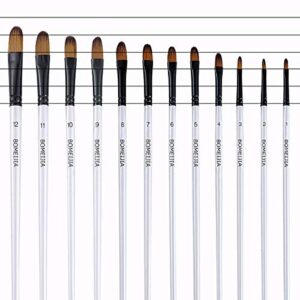
Paint brushes vary by size and bristle type. Natural bristles work best with oil-based paints. Synthetic bristles suit water-based paints.
Rollers come in different nap lengths. Short naps are ideal for smooth surfaces. Longer naps fit rough or textured walls.
Choose brushes and rollers that match your paint type and surface for the best results.
Cleaning Supplies
Essential cleaning supplies include warm water and mild soap. Dish soap like Dawn works well to remove paint.
Use a brush comb or an old fork to remove dried paint from bristles. A bucket helps soak brushes and rollers.
Paper towels or clean rags are useful for wiping off excess paint before washing.
Gloves protect your hands from harsh chemicals, especially when using solvents for oil-based paints.
Removing Excess Paint
Removing excess paint from brushes and rollers is a key step before cleaning. It saves water and cleaning agents. It also helps keep bristles and fibers in good shape. Removing paint quickly avoids buildup and hardening. This makes cleaning easier and extends tool life.
Using Paper Towels
Start by wiping the brush or roller with a paper towel. Press gently to absorb the paint without damaging bristles. Fold the towel and repeat until most paint is removed. For rollers, roll them over a towel to catch excess paint. Change towels if they become too wet. This step reduces paint load before washing.
Scraping Techniques
Use a paint scraper or the edge of a putty knife to remove paint. Hold the brush or roller firmly. Scrape paint off in one direction to avoid damage. For rollers, roll the scraper across the surface. Be careful not to cut or tear fibers. Scraping gets rid of thick paint layers fast. It prepares tools for a deeper clean.
Cleaning Water-based Paints
Cleaning paint brushes and rollers after using water-based paints is simple but important. Proper cleaning keeps your tools in good shape and ready for the next project. Water-based paints like acrylics wash off easily with water, so no harsh chemicals are needed.
Follow these easy steps to clean your brushes and rollers thoroughly. This helps remove all paint and prevents damage to the bristles or roller fabric.
Warm Water Rinse
Start by rinsing your brushes and rollers under warm running water. Warm water helps soften and loosen the paint quickly.
Run water over the bristles or roller until most paint washes away. Use your fingers to gently separate bristles and remove paint trapped inside. For rollers, spin them under water to flush out paint.
Keep rinsing until the water runs mostly clear. This step removes the bulk of the paint and makes soap cleaning easier.
Using Dish Soap
Apply a few drops of mild dish soap to the wet brushes or rollers. Dish soap breaks down paint residues and cleans deeply.
Work the soap into the bristles or roller with your fingers or a brush comb. Create a lather and scrub gently to remove all paint particles.
Rinse again under warm water, repeating soap and rinse if needed. Finish by shaking off excess water and reshaping the brush bristles. Let tools dry flat or hang them to keep their shape.
Cleaning Oil-based Paints
Cleaning oil-based paint brushes and rollers requires extra care. These paints do not wash off with water. Proper cleaning extends the life of your tools and keeps them ready for the next use. Follow simple steps and use the right materials for the best results.
Choosing The Right Solvent
Select a solvent that dissolves oil paint efficiently. Mineral spirits and paint thinner are common choices. Test the solvent on a small area first to ensure safety. Use gloves to protect your skin from harsh chemicals. Work in a well-ventilated area to avoid fumes.
Soaking And Rinsing
First, remove excess paint by wiping the brush or roller on newspaper. Pour the chosen solvent into a container. Soak the brushes or rollers for 10 to 15 minutes. Gently squeeze and swirl to loosen paint. Rinse with clean solvent until the paint is gone. Wash with warm soapy water to remove solvent residue. Let dry completely before storing.
Cleaning Rollers
Cleaning rollers after painting keeps them ready for future use. Proper cleaning removes paint and extends roller life. It also helps maintain smooth finishes in your next project.
Follow simple steps to rinse the roller cover and clean the roller frame. This process saves money and avoids waste.
Rinsing The Roller Cover
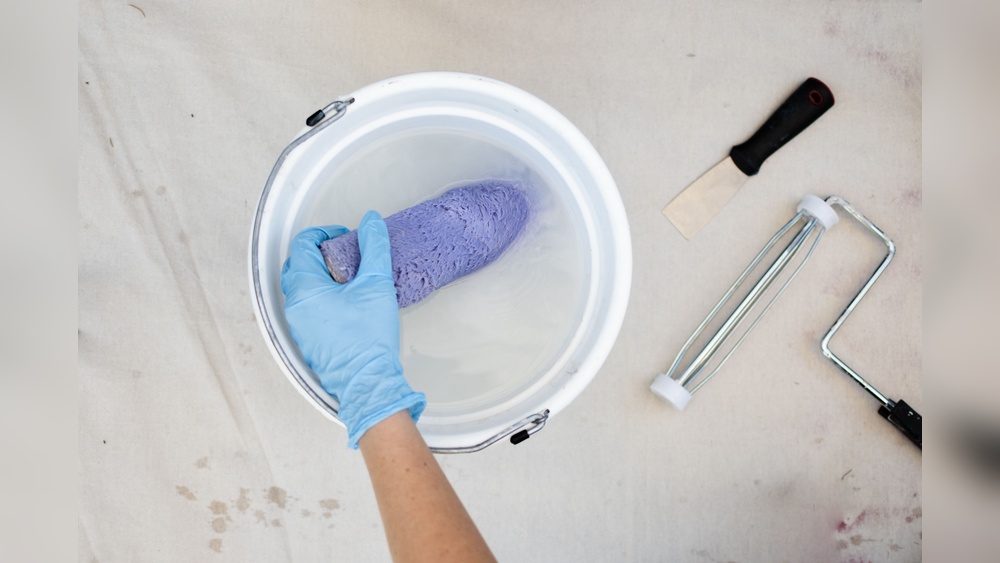
Start by removing excess paint from the roller cover. Use a putty knife or a similar tool to scrape off paint. Rinse the roller cover under warm running water.
Work the water into the fibers by squeezing and rolling the cover. Continue rinsing until the water runs clear. For oil-based paints, use a solvent recommended by the paint manufacturer before rinsing.
Shake out extra water and let the roller cover dry completely before storing.
Cleaning The Roller Frame
Remove the roller cover from the frame. Wipe off any paint on the frame with a damp cloth. Use warm soapy water to clean stubborn paint spots.
Rinse the frame thoroughly and dry it with a clean cloth. Check moving parts and remove any dried paint buildup to keep the roller spinning smoothly.

Credit: www.youtube.com
Drying And Storing Brushes
Proper drying and storing of paint brushes keep them in good condition for future use. Clean brushes need careful handling after washing. Drying and storing correctly prevents damage and extends brush life.
Reshaping Bristles
After rinsing, gently reshape the bristles with your fingers. Align them to their original form to avoid splaying. This step helps maintain the brush’s shape. Avoid pulling or twisting the bristles harshly. A well-shaped brush performs better on the next paint job.
Proper Drying Methods
Let brushes dry flat or hang them with bristles facing down. This prevents water from seeping into the handle. Avoid drying brushes upright with bristles up, as water can loosen the glue. Drying in a well-ventilated area speeds up the process. Never use heat sources like hairdryers or heaters to dry brushes.
Storage Tips For Reuse
Store brushes in a dry place away from dust and dirt. Use a brush holder or wrap them in paper to protect bristles. Avoid storing brushes in airtight containers while wet. Keep rollers covered to prevent them from drying out. Proper storage keeps brushes ready for the next painting task.
Tips For Dried Paint
Dried paint on brushes and rollers can be tough to remove. Acting quickly helps, but sometimes paint hardens before cleaning. Knowing how to handle dried paint saves your tools and money. Here are some practical tips to bring your brushes and rollers back to life.
Soaking Solutions
Soaking is the first step to soften dried paint. Use warm, soapy water for water-based paints. Let the brush or roller soak for 30 minutes to an hour. For oil-based paints, use a mixture of mineral spirits and warm water. Always test the solution on a small area first. After soaking, gently comb through bristles or roll the roller to loosen paint.
When To Use Stronger Solvents
Stronger solvents work for stubborn, dried paint. Use paint thinner or acetone with caution. Work in a well-ventilated area and wear gloves. Dip the brush or roller briefly, then wipe off softened paint. Avoid soaking too long to protect bristles and roller fibers. Repeat if needed, but watch for damage to your tools.
Professional Cleaning Tricks
Professional cleaning tricks keep your paint brushes and rollers in top shape. These tips extend tool life and improve paint quality. Proper care avoids hard bristles and uneven strokes. Follow simple steps to clean tools deeply and maintain their form.
Using A Brush Comb
A brush comb removes dried paint and debris from bristles. Run the comb gently through the bristles from base to tip. This separates clumped bristles and restores their natural shape. Clean the comb often during use to avoid pushing paint back into the brush. This tool is inexpensive and easy to use. It helps brushes perform like new on every project.
Maintaining Brush Shape
After cleaning, reshape the brush while it is still wet. Use your fingers to smooth bristles into their original position. Avoid letting brushes dry standing on their tips. Instead, lay them flat or hang them with bristles downward. This prevents bending and damage. Storing brushes properly keeps bristles aligned and ready for the next paint job.
Eco-friendly Cleaning Options
Eco-friendly cleaning options protect the environment while keeping your tools ready. These methods avoid harsh chemicals and reduce waste. They also help maintain the quality of your brushes and rollers.
Use Warm Water And Mild Soap
Warm water and mild soap work well for most paints. Dish soap like Dawn breaks down paint without damaging bristles. Rinse thoroughly until water runs clear. This method uses less energy and no harmful chemicals.
Try Vinegar For Stubborn Paint
White vinegar softens dried paint on brushes and rollers. Soak the tool in warm vinegar for 30 minutes. After soaking, scrub gently with a brush. Vinegar is natural, biodegradable, and safe for your skin.
Reuse Paint Thinner Alternatives
Look for eco-friendly paint thinners made from natural ingredients. These thinners clean oil-based paints without toxic fumes. Use in well-ventilated areas and follow product instructions. They are safer for you and the planet.
Recycle Water From Cleaning
Collect rinse water to reuse for initial cleaning rounds. Settling paint particles can be filtered out and disposed of properly. This reduces water waste and prevents pollution in drains.
:max_bytes(150000):strip_icc()/how-to-clean-paint-rollers-5190441-hero-b02206f3dc454b0ebb79ec19e28ce1eb.jpg)
Credit: www.thespruce.com
Frequently Asked Questions
What’s The Best Way To Clean Paint Brushes And Rollers?
Remove excess paint with a paper towel. Wash brushes and rollers using warm water and mild soap. Rinse until water runs clear. Reshape bristles and air dry flat. Avoid harsh solvents for longer tool life.
Can I Use Dawn Dish Soap To Clean Paint Brushes?
Yes, Dawn dish soap effectively cleans paint brushes, removing oil and acrylic paints. It’s gentle on bristles and easy to rinse. Use warm water, lather well, rinse until clear, then reshape and dry brushes for best results.
How Do Professional Painters Clean Their Brushes?
Professional painters remove excess paint, then wash brushes with warm water and soap until clear. They reshape bristles and air dry brushes flat. For oil or acrylic paints, they often use mild dish soap like Dawn to clean effectively without damaging bristles.
How To Get Buildup Off Of Brush Bristles?
Remove excess buildup by wiping bristles with a paper towel. Apply warm water and mild soap. Gently scrub and rinse until clean. For stubborn buildup, soak bristles in soapy water, then repeat scrubbing. Reshape bristles and let them dry flat.
Conclusion
Cleaning paint brushes and rollers is simple with the right steps. Start by removing excess paint before washing. Use warm water and soap to clean thoroughly. Rinse until water runs clear to avoid leftover paint. Don’t forget to clean both the brush and roller frame.
Proper care helps tools last longer and saves money. Clean tools also improve your painting results. Take time to dry brushes and rollers well before storing. Good cleaning habits make your next project easier and neater. Keep your tools ready for the next painting job.