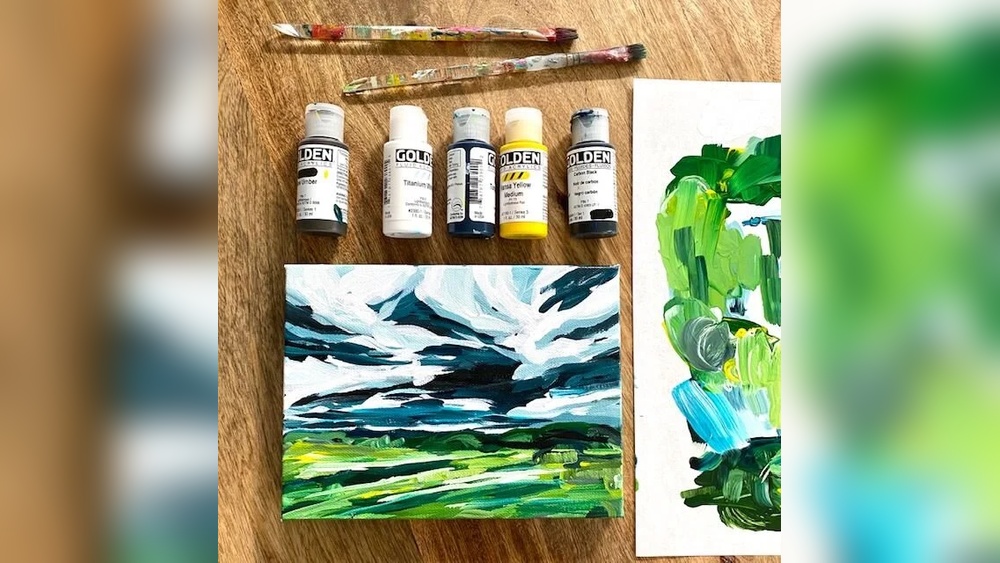
Are you ready to bring your creative ideas to life with vibrant colors and bold strokes? Painting with acrylic paint on canvas is a fantastic way to express yourself, whether you’re a beginner or looking to improve your skills.
In this guide, you’ll discover simple, practical tips that make painting with acrylics easy and enjoyable. From choosing the right brushes to mastering blending techniques, you’ll learn how to handle your paint confidently so every stroke looks just right. Keep reading to unlock the secrets that will transform your canvas into a stunning work of art!
Choosing Supplies
Choosing the right supplies is the first step to a great acrylic painting experience. Good materials make painting easier and more enjoyable. This section covers the basics of selecting paints, brushes, and preparing your canvas.
Selecting Acrylic Paints
Choose high-quality acrylic paints for better color and durability. Look for vibrant colors that dry quickly and last long. Start with a basic set of primary colors and white. You can mix these to create many shades. Avoid very cheap paints as they may have less pigment.
Picking The Right Brushes
Select brushes made for acrylic paint. Synthetic bristles work best because they hold paint well and are easy to clean. Use a mix of shapes like flat, round, and filbert for different effects. Size matters too—small brushes help with details, while large ones cover bigger areas quickly.
Preparing Your Canvas
Use a primed canvas to protect your work and improve paint adhesion. Most canvases come pre-primed, but you can add extra layers of gesso for a smoother surface. Let the gesso dry fully before painting. Stretch your canvas tightly to avoid wrinkles or sagging during painting.
Setting Up Workspace
Creating the right workspace is essential before you start painting with acrylics on canvas. A well-organized and comfortable area helps keep focus and makes painting more enjoyable. It reduces distractions and protects your materials and surfaces. Preparing your space thoughtfully sets a good foundation for your art.
Organizing Materials
Gather all your acrylic paints, brushes, water containers, and palette in one place. Arrange them neatly so you can reach everything easily. Keep your canvas on an easel or flat surface within arm’s length. Place paper towels or rags nearby to clean brushes quickly. This setup saves time and helps maintain your creative flow.
Protecting Surfaces
Cover your workspace with old newspapers, plastic sheets, or a drop cloth. Acrylic paint can stain tables and floors permanently. Use a palette or disposable plate for mixing colors. Wear an apron or old clothes to avoid stains. Protecting your area lets you paint freely without worrying about mess.
Lighting And Comfort
Good lighting is key to seeing true colors and details. Use natural daylight or bright white lamps. Avoid harsh shadows or glare on your canvas. Set up a comfortable chair and maintain good posture. Take breaks to relax your eyes and hands. Comfort keeps you focused and reduces fatigue during painting sessions.
Preparing The Canvas
Preparing the canvas is the first step in creating a great acrylic painting. A well-prepared surface helps the paint stick better and last longer. It also makes your colors look bright and vivid. Taking time to prepare your canvas sets a strong base for your artwork. Here are key steps to get started.
Priming The Surface
Priming the canvas creates a smooth, even base for acrylic paint. Most canvases come pre-primed, but adding another layer can improve paint adhesion. Use gesso, a white acrylic primer, to coat the surface. Apply with a wide brush or roller in thin, even strokes. Let the first coat dry, then add a second for best results. This seals the canvas fibers and prevents paint from soaking in.
Choosing Canvas Orientation
Decide if your canvas will stand tall or lie wide. Portrait orientation suits vertical subjects like people or trees. Landscape orientation fits wide scenes like fields or skies. The choice affects your painting’s composition and feel. Position your canvas on an easel or flat surface before starting. This helps you plan the space and angle for painting.
Sketching Basic Shapes
Sketching simple shapes guides your painting process. Use a pencil or light charcoal to draw rough outlines on the primed canvas. Focus on the main forms and composition, not details. Keep lines faint so they blend easily with paint. Sketching helps place objects and balance the artwork before adding color. It saves time and reduces mistakes later.

Credit: www.youtube.com
Brush Handling Tips
Handling your brush correctly improves your acrylic painting experience. Good brush control gives you smoother strokes and better paint coverage. It also helps blend colors and create textures on your canvas. Follow these simple brush handling tips to get the best results with acrylic paint.
Dampening Your Brush
Wet your brush lightly before dipping it in acrylic paint. The brush should be damp, not soaking wet. Use a paper towel to remove extra water. A damp brush helps paint flow smoothly on the canvas. Avoid too much water; it can make your paint thin and runny. This keeps colors vibrant and prevents uneven strokes.
Managing Brush Pressure
Apply gentle pressure when using your brush. Pressing too hard can damage brush hairs and leave unwanted marks. Light pressure gives you smooth, even strokes. Use firmer pressure for bold lines or thicker paint layers. Change pressure to create different effects and textures. Practice helps you feel the right amount of pressure for each stroke.
Cleaning Between Colors
Clean your brush well before switching colors. Rinse it in water or use a brush cleaner. Gently wipe the brush on a cloth or paper towel to remove paint. This stops colors from mixing and keeps them pure. Clean brushes last longer and work better. Regular cleaning also prevents dried paint buildup on the bristles.
Basic Painting Techniques
Basic painting techniques form the foundation of any acrylic artwork. Understanding these methods helps you control the paint and create desired effects. These techniques improve the quality and texture of your painting. Practice each step slowly to build confidence and skill.
Applying Base Layers
Start by covering the canvas with a thin, even base layer of paint. Use a large brush for quick, smooth coverage. This layer sets the tone and mood of your painting. Let it dry before adding more details. Thin layers prevent cracking and help colors stand out.
Using Circular Motions
Move your brush in small circular motions to spread paint evenly. This technique avoids harsh lines and creates a soft texture. Use gentle pressure to control the paint flow. Circular strokes work well for blending and adding depth. Keep your brush clean to avoid muddy colors.
Blending Colors Smoothly
To blend colors, apply them side by side while still wet. Use a clean, damp brush to gently mix the edges. Work quickly because acrylics dry fast. Soft, back-and-forth strokes help create smooth transitions. Blending adds realism and harmony to your painting.

Credit: www.pamelagroppe.com
Controlling Paint Consistency
Controlling paint consistency is vital for smooth acrylic painting on canvas. The right texture helps your brush glide and keeps colors vibrant. Acrylic paint changes thickness as it dries fast. Managing this balance improves your final artwork and makes painting easier.
Adjusting Water Amount
Add water little by little to your paint. Too much water makes paint thin and weak. Start with a few drops and mix well. You want paint to flow but still cover well. Test the paint on a scrap canvas to check consistency.
Maintaining Paint Thickness
Thick paint holds brush marks and texture on canvas. Use paint straight from the tube or palette for thick strokes. Avoid adding too much water if you want bold colors. Thick paint also dries slower, giving more time to blend colors.
Avoiding Runny Paint
Runny paint can drip and lose color strength. It won’t stick well to canvas and can cause streaks. If paint feels watery, add less water or more paint. Keep your brush damp, not soaked, for better control. Paint that is too runny is hard to manage and looks uneven.
Building Up Layers
Building up layers is a key step in painting with acrylics on canvas. It adds depth and richness to your artwork. Each layer changes the painting and brings new textures and colors. Patience helps achieve the best results. Layering allows you to correct mistakes and improve details. Start with broad strokes and simple shapes. Then add more layers for complexity.
Letting Layers Dry
Acrylic paint dries fast but still needs time between layers. Wait at least 10 to 15 minutes before applying a new layer. Touch the surface lightly to check dryness. Applying paint on wet layers can cause colors to mix and look muddy. Dry layers keep colors clear and vibrant. Use a fan or natural air to speed drying. Avoid using thick layers that take long to dry.
Adding Details And Highlights
After the base layers dry, add small details and highlights. Use a fine brush for precision. Highlights make objects pop and add light effects. Details create texture and interest in the painting. Paint thin lines and tiny shapes carefully. Layer different colors to show light and shadow. Keep your brush clean for sharp lines. Step back often to see the overall effect.
Using Dry Brush Technique
The dry brush technique uses a brush with little paint and no water. It creates a rough, textured effect on the canvas. Use this to add texture like wood grain or grass. Lightly drag the dry brush over dry layers. The paint sticks to raised canvas parts only. This adds depth without covering the base layer. Experiment with brush pressure to get different textures. Dry brush works well for subtle highlights and details.
Color Mixing Tips
Mixing colors is a key skill in acrylic painting on canvas. Good color mixing helps you create the exact shades you need. It also makes your artwork more vibrant and interesting. These tips will help you mix colors easily and avoid common mistakes.
Creating Custom Shades
Start by using small amounts of paint. Mix little bits of color to see the result first. Add white to lighten colors or black to darken them slowly. Combine two or three colors to get new shades. Test your mix on a scrap piece of paper before applying it.
Using A Palette Efficiently
Keep your palette clean and organized. Place colors with similar tones near each other. Use separate spots for pure colors and mixed ones. Clean your brush between mixes to avoid unwanted colors. Work with small amounts of paint to save supplies and reduce waste.
Avoiding Muddy Colors
Mix colors carefully to keep them bright. Avoid mixing too many colors at once. Use pure colors more often and add small amounts of other colors. Clean your brush well before changing colors. This keeps your painting fresh and vibrant, not dull or muddy.
Common Mistakes To Avoid
Acrylic painting on canvas offers vibrant colors and quick drying times. Yet, beginners often make avoidable mistakes. These errors can affect the final look and your painting experience. Understanding common pitfalls helps you create better artwork. Here are frequent mistakes to watch out for.
Overwatering Paint
Adding too much water thins acrylic paint excessively. Thin paint loses color strength and may drip on the canvas. It also takes longer to dry and can cause uneven coverage. Keep water use minimal. Use just enough to keep paint smooth and workable.
Pressing Too Hard
Pressing your brush too hard damages canvas texture and brush bristles. It can create unwanted streaks or scratches in the paint. Use gentle, light strokes for smooth blending. Let the brush glide over the canvas for better control and finish.
Rushing The Process
Acrylic paint dries fast, but rushing can cause mistakes. Skipping drying time leads to smudging and muddy colors. Take time between layers to let paint dry properly. Patience improves paint adhesion and overall result quality.

Credit: www.youtube.com
Finishing Touches
Finishing touches make your acrylic painting stand out and look complete. These final steps bring life and protection to your artwork. Simple techniques can add texture, protect your paint, and keep your tools ready for the next project. Pay close attention to these details for the best results.
Adding Texture
Texture adds depth and interest to your painting. Use a palette knife or a dry brush to create raised effects. Apply thick paint layers or mix in materials like sand for a rough feel. Try dabbing or swirling paint for unique patterns. Small texture changes can make your painting more dynamic and engaging.
Sealing Your Painting
Sealing protects your painting from dust, dirt, and fading. Choose a clear acrylic varnish to keep colors bright. Spray or brush on the sealant evenly over your dry painting. Let it dry completely before handling. Sealing also gives your artwork a professional, finished look and helps it last longer.
Cleaning Brushes Properly
Clean brushes right after painting to keep them soft and usable. Rinse them in warm water to remove most paint. Use mild soap and work it through the bristles gently. Rinse again until the water runs clear. Shape the brush and let it dry flat or bristle-side up. Proper care saves your brushes and improves future painting.
Frequently Asked Questions
Do You Use Water With Acrylic Paint On Canvas?
Yes, use a small amount of water with acrylic paint on canvas. Keep the paint damp, not runny. Too much water thins the paint and reduces adhesion. A damp brush helps smooth application and prevents fast drying on the canvas.
Do You Wet Your Brush Before Using Acrylic Paint?
Yes, dampen your brush with water before using acrylic paint. Ensure it’s moist, not dripping. This improves paint flow and coverage while preventing streaks and premature drying. Avoid excess water to maintain paint vibrancy and adhesion on the canvas.
How To Use Acrylic Paint On Canvas Properly?
Apply a gesso-primed canvas for better paint adhesion. Use a damp brush to keep acrylics smooth. Work in thin layers, blending quickly before drying. Add water sparingly to avoid runny paint. Let each layer dry before adding details for vibrant, lasting results.
Do You Paint The Background First Or Last With Acrylic?
Paint the background first with acrylics to establish base colors and tones. This helps layers blend smoothly.
Conclusion
Painting with acrylics on canvas is fun and rewarding. Practice helps improve your skills quickly. Use the right tools and keep your brush damp. Experiment with colors and strokes to find your style. Remember, patience and creativity bring great results.
Enjoy the process and keep creating beautiful art.