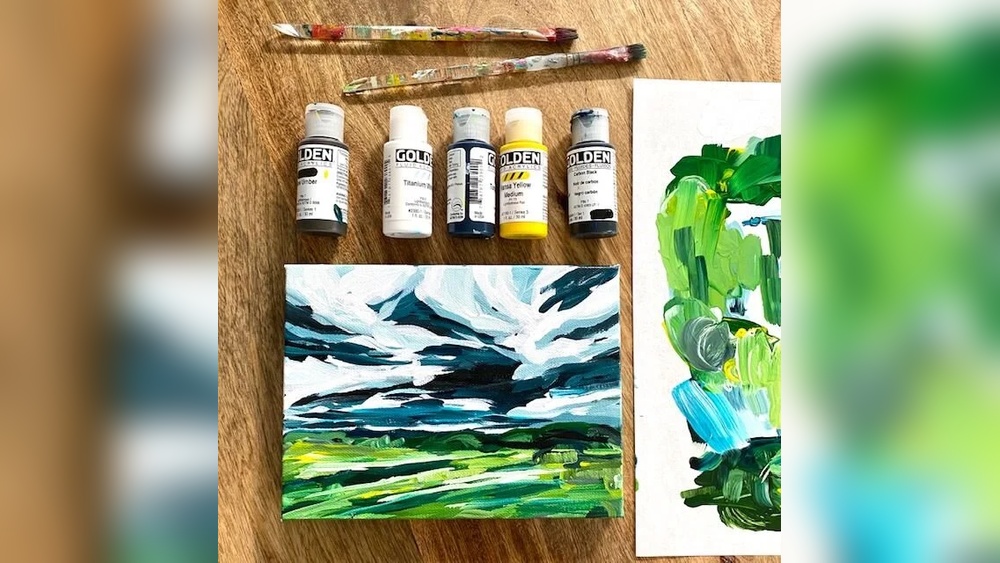
Are you ready to bring your creative ideas to life with vibrant colors and bold strokes? Acrylic painting for beginners is a fantastic way to express yourself, whether you’re a beginner or looking to improve your skills. Painting with acrylic paint on canvas offers a versatile and enjoyable experience.
In this guide, you’ll discover simple, practical tips that make painting with acrylics easy and enjoyable. From choosing the right brushes to mastering blending techniques, you’ll learn how to handle your paint confidently so every stroke looks just right. Keep reading to unlock the secrets that will transform your canvas into a stunning work of art!
Choosing Supplies
Choosing the right supplies is the first step to a great acrylic painting experience. Good materials make painting easier and more enjoyable. This section covers the basics of selecting paints, brushes, and preparing your canvas.
Selecting Acrylic Paints
Choose high-quality acrylic paints for better color and durability. Look for vibrant colors that dry quickly and last long. Start with a basic set of primary colors and white. You can mix these to create many shades. Avoid very cheap paints as they may have less pigment.
Picking The Right Brushes
Select brushes made for acrylic paint. Synthetic bristles work best because they hold paint well and are easy to clean. Use a mix of shapes like flat, round, and filbert for different effects. Size matters too—small brushes help with details, while large ones cover bigger areas quickly.
Preparing Your Canvas
Use a primed canvas to protect your work and improve paint adhesion. Most canvases come pre-primed, but you can add extra layers of gesso for a smoother surface. Let the gesso dry fully before painting. Stretch your canvas tightly to avoid wrinkles or sagging during painting.
Setting Up Workspace
Creating the right workspace is essential before you start painting with acrylics on canvas. A well-organized and comfortable area helps keep focus and makes painting more enjoyable. It reduces distractions and protects your materials and surfaces. Preparing your space thoughtfully sets a good foundation for your art.
Organizing Materials
Gather all your acrylic paints, brushes, water containers, and palette in one place. Arrange them neatly so you can reach everything easily. Keep your canvas on an easel or flat surface within arm’s length. Place paper towels or rags nearby to clean brushes quickly. This setup saves time and helps maintain your creative flow.
Protecting Surfaces
Cover your workspace with old newspapers, plastic sheets, or a drop cloth. Acrylic paint can stain tables and floors permanently. Use a palette or disposable plate for mixing colors. Wear an apron or old clothes to avoid stains. Protecting your area lets you paint freely without worrying about mess.
Lighting And Comfort
Good lighting is key to seeing true colors and details. Use natural daylight or bright white lamps. Avoid harsh shadows or glare on your canvas. Set up a comfortable chair and maintain good posture. Take breaks to relax your eyes and hands. Comfort keeps you focused and reduces fatigue during painting sessions.
Preparing The Canvas
Preparing the canvas is the first step in creating a great acrylic painting. A well-prepared surface helps the paint stick better and last longer. It also makes your colors look bright and vivid. Taking time to prepare your canvas sets a strong base for your artwork. Here are key steps to get started.
Priming The Surface
Priming the canvas creates a smooth, even base for acrylic paint. Most canvases come pre-primed, but adding another layer can improve paint adhesion. Use gesso, a white acrylic primer, to coat the surface. Apply with a wide brush or roller in thin, even strokes. Let the first coat dry, then add a second for best results. This seals the canvas fibers and prevents paint from soaking in.
Choosing Canvas Orientation
Decide if your canvas will stand tall or lie wide. Portrait orientation suits vertical subjects like people or trees. Landscape orientation fits wide scenes like fields or skies. The choice affects your painting’s composition and feel. Position your canvas on an easel or flat surface before starting. This helps you plan the space and angle for painting.
Sketching Basic Shapes
Sketching basic shapes on your canvas helps guide your painting process. Lightly draw outlines with a pencil to plan your composition. This step is especially helpful for beginners in acrylic painting, as it provides a roadmap for your artwork.
Basic Techniques for Acrylic Painting
Learning basic techniques is crucial for acrylic painting for beginners. These techniques will help you create different textures and effects on your canvas.
Blending Colors
Blending colors smoothly is a key skill in acrylic painting. Use a damp brush to blend colors on the canvas while the paint is still wet. Practice blending to achieve gradients and soft transitions between colors.
Layering Paint
Layering paint adds depth and dimension to your artwork. Allow each layer to dry before applying the next. This technique is useful for building up colors and creating highlights and shadows.