Have you ever wondered if the quality of your canvas truly makes a difference in your artwork? The truth is, it does—and more than you might think.
Your choice of canvas affects how your paint behaves, how vibrant your colors stay, and even how long your masterpiece will last. Whether you’re just starting out or aiming to create gallery-worthy pieces, understanding canvas quality can change the way you paint and the results you achieve.
Keep reading, and you’ll discover why investing in the right canvas isn’t just about materials—it’s about unlocking your full creative potential.

Credit: tabletopterrain.com
Canvas Materials
Canvas material plays a key role in painting quality and durability. The type of fabric affects how paint sticks and how long the artwork lasts. Choosing the right canvas material ensures better results and satisfaction.
Artists often decide between natural and synthetic fabrics. Each has unique benefits and drawbacks. Understanding these differences helps in selecting the best canvas for your needs.
Cotton Vs Linen
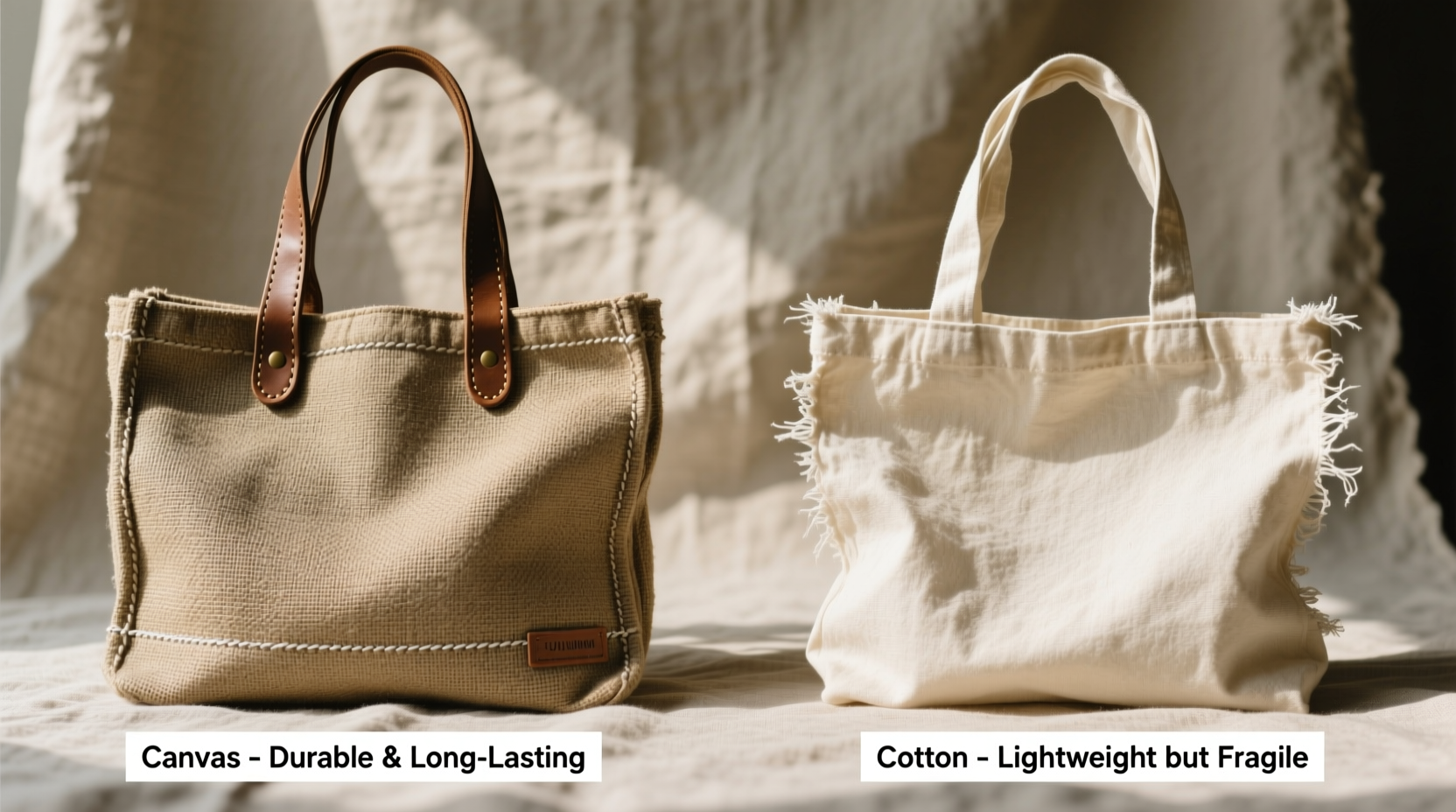
Cotton canvas is popular for its affordability and smooth surface. It has a soft texture that holds paint well. Cotton is easier to stretch and prime. It suits beginners and casual painters.
Linen canvas is stronger and more durable. It has a tighter weave that creates a refined texture. Linen resists warping and lasts longer over time. This makes it ideal for professional and gallery work. The price is higher but worth the investment for serious artists.
Polyester Options
Polyester canvas offers high strength and resistance to stretching. It does not absorb moisture easily, reducing warping risks. Polyester is less common but works well for certain outdoor or mixed-media projects.
This material can be coated for smoothness or left rough for texture. It is often more affordable than linen but less breathable than cotton. Polyester suits artists needing durable, weather-resistant surfaces.
Credit: www.etsy.com
Weave And Texture
The weave and texture of a canvas greatly influence the painting experience and final artwork. Artists notice how the surface feels under their brush and how paint settles on it. Different weaves create unique textures, affecting detail and overall appearance.
Choosing the right weave and texture can help achieve the desired effect in your painting. Both thread count and surface smoothness play key roles in canvas quality.
Thread Count Importance
Thread count refers to the number of threads per inch in the canvas fabric. Higher thread counts mean a tighter weave and a finer surface. This type of canvas holds paint better and allows for more detailed work. A low thread count canvas has a loose weave, which soaks paint quickly and may cause uneven texture. Artists who want crisp lines and smooth gradients often prefer a high thread count canvas.
Surface Smoothness
Surface smoothness depends on the type of fabric and how it is primed. A smooth canvas surface lets the brush glide easily and helps create clean edges. Rough textures add character but can limit fine detail. Priming also affects smoothness; even coats of gesso create a uniform base. Uneven priming leads to blotchy paint absorption and a less professional look.
Stretcher Bars
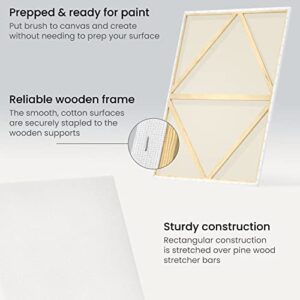
Stretcher bars form the frame of the canvas. They keep the canvas tight and flat. Good stretcher bars improve painting stability. Poor-quality bars can cause issues over time.
Strong stretcher bars support the canvas and prevent sagging. Artists rely on them for a smooth painting surface. Below are key factors to consider in stretcher bars.
Wood Quality
High-quality wood is firm and durable. It resists bending and breaking. Kiln-dried wood is best because it loses moisture before use. This drying stops future shrinking or warping. Soft or wet wood can twist or warp easily. It also may damage your painting over time.
Warping Prevention
Warping changes the shape of the canvas frame. It causes a wavy or loose surface. To avoid warping, choose stretcher bars with good wood and design. Bars should be thick enough to stay straight. Some bars have special joints that lock tight. These joints hold the frame firmly in place.
Cross Supports
Cross supports add extra strength to large canvases. They connect stretcher bars in the middle. This support stops bending or bowing. Without cross supports, wide canvases may sag in the center. Cross supports keep the canvas flat and stable. They are important for bigger or heavier artworks.
Priming And Gesso
Priming and gesso play a crucial role in preparing your canvas for painting. Gesso acts as a base layer that seals the fibers of the canvas. This prevents paint from soaking in and ensures better adhesion. Proper priming improves the texture and longevity of your artwork. Understanding how to apply gesso correctly can greatly affect your painting experience and results.
Number Of Coats
Applying multiple coats of gesso creates a stronger surface. One coat often leaves the canvas too rough or absorbent. Two to three coats provide a smooth, sealed base. Each layer should dry fully before adding the next. This builds a durable, even surface that holds paint well.
Even Application
Spreading gesso evenly avoids patchy areas on the canvas. Thin spots let paint soak in unevenly. Use a wide brush or roller for smooth coverage. Work in one direction to maintain consistency. This helps paint glide effortlessly and blend better on the surface.
Avoiding Chalkiness
Chalky gesso can crack or flake off over time. It weakens the painting’s durability. Use high-quality gesso to prevent this issue. Avoid applying too thick layers at once. Sand lightly between coats for a smooth finish. This creates a solid base that lasts for years.
Cheap Vs Expensive Canvas
Choosing between cheap and expensive canvas affects your painting experience and final artwork. Cheap canvases may save money but often lack quality. Expensive canvases usually offer better materials and craftsmanship. Understanding these differences helps you pick the right canvas for your needs and budget.
Durability Differences
Cheap canvases use thinner wood for stretcher bars. This wood can bend or warp over time. The fabric often has a loose weave that tears easily. Expensive canvases use strong, kiln-dried wood bars. Their fabric is tightly woven, resisting damage. They hold their shape better and last longer.
Paint Absorption
Cheap canvases soak up paint unevenly. This happens because of their coarse, loose weave. Paint may appear dull or blotchy on these surfaces. Expensive canvases have a smooth, tight weave. They absorb paint evenly, showing vibrant colors. Their quality priming stops paint from sinking in too much.
Longevity Considerations
Cheap canvases often have uneven gesso layers. Gesso may crack or flake after some time. This damages the painting’s surface and look. Expensive canvases are primed with smooth, even coats. This protects the paint and canvas for years. Their materials resist aging, keeping artwork fresh and stable.
Choosing Canvas By Purpose
Choosing the right canvas depends on what you want to create. Different projects need different canvas qualities. The purpose of your work guides your choice. Selecting the proper canvas improves your painting experience and outcome.
Some canvases are good for quick sketches and practice. Others suit professional or gallery-quality art. Understanding these differences helps you save money and get better results.
Practice And Sketching
For practice and sketches, a basic canvas works well. These are usually made from cotton with a loose weave. They absorb paint quickly and are less expensive. This type is perfect for testing ideas or rough drafts.
Practice canvases may have uneven surfaces or thin priming. They can warp or wear out faster. These issues do not matter much for early work. The focus is on speed and flexibility, not on lasting quality.
Professional And Gallery Work
Professional work needs a stronger, high-quality canvas. Linen is often the top choice because it is durable and smooth. It has a tight weave and holds paint well. A well-primed canvas prevents paint from soaking in too fast.
Gallery canvases have sturdy stretcher bars that resist warping. This keeps the artwork flat and stable over time. The surface should feel smooth and ready for detailed painting. Investing in quality canvas makes your art last longer and look better.
Impact On Painting Process
The quality of canvas directly influences how you paint. It affects the texture, ease, and final look of your work.
Choosing the right canvas can save frustration and improve your artistic flow. The painting process feels smoother and more controlled with quality materials.
Paint Glide And Handling
High-quality canvas has a smooth, even surface that helps paint glide easily. This makes brush strokes cleaner and more precise. Lower quality canvas can feel rough and uneven, causing paint to catch or skip.
Good canvas also holds paint better, allowing for layering without unwanted absorption. This gives artists more control over blending and detailing.
Color Vibrancy
Canvas quality impacts how colors appear. Fine canvas with proper priming shows colors bright and true. It prevents paint from dulling or soaking in too much.
Cheap canvas often absorbs paint unevenly, leading to faded or patchy colors. A well-prepared canvas keeps the paint vibrant for longer.
Aging And Preservation
Durable canvas helps your artwork last longer without damage. Quality materials resist warping, cracking, and discoloration. This protects your painting over time.
Poor canvas can degrade quickly, causing paint to flake or the surface to become fragile. Investing in good canvas ensures your art stays beautiful for years.
Preventing Canvas Issues
Preventing canvas issues starts with understanding how quality affects your artwork. Low-quality canvas can warp, crack, or lose its texture over time. Taking steps to protect your canvas keeps your painting looking fresh and vibrant. Simple care and good materials extend the life of your work.
Proper handling and storage also help avoid common problems. Using the right tools and environment prevents damage. These habits save time and money by reducing repairs and replacements.
Warping Solutions
Warping occurs when wood stretcher bars bend or twist. Choose stretcher bars made from kiln-dried hardwood for better stability. Tighten the keys in the corners to keep the canvas taut. Avoid exposing your canvas to high humidity or direct sunlight. Store paintings flat or upright in a dry, cool place. A warped canvas distorts your image and makes painting difficult.
Maintaining Surface Integrity
Surface integrity means keeping the paint layer smooth and intact. Use high-quality gesso for even priming. Apply at least two coats to seal the canvas fibers well. Avoid rough brushes or scraping tools that can damage the surface. Clean your brushes properly to prevent dirt buildup. Protect finished paintings with a varnish to guard against dust and moisture. Regularly check for signs of flaking or chalkiness and address them early.
Artist Experiences
Many artists share their experiences about how canvas quality impacts their work. Their stories reveal how canvas affects paint flow, texture, and the final look. Artists notice differences in how smooth or rough the surface feels under their brush. Some say poor canvas can limit their creativity and cause frustration.
Using a high-quality canvas often leads to better color richness and durability. Artists feel more confident when their artwork lasts longer without damage. The choice of canvas also influences how much effort they spend preparing the surface. Many prefer canvases that require less priming and provide a consistent texture.
Brand Comparisons
Artists often test multiple canvas brands to find the best fit. Popular brands vary in material, weave tightness, and priming quality. Some artists favor linen canvases for their strength and fine texture. Others choose cotton for affordability and good paint absorption. Reviews often highlight how certain brands resist warping better over time.
Comparing brands helps artists understand the value behind price differences. For example, some budget canvases have a coarse weave that soaks paint unevenly. Premium brands offer smooth, even priming that enhances color vibrancy. Many artists recommend trying samples before buying large quantities.
Video Reviews
Video reviews provide visual proof of canvas quality differences. Artists demonstrate how paint behaves on various canvases. They show close-ups of texture, weave, and priming layers. These videos often compare cheaper canvases with premium options side by side.
Viewers see how some canvases warp or peel over time. Others reveal how smooth surfaces allow better brush control. Video creators also share tips on choosing canvases based on painting style and medium. Watching these reviews helps artists make informed canvas choices.
Credit: www.alibaba.com
Frequently Asked Questions
Does The Quality Of The Canvas Matter?
Yes, canvas quality matters. It affects paint application, durability, and the artwork’s longevity. High-quality canvases provide a smoother surface and resist warping, ensuring vibrant, lasting results. Choosing premium canvas enhances your painting experience and final presentation, especially for professional or gallery pieces.
How To Tell If A Canvas Is Good Quality?
Check for a tight, even weave and sturdy stretcher bars. Ensure smooth, even priming without flaking or chalkiness. Quality canvas feels firm, resists warping, and supports vibrant paint.
What Is The Difference Between Cheap Canvas And Expensive Canvas?
Cheap canvas uses lower-grade materials, loose weave, thin bars, and uneven priming, causing warping and dull colors. Expensive canvas features tight linen or cotton weave, strong kiln-dried bars, and smooth, even priming for durability and vibrant, long-lasting artwork.
What Is The 80/20 Rule In Painting?
The 80/20 rule in painting means 80% of your effort should focus on preparation and planning. The remaining 20% involves actual painting. This balance improves results and efficiency, helping artists create better artwork with less wasted time.
Conclusion
Choosing the right canvas impacts your painting’s look and life. Good canvas holds paint well and stays strong longer. It helps colors stay bright and details clear. Cheap canvas may warp or lose paint over time. Artists often prefer quality canvas for serious work.
Even beginners see better results with a sturdy surface. Quality affects how you enjoy painting too. Remember, a better canvas supports your creativity and art’s future. Think of it as a foundation for your masterpiece.