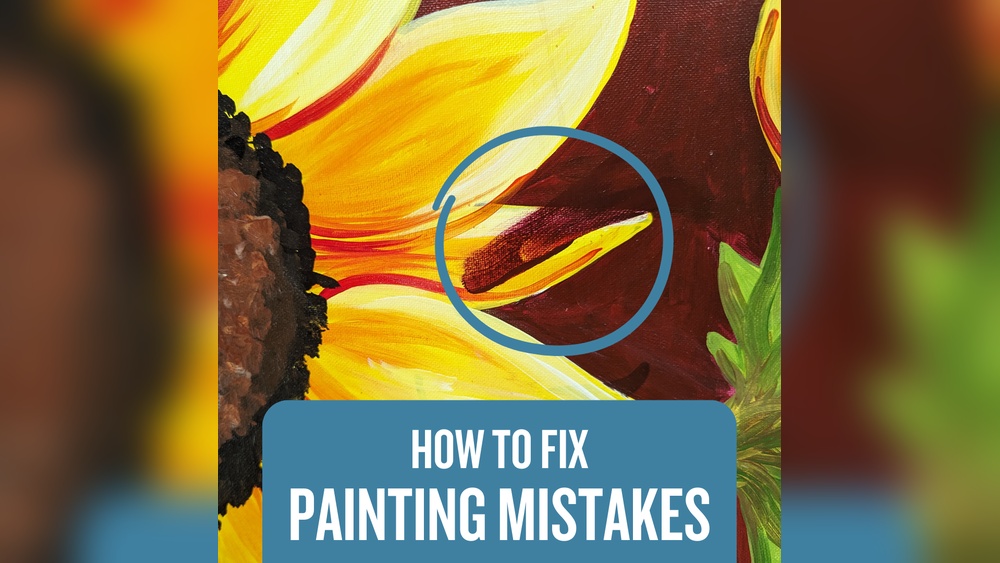
Have you ever looked at your acrylic painting and noticed a mistake that dried before you could fix it? It can be frustrating to see your hard work marred by unwanted smudges, uneven strokes, or colors that don’t blend the way you wanted.
But don’t worry—you don’t have to start over or throw your canvas away. You’ll discover simple, effective ways to fix dried acrylic paint mistakes. By the end, you’ll feel confident turning those errors into part of your masterpiece. Ready to save your painting and sharpen your skills?
Let’s dive in.
Common Acrylic Paint Mistakes
Acrylic paint is popular for its fast drying and vibrant colors. Still, mistakes happen often, especially for beginners. Knowing the common acrylic paint problems helps fix them quickly. This guide covers three frequent issues artists face.
Uneven Brush Strokes
Uneven brush strokes happen when paint dries too fast or the brush is too dry. This causes rough texture and inconsistent coverage. Use a wet brush or add a little water to smooth strokes. Paint in thin layers to avoid thick spots. Work quickly before paint dries.
Color Bleeding
Color bleeding occurs when wet colors mix unintentionally. This blurs edges and changes shades. Avoid placing wet colors side by side. Let the first color dry before adding the next. Use painter’s tape for sharp edges. Control brush pressure to stop paint from spreading.
Paint Cracking
Paint cracking happens if the paint layer is too thick or dries unevenly. It makes the surface look old and damaged. Apply thinner paint layers and let each dry completely. Use a proper acrylic medium to keep paint flexible. Avoid painting over a still-wet base layer.
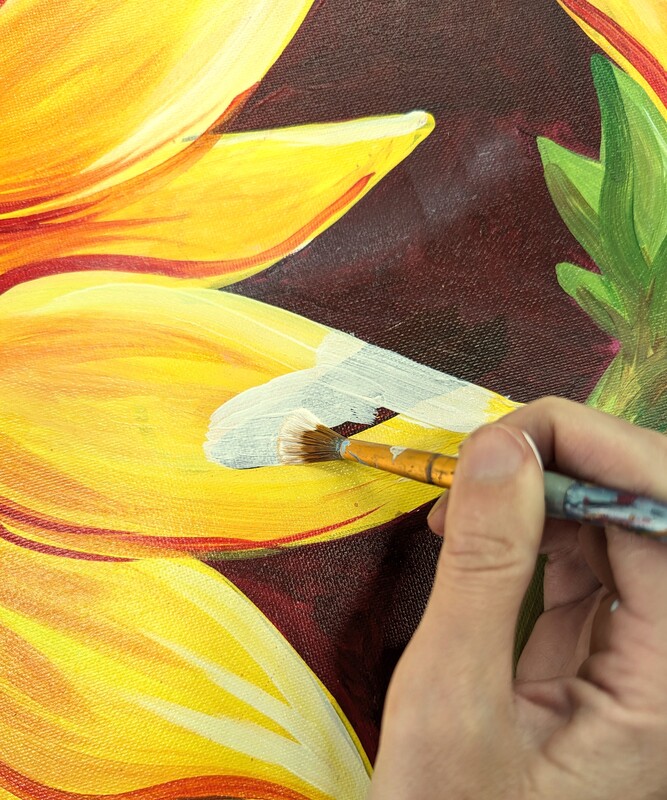
Credit: www.thesketchingpad.com
Tools For Fixing Mistakes
Fixing dried acrylic paint mistakes requires the right tools. These tools help remove or cover errors smoothly. Using proper tools saves time and keeps your artwork neat. Here are some common tools you need for correcting acrylic paint mistakes.
Brush Types
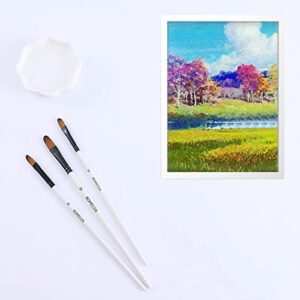
Different brushes serve different purposes in fixing paint errors. A flat brush helps cover large areas quickly. Round brushes are perfect for detailed corrections. Fan brushes blend edges and soften mistakes. Choose brushes with synthetic bristles for acrylic paint. Clean brushes well after use to keep them effective.
Palette Knives
Palette knives scrape off dried paint without damaging the surface. They also spread new paint evenly over errors. Use a small palette knife for precise scraping. Larger knives work well for removing bigger patches. These tools are easy to clean and reuse many times.
Sandpaper And Scrapers
Sandpaper smooths rough paint patches or thick spots. Use fine-grit sandpaper to avoid scratching the canvas. Scrapers help lift stubborn dried paint layers carefully. Both tools prepare the surface for repainting. Work gently to keep your painting surface intact.
Removing Dried Paint
Removing dried acrylic paint can be tricky but not impossible. Quick action helps, but even older paint can be treated. The key is using the right method and materials. This section covers easy ways to remove dried paint from brushes, surfaces, or mistakes on your canvas.
Using Water And Soap
Start with warm water and mild soap for small paint spots. Soak the area briefly to soften the paint. Gently scrub with a soft brush or cloth. This method works best when paint is not fully hardened. It’s safe and gentle for most surfaces.
Applying Rubbing Alcohol
Rubbing alcohol helps break down dried acrylic paint quickly. Apply a small amount to a cotton ball or cloth. Dab the paint spot carefully, letting the alcohol work. Rub lightly until the paint loosens. Always test on a hidden area first to avoid damage.
Solvent Options
Stronger solvents can remove tough, dried acrylic paint. Look for products like acetone or commercial acrylic removers. Use these in a well-ventilated area and wear gloves. Apply with care using a cloth or brush. These solvents can be harsh, so use sparingly and test first.

Credit: www.youtube.com
Sanding And Smoothing Surfaces
Sanding and smoothing surfaces is a key step to fix dried acrylic paint mistakes. It helps remove rough patches and uneven areas. This process creates a smooth base for repainting. Proper sanding makes your artwork look clean and polished. Follow the right steps to get the best results.
Choosing The Right Grit
Select sandpaper grit based on the paint thickness. Coarse grit (80-120) removes thick paint quickly. Medium grit (150-220) smooths rough edges gently. Fine grit (320-400) prepares the surface for repainting. Start with coarse grit for big flaws. Switch to finer grit to avoid scratches.
Sanding Techniques
Sand in small, circular motions for even smoothing. Avoid pressing too hard to prevent damage. Keep the sandpaper moving to avoid deep marks. Focus on problem areas with gentle strokes. Use a sanding block for flat surfaces. Check progress often to stop at the right time.
Cleaning After Sanding
Remove dust and debris after sanding. Use a soft brush or cloth to wipe the surface. Clean surfaces help new paint stick better. Avoid water unless the surface is completely dry. Let the area air dry before repainting. A clean base ensures a smooth finish.
Repainting Over Mistakes
Fixing dried acrylic paint mistakes can feel tricky. Repainting over these mistakes helps restore your artwork without starting over. This method covers errors smoothly and improves the final look. Follow simple steps to get the best results.
Priming Tips
Start by cleaning the painted surface lightly. Use fine sandpaper to remove bumps or loose paint. Apply a thin layer of primer to help new paint stick well. Choose a primer that matches your paint type. Let the primer dry fully before painting again.
Layering Paint Correctly
Apply paint in thin, even layers. Thick layers may crack or peel later. Wait for each layer to dry completely before adding the next. This method builds strong, smooth coverage. Use a soft brush for gentle strokes and better control.
Blending Colors Seamlessly
Match the new paint color closely with the original. Use small amounts of paint to blend edges gently. Work quickly while the paint is wet for smooth transitions. Soft brushes or sponges can help blend colors naturally. Avoid harsh lines for a clean finish.
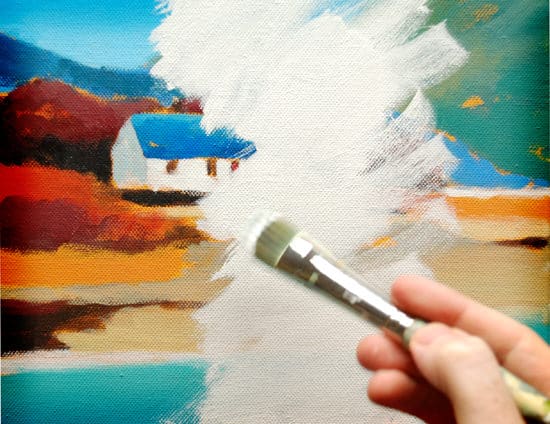
Credit: willkempartschool.com
Preventing Future Mistakes
Preventing mistakes with acrylic paint saves time and frustration. Small habits can make a big difference. These tips help keep your paint smooth and your work clean. Avoid common issues by following simple steps before you start painting again.
Proper Paint Consistency
Thick paint is hard to fix once dry. Always check the paint’s thickness before applying. Add a little water or acrylic medium to thin it out. Paint should flow easily but not drip. This keeps your strokes smooth and easy to adjust.
Brush Care
Dirty or stiff brushes cause uneven paint layers. Clean brushes thoroughly after each use. Use warm water and mild soap to remove paint. Store brushes flat or upright with bristles up. Good brush care helps you paint clean lines and avoid mistakes.
Drying Time Awareness
Acrylic paint dries fast but varies by thickness. Know how long your paint needs to dry before adding new layers. Wait until the paint feels dry to touch to avoid smudging. Patience prevents mixing colors unintentionally and keeps your work neat.
Frequently Asked Questions
How Can I Remove Dried Acrylic Paint Mistakes?
You can remove dried acrylic paint by gently sanding the surface or using a damp cloth with mild soap. For thicker paint, carefully scrape it with a palette knife. Always test a small area first to avoid damage.
Can I Repaint Over Dried Acrylic Paint Errors?
Yes, you can repaint over dried acrylic paint mistakes. Lightly sand the area to create a smooth surface. Then, apply a primer if needed before repainting to ensure better adhesion and a clean finish.
What Tools Help Fix Dried Acrylic Paint Mistakes?
Common tools include a palette knife, fine sandpaper, damp cloth, and mild soap. These help remove or smooth dried paint. Using the right tools ensures the repair is clean without damaging your artwork or surface.
Is It Safe To Use Solvents On Dried Acrylic Paint?
Solvents like rubbing alcohol or acetone can soften dried acrylic paint but use them cautiously. Test a small area first, as solvents may damage the surface or colors. Always work in a well-ventilated area when using chemicals.
Conclusion
Fixing dried acrylic paint mistakes can save your artwork. Use gentle sanding or paint thinner carefully. Repaint small areas with matching colors. Patience helps achieve a smooth finish. Small fixes make a big difference. Keep practicing to improve your skills.
Your painting will look better with time. Don’t give up; every artist learns from mistakes. Try these tips next time you paint.