PaintingProGuide is reader-supported. When you buy through links on this page we may earn an affiliate commission at no extra cost to you.
Acrylics dry fast. That is their great virtue right up until you try to blend a sky, soften a shadow edge or pull a smooth gradient across a canvas, at which point a film forms before you have finished the stroke. The best acrylic paint medium for blending is the one that fixes the specific thing stopping you: a retarder if the paint sets too quickly, a flow improver if it drags and leaves brush marks, or a glazing or flow medium if you want to build soft transitions in thin translucent layers.
This guide sorts the current Amazon options into those three jobs. A true retarder is the only product here that actually slows drying; flow aids and pouring mediums change how the paint moves, which helps blending in a different way. We explain the difference, pick the best bottle for each approach, and show how to use them without wrecking the paint film.
Quick answer: For wet-on-wet blending and smooth gradients, the Falling in Art 8 oz Acrylic Retarder is the top pick because it directly extends open time. The IMPRESA Acrylic Thinner and Mixing Medium combines a retarder with a flow improver and is the best all-in-one for paint-by-number and canvas work. If your problem is drag and brush marks rather than drying speed, Liquitex Flow Aid is the professional-grade additive for that.
Our Top Picks at a Glance
- Falling in Art 8 oz Acrylic Retarder — Best for slowing drying time and wet-on-wet blending
- IMPRESA Acrylic Thinner & Mixing Medium 8 oz — Best all-in-one retarder and flow improver
- Liquitex Professional Flow Aid 118 ml — Best professional flow additive for brush-mark-free blends
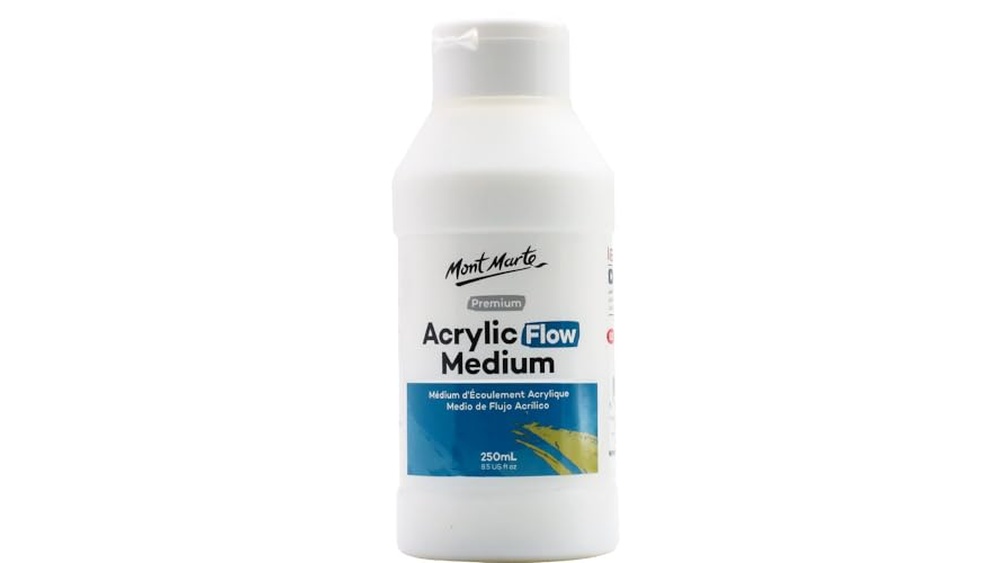
- Mont Marte Premium Acrylic Flow Medium 250 ml — Best budget flow medium for thinning without losing color
- Artecho Pouring Effects Medium 8 oz — Best for soft glazed transitions and fluid blends
- Shuttle Art Pouring Medium 250 ml — Best for fluid art and blended pours
| Product | Best For | Key Spec | Key Strength | Price Tier |
|---|---|---|---|---|
| Falling in Art Retarder | Wet-on-wet blending | 8 oz, slow-drying retarder, non-toxic | Extends open time significantly per listing | $ |
| IMPRESA Thinner & Mixing Medium | All-in-one blending aid | 8 fl oz, retarder plus flow improver, dilutes up to 25% | Odorless, non-curdling, made in USA | $ |
| Liquitex Flow Aid | Reducing drag and brush marks | 118 ml binder-free surfactant concentrate | Professional additive, also for staining | $ |
| Mont Marte Flow Medium | Budget thinning | 250 ml flow medium | Thins without reducing color intensity per listing | $ |
| Artecho Pouring Effects Medium | Glazes and fluid blends | 8 oz translucent medium, glossy finish | Creates glazes and smooths brush strokes | $ |
| Shuttle Art Pouring Medium | Fluid art and pours | 250 ml, 1:1 mix ratio | Keeps colors from muddying in pours | $ |
How We Chose
These picks are based on the Amazon listing details and specifications checked in October 2026, on how each product’s stated function (retarder, flow improver, glazing or pouring medium) matches the task of blending acrylics, and on how widely each listing is reviewed by Amazon buyers. We have not used these specific bottles for this article, and we only repeat properties the listings state or that follow from how each medium type works.
- Does it slow drying? Only retarders do. This is the first filter for anyone blending wet-on-wet.
- Does it improve flow? Flow aids and flow mediums reduce drag and brush marks, which helps soft transitions.
- Does it add binder? Binder-free additives (Flow Aid) must be used in small amounts; mediums with binder can be used more freely.
- Bottle size and value: 8 oz and 250 ml bottles last a long time at the few-drops-per-mix rates these products need.
- Safety statements: several listings cite ASTM D-4236 or non-toxic formulas.
Best Acrylic Paint Mediums for Blending Reviewed
1. Falling in Art 8 oz Acrylic Retarder Medium — Best for wet-on-wet blending

This is a dedicated retarder, which puts it ahead of every flow or pouring product on the list for the specific job of blending. The listing says it significantly slows the drying time of acrylic paints to allow more time for detailed blending, smooth gradients and adjustments, and that it maintains color intensity rather than diluting it.
Retarders work by slowing water evaporation from the paint film. Used at a modest ratio (manufacturer guidance usually sits around ten to fifteen percent of paint volume) you gain several extra minutes of workable paint; overdo it and the film can stay tacky or weaken. The listing describes a non-toxic formula suitable for studio use.
Best suited for: Painters doing portraits, skies, soft florals or any wet-on-wet technique who need the paint to stay open long enough to blend edges on the canvas.
Key features:
- 8 oz bottle
- Slow-drying retarder for acrylic paint
- Maintains color intensity per listing
- Non-toxic formulation per listing
- Suited to detailed brushwork and color mixing
- From an art-supply brand that also sells brushes, easels and panels
Pros:
- Directly addresses the fast-drying problem
- Does not dilute color like water does
- Generous bottle for a product used in small amounts
Cons and limitations:
- Too much retarder weakens the paint film
- Does not improve flow or thin the paint on its own
- Listing gives no recommended ratio; start low
Buying consideration: Mix a small amount into each puddle of color rather than into the whole tube, and keep a wet palette or spray bottle nearby. For glazing or pouring, pair it with a flow or glazing medium instead of adding more retarder.
2. IMPRESA Acrylic Paint Thinner & Mixing Medium 8 fl oz — Best for an all-in-one blending aid

IMPRESA bundles two jobs into one bottle: a slow-drying retarder and a flow improver, odorless and water-based. The listing says it dilutes paint by up to 25 percent while preserving color quality, works with heavy body or fluid acrylics, and uses a non-curdling formula for smooth application. It is made in the USA and leans heavily on paint-by-number use in its description.
That dual action is useful for blending because fast drying and brush drag usually show up together. Thinning slightly while extending open time lets a soft synthetic brush feather one color into another without the tacky catch that ruins gradients.
Best suited for: Paint-by-number painters, hobbyists and beginners who want one bottle that both slows and smooths acrylics without learning separate additives.
Key features:
- 8 fl oz bottle
- Combined retarder and flow improver
- Dilutes paint up to 25% per listing
- Odorless, water-based, non-curdling
- For heavy body or fluid acrylics
- Made in the USA
Pros:
- One product covers both common blending problems
- Odorless and easy to use indoors
- Reduces paint waste by extending usability
Cons and limitations:
- A combination product is less adjustable than separate retarder and flow aid
- Listing is paint-by-number focused
- Mid-range price tier
Buying consideration: If you are not sure whether drying speed or drag is your bigger issue, start here. Advanced painters who want precise control will eventually prefer a separate retarder and flow improver.
3. Liquitex Professional Flow Aid 118 ml — Best for reducing drag and brush marks

Flow Aid is a concentrated, binder-free aqueous solution with surfactants. According to the listing it is used with any acrylic medium or color when you need increased flow and absorption and decreased film tension and friction, and it is especially good for staining effects on raw canvas.
For blending, that reduction in friction is what matters: paint glides instead of catching, so brush marks level out and two colors meet without ridges. Because it contains no binder, Liquitex specifies diluting it with water before use and keeping the proportion low; it is an additive, not a medium you can use freely.
Best suited for: Intermediate and professional acrylic painters who want a controlled, professional-grade way to improve flow for smooth blends, glazes and stains.
Key features:
- 118 ml (4 oz) concentrate
- Binder-free aqueous surfactant solution
- Increases flow and absorption
- Decreases film tension and friction
- Suited to staining raw canvas
- Liquitex Professional range
Pros:
- Professional formula from a major acrylic manufacturer
- A little goes a very long way
- Works alongside any acrylic color or medium
Cons and limitations:
- Does not slow drying
- Must be diluted and used sparingly because it has no binder
- Small bottle at a higher per-ounce price
Buying consideration: Buy Flow Aid for drag and brush marks, not for drying time. If the paint dries before you can blend, you need a retarder as well.
4. Mont Marte Premium Acrylic Flow Medium 250 ml — Best for budget thinning without losing color

Mont Marte’s flow medium thins acrylic paints and mediums and increases translucency without affecting color intensity or vibrancy, according to the listing. It enhances flow and is pitched as versatile for fluid art as well as brushwork.
For blending, a flow medium is the gentle alternative to water: it loosens the paint so it spreads and feathers, but because it carries binder it does not weaken the film the way heavy water dilution does. The 250 ml bottle is generous for the price tier.
Best suited for: Students and hobbyists who want an inexpensive, forgiving medium to thin acrylics for soft blends and translucent passages.
Key features:
- 250 ml bottle
- Thins acrylic paints and mediums
- Increases translucency without reducing color intensity per listing
- Enhances flow
- Suitable for fluid art
Pros:
- Lowest price tier with a large bottle
- Safer than water for thinning
- Helps both brush blending and pouring
Cons and limitations:
- Does not extend drying time
- Thin mixes dry even faster than tube paint
- Less documentation than professional brands
Buying consideration: Combine it with a retarder if you blend wet-on-wet; on its own it is best for layered, glaze-style blending where each thin layer dries before the next.
5. Artecho Pouring Effects Medium 8 oz — Best for soft glazed transitions

Despite the pouring name, Artecho’s listing describes this as a premium acrylic flow medium that reduces viscosity and brush strokes, creates glazes, and increases flowability, smoothness, transparency and brightness. It dries to a glossy finish that the listing says can also be used as a top coat, and it is ASTM D-4236 and EN 71-3 compliant.
Glazing is the second route to smooth blending in acrylics: instead of fighting the drying time, you build a transition from several transparent layers. A medium like this, mixed generously with a little color, is what makes those layers even and streak-free.
Best suited for: Painters who prefer layered, glazed blending over wet-on-wet, and fluid artists who want one medium for both pours and translucent brushwork.
Key features:
- 8 oz (236 ml) translucent medium
- Reduces viscosity and brush strokes per listing
- Creates glazes and increases transparency
- Dries glossy; usable as a protective coat
- ASTM D-4236 and EN 71-3 compliant
- Visible-level bottle
Pros:
- Doubles as a glazing medium
- Gloss finish deepens color
- Low price tier
Cons and limitations:
- Does not slow drying
- Gloss may not suit matte paintings
- Cannot replace a varnish for long-term protection
Buying consideration: Use it for layered blends and glazes; keep a true retarder on hand for passages that must be blended wet.
6. Shuttle Art Pouring Medium 250 ml — Best for fluid art and blended pours

Shuttle Art’s pouring medium is designed around a simple 1:1 mix with acrylic paint to make it pourable. The listing says it increases flow and transparency while preserving saturation, reduces viscosity, smooths application and prevents colors from muddying, in a clear 250 ml bottle so you can see how much is left.
For blending it belongs in the fluid-art category: tilt pours, dirty pours and swipes produce soft gradients because the colors flow into each other rather than being brushed. It is not the tool for brush-blended portraits, but it is the right one if your idea of blending happens on a tilted canvas.
Best suited for: Fluid artists and anyone making abstract backgrounds who wants gradients to form by flow rather than brushwork.
Key features:
- 8.45 fl oz (250 ml) clear bottle
- 1:1 mixing ratio per listing, adjustable
- Increases flow and transparency
- Prevents colors from muddying in pours
- Works on canvas, wood, rocks and more
Pros:
- Simple mixing ratio
- Transparent bottle shows remaining volume
- Good value for frequent pours
Cons and limitations:
- Not meant for brush blending
- Does not slow drying for brushwork
- Pours need a level surface and long drying
Buying consideration: Pick this only if you pour. For brush blending choose a retarder or flow aid instead.
Buying Guide: How to Choose an Acrylic Medium for Blending
Identify the real problem first
If paint dries before you can feather an edge, you need a retarder. If it stays wet but drags and leaves ridges, you need a flow improver. If you want soft transitions without racing the clock, you want a glazing or flow medium and a layered approach. Buying a pouring medium to fix brush blending is the most common wrong turn.
Retarder ratio
Retarders are powerful. Most manufacturers recommend keeping them to a small fraction of the paint volume. Too much keeps the film tacky for days and can compromise adhesion, so measure rather than pour.
Binder or no binder
Liquitex Flow Aid is binder-free and must be diluted in water and used sparingly. Flow mediums (Mont Marte, Artecho) contain acrylic binder and can be mixed more freely. Know which type you hold before you add it.
Heavy body or fluid paint
Heavy body acrylics benefit most from retarders and flow aids; fluid acrylics already flow and mainly need open time. Match the medium to the paint consistency you actually use.
Finish
Flow and pouring mediums often dry glossy. If you paint matte, test the medium on a scrap first or plan on a matte varnish at the end.
Bottle size
Because retarders and flow aids are used in drops, an 8 oz or 250 ml bottle lasts months. Buy the small professional concentrate (Flow Aid) when precision matters and the larger budget bottles when you use medium generously for glazes or pours.
Safety and odor
All the products here are water-based and several cite ASTM D-4236. Odorless formulas (IMPRESA, Falling in Art) are better for small rooms and shared spaces.
Go Deeper on Acrylic Mediums
If you are still deciding which bottle belongs on your table, our overview of what medium to use with acrylic paint walks through gels, glazing liquids, retarders and pouring mediums side by side. Once a blended painting is finished and fully dry, protect it with the steps in how to varnish an acrylic painting.
Common Mistakes to Avoid
- Adding retarder to the whole tube or palette instead of to individual mixes.
- Using undiluted Flow Aid straight from the bottle; it is a concentrate with no binder.
- Thinning with lots of water and expecting smooth blends; over-diluted acrylic dries faster and chalkier.
- Blending on a dry canvas; a light mist of water or a wet palette makes every medium work better.
- Buying a pouring medium for brushwork, or a retarder for pours.
- Using a gloss medium as a final varnish on a painting you want to keep for decades.
FAQs
What medium slows down acrylic paint drying for blending?
A retarder. Products like the Falling in Art Acrylic Retarder and the IMPRESA Thinner and Mixing Medium extend open time so you can blend wet-on-wet. Flow and pouring mediums do not slow drying.
Can I use water instead of a blending medium?
A little water is fine, but heavy dilution breaks down the binder, dries faster and can leave a weak, chalky film. A flow medium thins paint while keeping the binder intact.
How much retarder should I add to acrylic paint?
Keep it to a small proportion of the paint volume, generally in the range manufacturers recommend of roughly ten to fifteen percent. More than that can leave the surface tacky and weaken adhesion.
Is Liquitex Flow Aid the same as a retarder?
No. Flow Aid is a binder-free surfactant that reduces friction and improves flow. It does not extend drying time. Many painters use both a flow aid and a retarder together.
Which medium is best for smooth gradients in acrylic?
For wet-blended gradients, a retarder plus a soft brush. For layered gradients, a glazing or flow medium such as the Artecho or Mont Marte products, built up in thin transparent coats.
Do pouring mediums help with blending?
Only for fluid art, where colors blend by flowing together on a tilted surface. For brush blending, choose a retarder or flow improver instead.
Final Recommendation
If you blend wet-on-wet, buy the Falling in Art Acrylic Retarder; it is the one product on this list that attacks the real cause. If you want a single forgiving bottle, the IMPRESA Thinner and Mixing Medium does both jobs well enough for most hobby painting. Professionals who already own a retarder should add Liquitex Flow Aid for brush-mark-free passages. For glaze-based blending the Artecho Pouring Effects Medium or Mont Marte Flow Medium cost little and go a long way, and Shuttle Art Pouring Medium is strictly for pours.