If you’ve ever struggled with getting your oil paints to blend smoothly on canvas, you’re not alone. Blending oil paint is an essential skill that can transform your artwork by creating soft transitions and rich, lifelike effects.
But how do you achieve that flawless, seamless look without muddying your colors or losing control? You’ll discover simple, proven techniques to blend oil paint like a pro. Whether you’re a beginner or looking to refine your skills, these tips will help you take your painting to the next level—making your colors flow beautifully and your canvas come alive.
Ready to master the art of blending oil paint on canvas? Let’s dive in!
Preparing The Canvas
Preparing the canvas is the first step to smooth oil paint blending. A well-prepared surface helps the paint glide easily. It also ensures your colors mix softly without harsh edges. The canvas needs to be primed and textured correctly. This setup creates the right environment for your oil paints.
Priming With Gesso
Gesso is a white primer that covers the raw canvas. It seals the fibers and prevents paint from soaking in. This layer gives a smooth, slightly rough surface. The texture helps the paint stick well but still allows blending. Apply two to three thin coats with a wide brush. Let each coat dry fully before adding the next. This process creates an even base for your oil paints.
Applying Liquid Base Coats
A liquid base coat adds color and tone under your painting. It sets the mood and can help with blending later. Thin the oil paint with a medium to create a transparent layer. Spread it evenly over the primed canvas. This thin wash dries quickly and makes blending easier. Choose a color that complements your final painting’s palette.
Choosing The Right Surface Texture
The surface texture affects how your brushes move and blend paint. A smooth canvas lets you blend colors softly and gently. A rough surface adds texture and can create interesting effects. Consider your painting style before selecting the texture. You can also add texture with mediums like modeling paste. Test different textures to find what suits your blending technique best.
Selecting Oil Paints And Mediums
Selecting the right oil paints and mediums is key to blending smoothly on canvas. Choosing quality materials helps paint glide easily and mix well. Understanding the types of paints and mediums makes your blending more effective and enjoyable. This section guides you through the best options for oil paints and mediums to use.
Types Of Oil Paints For Blending
Oil paints come in various types, each with unique properties for blending. Traditional oil paints have a thick, buttery texture that blends nicely. Some artists prefer fast-drying paints for quicker layering. Others choose slow-drying paints to blend colors longer on the canvas. Heavy body oil paints offer thick coverage and smooth blending. Soft body paints flow more easily and are good for delicate transitions. Choose paints labeled as “artist quality” for richer pigment and better blending results.
Using Linseed Oil And Other Mediums
Linseed oil is the most common medium for oil paint blending. It thins paint without losing color strength. Linseed oil improves paint flow and extends drying time for smooth blending. Other popular mediums include walnut oil and poppy seed oil. These oils dry slower and yellow less over time. Mediums like stand oil add gloss and increase paint flexibility. Using the right medium helps control paint texture and drying speed.
Mixing Mediums For Desired Consistency
Mixing different mediums creates paint consistency suited to your style. Thin paint with more oil for smooth, transparent layers. Add a small amount of solvent like turpentine for faster drying and thinner texture. Use a combination of linseed oil and stand oil for a balance of flow and gloss. Adjust ratios slowly to avoid over-thinning. Testing your mix on a palette helps find the perfect consistency for blending. Properly mixed mediums make blending effortless and give your painting a polished look.
Essential Tools For Blending
Blending oil paint on canvas requires specific tools to achieve smooth transitions and rich textures. Choosing the right tools helps control the paint and create the effects you want. Understanding each tool’s role can improve your blending technique and make your artwork more vibrant.
Brush Types And Their Uses
Round brushes work well for detailed blending and soft edges. Flat brushes cover larger areas and create smooth gradients. Fan brushes help to feather paint and blend colors gently. Soft bristles prevent harsh lines and allow better control over paint flow. Using the right brush type depends on the area and effect you want.
Palette Knives And Blending Tools
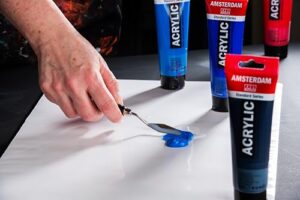
Palette knives mix colors cleanly on the palette before applying paint. They also spread paint thickly for textured blends. Blending tools like soft rubber scrapers help smooth paint on the canvas. These tools add variety to your blending and let you shape paint in unique ways.
Using Rags And Sponges
Rags remove excess paint and soften edges with gentle wiping. Sponges absorb paint and create subtle textures when dabbed lightly. Both tools offer control over paint thickness and blending speed. They are excellent for creating natural gradients and smooth transitions.

Credit: www.youtube.com
Basic Blending Techniques
Blending oil paint on canvas creates smooth, natural transitions between colors. It enhances depth and realism in your artwork. Basic blending techniques form the foundation for achieving this effect. Each method offers a unique way to mix and soften paint layers, helping you control texture and tone.
Wet-on-wet Blending
Wet-on-wet blending means mixing colors while the paint is still wet. Apply your first color, then add the second color next to it. Use a clean brush to gently mix the edges. Move the brush back and forth lightly to create a smooth fade. This method works well for skies and soft backgrounds.
Feathering And Softening Edges
Feathering softens harsh lines between colors. Use a dry, soft brush and lightly drag it along the edge. This breaks up the paint and blends the colors subtly. Repeat the process until the edge looks natural. Feathering is useful for blending shadows or highlights on objects.
Glazing For Smooth Transitions
Glazing uses thin, transparent layers of paint over dry layers. Mix oil paint with a medium to make it translucent. Apply a light glaze over the area you want to blend. This technique builds up color gradually and creates smooth transitions. Glazing adds richness and depth without disturbing underlying layers.
Advanced Blending Methods
Advanced blending methods help elevate your oil painting skills. These techniques create smooth transitions and rich textures on canvas. They allow you to add depth and realism beyond basic blending. Exploring these methods can improve your control over paint and enhance your artwork’s impact.
Creating Photorealistic Effects
Photorealistic blending mimics real-life light and shadow. Use soft brushes to gently mix colors on the canvas. Work slowly, blending edges where colors meet. Thin layers of paint help achieve smooth gradients. Pay close attention to highlights and reflections for realism. Patience is key to building a lifelike image.
Layering And Scumbling
Layering adds depth by applying paint in stages. Let each layer dry before adding the next. Use thin glazes to subtly change tones underneath. Scumbling applies a light, opaque layer over dry paint. This softens colors and creates texture. Use a dry brush with little paint for scumbling. Both techniques enhance complexity in your painting.
Using Modelling Paste For Texture
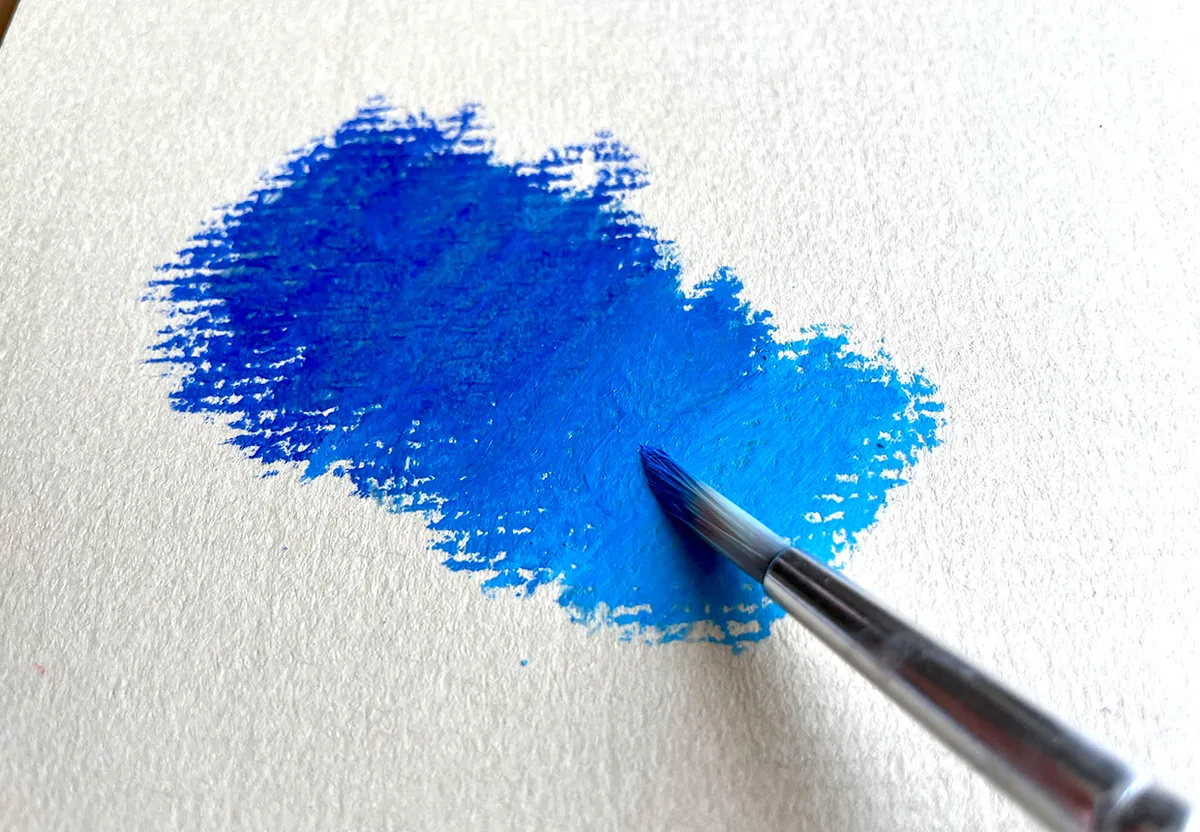
Modelling paste adds three-dimensional texture to canvas. Apply it with a palette knife before painting. It creates raised areas that catch light differently. Paint over dried paste to blend colors with texture. This method adds physical depth and visual interest. Experiment with shapes and thickness for unique effects.
Credit: www.gathered.how
Troubleshooting Common Issues
Troubleshooting is key in oil painting. Blending oil paint on canvas can pose challenges. Identifying and fixing issues quickly improves your work. Below are common problems and simple solutions to keep your painting smooth and vibrant.
Avoiding Muddy Colors
Muddy colors happen when paints mix too much. Avoid mixing many colors at once on your palette. Use clean brushes to blend, not to mix heavily. Keep colors separate until you softly blend on the canvas. Work with fresh paint layers to keep colors bright and clear.
Fixing Uneven Blends
Uneven blends create harsh lines or patches. Use a clean, dry brush to gently smooth these areas. Blend with soft, circular strokes to merge colors naturally. Add small amounts of paint gradually to control the transition. Patience helps achieve a smooth, even look.
Managing Drying Times
Oil paint dries slowly, which affects blending. Paint in thin layers to control drying speed. Use a slow-drying medium to extend blending time if needed. Let layers dry completely before adding thick paint on top. This avoids cracking and unwanted texture.
Tips From Professional Artists
Learning from professional artists helps improve your oil paint blending skills. Their tested techniques show how to work with oil paints smoothly. These tips make blending easier and more effective on canvas. Follow expert advice to enhance your painting experience.
Bob Ross’s Wet-on-wet Approach
Bob Ross uses a wet-on-wet technique for blending oil paint. He applies a thin, wet layer of paint on the canvas first. This keeps the surface moist and ready for blending. You can blend colors directly without waiting for layers to dry. Use large, soft brushes to mix colors gently on the canvas.
Smooth Gradient Secrets
Create smooth gradients by blending colors while paint is still wet. Use light strokes and move your brush in small circles. Work quickly to avoid hard edges between colors. Use a clean, dry brush to soften transitions and blend colors evenly. Practice this method to achieve subtle color changes.
Maintaining Paint Freshness
Keep your oil paint fresh to blend better on canvas. Use a palette with a lid or cover paint with plastic wrap. Add a small amount of medium like linseed oil to slow drying time. Work in small sections to prevent paint from drying out. Fresh paint blends more easily and stays workable longer.
Maintaining Your Artwork
Maintaining your oil painting is vital to preserve its beauty and vibrancy. Proper care protects your artwork from damage and aging. It helps keep the colors fresh and the surface smooth. Follow simple steps to ensure your painting lasts a lifetime.
Proper Drying And Curing
Oil paint takes time to dry fully. Allow your painting to dry in a dust-free, dry place. Avoid touching the surface during this period. Drying can take weeks to months depending on paint thickness. Wait at least six months for the paint to cure completely. Curing strengthens the paint film and prevents cracking.
Varnishing Techniques
Varnish adds a protective layer to your painting. Use a varnish made for oil paintings. Apply thin, even coats with a soft brush. Let each coat dry before adding the next. Varnish enhances color depth and protects from dust and UV light. Avoid varnishing too soon; wait until the paint is fully cured.
Long-term Care For Oil Paintings
Keep your painting away from direct sunlight and extreme temperatures. Use stable humidity levels to avoid paint cracking. Dust your artwork gently with a soft cloth or brush. Avoid harsh chemicals or water when cleaning. Frame your canvas under glass or acrylic for extra protection. Regular care preserves the painting’s original look over time.
Credit: blendcotastudios.com
Frequently Asked Questions
How To Make Oil Paint Smooth On Canvas?
Prime the canvas with smooth gesso to create an even surface. Apply thin oil paint layers using blending mediums. Use soft brushes and work wet-on-wet for seamless blending. Avoid thick paint to reduce texture. This ensures smooth, even oil paint on canvas.
What Is The 80/20 Rule In Painting?
The 80/20 rule in painting means focusing 80% effort on key elements, like composition and focal points, for 20% of results. This principle helps artists prioritize tasks that most impact their artwork’s success and efficiency.
What Did Bob Ross Use To Prime His Canvas?
Bob Ross primed his canvas with a thin, wet base coat of Liquid White, Liquid Black, or Liquid Clear. This base enabled his wet-on-wet technique, allowing smooth blending and easy color mixing directly on the canvas.
Does Oil Paint Blend Easily?
Oil paint blends easily due to its slow drying time and smooth, buttery texture. This allows seamless color mixing on the canvas. Using mediums or a wet base coat enhances blending, creating soft gradients and smooth transitions in your artwork.
Conclusion
Blending oil paint on canvas takes patience and practice. Start with clean brushes and soft strokes. Work while the paint is wet for smooth transitions. Use a light touch to mix colors gently on the canvas. Remember to keep your paint layers thin for better control.
Experiment with different tools and blending techniques. Over time, your skills will improve naturally. Enjoy the process and watch your artwork come alive with seamless blends. Keep practicing and stay creative to paint with confidence.