When you pick up a paintbrush, the choice between a round brush and a liner brush might seem small, but it can completely change your artwork. If you want to create smooth strokes or fine details, knowing how these two brushes differ is key.
You might ask yourself: Which brush will give me better control? Which one works best for delicate lines, and which one is perfect for bold, rounded shapes? By understanding the differences between a round brush and a liner brush, you’ll unlock new ways to express your creativity and improve your painting skills.
Keep reading to discover exactly how each brush works and which one fits your style best.

Credit: www.learntopaintwatercolor.com
Round Brush Features
The round brush is a popular tool for artists and painters. It offers versatility and control in many painting techniques. Understanding its features helps choose the right brush for your art project.
These features affect how the brush performs with different paints and surfaces. The round brush stands out for its unique shape and hair type, paint holding capacity, and typical uses.
Shape And Hair Type
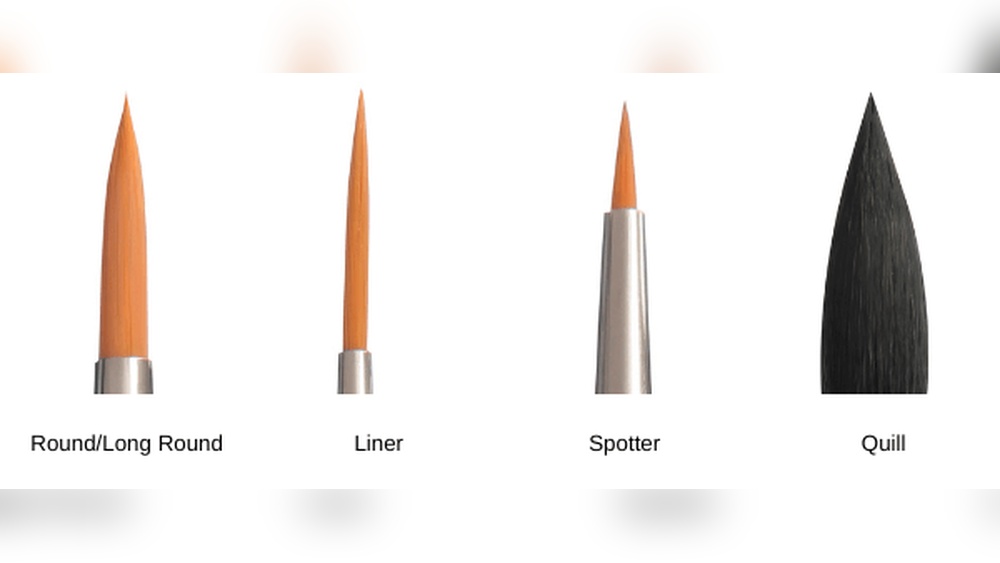
The round brush has a pointed, round tip. Its body tapers from a thick base to a fine point. This shape allows for both broad strokes and detailed lines.
The hair can be natural, synthetic, or a mix of both. Natural hair is soft and holds paint well. Synthetic hair is durable and easier to clean. The choice depends on the medium and the desired effect.
Paint Holding Capacity
Round brushes hold a good amount of paint. The thick base stores paint for longer strokes. The pointed tip lets you control the flow of paint precisely.
This capacity makes the brush ideal for smooth, continuous lines. It also helps in blending colors without frequent reloads.
Common Uses
Round brushes work well for outlining, detailing, and filling small areas. Artists use them in watercolor, acrylic, and oil painting.
The brush is perfect for creating curved lines and shapes. It also suits washes and soft edges, thanks to its flexible hair and shape.

Credit: www.emilywassell.co.uk
Liner Brush Features
The liner brush is a unique tool in the artist’s collection. It is designed for fine lines and detailed work. This brush helps artists add subtle touches to their paintings. Its features make it different from other brushes, especially the round brush.
Understanding its shape, precision, and paint carrying ability can help you use it better. These features define its role in creating delicate and sharp strokes. The liner brush is essential for artists who want control in their work.
Shape And Hair Length
The liner brush has long, thin hairs. The hairs are much finer than those of a round brush. This shape allows for creating thin and sharp lines. The long hairs hold more paint and offer fluid strokes. The tip is pointed, perfect for detailed lines and curves.
Precision And Detail Work
The liner brush excels in precision. It allows artists to paint thin lines with control. It is ideal for fine details, such as veins on leaves or hair strands. The brush’s fine tip helps in drawing delicate patterns and textures. Artists use it to add highlights and small accents.
Paint Carrying Ability
The long hairs of the liner brush carry more paint. This feature lets the artist paint longer lines without reloading. It works well with oil, acrylic, ink, and watercolor. The paint flows smoothly from the brush to the canvas. This ability supports continuous and flowing strokes.
Key Differences
Understanding the key differences between a round brush and a liner brush helps artists choose the right tool. Each brush has unique features that affect painting style and detail. This section breaks down these differences clearly.
Size And Hair Thickness
Round brushes have a medium to large size with thick hair bundles. They hold more paint and cover larger areas easily. Liner brushes are very thin and long with fine hair. They carry less paint but allow precision in small details.
Line Quality And Control
Round brushes create broad, rounded strokes. They blend colors smoothly and fill spaces. Liner brushes produce thin, sharp lines. They give excellent control for outlining and delicate patterns.
Applications Across Mediums
Round brushes work well with acrylics, oils, and watercolors for general painting. They suit washes and shading. Liner brushes are perfect for fine details in inks, watercolors, and oils. They excel in adding texture and intricate lines.

Credit: paintplot.com.au
Choosing Based On Project
Choosing the right brush depends on the type of painting project you plan to do. Each brush offers unique features suited for specific tasks. Selecting the correct brush can improve your technique and final results. Understanding when to use a round brush or a liner brush makes a big difference.
When To Use A Round Brush
Round brushes have a pointed tip and a full body. They work well for creating broad strokes and fine details. Use round brushes for filling in large areas and making smooth curves. They are great for watercolor, acrylic, and oil painting. Beginners often find round brushes easy to handle and versatile for many styles.
When To Use A Liner Brush
Liner brushes have long, thin bristles and a fine point. They are perfect for delicate lines and intricate details. Use liner brushes for outlining, lettering, and adding small highlights. These brushes carry more paint and allow steady, controlled strokes. They excel in projects needing precision, such as botanical illustrations or fine line work.
Matching Brush To Paint Type
Round brushes work well with thicker paints like acrylic and oil. Their shape helps blend and layer paint smoothly. Liner brushes suit thin paints like ink and watercolor. Their thin bristles hold just enough paint for fine lines. Choosing a brush that matches your paint type helps maintain control and avoid unwanted drips or blobs.
Brush Materials And Finish
Brush materials and finish play a big role in how round brushes and liner brushes perform. The type of bristles affects paint flow and the final look. Understanding these differences helps pick the right brush for your work.
Natural Vs Synthetic Bristles
Natural bristles come from animal hair, like hog or sable. They hold more paint and create smooth strokes. Synthetic bristles are made from nylon or polyester. They are durable and work well with water-based paints.
Round brushes often use natural bristles for soft, flexible strokes. Liner brushes usually have synthetic bristles for fine, precise lines. The choice depends on the paint type and detail level you want.
Effect On Paint Application
Natural bristles absorb more paint, giving a rich and creamy flow. This is great for thick paints like oils and acrylics. Synthetic bristles do not absorb paint but hold it on the surface. This helps with thin or watery paints like watercolors and inks.
Round brushes spread paint smoothly over larger areas. Liner brushes deliver controlled, thin lines. The bristle type influences how much paint the brush carries and how it spreads.
Smooth Finish Tips
Use soft bristles to reduce brush marks. Synthetic brushes with fine tips help avoid streaks. Dip the brush lightly and avoid overloading with paint. Move the brush in steady, even strokes.
Cleaning brushes well keeps bristles soft and effective. Dry brushes flat or hanging to keep their shape. A smooth finish depends on good brush care and gentle handling.
Care And Maintenance
Proper care and maintenance keep your round and liner brushes in top shape. Clean brushes perform better and last longer. Regular upkeep prevents damage to bristles and handles. Follow simple steps to maintain their quality and functionality.
Cleaning Techniques
Rinse brushes with lukewarm water immediately after use. Use mild soap or brush cleaner to remove paint gently. Work the soap into the bristles with your fingers. Avoid harsh scrubbing to protect the hair. Rinse thoroughly until water runs clear. Pat dry with a clean cloth and reshape the bristles. Never soak brushes for long periods to avoid loosening the glue.
Storage Recommendations
Store brushes upright with bristles facing up. Avoid placing heavy objects on the bristles to prevent bending. Use a brush holder or container to keep them organized. Keep brushes away from direct sunlight and heat. Ensure brushes are completely dry before storing to stop mold growth. For travel, use a brush roll or protective case.
Extending Brush Life
Clean brushes right after each use to avoid dried paint buildup. Avoid using brushes for purposes they are not designed for. Handle brushes gently to keep the ferrule tight and bristles intact. Trim stray hairs carefully if needed, but avoid cutting too much. Regularly check brushes for wear and replace when necessary. Treat your brushes well to enjoy smooth painting every time.
Frequently Asked Questions
What Is The Difference Between A Round Brush And A Liner Brush?
A round brush has a thicker, rounded tip for broad strokes and filling areas. A liner brush features finer, longer hairs for detailed, precise lines.
What Type Of Brush Gives The Smoothest Finish?
A brush with soft nylon and polyester bristles or White China bristles gives the smoothest finish. These bristles flex well, hold paint efficiently, and minimize brush marks for a flawless application.
What Do You Use A Liner Brush For?
A liner brush creates fine, precise lines and details in painting. It works well with oil, acrylic, ink, and watercolor. Use it to add delicate strokes, outlines, or intricate patterns. Its long, thin bristles hold more paint for smooth, flowing lines and refined artwork accents.
What Kind Of Brush Is Healthiest For Hair?
Boar bristle brushes best promote healthy hair by distributing natural oils and adding shine. Nylon or detangling brushes gently remove knots, ideal for thick or wet hair. Paddle brushes suit straight hair, while vented brushes help with blow-drying and volume.
Choose based on hair type and needs.
Conclusion
Both round and liner brushes serve unique painting needs. Round brushes offer versatility with their thick to thin strokes. Liner brushes excel in fine, detailed lines and smooth flow. Choosing the right brush depends on your project style and detail level.
Experimenting with both helps develop your painting skills. Use round brushes for broader strokes and liner brushes for precision. Knowing their differences improves your artwork’s quality and control. Keep practicing to find which brush suits your creative vision best.