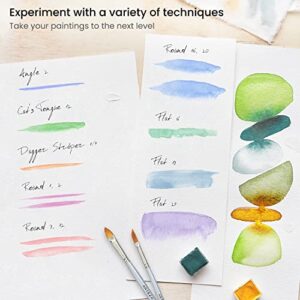
Choosing the right watercolor brush sizes can feel confusing when you’re just starting out. You might wonder which brushes will help you create smooth washes or fine details without overwhelming your work.
This guide is here to clear up that confusion and help you pick the perfect brushes for your style and projects. By understanding how different brush sizes work, you’ll gain more control and confidence in your painting. Keep reading, and you’ll discover simple tips that make your watercolor journey easier and more fun!

Credit: www.emilywassell.co.uk
Brush Size Basics
Understanding brush sizes is key for watercolor painting. Brush size affects the detail and coverage of your artwork. Beginners benefit from knowing the basics to choose the right tools. This section explains the essential facts about watercolor brush sizes.
Numbering System Explained
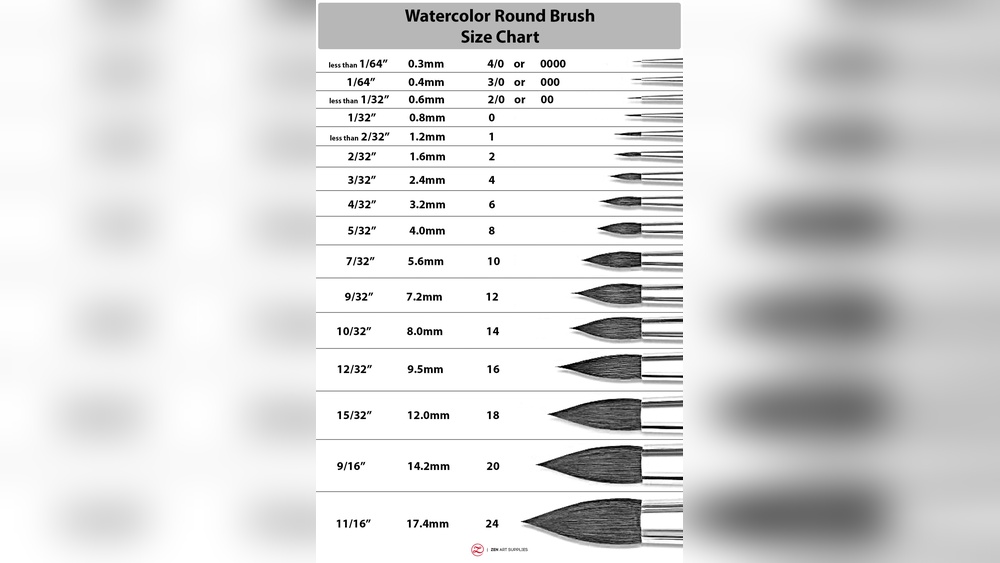
Watercolor brushes use numbers to show their size. Smaller numbers mean smaller brushes. Larger numbers mean bigger brushes. The number often appears on the handle. It helps artists pick the right brush quickly. This system is simple but important to learn.
Small Vs Large Brushes
Small brushes create fine lines and details. They work well for tiny areas and precision. Large brushes cover big areas fast. They help fill backgrounds or wash colors evenly. Both sizes are useful. Using the right size saves time and improves results.
Common Size Ranges
Brush sizes usually range from 000 to 20. Size 000 is very small and delicate. Size 20 is large and broad. Most beginners start with a set between size 2 and size 10. This range covers most painting needs. It offers control and versatility in one kit.
Credit: shop.zenartsupplies.co
Brush Types For Watercolor
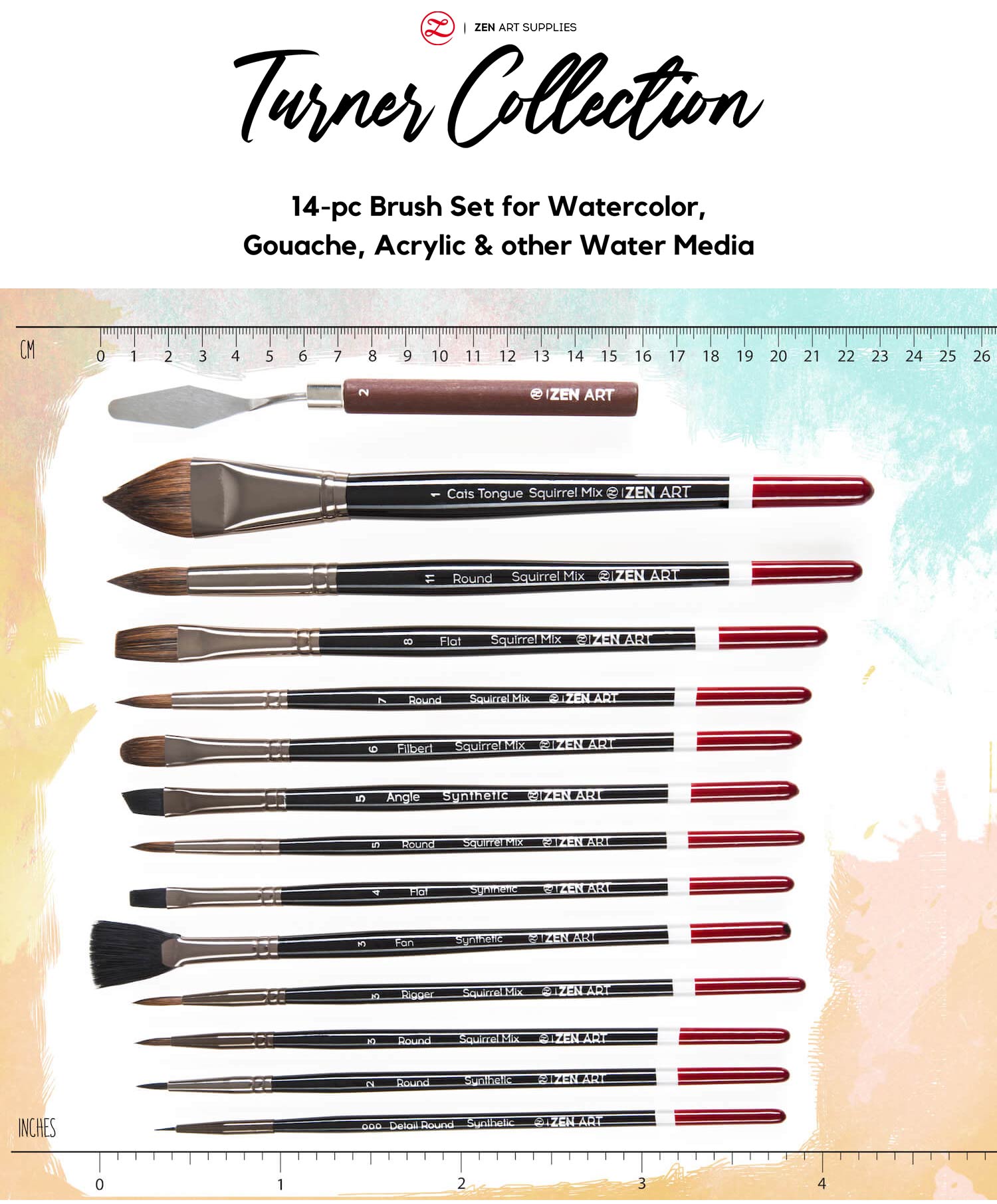
Choosing the right brush type is key for successful watercolor painting. Each brush shape offers a unique way to apply paint. Knowing the main types helps beginners control their strokes and textures.
Round Brushes
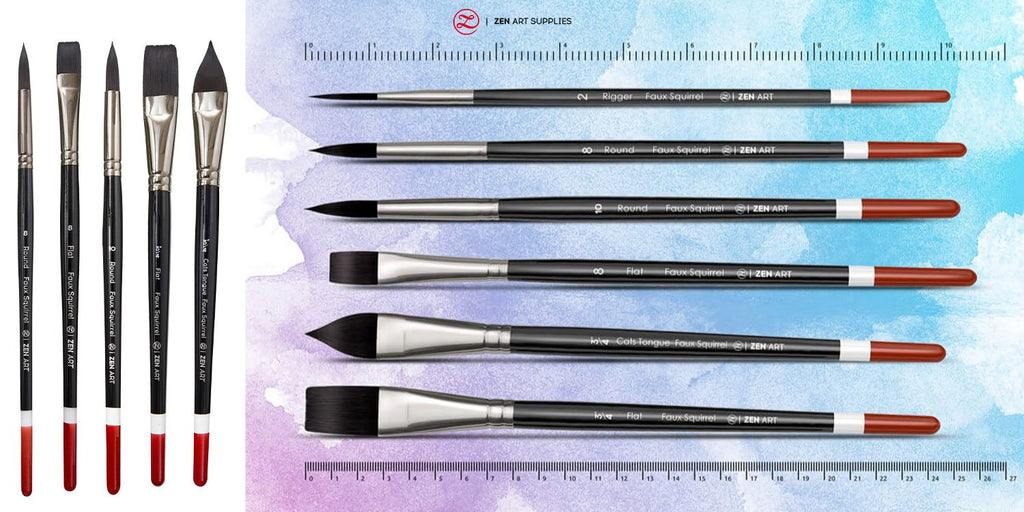
Round brushes have a pointed tip and a round belly. They hold a good amount of paint and water. This shape works well for detailed lines and broad strokes. Beginners find them versatile for many painting styles.
Flat Brushes
Flat brushes have a straight edge and a flat shape. They create sharp, clean lines and wide washes. These brushes are perfect for painting backgrounds and bold strokes. They also help with creating geometric shapes.
Mop Brushes
Mop brushes are large and soft with a rounded shape. They hold lots of water and paint. These brushes are excellent for wetting large areas and blending colors smoothly. Beginners use them to create soft washes and gradients.
Detail Brushes
Detail brushes are small with a fine tip. They allow precision for tiny lines and intricate details. These brushes are ideal for adding highlights and small textures. Beginners use them to finish their work with care.
Credit: shop.zenartsupplies.co
Frequently Asked Questions
What Are The Common Watercolor Brush Sizes For Beginners?
Beginner watercolor brushes typically range from size 6 to 12. Size 12 is great for washes, while size 6 works well for details. Starting with a small set covering large to fine sizes helps you learn different techniques effectively.
Which Brush Size Is Best For Large Watercolor Washes?
A large brush size like 12 or 14 is ideal for broad watercolor washes. These sizes hold more water and paint, allowing smooth, even coverage on bigger paper areas. They help beginners paint backgrounds and skies with ease.
How Do Brush Sizes Affect Watercolor Painting Details?
Smaller brushes like size 0 or 2 offer precision for fine details and delicate lines. Larger brushes create broader strokes but lack control. Choosing the right size brush depends on the level of detail your artwork requires.
What Brush Shapes Suit Different Watercolor Techniques?
Round brushes are versatile for washes and details. Flat brushes work well for sharp edges and bold strokes. Mop brushes hold a lot of water, perfect for large washes. Experimenting with shapes improves your watercolor skills.
Conclusion
Choosing the right watercolor brush sizes helps improve your painting skills. Start with larger brushes for broad strokes. Use smaller brushes for details and fine lines. Practice mixing sizes to create different effects. Remember, each brush size serves a purpose.
Keep experimenting to find what works best. Enjoy the learning process and have fun painting!