Are you ready to bring the breathtaking beauty of mountains onto your canvas but don’t know where to start? Painting mountains might seem tricky at first, but with the right ideas and simple techniques, you can create stunning landscapes even if you’re a complete beginner.
In this guide, you’ll discover easy mountain painting ideas that will boost your confidence and make your creative process enjoyable. Whether you want to capture snowy peaks, colorful sunsets, or peaceful mountain lakes, these tips and tricks will help you paint with ease and excitement.
Keep reading, and soon you’ll have your own mountain masterpiece to be proud of!
Choosing Your Materials
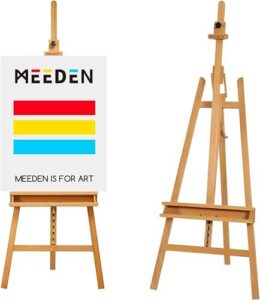
Choosing the right materials is the first step in mountain painting for beginners. Good supplies make painting easier and more enjoyable. They help you create beautiful mountain scenes with less frustration. Focus on materials that are simple, affordable, and easy to use.
Start by selecting paints that dry fast and blend well. Choose brushes that feel comfortable in your hand. Pick a canvas size that matches your skill level and space. These choices support your learning and improve your results.
Selecting Acrylic Paints
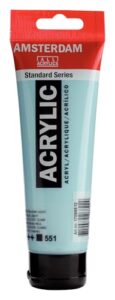
Acrylic paints are perfect for beginners. They dry quickly, so you can work fast. These paints mix easily to create new colors. Look for basic colors like blue, green, brown, white, and black. These will help you paint mountains and skies effectively.
Choose student-grade acrylics to save money. They still offer good color and coverage. Avoid buying too many colors at once. Start with a simple palette and add more as you grow.
Essential Brushes And Tools
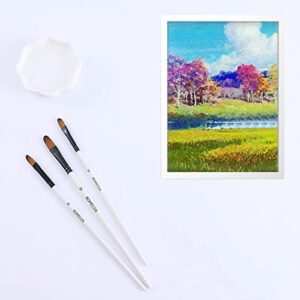
Brushes come in different shapes and sizes. Flat brushes cover large areas and create sharp edges. Round brushes work well for details and curves. A fan brush can add texture for trees and rocks.
Use synthetic brushes for acrylic paints. They hold paint well and last long. Besides brushes, keep a palette for mixing colors. Have a cup of water for rinsing brushes. Paper towels help clean brushes quickly.
Picking The Right Canvas
Canvas choice affects your painting experience. Start with a small or medium size, such as 8×10 or 11×14 inches. These sizes are easy to handle and finish faster.
Canvas boards or stretched canvases work well. Boards are cheaper and sturdy. Stretched canvases offer a traditional feel and better texture. Choose a canvas with a medium texture for acrylic paints.
Practice on canvas boards before moving to stretched canvases. This saves money and builds confidence. Clean, smooth surfaces help your mountain painting stand out.

Credit: feelingnifty.com
Basic Techniques For Mountains
Painting mountains can be exciting and simple for beginners. Understanding basic techniques helps create beautiful mountain scenes. These techniques focus on shapes, colors, and brushwork. They build a strong base for your mountain painting journey.
Creating Simple Shapes
Start with basic shapes like triangles and trapezoids. Mountains often look like large triangles with uneven edges. Draw these shapes lightly with a pencil or thin brush. Keep shapes simple and clear to avoid confusion. This step sets the mountain’s structure. It makes painting easier and more organized.
Layering Colors
Use layers of color to add depth and realism. Begin with a base color for the mountain. Add darker shades for shadows and lighter colors for highlights. Paint each layer after the previous one dries. This builds texture and dimension. Layering colors gives the mountain a natural look.
Using Brushstrokes Effectively
Brushstrokes create texture and detail in your painting. Use short, sharp strokes to mimic rocky surfaces. Smooth, long strokes work well for snowy peaks. Change brush direction to follow the mountain’s shape. This technique adds life and movement to your art. Varying brushstrokes keeps the painting interesting.
Color Palettes For Mountain Scenes
Choosing the right colors is vital for mountain paintings. The color palette sets the mood and depth of the scene. Beginners benefit from palettes that highlight natural contrasts and simple shades. This helps in creating a realistic and inviting mountain landscape. Below are some popular color themes for mountain scenes.
Earthy And Natural Tones
Earthy tones include browns, greens, and muted yellows. These colors reflect the soil, trees, and rocks of mountains. They create a calm and grounded feeling. Use olive green for forests and burnt sienna for rocky paths. Adding soft beige or tan can highlight dry grass or dirt trails. This palette is easy for beginners and works well for daytime scenes.
Sunset And Sunrise Hues
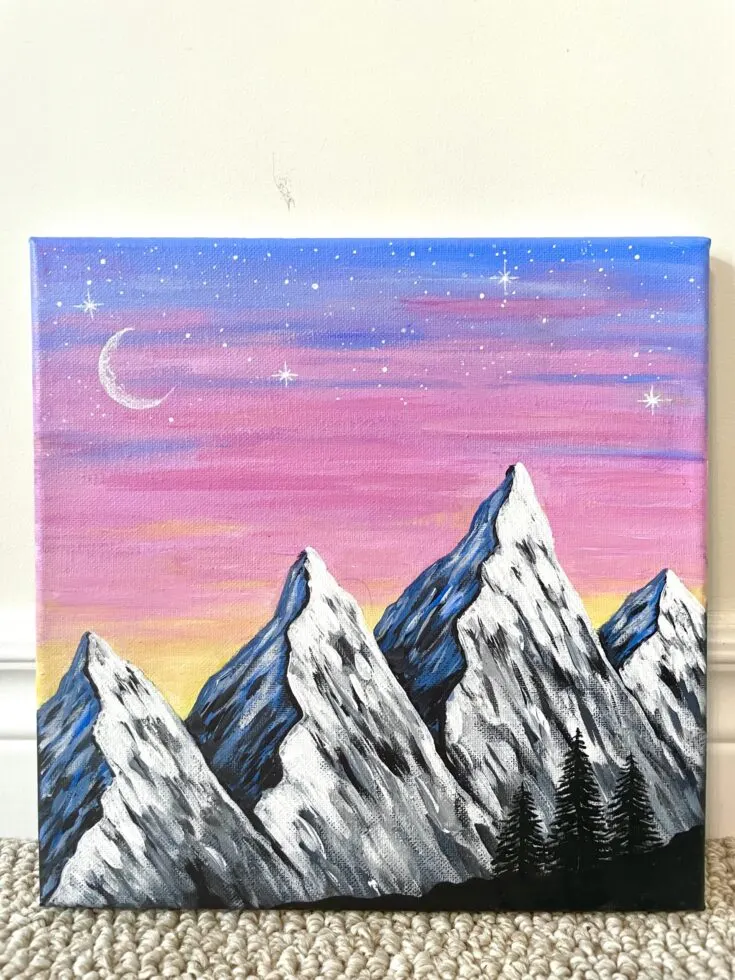
Sunset and sunrise bring warm and vibrant colors. Shades of orange, pink, and purple paint the sky beautifully. These hues add drama and emotion to the mountain scene. Blend soft reds and yellows for the sun’s glow. Deep purples and blues can show shadows on the mountains. This palette invites creativity and makes your painting stand out.
Winter And Snowy Shades
Winter mountains need cool and crisp colors. Use whites, light blues, and greys to show snow and ice. Soft blue tones create a chilly atmosphere. Dark grey or navy can define mountain ridges and shadows. This palette helps beginners practice blending and layering to show depth. It is perfect for peaceful, quiet mountain scenes.
Credit: feelingnifty.com
Step-by-step Mountain Painting Ideas
Starting your mountain painting journey is exciting and rewarding. Step-by-step mountain painting ideas guide you through simple techniques. These easy methods help beginners create beautiful scenes quickly. Focus on basic shapes and colors first. Building confidence comes from mastering these simple steps. Each step adds detail and depth to your artwork.
Simple Mountain Silhouettes
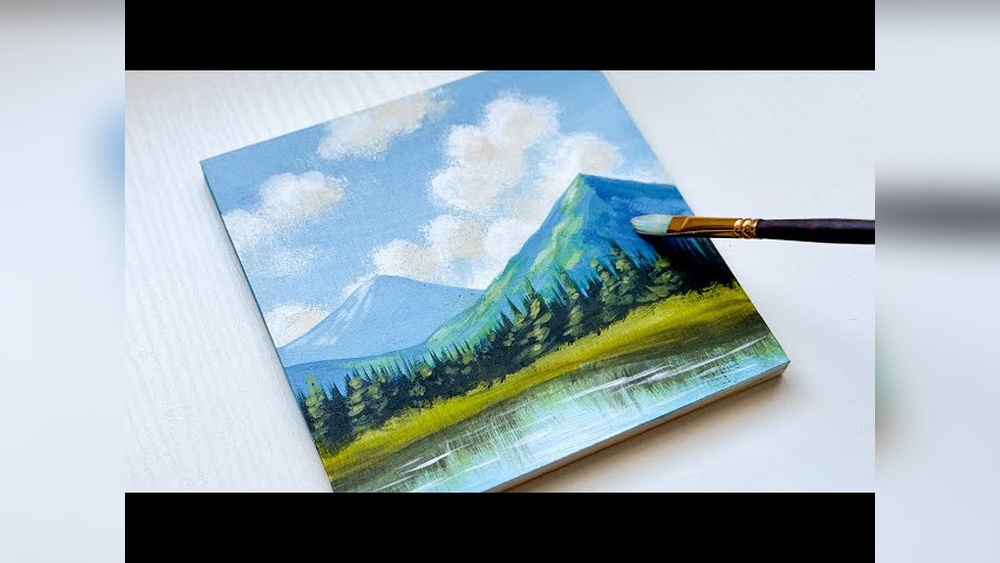
Begin with a plain background, like a soft sky. Use dark paint to create mountain shapes. Keep the edges sharp and irregular for a natural look. Paint one or two layers of mountains, placing smaller ones behind larger ones. This creates depth. Avoid complex details at this stage. Simple silhouettes set the foundation for your painting.
Adding Trees And Foreground
Next, add trees near the mountain base. Use a small brush or a sponge for texture. Paint simple triangle shapes or thin lines for pine trees. Vary tree sizes for realism. Add grass or rocks in the foreground with short brush strokes. These elements bring life and interest to your painting. Keep colors darker near the front and lighter in the back.
Painting Reflections In Water
For a lake or river, paint a smooth water area below the mountains. Use horizontal brush strokes to mimic water. Add mountain shapes in the water using softer, blurred lines. Use the same colors but lighter and less detailed. Add small ripples with thin, light brush strokes. Reflections add calm and balance to your mountain scene.
Incorporating Sky And Weather
Incorporating sky and weather in mountain paintings adds depth and mood. The sky sets the tone and can change the whole feel of your artwork. Different weather effects create unique scenes. Beginners can explore simple techniques to paint clouds, sun, moon, storms, and mist.
Cloud Techniques
Start with soft, round shapes for fluffy clouds. Use a dry brush to blend edges gently. Layer white paint over light blue for a natural look. For wispy clouds, use quick, light strokes. Avoid hard lines to keep clouds airy. Practice with different brush sizes to vary cloud shapes.
Sun And Moon Effects
Paint the sun with warm colors like yellow and orange. Use a soft glow around the sun to show light. For the moon, use cool tones like white and light gray. Add a faint halo to suggest moonlight. Position the sun or moon near mountains to create interesting shadows. This adds realism and depth.
Stormy And Misty Atmospheres
Use darker grays and blues for stormy skies. Blend colors smoothly to show heavy clouds. Add streaks of white or light gray for rain or fog. Mist near mountains softens edges and adds mystery. Use a sponge or soft brush for mist effects. These atmospheres create drama and mood in your painting.
Tips To Build Confidence
Building confidence in mountain painting is key for beginners. It helps reduce fear and makes the process fun. Simple steps can make you feel more sure and ready to create. These tips focus on easy ways to start and keep improving.
Starting With Large Shapes
Begin your mountain painting by blocking in large shapes first. Use big brush strokes to outline the mountain’s basic form. This approach avoids getting lost in small details early on. It gives a clear structure and makes the painting less overwhelming. Large shapes set the foundation and boost your confidence.
Using Templates And References
Templates and references guide your painting journey. They show you how mountains look and where shadows fall. Use photos or simple mountain drawings as a reference. Tracing or sketching over templates helps learn shapes and angles. This method reduces mistakes and builds trust in your skills.
Practicing With Quick Sketches
Quick sketches are short and simple drawings of mountains. They let you try different styles without pressure. Spend five to ten minutes sketching mountain shapes and details. These fast exercises improve hand control and observation. Repeating quick sketches makes you more comfortable and confident.
Common Mistakes To Avoid
Starting mountain painting can be exciting. Yet, beginners often face common pitfalls that slow progress. Avoiding these mistakes helps create better artwork and boosts confidence. Focus on simple, clear steps and enjoy the process.
Overworking Details Early
Many beginners try to add fine details at the start. This can make the painting look cluttered and messy. It is better to block in large shapes first. Details come later after the main forms are set. This approach keeps the painting fresh and balanced.
Ignoring Light And Shadow
Light and shadow give mountains their shape and depth. Beginners often paint mountains with flat colors. This makes the scene look dull and unrealistic. Watch how light hits the peaks and where shadows fall. Use darker tones for shadows and lighter ones for highlights. This adds life to your painting.
Using Too Many Colors
Using many colors can confuse the painting’s mood. Beginners sometimes mix too many shades in one spot. Stick to a limited color palette to keep harmony. Choose a few colors that match the mountain scene. This creates a cleaner and stronger visual impact.
Expanding Your Skills
Expanding your skills in mountain painting opens new creative doors. It helps you grow and enjoy painting even more. Trying new techniques and styles keeps your work fresh. Connecting with others can also inspire and teach you.
Experimenting With Mixed Media
Mixed media means using more than one art material. You can add texture with pastels or ink over your acrylic paint. Try combining watercolors and pencils for soft effects. This approach adds depth and interest to your mountain scenes. It lets you explore how different materials work together.
Exploring Different Mountain Styles
Mountains can look many ways in art. Try painting realistic scenes with details and shadows. Or paint in a loose, abstract style using bold colors. You might enjoy simple shapes and flat colors like in graphic art. Each style teaches you new skills and ways to see mountains.
Joining Painting Communities
Painting with others helps you learn faster. Join local art groups or online forums to share work. Getting feedback improves your technique and builds confidence. You can exchange tips on tools and ideas too. Being part of a community makes painting more fun and rewarding.

Credit: www.youtube.com
Frequently Asked Questions
What Is The Easiest Thing To Paint As A Beginner?
The easiest things for beginners to paint include simple landscapes, abstracts, silhouettes, and basic still lifes like fruit or flowers. Use acrylic paints and focus on large shapes and bold brushstrokes to build confidence quickly.
How To Draw Mountains Very Easy?
Draw a simple zigzag line for mountain peaks. Add shading on one side for depth. Use basic shapes and minimal details. Keep lines clean and bold. Practice layering colors for a natural look.
What Colors Make Mountains Look Realistic?
Use earthy tones like browns, greens, and grays for realistic mountains. Add blues and whites for shadows and snow. Blend colors softly to mimic natural light and texture.
What Are The Basic Shapes For Mountain Drawings?
Basic shapes for mountain drawings include triangles, peaks, pyramids, and jagged lines. Use simple geometric forms to create mountain outlines.
Conclusion
Painting mountains offers a fun and relaxing way to improve your skills. Start simple with basic shapes and colors. Practice layering to create depth and texture. Use easy acrylic paints for quick results. Remember, mistakes help you learn and grow.
Enjoy the process and keep experimenting with new ideas. Soon, your mountain paintings will show your unique style. Keep painting, and let your creativity flow naturally.