
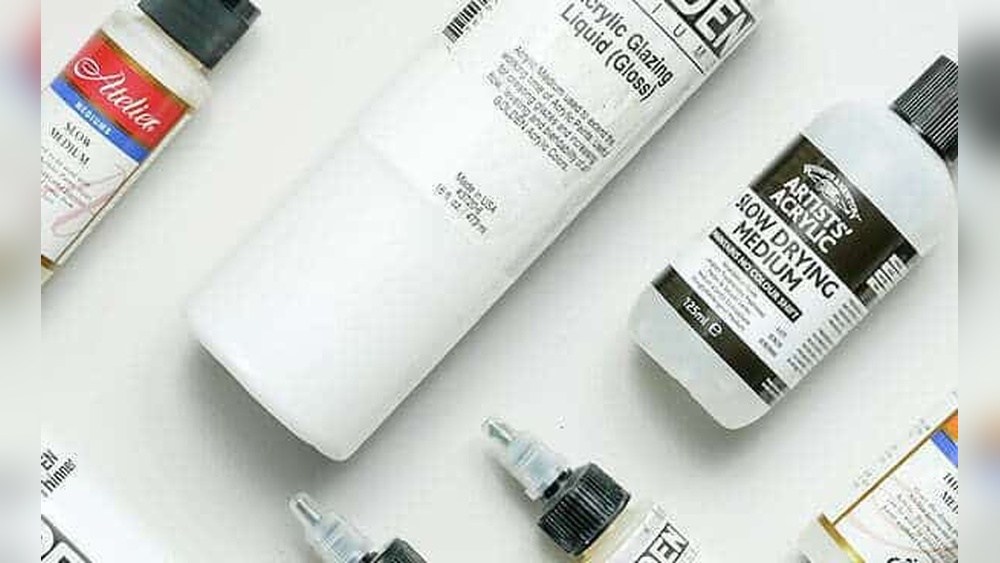
Quick answer: To stop acrylic paint from drying too fast, slow down water evaporation at three points: on the palette (use a stay-wet palette or mist your paint), in the paint (mix in a retarder or slow-drying medium within the label’s limits) and in the room (avoid fans, heaters, air conditioning drafts and direct sun, and raise humidity if the air is dry). Lightly misting or pre-wetting the canvas and working in smaller sections buys extra blending time.
Acrylic paint dries by evaporation. The moment it leaves the tube, water starts escaping into the air and soaking into your canvas. When enough water has gone, the acrylic polymer particles fuse and the paint is locked in place. Anything that speeds evaporation, such as dry air, warmth, airflow, thin layers or an absorbent surface, shortens the time you have to blend.
That means you can control drying time once you know which of those factors is working against you. This guide explains how to stop acrylic paint from drying too fast using palette setup, mediums, environment and technique, and how to avoid going too far in the other direction.
How Fast Does Acrylic Paint Dry?
Drying time varies widely with layer thickness, paint type, surface and room conditions. These ranges are typical rather than exact:
| Situation | Touch-dry (approximate) | Notes |
|---|---|---|
| Thin wash or glaze | A few minutes to 15 minutes | Faster on absorbent paper |
| Normal brush layer | 15 to 30 minutes | Typical for soft-body paint |
| Thick heavy-body layer | One to several hours | Skin forms first; inside stays soft |
| Impasto or gel-built texture | Many hours to a day or more | Can take much longer to cure through |
| Acrylic pour | About a day or longer | Weeks to fully cure |
| Open or slow-drying acrylics | Hours, sometimes much longer | Designed for extended working time |
“Touch-dry” is not the same as fully cured. A layer that feels dry can still be releasing water underneath, which is why varnishing is usually delayed for days.
What Makes Acrylic Paint Dry Too Fast
- Low humidity. Dry indoor air, especially in winter with the heating on or in arid climates, pulls water from paint quickly.
- Airflow. Fans, air conditioning vents, open windows and even a breeze outdoors speed evaporation dramatically.
- Heat and sun. Warm rooms, lamps close to the canvas and direct sunlight all accelerate drying.
- Thin paint. Thin layers have less water to lose and dry fastest.
- Absorbent surfaces. Raw paper, unprimed wood and dry gesso soak up water from the paint.
- Small piles on the palette. A small dab exposes a lot of surface relative to its volume.
Paint Choice Matters Too
Different acrylic ranges have different drying behavior. Heavy-body paint often stays workable a little longer on the canvas because of its thicker layer, while thin craft paint can dry very quickly. Open acrylics are designed to stay wet much longer. Comparing types is worth doing before buying a full set; our guide to the best acrylic paint brands, including slow-drying options, covers the main categories.
12 Ways to Stop Acrylic Paint From Drying Too Fast
1. Use a stay-wet palette
A stay-wet palette has a wet sponge or paper under a semi-permeable membrane. The paint draws moisture from below and can stay workable for hours, and often for days with the lid closed. You can make one with a shallow container, a damp paper towel and a sheet of baking parchment.
2. Mist your palette regularly
A fine-mist spray bottle lets you rehydrate paint on the palette every few minutes. Use a light mist; too much water dilutes the paint and makes it runny.
3. Squeeze out larger, thicker piles
Counterintuitive but effective: a mound of paint dries more slowly than a thin smear because less of it is exposed to air. Keep piles compact and mix only what you need from the edges.
4. Add a slow-drying medium
Slow-drying mediums are acrylic binders with additives that extend open time. Because they contain binder, they can usually be added in larger amounts than liquid retarder without weakening the paint. Follow the label for maximum ratios.
5. Add acrylic retarder sparingly
Retarders slow evaporation directly. Many liquid retarders are recommended at small percentages of the paint volume. Overdoing it can leave paint tacky for a long time or weaken the film. Start small and test.
6. Switch to open or slow-drying acrylics
Some ranges are formulated to stay wet much longer than standard acrylics. They are useful for portraits, soft skies and wet blending, but take longer to dry between layers, so plan your process accordingly.
7. Pre-wet or tone the canvas
Mist the area you are about to paint, or brush on a thin layer of slow-drying medium first. A slightly damp surface absorbs less water from your paint.
8. Seal absorbent surfaces
Paper and raw wood pull water from paint quickly. A coat of gesso or acrylic medium first makes the surface less thirsty.
9. Control the room
Turn off fans and point air conditioning or heating vents away from your work area. Move the canvas out of direct sun. Keep lamps a reasonable distance from the painting.
10. Raise humidity
A room humidifier helps in very dry environments. Painting in a room that is not overheated also slows drying.
11. Work in smaller sections
Instead of trying to blend an entire sky at once, finish one area before moving to the next. Overlap the edges slightly so sections join smoothly.
12. Paint faster and plan ahead
Premix all the colors you need for a passage before you start, so you are not stopping to mix while the paint on the canvas sets. Use larger brushes for large areas.
Acrylic Retarder vs. Slow-Drying Medium
| Factor | Liquid retarder | Slow-drying (gel or fluid) medium |
|---|---|---|
| What it is | An additive that slows evaporation | An acrylic binder with drying-time extenders |
| Typical amount | Small percentage of paint volume (check label) | Often larger ratios allowed (check label) |
| Effect on paint body | Thins slightly | Gel versions keep body; fluid versions thin |
| Effect on color | Minimal | Can increase transparency as ratio rises |
| Risk if overused | Tacky, weak film that may stay soft | Longer drying, reduced opacity |
| Best for | Small, precise extensions of open time | Wet blending and glazing over larger areas |
Many painters keep both: a slow-drying gel for large blended passages and a retarder for small adjustments. Brands vary in how their products behave, so always follow the individual manufacturer’s mixing guidance.
How to Use Acrylic Retarder Step by Step
- Read the label for the recommended maximum ratio.
- Put your paint on the palette first, then add a few drops of retarder next to it.
- Mix with a palette knife until fully combined. Do not add retarder to your rinse water or directly onto the canvas.
- Test a stroke on scrap and note how long it stays workable.
- Adjust slowly. If it is still drying too fast, add a little more, staying within the label limit.
- Allow longer drying before adding the next layer or varnish.
Paint body affects how much open time you start with. Fluid paints spread thinly and can dry faster on the canvas than a thick layer of heavy-body paint. Our review of Daler-Rowney fluid acrylics discusses how a fluid formula behaves when you work it on the canvas.
Matching the Method to the Technique
Different painting situations call for different amounts of extra time. Choosing the right combination avoids overusing additives.
Blended skies and large gradients
Pre-wet the canvas with a thin coat of slow-drying medium, premix every band of color and use the widest soft brush you have. Large areas are where a gel slow-drying medium earns its place.
Portraits and skin tones
Subtle transitions in faces benefit from longer open time. A stay-wet palette keeps carefully mixed skin tones from changing as they dry, and a small amount of retarder in the paint lets you soften edges on the canvas.
Painting outdoors
Sun and wind make plein air acrylic painting especially fast-drying. Set up in shade, keep your back to the wind, use a stay-wet palette with a lid and mist frequently. Open acrylics are popular for outdoor work for this reason.
Glazing
Glazes are thin and dry quickly, which is usually helpful because you want each layer dry before the next. If you need to soften a glaze’s edge, add a little glazing or slow-drying medium rather than extra water.
Detail work
Fine details rarely need extended time, but paint on a small brush can dry at the tip. Dip the brush in water briefly and blot it, or keep a drop of retarder-mixed paint for detail passes.
Why Is My Acrylic Paint Not Drying?
Sometimes the problem is the opposite. If acrylic stays tacky or soft far longer than expected, common causes include:
- Too much retarder. Exceeding the recommended ratio can leave paint sticky for days.
- Very thick layers. Thick paint skins over on top while the inside stays wet.
- High humidity or cold. Damp, cool rooms slow evaporation significantly.
- Open acrylics. They are designed to stay wet; thin layers dry faster than thick ones.
- Non-absorbent surfaces. Glass, plastic and glossy surfaces do not absorb water, so all drying happens through evaporation.
Improve airflow, lower humidity, use thinner layers and wait. If retarder was overused, the paint may eventually dry but remain weaker than normal.
Acrylic Paint Drying Time Between Coats
For most standard acrylic layers, wait until the surface is dry to the touch and no longer cool (a cool feel indicates water still evaporating). That is often 15 to 30 minutes for thin layers and longer for heavier paint. If you paint over a layer that is still soft underneath, your brush can lift or drag it. For thick layers or slow-drying paint, give it several hours or overnight.
How to Dry Acrylic Paint Fast When You Need To
Sometimes you want the opposite: to speed up drying between layers. Use a hair dryer on a cool or low setting held well away from the surface, keep moving it, and avoid high heat, which can cause bubbles, cracking or a skin over soft paint. A fan and lower humidity also help. Thin layers dry fastest.
Common Mistakes
- Adding lots of water to slow drying. Water evaporates; it does not extend drying meaningfully and can weaken the paint.
- Exceeding retarder limits. Leads to tacky, weak paint.
- Painting near a fan or vent. Easy to overlook and very effective at drying paint.
- Squeezing out tiny dabs. Small amounts dry quickly on the palette.
- Trying to blend paint that has started to set. Leads to streaks. Let it dry and add another layer instead.
FAQs
What can I add to acrylic paint to slow drying?
Add a slow-drying medium or an acrylic retarder, following the manufacturer’s ratio. A stay-wet palette, misting and controlling room humidity also help.
What is the difference between acrylic retarder and slow-drying medium?
Retarder is an additive used in small amounts to slow evaporation. Slow-drying medium contains acrylic binder plus drying extenders, so it can usually be used in larger amounts without weakening the paint.
Can I use water to keep acrylic paint wet?
Misting with water keeps paint workable for short periods, but adding too much water to the paint itself can weaken adhesion. For longer working time, use a medium.
How long does acrylic paint take to dry between coats?
Thin layers often dry in 15 to 30 minutes. Thicker layers and slow-drying paints need several hours or more. Wait until the surface is dry and not cool to the touch.
Why is my acrylic paint drying so fast?
Dry air, heat, airflow from fans or vents, direct sun, thin layers and absorbent surfaces all speed drying. Address the biggest factor first, usually airflow or humidity.
Does a stay-wet palette really work?
Yes. It keeps paint moist from underneath, often for hours of painting and days with the lid closed, which also reduces wasted paint.
Final Thoughts
Slowing acrylic down is a matter of slowing evaporation: keep paint moist on a stay-wet palette, extend it with the right medium, and remove drafts, heat and dry air from your workspace. Combine those with planning and smaller sections, and blending becomes far less of a race.
Your choice of paint body and range also influences how much time you get before the paint sets. To find colors that suit a slower, blend-friendly style, explore our guide to acrylic paints for smooth blending and longer working time.


