Are you ready to transform your blank canvas into a stunning piece of wall art? Creating your own DIY painted canvas wall art is easier than you think, and it’s a perfect way to add a personal touch to your space without spending a fortune.
Whether you’re a complete beginner or just looking for simple ideas, this guide will walk you through every step to make your artwork look professional and unique. Imagine the satisfaction of displaying your very own creation on your wall—let’s dive in and unlock your creativity together!
Materials And Tools
Starting a DIY painted canvas wall art project needs the right materials and tools. These items help you create beautiful art without stress. Choosing quality supplies also improves your painting experience and final result.
Choosing The Right Canvas
Select a canvas size that fits your wall space. Cotton canvases are common and affordable. Linen canvases offer a smoother surface but cost more. Thick canvas boards provide stability and are easy to hang. Make sure the canvas is pre-stretched or stretched tightly on a frame. Primed canvases save time because they are ready to paint.
Essential Paints And Brushes
Acrylic paints work well for beginners and dry fast. Choose basic colors like white, black, red, blue, and yellow to mix your shades. Watercolor paints are less common on canvas but can create soft effects. Use synthetic brushes for acrylics. Flat brushes cover large areas, while round brushes help with details. A medium-sized brush is good for most parts. Avoid worn or stiff brushes for smooth strokes.
Additional Supplies
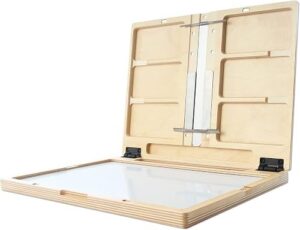
Get a palette or plate to mix your paints. Use a cup of water to rinse brushes between colors. Paper towels help clean brushes and fix mistakes. An easel supports your canvas at a good angle. Painter’s tape can create clean lines or protect areas. Wear old clothes or an apron to avoid stains. Finally, have a pencil and eraser to sketch your design first.
Credit: persialou.com
Preparing Your Canvas
Preparing your canvas is the first step to beautiful DIY painted wall art. A well-prepped canvas ensures your paint sticks well and your design looks crisp. Taking time here saves effort later and improves your final work.
Cleaning And Priming
Start by cleaning the canvas surface gently with a dry cloth. Remove any dust or dirt that can affect paint adhesion. Use a mild cleaner if needed, but avoid soaking the canvas.
Apply a coat of gesso primer to the canvas. Gesso creates a smooth, white base that helps paint colors pop. Use a wide brush and spread evenly. Let it dry completely before painting.
Sketching Your Design
Lightly sketch your design on the primed canvas using a pencil. Keep your lines soft and simple to avoid marks showing through paint. This sketch acts as a guide for your painting.
Focus on basic shapes and outlines. You can refine details as you paint. This step helps plan your artwork and reduces mistakes during painting.
Basic Painting Techniques
Basic painting techniques form the foundation of your DIY painted canvas wall art. These skills help you create beautiful and unique designs with ease. Understanding simple methods will boost your confidence and improve your results.
Practice these techniques to add depth, texture, and style to your canvas. Each approach offers different effects and can be combined for a personalized touch.
Blending And Layering
Blending means mixing two or more colors smoothly on the canvas. Use a soft brush or sponge to gently merge colors while they are still wet. This creates smooth color transitions and soft gradients.
Layering involves applying paint in thin coats, letting each dry before adding the next. This builds depth and richness in your painting. Layer light colors over dark ones to highlight areas and add dimension.
Creating Texture
Texture makes your canvas more interesting and tactile. Use thick paint or add materials like sand or fabric to your paint mix. Apply with a palette knife or stiff brush to create raised patterns.
Try dabbing or scraping paint onto the canvas. These methods give your work a lively, three-dimensional feel that catches light and shadow.
Using Stencils And Tape
Stencils help you create clean shapes and patterns easily. Place the stencil on the canvas and paint over it with a brush or sponge. Remove the stencil carefully for sharp edges.
Painter’s tape can block areas to make straight lines or geometric designs. Press tape firmly to avoid paint bleeding. Paint over the exposed areas and peel off tape before paint dries for crisp results.
Simple Diy Canvas Art Ideas
Creating your own painted canvas wall art is an enjoyable and simple way to brighten any room. You do not need special skills or expensive tools. Just a few basic supplies can help you make unique art pieces.
These simple DIY canvas art ideas are perfect for beginners. They allow you to explore colors and shapes freely. Each style offers a different way to express your creativity and decorate your space.
Abstract Patterns
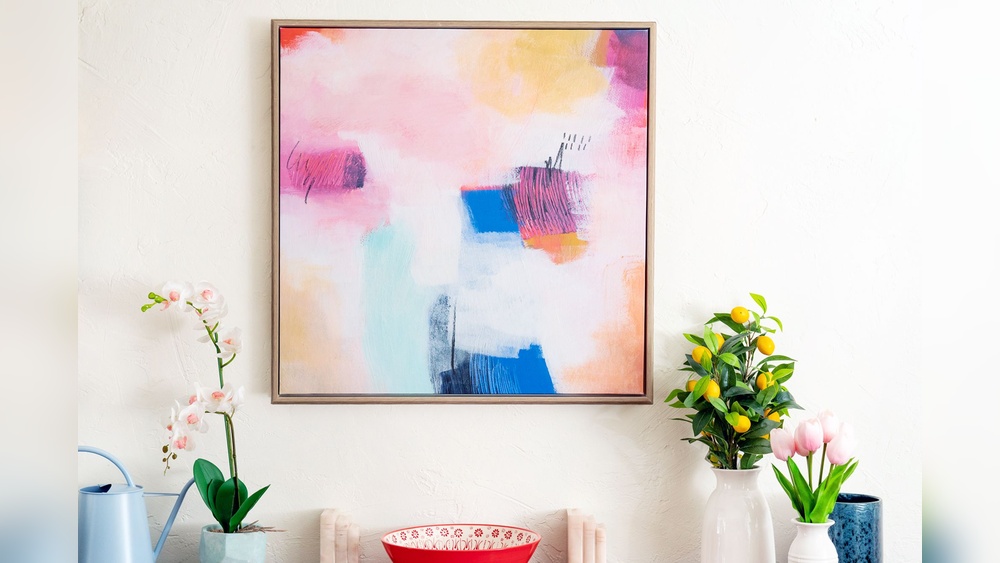
Abstract patterns use freeform shapes and colors. Start by choosing two or three paint colors that you like. Use a brush or sponge to make random strokes or dots. Let your hands move without a set plan. This style is about emotion and flow, not precision.
Try layering colors for depth. Use light colors first, then add darker shades. Abstract art looks great with bright or pastel tones. It fits well in modern and cozy rooms alike.
Geometric Shapes
Geometric shapes are clean and simple. Use painter’s tape to mark straight lines on your canvas. Paint triangles, squares, or circles in different colors. Remove the tape after the paint dries to reveal sharp edges.
This design gives a neat and modern look. Choose a limited color palette for a stylish effect. Geometric art works well in offices or living rooms. It adds structure while keeping your art easy to create.
Nature-inspired Designs
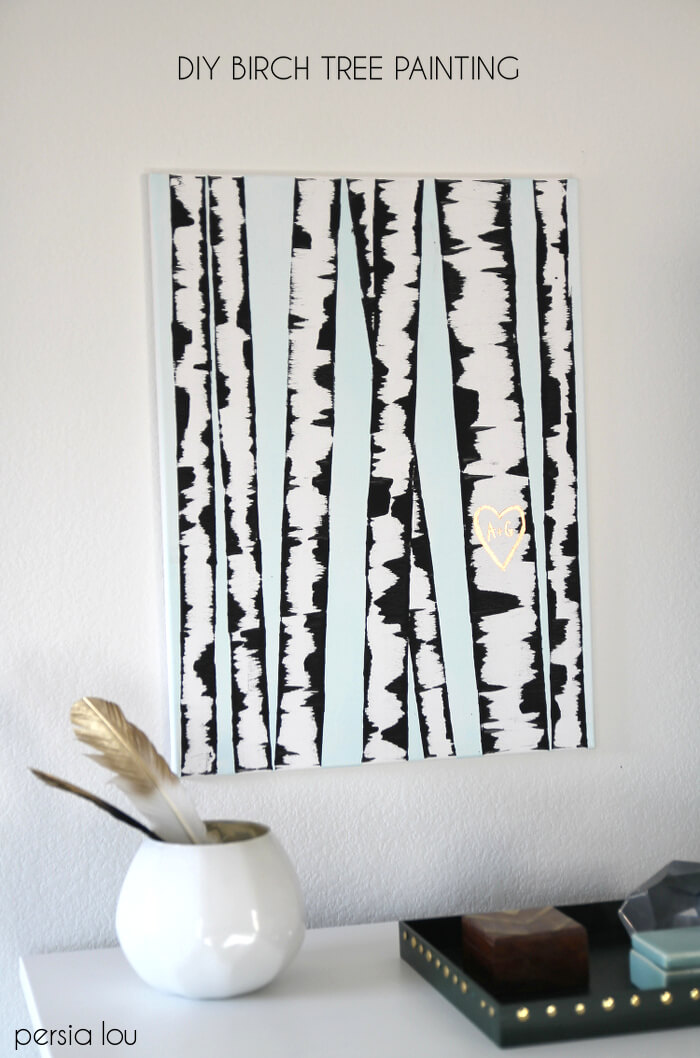
Nature-inspired designs bring the outdoors inside. Paint simple leaves, flowers, or trees using soft green, brown, or blue shades. Use a fine brush for details or broad strokes for a loose look.
Try painting a single flower in the center or a branch along one side. These designs create calm and fresh feelings. Nature art suits bedrooms and quiet spaces beautifully.
Advanced Painting Ideas
Advanced painting ideas bring depth and creativity to your DIY canvas art. They help you create unique pieces that stand out on your walls. These techniques go beyond simple brush strokes, adding texture, layers, and large bold designs. Experimenting with these ideas can make your art more personal and exciting.
Textured Canvas Art
Textured canvas art adds a three-dimensional feel to your painting. Use materials like modeling paste or joint compound to build texture. Apply with a palette knife for raised patterns. Paint over the dried texture to highlight the details. This technique creates a tactile and interesting surface that catches light beautifully.
Mixed Media Techniques
Mixed media combines paint with other materials for a rich effect. Add fabric, paper, or natural elements to your canvas. Glue them securely, then paint over or around them. This method layers different textures and colors. It allows more freedom and creativity in your artwork.
Large Scale Wall Art
Large scale wall art makes a strong visual impact. Use big canvases or multiple panels for a dramatic look. Plan your design to fit the space well. Work in sections and step back often to check proportions. Bold shapes and colors work best on large canvases. This style transforms any room with its presence.
Credit: www.reddit.com
Finishing Touches
Finishing touches bring your painted canvas to life. They protect your work and prepare it for display. These final steps ensure your art lasts and looks great on your wall.
Sealing And Protecting Your Art
Seal your canvas with a clear varnish. Choose a matte or glossy finish depending on your style. Use a soft brush or spray for even coverage. Let the first coat dry completely. Apply a second coat for extra protection. This step guards your painting against dust, moisture, and fading. Proper sealing keeps colors bright and sharp over time.
Framing And Hanging Tips
Pick a frame that complements your artwork and room decor. Simple frames highlight the painting without distraction. Stretch your canvas tightly if unframed. Use sturdy hooks or picture hangers for support. Measure carefully to hang your art straight. Hang at eye level for best viewing. Avoid direct sunlight to prevent color damage. These tips make your DIY canvas art a stunning wall feature.
Troubleshooting Common Issues
Creating your own painted canvas wall art can be rewarding. Yet, mistakes and issues may happen during the process. Knowing how to fix common problems can save time and keep your art looking great. This section covers practical tips for troubleshooting common issues.
Fixing Mistakes
Small errors like uneven lines or wrong colors can be fixed easily. Wait until the paint dries completely. Then, gently sand the area with fine-grit sandpaper. Apply a thin layer of primer to create a smooth base. Finally, repaint the section carefully. For spills, use a damp cloth to blot the paint immediately. Avoid rubbing, which spreads the paint.
Avoiding Paint Cracks
Cracks in paint happen when layers dry too fast or are too thick. Use thin layers of paint for each coat. Let each layer dry fully before adding another. Avoid painting in very hot or dry places. Keep your workspace at a moderate temperature and humidity. Using good quality acrylic paint also reduces cracking risks. If cracks appear, lightly sand and repaint the area.
Maintaining Color Vibrancy
Colors can fade or dull over time if not protected. Use a clear varnish or sealer after the paint dries. This layer protects your art from dust and sunlight. Choose a varnish with UV protection for longer-lasting colors. Store the canvas away from direct sunlight and humidity. Clean your canvas gently with a soft brush or dry cloth to keep colors bright.

Credit: www.blog.birdsparty.com
Inspiration Sources
Finding the right inspiration is key to creating beautiful DIY painted canvas wall art. Inspiration helps spark creativity and guides your artistic choices. Sources vary widely, from famous artists to everyday surroundings. Exploring different ideas can make your painting unique and personal.
Famous Artists To Explore
Study the works of famous painters for style ideas. Look at artists like Van Gogh, Monet, or Georgia O’Keeffe. Notice their use of color and brush strokes. Try to understand how they express emotions and scenes. Use their techniques as a starting point for your own art.
Online Tutorials And Communities
Online tutorials offer step-by-step guidance for beginners. Watch videos or read articles that explain painting basics. Join art communities where members share tips and feedback. These groups provide support and fresh ideas. You can learn new methods and get motivated.
Nature And Everyday Objects
Nature offers endless inspiration with its colors and shapes. Paint flowers, trees, or landscapes you see outdoors. Everyday objects like cups, books, or fabrics also inspire creativity. Focus on simple items and create abstract or realistic art. Observe details and try to capture their essence on canvas.
Frequently Asked Questions
What Materials Are Needed For Diy Painted Canvas Art?
You need a blank canvas, acrylic paints, brushes, painter’s tape, and a palette. Optional items include stencils and sealant for finishing.
How Do I Prepare The Canvas Before Painting?
Start by applying a base coat of gesso or acrylic paint. Let it dry completely to ensure better paint adhesion.
What Painting Techniques Work Best On Canvas?
Use layering, blending, and dry brushing for texture. Experiment with stencils or masking tape for sharp lines and patterns.
How Long Does Diy Painted Canvas Art Take To Dry?
Acrylic paint usually dries within 20 to 30 minutes. Thicker layers or added mediums may take several hours to dry fully.
Conclusion
Creating DIY painted canvas wall art is simple and fun. Choose your colors and let your creativity flow. Each brushstroke brings your unique style to life. This project adds personality to any room. Enjoy the process and don’t worry about mistakes.
Your handmade art will brighten your space and mood. Try different techniques to find what you like best. Keep practicing, and your skills will improve quickly. Make your walls speak with your own painted canvas art.