Are you struggling to understand why some acrylic paints cover your canvas completely while others let the background show through? Knowing the difference between acrylic paint opacity and transparency can change the way you create your art.
This guide will help you discover how these qualities affect your painting, so you can choose the right paint for every project. By the end, you’ll feel confident mixing, layering, and bringing your vision to life with precision. Keep reading to unlock the secrets that can take your acrylic painting skills to the next level.
Acrylic Paint Basics
Acrylic paint is a popular choice for many artists. It dries fast and is easy to use. Understanding the basics helps in choosing the right paint for your work. Knowing about opacity and transparency is key to controlling your art’s look.
Properties Of Acrylic Paint
Acrylic paint is water-based. It mixes easily with water but dries waterproof. It has a bright color that stays vibrant after drying. The paint forms a plastic-like surface when dry. It is flexible and does not crack. Acrylic paint can be thinned or thickened. It works well on many surfaces such as canvas, wood, and paper.
Types Of Acrylic Paint
There are several types of acrylic paint. Heavy body acrylics are thick and hold brush strokes well. They are perfect for texture work. Fluid acrylics are thinner and flow easily. They work great for detailed or smooth painting. Acrylic inks are very thin and highly pigmented. They are used for fine lines and washes. Each type affects how opaque or transparent the paint appears.
Opacity And Transparency Defined
Understanding opacity and transparency in acrylic paint helps artists control their work. Opacity means the paint hides the surface beneath it. Transparency means the paint lets light and colors show through. These qualities affect how colors mix and layer. Knowing the difference improves painting techniques and results.
What Makes Paint Opaque
Opaque paint contains pigments that block light. These pigments are thick and dense. They cover any color or texture underneath. Titanium white is a common opaque pigment. Mixing opaque paint hides previous layers completely. Artists use opaque paint for solid colors and bold shapes.
What Makes Paint Transparent
Transparent paint has fewer pigments or more binder. It allows light to pass through easily. You can see the surface or colors beneath it. Transparent paint works well for glazing and soft effects. Many organic pigments create transparent colors. Layering transparent paint builds depth and richness slowly.
Factors Affecting Acrylic Paint Opacity
Acrylic paint opacity varies based on several key factors. These factors influence how much light passes through the paint. Understanding them helps artists control the look of their artwork. Some paints appear thick and solid, while others look light and see-through. Knowing what changes opacity improves painting results.
Pigment Concentration
Pigment concentration is the amount of color pigment in the paint. Higher pigment concentration makes paint more opaque. It blocks light better and covers surfaces well. Lower pigment concentration creates more transparent paint. It lets light pass through, showing layers beneath.
Binder Ratio
The binder ratio refers to the amount of binder mixed with pigment. Binders hold pigment particles together and help paint stick. More binder makes paint thinner and less opaque. Less binder means thicker paint with stronger coverage. Changing binder ratio affects the paint’s transparency and texture.
Additives And Mediums
Additives and mediums change paint’s flow and finish. Some mediums increase transparency, making paint more see-through. Others thicken paint and boost opacity. Artists use these to adjust how paint looks and feels. Additives can also affect drying time and gloss level.

Credit: paintlogs.com
How To Test Paint Opacity
Testing paint opacity helps you understand how much light passes through the paint. This knowledge guides your painting choices. You can control the look and depth of your artwork better. Simple tests reveal the coverage strength of your acrylic paint.
Simple Testing Techniques
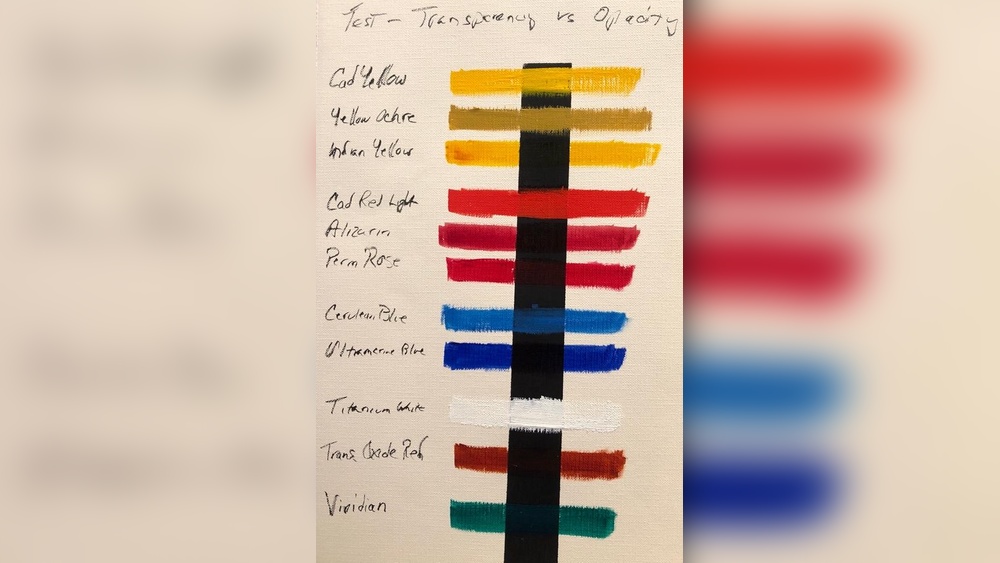
Start by applying a brushstroke of paint on white paper. Let it dry fully. Observe how much the white shows through the paint. Thick coverage means high opacity. If the paper is visible, the paint is transparent.
Next, paint a stroke on black paper. This tests if the paint hides dark backgrounds. Opaque paint covers black well. Transparent paint lets the black show. Compare both results to judge opacity.
Using Different Surfaces
Try testing on canvas, glass, or wood. Each surface reacts differently to paint. Canvas absorbs paint more, showing true opacity. Glass reflects light, highlighting transparency. Wood grain can show through transparent layers.
Apply thin and thick paint layers on these surfaces. This helps you see how paint opacity changes with thickness. Keep notes for future reference. Testing on multiple surfaces improves your painting skills.
Choosing The Right Paint For Your Art
Choosing the right paint is key to making your artwork stand out. Acrylic paints come in many types. Each type has different levels of opacity and transparency. Knowing when to use each type helps create the effect you want.
Opaque and transparent paints serve different purposes. Your choice depends on your style and the look you want. Understanding their uses can improve your painting skills.
When To Use Opaque Paints
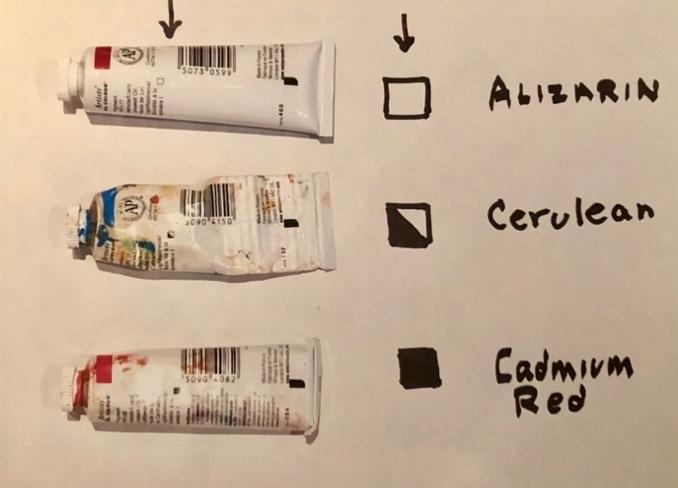
Opaque paints cover the surface completely. They hide the layers beneath. Use them to block out mistakes or create bold shapes. They work well for solid colors and sharp edges. Opaque paints add depth and strong highlights to your work. They are perfect for areas that need full coverage.
When To Use Transparent Paints
Transparent paints let light pass through. They reveal the colors or textures underneath. Use them for soft effects and smooth color transitions. Transparent paints are great for glazing and layering techniques. They help build subtle shadows and highlights. These paints add richness and complexity to your art.
Credit: realismtoday.com
Techniques For Mastering Transparency
Learning how to control transparency in acrylic paint can change your artwork. Transparency adds depth and light to your paintings. It helps create soft effects and smooth transitions. Using the right techniques allows you to apply thin layers that let light pass through. This guide covers key methods to improve your skills in working with transparent acrylics.
Glazing Methods
Glazing means applying a thin, transparent layer of paint over a dry area. It lets the color underneath show through softly. This method brightens colors and adds richness to your painting. Use a medium mixed with paint to make it more transparent. Apply smooth, even brush strokes and wait for each layer to dry. Multiple glaze layers build up subtle color effects.
Layering And Blending
Layering involves painting one transparent layer over another. Each layer changes the color slightly. This creates a glowing, complex look in your work. Blending helps mix colors smoothly while wet. Use a soft brush or sponge to join edges gently. Work quickly before the paint dries. These techniques help you control the transparency and smoothness of your colors.
Tips For Enhancing Opacity
Enhancing the opacity of acrylic paint helps create bold, solid colors. It improves coverage and hides underlying layers better. These tips help you use opacity smartly in your art. Follow simple steps to achieve thicker, more vibrant paint layers.
Using Opaque Colors Effectively
Choose colors known for their opacity. Titanium white, cadmium red, and mars black are good examples. Paint with these colors in the first layers for strong coverage. Apply thick strokes to make the paint less see-through. Work on dry layers for better control of opacity. Avoid thin washes if you want solid color blocks.
Mixing For Better Coverage
Mix opaque colors with less transparent ones for better coverage. Add a small amount of titanium white to dark colors. It thickens paint and raises opacity. Use heavy body acrylics rather than fluid ones for thick texture. Avoid adding too much water, which makes paint thinner and more transparent. Test your mixes on scrap paper before applying to canvas.
Credit: www.montmarte.com
Common Mistakes To Avoid
Understanding acrylic paint opacity and transparency is key for great results. Many beginners make simple mistakes that affect their work. Avoid these common errors to improve your painting skills. Your colors will look better and your paintings will last longer.
Over-thinning Paint
Thinning acrylic paint too much causes it to lose opacity. Thin layers become almost see-through, making colors weak. Paint should flow smoothly but still cover the surface well. Use water or medium sparingly. Too much liquid reduces pigment strength and affects drying time. Thick paint gives better coverage and richer colors.
Ignoring Surface Preparation
Painting on an unprepared surface leads to poor adhesion. Paint may peel or crack later. Clean the surface before starting. Remove dust, grease, or old paint. Use a primer for smooth or shiny surfaces. Proper preparation helps paint stick and shows true color. It also prevents unwanted transparency caused by surface texture.
Recommended Acrylic Paint Brands
Choosing the right acrylic paint brand affects your artwork’s final look. Some brands focus on strong opacity. Others offer clear, transparent colors. Knowing which brands to pick helps you create the effects you want. Below are top picks for both opaque and transparent acrylic paints.
Best Opaque Paints
Opaque paints cover surfaces fully and hide layers beneath. They work well for bold, solid colors. Brands like Liquitex Basics and Golden Heavy Body are known for strong opacity. Liquitex Basics offers thick, rich colors that hide under layers well. Golden Heavy Body paints have dense pigments that provide excellent coverage. These brands help artists who need bright, solid finishes.
Best Transparent Paints
Transparent paints let light pass through, showing layers underneath. They create soft, glowing effects. Winsor & Newton Galeria and Amsterdam Expert are great choices. Winsor & Newton Galeria has smooth, clear colors with good flow. Amsterdam Expert paints offer vibrant, see-through tones for glazing and washes. These brands suit artists who want subtle color shifts and depth.
Inspiring Projects To Practice
Practicing with acrylic paint helps you understand opacity and transparency better. Try different projects that highlight these qualities. This will improve your painting skills and creativity. Below are two project ideas to guide your practice.
Creating Depth With Transparency
Use transparent layers to build depth in your artwork. Thin washes of paint allow light to pass through. This technique works well for skies, water, and glass. Layering transparent colors creates soft blends and subtle shifts. It makes your painting look more natural and lively. Try glazing thin colors over dry layers. Notice how the colors mix visually without blending physically.
Bold Statements With Opacity
Opaque paint covers the surface fully and hides layers underneath. Use thick, solid colors for bold shapes and details. This is perfect for focal points and graphic designs. Opaque strokes add contrast and make your art stand out. Experiment with solid backgrounds and sharp edges. Paint boldly to emphasize important parts of your work.
Frequently Asked Questions
What Is Acrylic Paint Opacity?
Acrylic paint opacity refers to its ability to cover underlying surfaces. High opacity means less light passes through, hiding layers beneath. Opaque paints are ideal for bold, solid colors and corrections. Transparent paints allow light and background details to show through, useful for glazing and layering effects.
How Does Transparency Affect Acrylic Painting?
Transparency allows light to pass through paint layers, revealing textures and colors underneath. It helps create depth, luminosity, and subtle color variations. Transparent acrylics are perfect for glazing, washes, and blending. Artists use this to build complex, rich paintings with multiple visible layers.
Can I Mix Opaque And Transparent Acrylics?
Yes, mixing opaque and transparent acrylics adjusts the paint’s coverage and effects. Combining them creates custom opacity, balancing vibrant colors and subtle transparency. This technique enhances depth and texture in paintings. Always test mixtures on a palette before applying to your artwork.
Why Choose Transparent Over Opaque Acrylics?
Transparent acrylics offer versatility for layering and glazing techniques. They create luminous effects and smooth color transitions. These paints enhance depth and subtlety in artworks. Choose transparent paints when you want to reveal textures or build colors gradually.
Conclusion
Understanding acrylic paint’s opacity and transparency helps you paint better. Opaque paints cover layers fully, hiding what is underneath. Transparent paints let light pass through, showing layers beneath. Choosing the right type changes your artwork’s look and feel. Experiment with both to find what suits your style best.
Clear knowledge of these terms guides your color mixing and brushwork. Paint with confidence and enjoy the creative process. Keep practicing to see how opacity and transparency affect your work. Your art will grow stronger with each try.