What is Acrylic Painting?
Acrylic painting uses acrylic paints. These paints are water-based. They dry quickly. Artists love using acrylics on canvas.
Why Choose Acrylic Paints?
- Quick Drying: Acrylic paints dry fast.
- Versatile: You can use them thick or thin.
- Easy to Clean: Just use soap and water.
- Durable: Acrylics last a long time.
Materials Needed
To start acrylic painting on canvas, you need some materials.
| Material | Description |
|---|---|
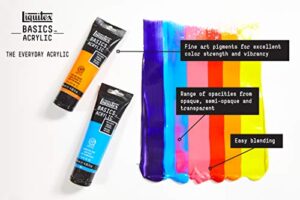
| Acrylic Paints | Choose a variety of colors. |
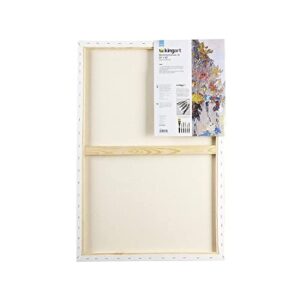
| Canvas | Buy stretched canvas or canvas boards. |
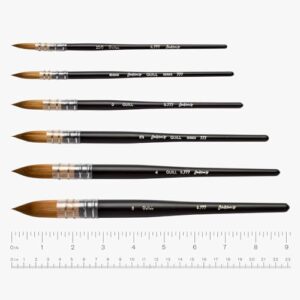
| Brushes | Get different sizes and shapes. |
| Palette | Use it for mixing colors. |
| Water Container | For cleaning brushes. |
| Paper Towels | To wipe brushes and clean spills. |
Preparing Your Canvas
Preparing your canvas is important. Follow these steps:
- Buy a pre-stretched canvas or stretch your own.
- Apply a layer of gesso. This primes the canvas.
- Let the gesso dry completely.
- Sand the canvas lightly. This makes it smooth.
Basic Techniques
Learn these basic techniques to start painting:
- Dry Brush: Use a dry brush with little paint.
- Wet-on-Wet: Apply wet paint on wet canvas.
- Layering: Paint in layers to add depth.
- Blending: Mix colors on the canvas for smooth transitions.
- Stippling: Dab the brush to create texture.
Credit: www.youtube.com
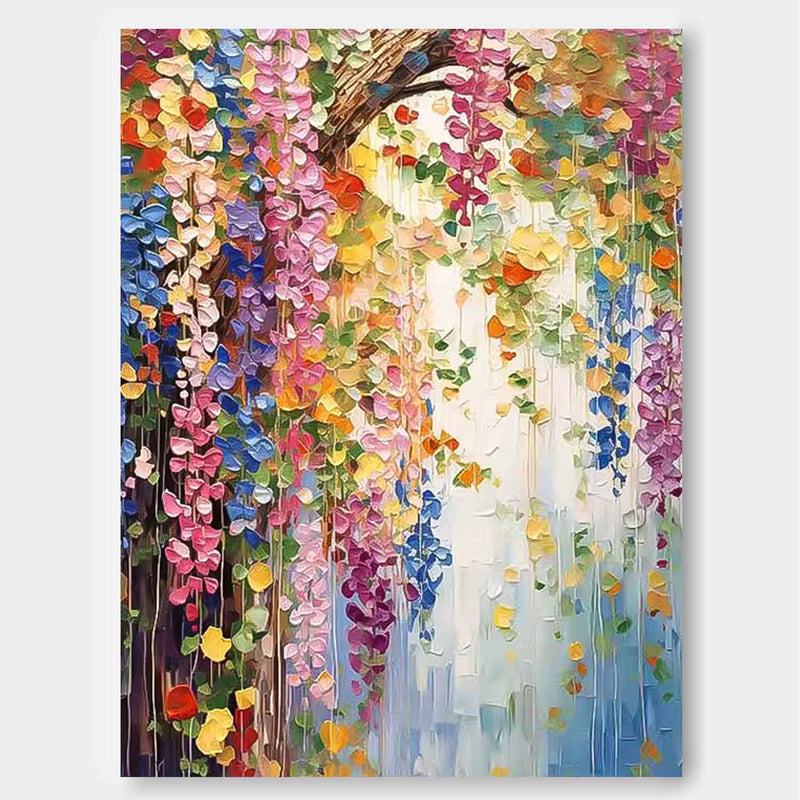
Credit: artismore.net
Advanced Techniques
Once you’re comfortable, try these advanced techniques:
- Glazing: Apply thin layers of paint for depth.
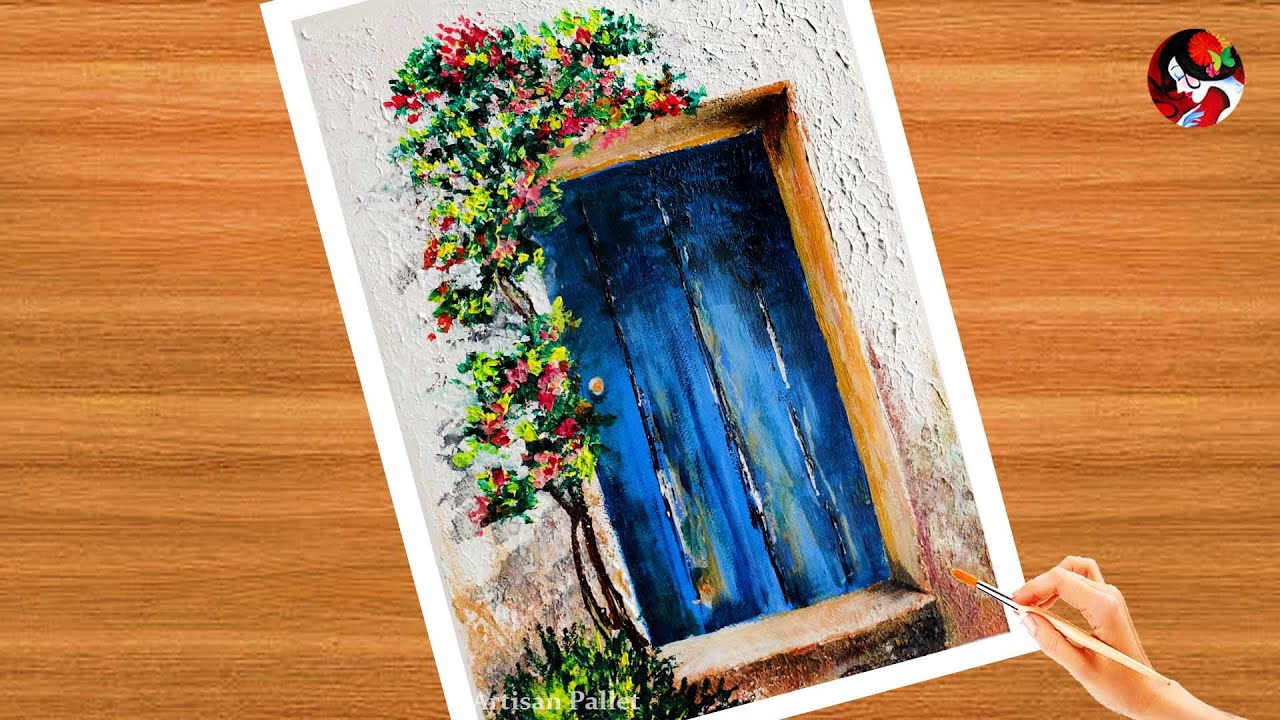
- Impasto: Use thick paint for a textured look.
- Scumbling: Scrub paint onto the canvas for a soft effect.
- Palette Knife: Use a knife instead of a brush for bold strokes.
Common Mistakes and How to Avoid Them
Here are some mistakes beginners make:
- Using Too Much Water: This can weaken the paint.
- Not Letting Layers Dry: This can mix colors unintentionally.
- Overworking the Paint: This can make the painting look muddy.
- Skipping Gesso: This can make the paint soak into the canvas.
Avoid these mistakes to improve your painting.
Cleaning and Storing Your Supplies
Take care of your supplies to make them last:
- Clean Brushes: Use soap and water.
- Store Paints: Keep lids tight to prevent drying.
- Clean Palette: Wipe it after each use.
- Store Canvas: Keep it in a cool, dry place.
Inspiration and Practice
Practice makes perfect. Here are some ways to find inspiration:
- Look at other artists’ work.
- Visit art museums and galleries.
- Take a walk in nature.
- Try painting from photos.
Keep practicing and experimenting with new ideas.
Final Thoughts
Acrylic painting on canvas is fun and rewarding. With the right materials and techniques, you can create beautiful art. Remember to practice and enjoy the process. Happy painting!
Habits That Improve Acrylic Paintings on Canvas
Tone the canvas
A mid tone ground makes value judgements easier than stark white.
Big brushes first
Block in with large brushes, and switch to small brushes only for final details.
Keep paint workable
Use a stay wet palette and mist the canvas lightly to extend working time.
Layer rather than overwork
Acrylic dries quickly, so it rewards layering. If an area is not working, let it dry and repaint it instead of scrubbing wet paint.
Varnish when finished
A final varnish evens the sheen, deepens colours and protects the surface.
Frequently Asked Questions
What Is Acrylic Paint?
Acrylic paint is a fast-drying paint made of pigment suspended in acrylic polymer emulsion.
Can You Paint Acrylic On Canvas?
Yes, you can paint acrylic on canvas. It is a popular medium for artists.
How To Prepare A Canvas For Acrylics?
Gesso the canvas to prime it, ensuring better paint adhesion and smoother application.
What Are The Best Brushes For Acrylics?
Synthetic brushes work best for acrylics due to their durability and ability to hold paint well.