Canvas became the default painting surface largely because it is light, roll-able and easy to ship, not because it is the only good option. Painters worked on wood, copper, plaster and paper for centuries before stretched fabric took over, and many still prefer those surfaces today. If you are looking for alternatives to canvas for painting, you have more choices than you might expect, and several of them are cheaper, sturdier or better suited to fine detail.
Quick answer: The best alternatives to canvas for painting are wood panels (birch plywood, hardboard or MDF), heavyweight watercolor or mixed-media paper, canvas paper and canvas pads, illustration and gessoboard, cardboard and chipboard for practice, aluminum or other metal sheets, and found surfaces like slate, ceramic tile, glass and fabric. For acrylic and oil, almost any rigid, non-greasy surface works once it is clean, lightly sanded and primed with gesso, which seals it and gives the paint something to grip.
Why Painters Look Beyond Canvas
Stretched canvas has real strengths: it is light for its size, has a pleasant spring under the brush, and can be made very large. But it also has drawbacks that send artists toward other supports.
- Cost: Quality stretched canvas gets expensive quickly, especially for frequent practice.
- Texture: The weave fights very fine detail and smooth blending.
- Fragility: Canvas can be punctured, dented or loosened over time.
- Storage: Stretcher bars make canvases bulky.
- Style: Some ideas simply look better on wood grain, metal or paper.
None of that makes canvas a poor choice. Plenty of collectors still want the classic look of acrylic art painted on canvas for their walls. It just means the right surface depends on the project.
Art Alternatives: Wood Panel and Other Rigid Boards
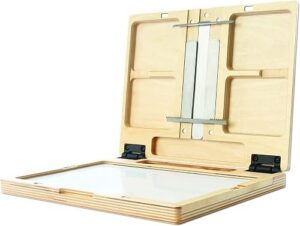
Wood panels are the most popular professional alternative and the one with the longest history. Many Renaissance paintings were made on wooden panels well before canvas became standard in Europe.
Birch plywood panels
Cradled birch panels, with a wooden frame glued to the back for depth and stability, are widely sold for acrylic, oil, encaustic and mixed media. Birch has a fine, even grain. The surface is rigid, so there is no bounce, and paint sits evenly.
Best for: Detailed realism, layered mixed media, pouring and resin work, pieces you want to display without a frame.
Watch out for: Raw wood contains compounds that can migrate into paint and cause discoloration, sometimes called support-induced discoloration. Seal the wood with an acrylic medium or a dedicated size before priming with gesso.
Hardboard (high-density fiberboard)
Hardboard, often sold under the name Masonite, is thin, dense and smooth on one side. It is cheap at hardware stores and can be cut to any size. Many painters prime the smooth side with several coats of gesso, sanding between coats for a very fine surface.
Best for: Smooth realism, portraits, egg tempera, small to medium works.
Watch out for: Buy untempered hardboard if possible; tempered boards are treated with oils that can interfere with adhesion. Sand and degrease before priming. Larger sheets may need bracing on the back to stay flat.
MDF (medium-density fiberboard)
MDF is thicker and very flat, with no grain. It takes gesso well and is easy to cut.
Best for: Studio work that stays indoors, heavy texture and impasto.
Watch out for: It is heavy, swells if water reaches raw edges, and produces fine dust when cut, so wear a dust mask. Seal all sides and edges.
Gessoboard and claybord-style panels
Ready-made panels coated with a smooth, absorbent ground are sold by several art brands. They save prep time and are designed with archival materials. The absorbent clay-style grounds are especially popular for ink, watercolor-style acrylics and scratchboard effects.
Paper-Based Alternatives to Canvas
Heavyweight watercolor and mixed-media paper
Paper of 140 lb (300 gsm) or heavier handles acrylic and gouache well, and with a gesso coat it can take oil. Cold-press paper offers some texture; hot-press is smooth.
Best for: Studies, sketchbook work, illustration and paintings you plan to frame behind glass.
Watch out for: Lighter papers buckle with wet paint. Tape the paper down on all four sides to a board to keep it flat as it dries.
Canvas paper and canvas pads
These are sheets of paper embossed or coated to mimic canvas texture, or loose primed canvas bound into a pad. They are inexpensive and ideal for practice and color tests.
Watch out for: They are not archival in most cases and can curl. Treat them as practice surfaces.
Illustration board and bristol board
Illustration board is paper laminated onto a stiff backing. It is smooth and rigid, which suits gouache, acrylic illustration and ink.
Budget and Practice Surfaces
Cardboard and chipboard
Cereal boxes, shipping boxes and chipboard backing sheets cost nothing and work surprisingly well for quick acrylic studies once coated with gesso or a primer. Their acidity and fragility mean they are not intended for long-lasting work, but they remove the pressure of painting on an expensive surface.
Canvas panels
Canvas panels are a compromise between canvas and board: primed fabric glued to a thin cardboard or composite backing. They feel like canvas, are rigid and cheap, and stack flat.
Old paintings and thrifted art
Painting over a thrift-store canvas or board is a long-standing artist habit. Clean it, sand off any glossy varnish lightly, and apply a coat of gesso. Avoid painting acrylic over oil paintings, since acrylic does not bond reliably to oil.
Metal, Glass and Stone Surfaces
Aluminum and other metal sheets
Aluminum composite panels and copper sheets give a perfectly smooth, durable surface. Copper has a long history as an oil painting support, prized for its luminosity. Modern aluminum panels are light and do not warp.
Prep: Degrease with alcohol, scuff with fine sandpaper, and apply a primer made for metal before acrylic. Some painters leave areas of bare metal showing for effect, sealing it afterward.
Glass
Glass painting includes reverse painting, where the image is painted on the back so it is viewed through the glass. Acrylic sticks to glass poorly without preparation, so use a glass primer or paints formulated for glass and seal the result.
Slate, stone and ceramic tile
Slate and river rocks are popular for small decorative pieces. Ceramic tiles give a smooth, rigid square that can be framed or used as a trivet if sealed. Clean, prime with a suitable primer or gesso, and seal with a varnish appropriate for the intended use.
Fabric and Unusual Supports
Linen is technically canvas’s close relative and often considered the premium painting fabric. Beyond that, painters work on unstretched cotton duck, denim, burlap, silk and paper-backed fabrics. Acrylic paint mixed with fabric medium stays flexible on clothing and textiles.
Other experimental options include drywall offcuts (primed), plaster panels for fresco-style work, yupo synthetic paper for fluid media, and even vinyl records or skateboards for decorative art. Each needs cleaning, a suitable primer and a protective topcoat.
Comparison Table: Canvas Alternatives at a Glance
| Surface | Texture | Rigidity | Cost | Archival potential | Prep needed |
|---|---|---|---|---|---|
| Birch wood panel | Smooth to fine grain | Rigid | Medium | High when sealed | Seal, gesso |
| Hardboard | Very smooth | Rigid | Low | High when properly prepared | Sand, degrease, gesso |
| MDF | Very smooth | Rigid, heavy | Low | Moderate | Seal all sides, gesso |
| Watercolor/mixed-media paper | Smooth to rough | Flexible | Low to medium | High with quality paper | Tape down; optional gesso |
| Canvas paper/pad | Canvas-like | Flexible | Very low | Low | None |
| Canvas panel | Canvas weave | Semi-rigid | Low | Low to moderate | None to light gesso |
| Cardboard/chipboard | Varies | Semi-rigid | Free | Low | Gesso |
| Aluminum panel | Ultra-smooth | Rigid, light | Medium to high | High | Degrease, scuff, metal primer |
| Glass/tile/slate | Smooth or natural | Rigid | Low to medium | Depends on sealing | Clean, specialty primer, sealer |
How to Prepare Almost Any Rigid Surface for Acrylic
- Clean it. Remove dust, grease and residue with mild soap and water or isopropyl alcohol. Let it dry fully.
- Scuff it. Lightly sand glossy surfaces with 220–400 grit sandpaper so primer can grip.
- Seal porous materials. Wood, hardboard and MDF benefit from a coat of acrylic gloss medium or a size before priming, to block impurities and moisture.
- Prime. Brush or roll on two to three thin coats of acrylic gesso, alternating direction between coats. Let each coat dry, and sand lightly with fine paper if you want a smoother finish.
- Coat the back on thin boards. Priming both faces of thin panels helps them stay flat.
- Paint and seal. Once the painting is dry, finish with a varnish compatible with acrylic to protect it from dust and UV light.
Choosing a Canvas Alternative by Medium
- Acrylic: Nearly everything on this list works. Wood panels, hardboard, heavy paper, canvas panels and metal are the most common.
- Oil: Choose rigid, properly sealed and primed supports such as hardboard, wood or aluminum. Paper must be sealed or primed, since oil can degrade raw paper fibers over time.
- Watercolor and gouache: Watercolor paper is the standard. Absorbent clay-coated panels are an option if you want a rigid support.
- Mixed media and collage: Rigid panels are ideal because they support heavy pastes, gels and attached materials without sagging.
- Pouring and resin: Cradled wood panels stay flat, which keeps poured paint and resin from pooling to one side.
Framing and Displaying Work on Non-Canvas Surfaces
How a surface will be displayed is worth deciding before you paint, because it can steer you toward one support or another.
- Cradled wood panels have built-in depth, so they can hang unframed with a wire or D-rings screwed into the cradle. Paint or stain the sides for a finished look.
- Thin hardboard and canvas panels fit standard picture frames of the same size. They can also be glued to a wood block for a frameless modern edge.
- Paper usually goes behind glass or acrylic glazing with a mat that keeps the surface from touching the glazing. Alternatively, a varnished acrylic painting on paper can be mounted to a rigid panel with acid-free adhesive or gel medium.
- Metal panels often come with a hanging system or can be hung with standoffs or a cleat attached to the back.
- Tile, slate and stone suit small easels, shelf display or shadow-box frames because of their weight.
Thinking about framing early also helps with size. Cutting hardboard to standard dimensions such as 8×10, 11×14 or 16×20 inches lets you use ready-made frames instead of custom framing.
Common Mistakes With Canvas Alternatives
- Skipping the seal on raw wood. It can lead to yellow or brown staining coming through light colors over time.
- Using tempered or oily boards without degreasing. Paint may peel later.
- Painting watery washes on thin cardboard. The board warps as it absorbs water.
- Assuming acrylic sticks to glass or metal on its own. Without primer it can scratch off with a fingernail.
- Forgetting the back and edges. Unsealed edges on MDF and hardboard absorb moisture and swell.
FAQs
What can I paint on instead of canvas?
Wood panels, hardboard, MDF, heavyweight paper, canvas paper, illustration board, cardboard, metal sheets, glass, slate, ceramic tile and fabric all work. Most need cleaning and a coat of gesso or a suitable primer first.
Is a wood panel better than canvas?
It depends on your style. Wood panels are rigid, durable and great for fine detail and heavy mixed media. Canvas is lighter, has a springy feel and is easier to make very large.
What is the cheapest alternative to canvas?
Primed cardboard, chipboard and canvas paper are the cheapest. Hardboard from a hardware store, cut to size and gessoed, is a low-cost option that can also be archival when properly prepared.
Can you use acrylic paint on paper instead of canvas?
Yes. Use paper of 140 lb (300 gsm) or heavier and tape it down to reduce buckling. A thin coat of gesso adds tooth and protects the paper fibers.
Do I need gesso on wood before painting?
It is strongly recommended. Seal the wood first, then apply gesso to block wood compounds, control absorbency and give acrylic or oil a consistent surface.
Can you paint on plywood with acrylic?
Yes. Sand it smooth, seal it with an acrylic medium or primer, then apply two to three coats of gesso. Birch plywood is a popular choice because of its fine grain.
Final Thoughts
Canvas is one option among many. Wood panels and hardboard give rigid, durable, detail-friendly surfaces; paper keeps costs low and suits studies and illustration; metal, glass and stone open up decorative and experimental work. The common thread is preparation: clean, scuff, seal and prime, and acrylic will hold on to nearly anything.
When you are ready to see how finished work looks in a room, our guide to acrylic canvas paintings for home decor covers sizes, styles and display ideas that can help you decide whether your next piece belongs on canvas or one of these alternatives.