
PaintingProGuide is reader-supported. When you buy through links on this page we may earn an affiliate commission at no extra cost to you.
Three-year-olds do not need a 150-piece art case. They need big, forgiving materials, a short setup, and something that still works when half of it ends up on the floor. The best art kit for a 3 year old is one that matches where they are right now: whole-hand grips, short attention spans, a strong urge to taste or smear, and a huge appetite for cause-and-effect.
That rules out most of the “complete art sets” sold on Amazon, which are built for older kids and are full of tiny pencils, sharpeners and pastel sticks. The kits below were chosen because their listings are clearly aimed at the toddler and preschool stage, and because each one solves a different problem: mess, independence, a first real painting project, or simple fine-motor practice.
Quick answer: For most families, the Crayola Color Wonder Mess Free Coloring Activity Set is the best art kit for a 3 year old, because the ink only shows up on its special paper and it includes stamps, stickers and a carrying case. If you want actual painting with almost no cleanup, the JoyCat Paint with Water Coloring Book is the easiest start. For a first real paint-and-brush project you can do together, choose the JOYIN 12 Wooden Magnet Painting Kit.
Our Top Picks at a Glance
- Crayola Color Wonder Mess Free Activity Set — Best overall art kit for a 3 year old
- JoyCat Paint with Water Coloring Book — Best low-mess first painting experience
- Dan&Darci Glitter & Shimmer Foam Sticker Art — Best for quiet, independent play and travel
- JOYIN 12 Wooden Magnet Painting Kit — Best first paint-and-brush project with a grown-up
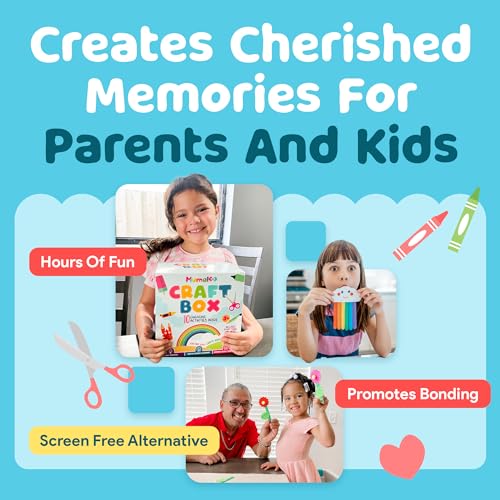
- Mumaloo Arts and Crafts Kit (10 projects) — Best for weekend craft time as they approach 4
| Product | Best For | Key Spec | Key Strength | Price Tier |
|---|---|---|---|---|
| Crayola Color Wonder Set | Everyday coloring at home and on the go | 24 pages, 5 markers, 5 stamps, ink pad | Ink only appears on Color Wonder paper | $ |
| JoyCat Paint with Water Book | First painting, low cleanup | 20 thick pages, brush included | Just water, no paint pots | $ |
| Dan&Darci Foam Sticker Art | Car rides, waiting rooms, quiet time | 6 animal boards, 800+ foam stickers | Peel-and-stick, nothing to spill | $ |
| JOYIN Wooden Magnet Kit | Supervised painting session | 12 wood magnets, palette, brush, glitter glue | Finished pieces go on the fridge | $ |
| Mumaloo Craft Kit | Guided projects with a parent | 10 pre-packed, pre-cut projects | No hunting for supplies | $$ |
How We Chose
We did not run a toddler lab. The picks are based on the Amazon listing details and specifications checked in October 2026, how well each kit’s format suits a child of about three, and how widely each product is reviewed by Amazon buyers. Where a listing states an age range, we leaned on it; where a kit was clearly designed for older children, we left it out.
Two popular all-in-one cases in the same search results were deliberately excluded. One is listed for adults and contains a sharpener, watercolor pens and small pastel sticks; the other is labeled for ages 4 to 8 and includes small clips. Both are fine products for the right child, just not for a typical three-year-old.
The criteria we weighted:
- Stated age suitability of 3 and up, or a clear toddler/preschool design
- Chunky, easy-grip tools instead of fine pencils and thin brushes
- Mess control: special paper, water-only painting, or stickers instead of open paint
- Short setup time, because a three-year-old’s interest can vanish in the time it takes to find a smock
- Non-toxic claims in the listing
- Something the child can finish and show off in one sitting
Best Art Kits for 3 Year Olds Reviewed
1. Crayola Color Wonder Mess Free Coloring Activity Set — Best for everyday coloring

Color Wonder is the classic answer to the question “how do I let a toddler use markers without ruining the couch?” The markers and ink only show color on the special Color Wonder paper, so marks on skin, clothes or furniture simply do not appear. For a child who is still learning that crayons go on paper, that one feature removes most of the stress from art time.
This activity set goes beyond a basic pad. According to the listing it includes 24 blank Color Wonder pages, 3 sticker sheets, an ink pad with 5 stamps and a stamp holder, 5 markers, and a carrying case. Stamping is especially good at this age because it is pure cause and effect: press down, lift up, see the shape.
Best suited for: Toddlers who are drawing on everything, families who travel, and anyone who wants a no-stress first set.
Key features:
- 24 blank Color Wonder pages, 3 sticker sheets
- 5 Color Wonder markers, ink pad and 5 stamps
- Carrying case for travel
- Listed as safe and nontoxic, ideal for ages 3 and up
- Listed age range 36 to 60 months
Pros:
- Truly mess-free on surfaces and skin
- Stamps and stickers add variety beyond scribbling
- Case keeps everything together in the car or diaper bag
- Crayola is a familiar, widely available brand
Cons and limitations:
- Works only on Color Wonder paper, so refills are an ongoing cost
- Colors are softer than standard washable markers
- Not a true painting experience
Buying consideration: Budget for refill paper if your child loves it; regular paper will not show any color with these markers.
2. JoyCat Paint with Water Coloring Books for Toddlers (Magical Pony) — Best for a first painting experience

Paint-with-water books are the gentlest introduction to a brush. The color is already printed into the page in a hidden form; the child dips the brush in water, sweeps it across the drawing, and color appears. There are no paint pots to tip, no colors to mix into brown, and the only thing to clean is a cup of water.
The JoyCat book is listed as a 3-in-1 package that combines the brush and the coloring pages. It has 20 pages on what the listing describes as super thick paper, so wet pages are less likely to tear, and each sheet has cut lines for easy removal. The book measures about 9.6 x 8.7 inches with pages around 8.3 x 6.9 inches, a manageable size for small laps and high-chair trays.
Best suited for: Two- and three-year-olds who want to “paint like the big kids,” restaurant tables, and parents who cannot face cleanup today.
Key features:
- 20 pages with tear-off cut lines
- Brush included, uses only water
- Thick paper to resist bleed-through
- Pages about 8.26 x 6.88 inches
- Listed as washable and fast-drying
Pros:
- Almost zero mess
- Builds brush control and color recognition
- Very portable
- Low price tier
Cons and limitations:
- Each page can only be “revealed” once
- Limited creative freedom: the picture is pre-set
- Some kids finish all 20 pages in a few sittings
Buying consideration: Think of this as a stepping stone. It teaches the motion of dipping and brushing, which makes the move to real washable paint much smoother.
3. Dan&Darci Glitter & Shimmer Foam Sticker Art — Best for quiet, independent play

Not every art kit has to involve a brush. Peel-and-stick foam art is one of the best fine-motor activities for this age because peeling a sticker off a backing takes real finger coordination, and placing it on a board takes planning. The finished board also gives the child a sense of completing something.
This kit includes 6 animal-themed boards and over 800 foam stickers, including glitter and shimmer pieces, according to the listing. Because there is no liquid and no drying time, it is one of the few art activities that genuinely works in a car seat, on a plane tray or in a waiting room.
Best suited for: Travel, quiet time, siblings at a younger age, and kids who get frustrated by paint.
Key features:
- 6 animal boards
- More than 800 foam, glitter and shimmer stickers
- Peel-and-stick, no glue or paint
- Board size about 9 x 8.5 inches
Pros:
- Nothing to spill or wash
- Excellent pincer-grip practice
- Holds attention well for a sticker-loving child
- Lightweight and flat to pack
Cons and limitations:
- Small stickers can be a choking hazard for children who still mouth objects
- Adults may need to start the peel on the first few
- Less open-ended than drawing or painting
Buying consideration: Check whether your child still puts things in their mouth. If so, sit with them for this one or wait a few months.
4. JOYIN 12 Wooden Magnet Painting Kit — Best for a first paint-and-brush project

When you are ready for real paint, a small object is easier than a big sheet of paper. This JOYIN kit includes 12 wooden magnets, a paint palette, a brush and glitter glue, plus an instruction sheet. The child paints each shape, you let it dry, and the result goes straight onto the fridge, which three-year-olds tend to find very satisfying.
The listing states the kit is non-toxic, non-BPA and lead-free and meets US toy standards, and that it is suitable for kids aged 3 and up. Painting a dozen small pieces also breaks the activity into short bursts: paint two today, two tomorrow, and the kit lasts a week.
Best suited for: A supervised weekend activity, a toddler who is ready for real paint, and grandparents looking for a simple shared project.
Key features:
- 12 wooden magnet shapes
- Paint palette, brush and glitter glue included
- Instruction sheet
- Listed as non-toxic, non-BPA, lead-free
- Listed for ages 3 and up
Pros:
- A genuine painting experience on a small, manageable surface
- Finished items are displayed and used
- Easy to split into several short sessions
- Low price tier
Cons and limitations:
- Needs adult supervision and a covered table
- The included brush is small for very young hands; a chunky brush helps
- Magnets must stay out of reach of children who mouth objects
Buying consideration: Swap in a short, thick toddler brush if you have one, and keep finished magnets high on the fridge rather than at toddler height.
5. Mumaloo Arts and Crafts Kit for Kids (10 Projects) — Best for guided weekend crafts as they near 4

The Mumaloo box is a different kind of kit: 10 complete projects, each pre-cut and packed in its own slot with paper, glue and picture instructions. The listing describes it as mess-free and made for weekends, family time and rainy days, and mentions ages 3 through 8 in the gift section, although the title says 4 to 8.
For a three-year-old, treat this as a do-it-together kit. They can choose the day’s project, peel, stick and decorate, while you handle the steps that need more precision. As they move toward four, they will be able to do more of each project alone.
Best suited for: Parents who want a ready-made plan for craft time, and children who are close to their fourth birthday.
Key features:
- 10 pre-packed, pre-cut projects
- Each project in its own slot
- Picture instructions
- Includes paper and easy-to-use glue
- Box about 8 x 5 x 8 inches
Pros:
- No supply shopping or prep
- The “surprise project” format builds excitement
- Teaches following simple steps
- Good shared activity
Cons and limitations:
- Projects are crafts rather than painting
- Some steps will need adult help at age 3
- Once the 10 projects are done, the kit is finished
Buying consideration: If your child is a young three, keep this one for a few months; the stated core age range starts at 4.
Buying Guide: How to Choose an Art Kit for a 3 Year Old
A good art kit for a 3 year old is less about the number of pieces and more about fit. Here is what to look at before you buy.
Check the stated age range first
Listings on Amazon often stuff every age into the title. Look in the bullets and details for the actual recommendation. A kit labeled 3 and up has been designed with this age in mind; one labeled 4 to 8 or “adult” may include small parts, sharp sharpeners or pencils that a three-year-old will snap.
Choose tools sized for a fist grip
Most three-year-olds still hold a crayon or brush in a palm grip. Thick markers, jumbo crayons, stamps and short, fat brushes are far easier than thin colored pencils. If a kit includes fine tools, plan to put them away for later.
Decide how much mess you can handle
There is a scale here. Stickers and Color Wonder markers are near zero mess. Paint-with-water books are close behind. Washable paint on wooden shapes is real mess but contained. Open tempera on big paper is the messiest and also the most expressive. Pick the level that matches your space and your energy, and move up the scale over time.
Look for non-toxic claims
Toddlers put fingers in their mouths constantly. Choose products whose listings state non-toxic materials, and look for references to US toy or art-material safety standards. Washable formulas also make clothing accidents far less painful.
Favor short, finishable activities
Attention at this age is often measured in minutes. A kit that produces a finished object in one sitting, such as a sticker board, a painted magnet or a revealed page, gives the child a sense of success and makes them want to return.
Think about storage and travel
A case or box that keeps the pieces together is worth more than it seems. It means the kit actually gets used again instead of being scattered across the playroom. Cases with handles also double as travel kits.
Plan for refills
Specialty systems like Color Wonder need their own paper, and activity books get used up. That is fine, but factor it in. Open-ended supplies such as washable paint and plain paper are cheaper to keep going over the long run.
Simple Art Ideas to Try Next
Once your child is comfortable with the basics, simple process-art activities stretch the same skills. Older siblings can try scratch art painting crafts, and you can adapt the idea for a three-year-old by letting them paint the colorful base layer while you do the scratching later. For a family wall project, painting a feather for DIY wall art gives a toddler a big, forgiving shape to cover in color.
Common Mistakes to Avoid
- Buying a giant “complete” art set made for older kids and expecting a three-year-old to use the pencils and pastels
- Ignoring small parts: stickers, magnets and caps all need supervision for children who still mouth objects
- Offering every color at once, which quickly becomes brown; two or three colors at a time keeps paintings bright
- Setting up somewhere you will be anxious about stains; a washable mat or old shower curtain removes the tension
- Correcting the art; at this age the process matters more than the picture
- Expecting long sessions; ten focused minutes is a good art session for many three-year-olds
- Forgetting to plan for refills of specialty paper or books
FAQs
What should a 3 year old art kit include?
Chunky tools that suit a palm grip, a low-mess medium such as washable markers, stamps, stickers or paint-with-water pages, and a few simple surfaces to decorate. Skip sharpeners, thin pencils and tiny pieces.
Is Color Wonder really mess free?
The Color Wonder ink is designed to appear only on Color Wonder paper, so marks on skin, clothes and furniture do not show up. The trade-off is that you need the special paper for it to work.
Can a 3 year old use real paint?
Yes, with supervision. Washable, non-toxic paint on a small surface such as a wooden shape or a single sheet of thick paper is a good start. Offer only two or three colors and a short, thick brush.
Are kits labeled ages 4 to 8 okay for a 3 year old?
Sometimes, but check the contents. Many include small pieces, sharp tools or fine pencils. If your child is close to four and no longer mouths objects, you can use parts of the kit with an adult present.
How long will a 3 year old stay interested in an art activity?
Often around 5 to 15 minutes, depending on the child and the activity. Kits that produce a finished result quickly, like sticker boards or revealed pages, tend to hold attention best.
What is a good art gift for a 3 year old birthday?
A mess-free activity set or a simple painting kit is usually a safe choice for parents. Pair it with a washable smock or mat if you want to make the gift even more practical.
Final Recommendation
If you buy only one kit, the Crayola Color Wonder Mess Free Coloring Activity Set covers the most ground: markers, stamps and stickers in a case, with ink that will not end up on the furniture. For a child who is desperate to paint, start with the JoyCat Paint with Water book and graduate to the JOYIN Wooden Magnet Painting Kit for a first real paint session together.
Travelers and families with younger siblings will get the most from the Dan&Darci foam sticker kit, as long as an adult keeps an eye on small pieces. And if your child is nearly four and you want a ready-made weekend plan, the Mumaloo project box is the one to set aside.





2 Comments