Have you ever wondered if you can use watercolor paint on canvas? If you’re curious about trying something new with your art, this question might have crossed your mind.
Watercolors are known for their delicate washes and transparency, but canvas is a surface usually linked to oils or acrylics. So, can these two work together? The short answer is yes—but there’s a catch. If you want your watercolor to stay put and look vibrant on canvas, you’ll need to know some tricks.
Keep reading, and you’ll discover how to make watercolor and canvas a perfect match for your next masterpiece.
Watercolor And Canvas Compatibility
Watercolor and canvas compatibility raises many questions among artists. Watercolor paint behaves differently on canvas than on paper. Canvas has a unique texture and absorbency that affect watercolor application. Understanding these differences helps artists achieve better results with watercolor on canvas.
Why Watercolor Slides On Canvas
Watercolor paint often slides on canvas because the surface is smooth and non-absorbent. Unlike paper, canvas does not soak up water easily. The paint stays wet longer and moves around. This can cause unwanted blending or pooling of colors. The slick surface means the paint has less grip on the canvas fibers.
Absorbency Challenges Of Canvas
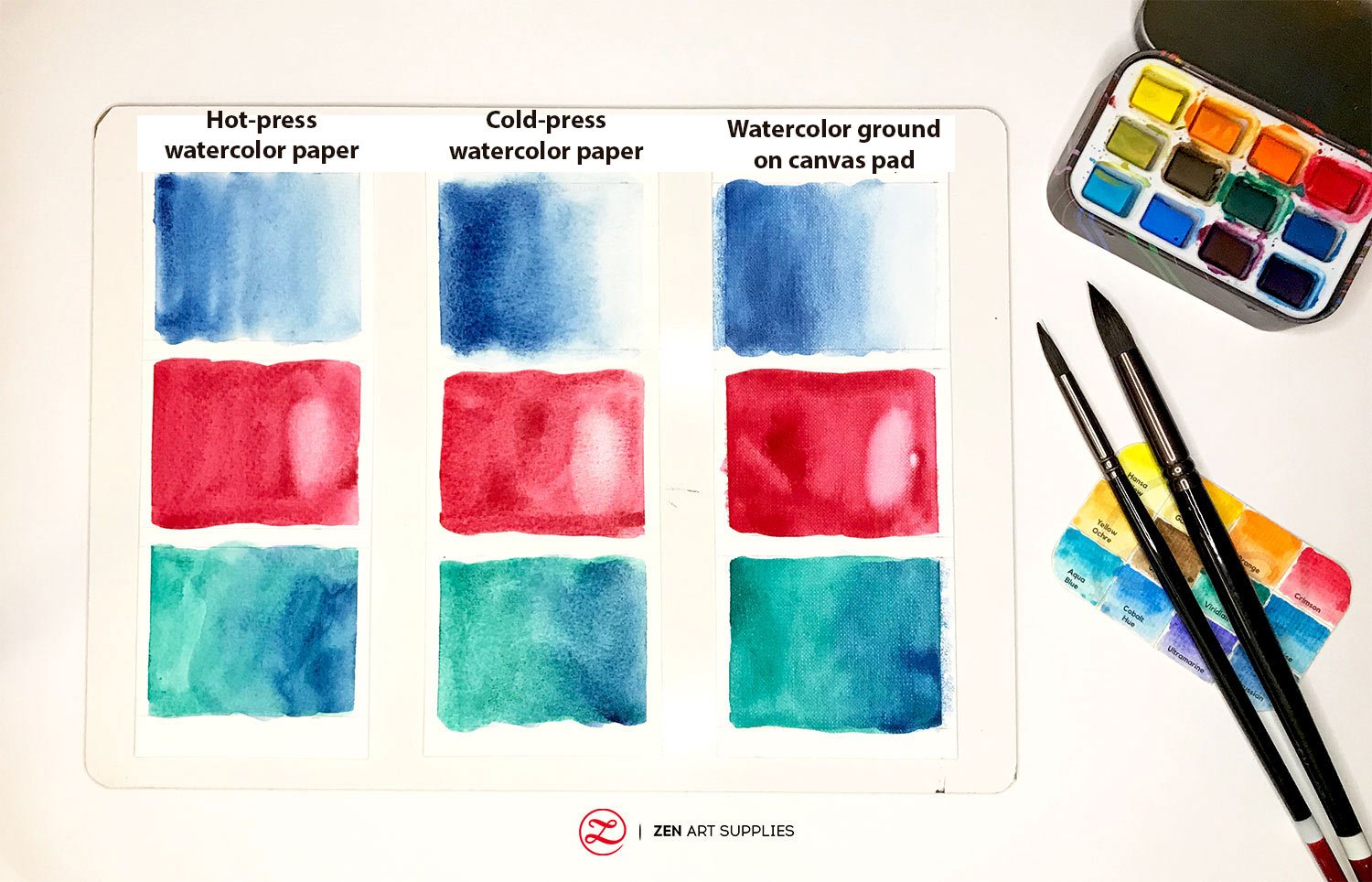
Canvas naturally resists water absorption. This makes it hard for watercolor to stick well. The water in the paint sits on top instead of soaking in. This can lead to uneven drying and patchy colors. Artists often use a special absorbent ground to improve canvas absorbency. This ground creates a better surface for watercolor paint to adhere to.
Differences Between Paper And Canvas
Paper is designed to absorb water and pigment quickly. It has a rough texture that holds watercolor in place. Canvas has a coarser weave and is less absorbent by nature. Paper allows for delicate washes and smooth blending. Canvas requires preparation to handle watercolor’s fluid nature. Each surface offers different effects and challenges for artists.

Credit: www.artistsnetwork.com
Preparing Canvas For Watercolor
Watercolor painting on canvas requires special preparation to ensure the paint sticks well. Canvas is not naturally absorbent like watercolor paper. Without proper treatment, watercolors will slide off or pool unevenly. Preparing the canvas helps create a surface that holds watercolors better and allows smooth blending. This section explains key methods to prepare canvas for watercolor art.
Using Absorbent Ground
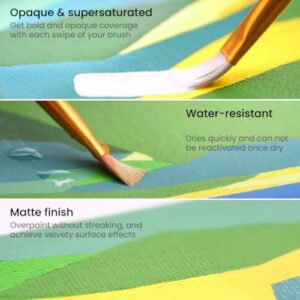
Absorbent ground is a special primer designed for watercolor on canvas. It creates a surface that soaks up water and pigment evenly. This helps the paint adhere without sliding. Applying absorbent ground in thin layers gives a smooth, absorbent base. Let each layer dry fully before adding the next. It improves paint control and color vibrancy on canvas.
Applying Gesso Vs. Absorbent Ground
Gesso is the common primer for acrylic or oil painting on canvas. It creates a sealed, slightly textured surface. But gesso is not very absorbent for watercolor. Watercolors tend to bead or lift off gesso. Absorbent ground, however, is made specifically for water-based paints. It soaks in the paint and allows layering. For watercolor, absorbent ground works better than gesso.
Surface Texture Adjustments
Texture affects how watercolors behave on canvas. A very rough texture can cause uneven paint flow. Sanding the primed canvas lightly smooths the surface. This helps watercolor paint spread more evenly. Too smooth a surface may reduce paint grip. Aim for a balanced texture—smooth but with slight tooth. Experiment with sanding between primer layers for best results.
Techniques For Watercolor On Canvas
Watercolor painting on canvas offers a unique texture and depth to your artwork. It requires different techniques than traditional paper watercolor. Understanding these methods helps you achieve vibrant and lasting results. Below are some key techniques to guide your watercolor on canvas journey.
Layering And Drying Times
Apply thin layers of watercolor to build color gradually. Each layer must dry fully before adding the next. This prevents colors from mixing unintentionally. Waiting allows better control of tones and shades. Patience during drying improves the final appearance and texture.
Brushwork Tips
Use soft brushes to avoid damaging the canvas surface. Choose brushes that hold enough water for smooth strokes. Experiment with different brush sizes for detail or broad washes. Light, even strokes help maintain control. Clean brushes often to keep colors pure and vibrant.
Color Mixing And Pigment Control
Mix colors on a palette before applying to the canvas. Control water-to-pigment ratio to adjust transparency and intensity. More water creates lighter washes, less water gives richer color. Test mixes on a separate surface to avoid mistakes. Proper pigment control enhances the overall look and depth.
Credit: shop.zenartsupplies.co
Common Watercolor Mistakes On Canvas
Watercolor painting on canvas presents unique challenges. Many artists face common mistakes that affect their work’s quality. Understanding these errors helps improve results and enjoy the process more.
Overworking Paint And Muddy Colors
Overworking paint on canvas causes colors to lose brightness. Constant brushing breaks the paper’s surface, creating dull, muddy tones. On canvas, this effect worsens because of the texture. Stopping early preserves color vibrancy and fresh appearance.
Incorrect Water-to-pigment Ratio
Water and pigment balance is key in watercolor on canvas. Too much water makes colors weak and hard to control. Too little water causes thick, uneven layers. Finding the right mix helps paint flow smoothly and dry evenly.
Starting With Details Too Early
Painting details before laying base washes risks ruining the work. Canvas absorbs water differently, so early details may blur or lift. Begin with large shapes and light washes. Add details only after the canvas surface is dry.
Tools And Materials To Use
Watercolor painting on canvas requires specific tools and materials for the best results. The canvas surface differs from paper, so you must prepare and select supplies carefully. Using the right brushes, paints, and canvas types will help your watercolor art look vibrant and last longer.
Recommended Brushes
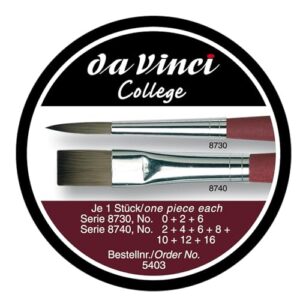
Choose soft, absorbent brushes for smooth watercolor application. Round brushes with fine points offer great control for details. Flat brushes work well for broad washes and backgrounds. Synthetic brushes hold water well and are budget-friendly. Natural hair brushes provide excellent paint flow but may cost more.
Choosing The Right Paints
Pick artist-grade watercolor paints for strong color and good transparency. These paints blend smoothly and dry evenly on canvas. Avoid student-grade paints, as they may lack pigment and vibrancy. Tube watercolors give more intense color than pans. Use liquid watercolors for quick washes and bright effects.
Canvas Types And Sizes
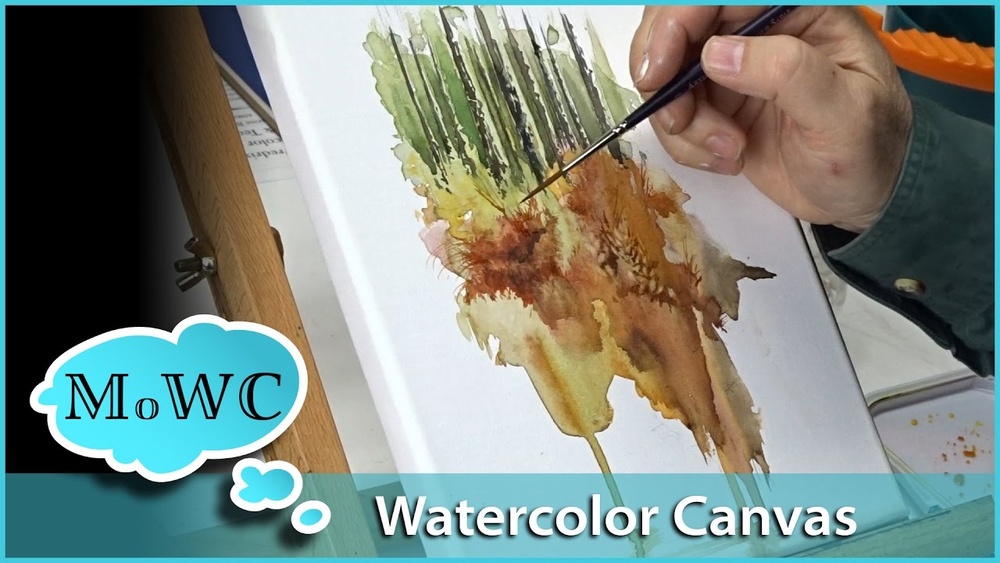
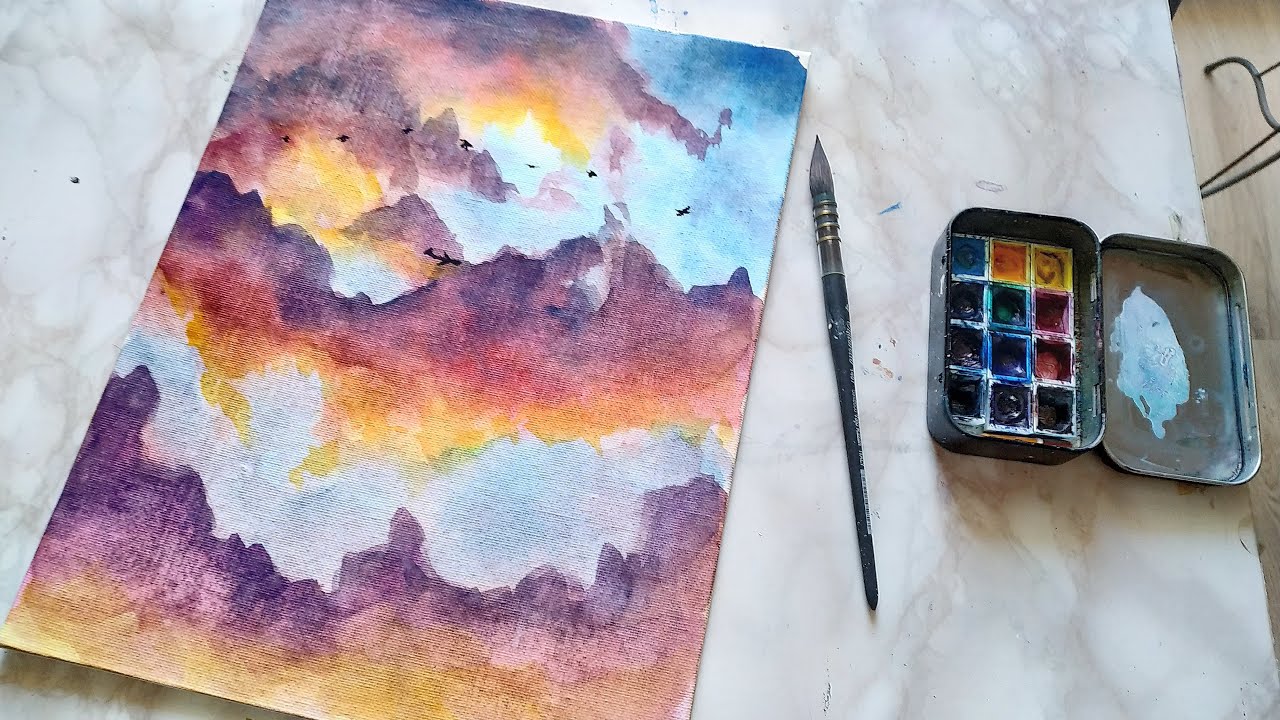
Use watercolor canvas or apply a special absorbent ground to regular canvas. This ground makes the surface ready to hold watercolor pigments. Canvas panels are a good choice for beginners because they are sturdy and affordable. Smaller canvases suit practice and studies, while larger sizes allow expressive washes. Choose the size based on your painting style and space.
Credit: www.youtube.com
Creative Effects And Finishing Touches
Exploring creative effects and finishing touches elevates watercolor painting on canvas. These techniques add depth and personality to your artwork. Experimenting with blending, mixed media, and sealing methods enhances the final look and durability.
Blending And Gradients
Blending watercolor on canvas creates smooth color transitions. Canvas treated with an absorbent ground helps paint flow evenly. Use wet brushes to merge colors softly. Gradients bring dimension and light effects to your painting. Practice layering light washes for subtle shifts in tone. This technique enriches landscapes and abstract designs.
Adding Ink Or Other Media
Combining ink or other media adds contrast and detail. Fine ink lines highlight shapes and textures on watercolor backgrounds. Try using colored pencils or pastels for extra depth. Mixed media brings a unique, tactile quality to the canvas. Ensure each layer dries before applying new materials to avoid smudging. This approach expands creative possibilities beyond watercolor alone.
Sealing And Protecting The Artwork
Sealing watercolor on canvas preserves colors and prevents damage. Use a clear, matte varnish designed for water-based paints. This protects against dust, moisture, and fading. Apply thin, even coats for a smooth finish. Proper sealing extends the life of your artwork. It also enhances color vibrancy and surface texture.
Troubleshooting And Tips
Working with watercolor on canvas presents unique challenges. This section offers practical tips and solutions. These help you avoid common problems and improve your painting experience. Troubleshooting and tips keep your artwork fresh and vibrant.
Preventing Paint Lift-off
Paint lift-off happens when watercolor does not stick well to the canvas. Use a special absorbent ground to prepare the surface first. This creates a rough texture for paint to grab on. Avoid adding too much water on your brush. Let each layer dry fully before adding more paint. Light touches and patience help keep colors in place.
Fixing Mistakes
Watercolor mistakes on canvas are fixable. Gently blot wet paint with a clean cloth to lift excess color. Use a dry brush to soften harsh edges or unwanted lines. For dried paint, lightly sand the area to smooth it. Then, repaint that section carefully. Small fixes prevent large problems and keep your work neat.
Maintaining Vibrancy Over Time
Watercolor on canvas can fade without care. Store your painting away from direct sunlight and moisture. Use a UV-protective varnish designed for watercolors on canvas. This seals colors and protects the surface. Frame your artwork behind glass for extra protection. These steps keep your painting bright for years.
Frequently Asked Questions
What Happens If You Use Watercolor On Canvas?
Watercolor on unprimed canvas slides off due to low absorbency. Applying absorbent ground lets paint adhere and blend well.
Will Watercolor Paint Stay On Canvas?
Watercolor paint usually does not adhere well to untreated canvas. Use an absorbent ground to prepare the canvas for better paint retention.
What Are Three Common Mistakes That People Make When Using Watercolor?
Three common watercolor mistakes are overworking paint causing dull colors, using incorrect water-to-pigment ratios, and detailing too early before shaping values.
What Type Of Paint Works Best On Canvas?
Acrylic paint works best on canvas due to its durability and fast drying. Oil paint also suits canvas, offering rich colors and blending. Watercolor requires special absorbent ground to adhere properly. Choose acrylic for beginners and oil for detailed, vibrant artwork.
Conclusion
Watercolor painting on canvas is possible with the right surface preparation. Using a special absorbent ground helps the paint stick well. Without it, watercolors tend to slide and blur on canvas. Experimenting with this method can add unique texture and depth to your art.
Keep your layers light and let each dry completely for best results. This technique opens new creative paths beyond traditional paper. Try it and enjoy the different effects watercolor brings to canvas.