Have you ever started painting your walls, only to get frustrated with brushes that leave streaks or shed bristles everywhere? It’s a common struggle that can turn a fun home project into a messy, stressful chore. Finding the best paint brushes for walls can make all the difference in achieving a smooth, professional finish.
Choosing the right paint brush can change everything. The right set makes your work smoother, faster, and leaves your walls looking professional. Whether you’re a homeowner refreshing a room or a pro tackling a big job, having quality brushes designed for walls and trim is a game-changer.
In this article, I’ll share some of the best paint brush sets that fit every need and budget. These picks will help you paint with confidence and enjoy the process. Keep reading to find the perfect brushes that will make your next painting project easier and more satisfying.
Top Paint Brush Sets for Walls
Pro Grade Paint Brushes 5-piece Set

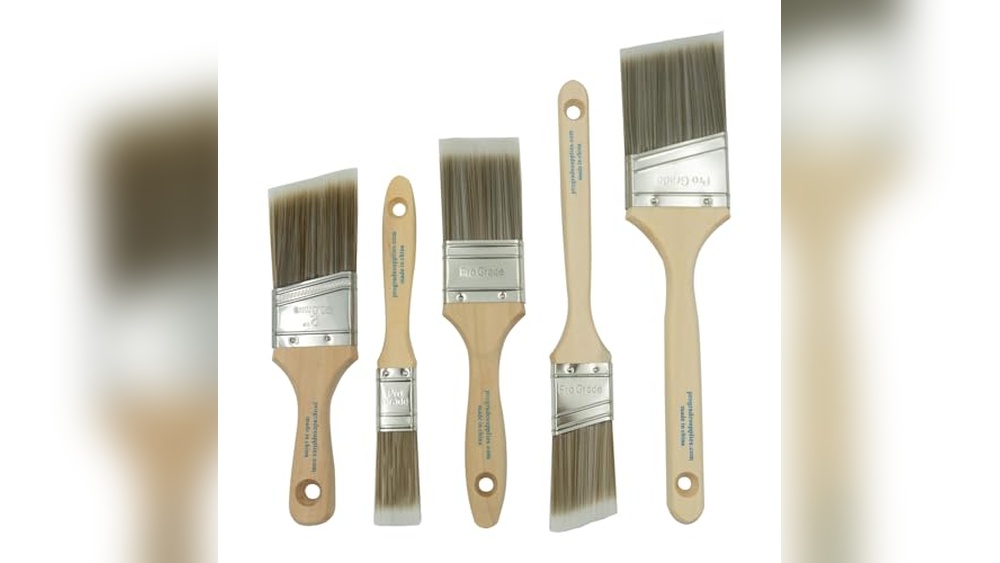
The Pro Grade Paint Brushes 5-Piece Set is ideal for both professional painters and DIY enthusiasts who require reliable and versatile tools for their home improvement projects. Whether you are working with latex or oil paints, or applying stains on interior or exterior surfaces, this set offers the perfect combination of flat and angle brushes to meet your painting needs.
Pros:
- Versatile brush types suitable for multiple painting techniques
- High-quality bristles that hold paint well and provide smooth application
- Durable construction for repeated use on various surfaces
- Lightweight design (0.2 pounds) ensures easy handling and reduces fatigue
- Compatible with both latex and oil-based paints, as well as stains
Cons:
- The set may not include specialty brushes for very detailed work
- Brush size options are limited to flat and angle types only
The Pro Grade 5-Piece Paint Brush Set features a combination of flat and angle brushes designed to deliver precision and flexibility. The flat brushes are perfect for covering large, flat surfaces quickly and evenly, while the angle brushes allow for clean edges and detailed trimming. This variety ensures that users can achieve professional-quality finishes without needing multiple additional tools.
Crafted by Pro Grade Supplies, these brushes have multicolor bristles designed to optimize paint retention and minimize dripping. Their compact dimensions (10 inches in width and 8 inches in length) and lightweight design provide excellent control and comfort during long painting sessions. This makes them especially suitable for both interior and exterior projects, saving users time and effort while enhancing the final appearance.
To buy this product, click here.
Best Paint Brushes for Detailed Work
Wooster Brush Q3211-2 Shortcut Angle Sash Paintbrush

Choosing Wall Brushes: The Three Things That Matter
Filament type has to match the paint
Natural bristle absorbs water and goes limp in emulsion, so it belongs with oil based and alkyd paints. Synthetic filaments, usually nylon and polyester blends, keep their stiffness in water based paint and are what you want for modern emulsion. A polyester heavy blend holds its shape; a nylon heavy blend is softer and lays off more smoothly. Many good wall brushes blend both.
Flagged and tipped ends
Look closely at the tips of the filaments. Flagged ends are split into fine fibres, which hold more paint and release it more evenly, leaving fewer brush marks. Tipped ends are tapered to a point. A brush with blunt, unflagged ends is cheap and it will show every stroke.
Shape and size for the job
A 100mm or 4 inch flat brush covers large areas, though most people find a 75mm easier to control for a full day. An angled sash brush of 50 to 63mm is what actually cuts the line between wall and ceiling, and it is the brush that decides whether the room looks professional. A small 25mm brush handles trim and awkward corners.
Cutting In and Laying Off
Cutting in is the skill that separates a tidy room from a taped, patched, disappointing one. Load the angled brush to about a third of the bristle depth and tap off the excess. Start the stroke a centimetre away from the line, then bring the brush gently into the edge as you draw it along; starting on the line pushes a bead of paint over it. Work in strokes of around 30 centimetres, always pulling towards the paint you have already laid.
Laying off is the final light pass that removes brush marks. Once an area is covered, unload the brush by drawing it over the edge of the tin, then pass it very lightly over the wet paint in one direction, top to bottom, with the brush almost flat. Do not press, and do not go back into paint that has begun to set. This single habit gives a brushed wall the flat, even look people assume needs a spray gun.
Making Wall Brushes Last
Wash a brush used with emulsion immediately in warm water with a little washing up liquid, working the suds into the base of the bristles until no colour comes out. Spin it dry or shake it hard, comb the filaments straight, and hang it bristles down. Dried emulsion in the heel of a wall brush makes it stiff and fat, and it never cuts a clean line again.
For a break of a few hours or overnight, wrap the loaded brush tightly in cling film or a plastic bag and press the air out. It will be ready to use with no washing and no drying time. For oil based paint, clean with white spirit first, then wash with soap and water, and never leave a brush standing in solvent.
Frequently Asked Questions
What brush should I use to paint walls?
A synthetic filament brush for emulsion, because natural bristle goes limp in water based paint. A 75 to 100mm flat for large areas, plus a 50 to 63mm angled sash brush for cutting in.
What does flagged mean on a paint brush?
The filament tips are split into fine fibres, which hold more paint and release it more evenly, leaving fewer brush marks. Blunt, unflagged tips are a sign of a cheap brush.
How do I cut in a straight line without tape?
Load the angled brush to a third of the bristle depth, start the stroke a centimetre away from the line, then bring the brush into the edge as you draw it along. Starting on the line pushes a bead of paint over it.
How do I get rid of brush marks on a wall?
Lay off. After covering an area, unload the brush and pass it very lightly over the wet paint in one direction, top to bottom, almost flat. Never do this once the paint has started to set.