If you love painting with oil colors, you know how important your brushes are to your work. But cleaning oil paint brushes can feel like a messy, frustrating chore.
What if you could keep your brushes soft, fresh, and ready for your next masterpiece without harsh chemicals? In this guide, you’ll discover simple, effective ways to clean your oil paint brushes so they last longer and perform better. Whether you’re a beginner or a seasoned artist, learning these easy steps will save you time and protect your tools.
Keep reading to master the art of brush cleaning and never let dried paint ruin your creativity again!

Credit: www.youtube.com
Materials Needed
Gathering the right materials makes cleaning oil paint brushes easier. Using proper items protects your brushes and keeps them soft. Below are key materials needed to clean oil paint brushes effectively.
Types Of Brushes
Choose brushes made for oil painting. These usually have stiff bristles made from hog hair or synthetic fibers. Flat, round, and filbert brushes each need gentle cleaning to keep their shape. Avoid using damaged or old brushes for best results.
Recommended Cleaning Agents
Use solvents like mineral spirits or turpentine to remove oil paint. These dissolve the paint quickly and clean deep inside bristles. After solvents, apply mild soap such as dish soap or special brush soap. Warm water helps rinse the soap and paint residue thoroughly.
Additional Tools
Have a container for soaking brushes in solvent. Use a brush comb or old toothbrush to remove paint stuck near the ferrule. Paper towels or clean cloths help wipe brushes during cleaning. Gloves protect your hands from harsh chemicals.

Credit: www.youtube.com
Initial Paint Removal
Removing the initial layer of oil paint from your brushes is crucial for proper cleaning. This step prevents paint from hardening and damaging bristles. Acting quickly helps keep your brushes in good shape. Here are simple methods to start the cleaning process effectively.
Wiping Excess Paint
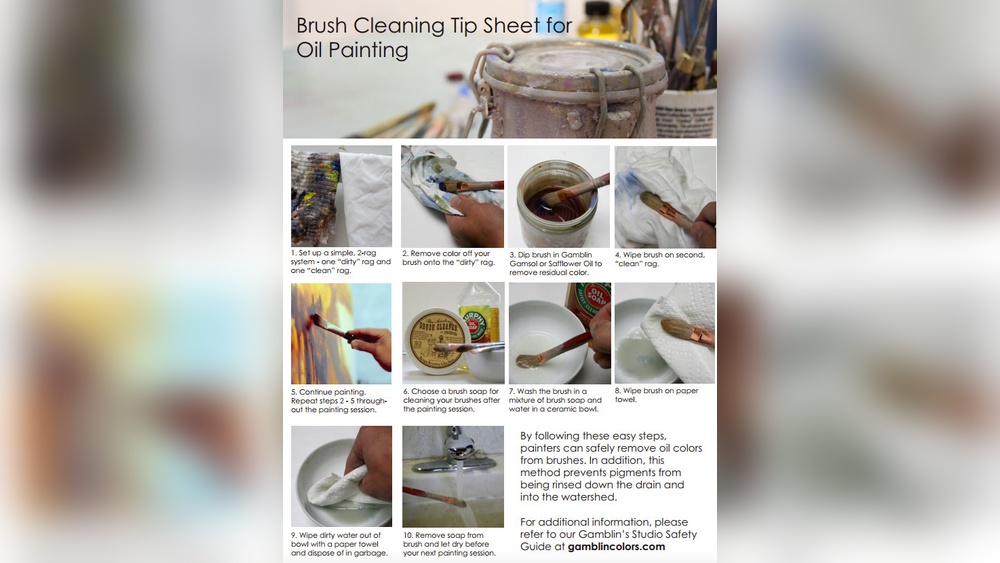
Use a clean cloth or paper towel to wipe off extra paint. Gently press the bristles to avoid bending them. Remove as much paint as possible before using any liquids. This saves time and protects the brush’s shape. Repeat wiping until the brush looks mostly clean.
Using Mineral Spirits Or Turpentine
Dip the brush into mineral spirits or turpentine to dissolve paint. Swirl gently to loosen paint stuck deep in the bristles. Avoid soaking for too long to preserve the brush’s glue and handle. After dipping, wipe the brush again on a cloth. Repeat until most paint is gone. Work in a well-ventilated area to avoid strong fumes.
Alternative Solvent-free Methods
Use vegetable oil or olive oil to soften paint without harsh chemicals. Apply oil to the brush and massage gently to break down paint. After oil treatment, wash the brush with warm soapy water. This method is safer for sensitive skin and the environment. It works well for light paint removal and regular care.
Soap Cleaning Process
The soap cleaning process is a simple and effective way to clean oil paint brushes. It removes paint residue and keeps bristles soft. This method works well after using solvents or as the main cleaning step. Soap breaks down the oils and dirt trapped in the brush fibers.
Follow these steps to clean your brushes properly and extend their life. Using soap correctly ensures your brushes stay in good shape for many painting sessions.
Choosing The Right Soap
Select a soap made for cleaning paintbrushes. Mild dish soap works well because it cuts through oils. Some artists prefer brush soaps that also condition bristles. Avoid harsh detergents that can dry out or damage brushes. A gentle soap helps keep bristles soft and flexible.
Applying Soap To Brushes
Start by wetting your brush with warm water. Apply a small amount of soap to the bristles. Gently work the soap into the brush using your fingers. Make circular motions to reach deep inside the bristles. This loosens the paint and oils trapped inside.
Rinsing Techniques
Rinse the brush under warm running water. Use your fingers to help wash out the soap and paint. Keep rinsing until the water runs clear. Avoid using hot water as it can damage the bristles. Warm water cleans well and protects your brush.
Repeating For Thorough Cleaning
Repeat the soap and rinse steps if the brush still feels sticky. Often two or three cycles are needed for full cleaning. Take your time to remove all paint residue. After cleaning, gently squeeze out excess water. Reshape the bristles and let the brush dry flat or hanging.
Drying And Maintenance
Proper drying and maintenance extend the life of your oil paint brushes. After cleaning, careful handling keeps bristles in good shape. This section covers shaping, drying, and storing brushes correctly. Follow these tips to keep your tools ready for the next painting session.
Shaping Bristles
Once rinsed, gently reshape the bristles with your fingers. Form the brush tip to its original shape. Avoid pulling or bending the bristles too hard. Proper shaping prevents splaying and damage. This step helps brushes dry evenly and maintain their precision.
Proper Drying Methods
Always dry brushes flat or with the bristles pointing down. This prevents water from seeping into the ferrule, which can loosen glue. Avoid drying brushes standing upright on their bristles. Air dry in a well-ventilated area away from direct sunlight. Do not use heat sources like hair dryers as they can damage bristles.
Storing Brushes
Store brushes in a dry place to avoid mold and mildew. Use a brush holder or container that keeps bristles separated. Keep brushes away from dust and dirt. Avoid storing brushes with wet bristles inside closed containers. Proper storage preserves brush shape and quality for longer use.
Tips For Brush Care
Proper care of your oil paint brushes extends their life and keeps them in great shape. Simple habits help maintain brush quality and performance. Small efforts after each use prevent damage and improve your painting experience.
Follow these tips to keep your brushes soft, clean, and ready for your next project.
Avoiding Harsh Chemicals
Harsh chemicals can ruin brush bristles and cause them to break. Use gentle solvents like odorless mineral spirits instead. Avoid strong thinners or cleaners with harsh ingredients. They dry out bristles and weaken glue holding them together. Choose products designed for brush cleaning to protect your tools.
Frequency Of Cleaning
Clean your brushes immediately after each painting session. Paint left to dry hardens and is difficult to remove. Frequent cleaning prevents buildup and keeps bristles flexible. Even if you plan to paint soon, a quick clean saves time later. Regular care avoids costly replacements.
Conditioning Brushes
Conditioning your brushes keeps bristles soft and smooth. Use brush soap or a mild conditioner after cleaning. Gently work it into the bristles, then rinse well. This nourishes natural hairs and prevents brittleness. Proper conditioning helps maintain the brush’s shape and performance.
Troubleshooting Common Issues
Cleaning oil paint brushes can sometimes present challenges. Brushes may hold stubborn paint, bristles can get damaged, or brushes may wear out quickly. Understanding how to handle these common problems helps keep your brushes in good shape. This section offers practical tips to solve frequent issues during brush cleaning.
Removing Stubborn Paint
Stubborn paint often hardens deep in the bristles. Start by wiping off excess paint with a cloth or paper towel. Next, soak the brush in mineral spirits or turpentine for a few minutes. Gently work the solvent into the bristles with your fingers or a brush comb.
Rinse the brush under warm water while continuing to loosen the paint. Repeat soaking and rinsing if needed. Avoid scrubbing too hard, as this can damage the bristles. For tough spots, use a mild brush cleaner designed for oil paint brushes.
Dealing With Damaged Bristles
Damaged bristles may bend, splay, or break. To fix bent bristles, soak the brush in warm water and reshape them with your fingers. Let the brush dry flat or hang it with bristles pointing down.
Broken bristles cannot be repaired, but trimming uneven ends can improve brush performance. Store brushes properly to prevent damage. Keep them in a dry place with bristles protected from pressure or dust.
Extending Brush Lifespan
Regular cleaning after every use prevents paint buildup and keeps bristles soft. Use a brush soap or gentle dish detergent to clean brushes thoroughly. Rinse well and reshape bristles before drying.
Do not soak brushes for too long, as it weakens the glue holding bristles. Avoid leaving brushes standing in water or solvent. Store brushes in a holder or wrap them in paper to maintain shape.

Credit: creativemindsdubai.com
Frequently Asked Questions
What Is The Best Thing To Clean Oil Paint Brushes With?
The best way to clean oil paint brushes is using mineral spirits or turpentine. Follow with warm water and Dawn dish soap to remove residue. Work soap into bristles, rinse until clear, reshape, and dry flat. This method effectively cleans and preserves brush quality.
Can I Clean Oil Paint Brushes With Dawn?
Yes, Dawn dish soap cleans oil paint brushes effectively by cutting through oils. Use warm water and work soap into bristles. Rinse until suds clear, then reshape brushes. For best care, consider brush soap to condition bristles and always clean brushes after each use.
Do You Use Turpentine To Clean Oil Paint Brushes?
Yes, turpentine effectively cleans oil paint brushes by dissolving oil paint. Use it carefully and rinse brushes well afterward.
How To Break In New Oil Paint Brushes?
To break in new oil paint brushes, gently wash with warm water and mild soap. Shape bristles, then let dry flat. Repeat until soft and flexible.
Conclusion
Cleaning oil paint brushes well keeps them soft and ready to use again. Use gentle soap and warm water to remove paint. Work carefully through the bristles to avoid damage. Rinse until water runs clear to ensure no paint remains.
Shape the brush tip before drying to keep its form. Regular cleaning saves money and helps paint last longer. Follow these simple steps to protect your brushes every time. Keep your tools clean, and enjoy painting more with less hassle.