If you’ve ever struggled to clean acrylic paint from your brushes, you know how frustrating it can be to see hardened bristles and ruined tools after just one project. But here’s the good news: with the right steps, you can keep your brushes soft, clean, and ready for your next masterpiece.
In this guide, you’ll discover simple, effective ways to clean acrylic paint brushes—whether the paint is still wet or already dried. Follow these tips, and you’ll save time, money, and the heartache of throwing away your favorite brushes. Ready to bring your brushes back to life?
Let’s dive in!
Materials Needed
Gathering the right materials makes cleaning acrylic paint brushes easier and more effective. Use supplies that remove paint quickly without damaging the bristles. Choose gentle cleaners and tools designed for brush care. Having optional conditioners can keep brushes soft and extend their life. Prepare your workspace with all materials within reach. This saves time and avoids paint drying on brushes.
Essential Supplies
- Warm water to rinse paint from brushes
- Mild soap or dish detergent, such as Dawn
- Paper towels or clean rags for wiping excess paint
- A container or bowl to hold water and soap
- A brush comb or old toothbrush to remove paint from bristles
Optional Conditioners
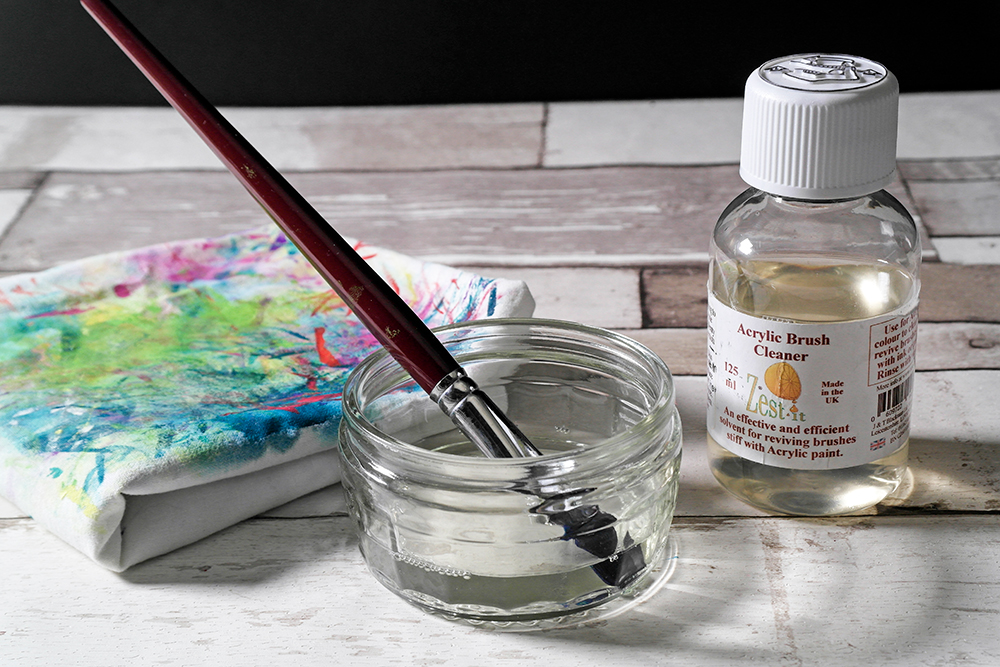
- Brush cleaner or conditioner to soften bristles
- Hair conditioner as a gentle alternative for natural bristles
- Brush rest or holder to dry brushes properly
- Protective gloves to keep hands clean
Credit: www.artsupplies.co.uk
Cleaning Wet Paint
Cleaning wet acrylic paint from your brushes is crucial for keeping them in good shape. Acrylic paint dries fast and can ruin bristles if left to dry. Acting quickly makes the cleaning easier and protects your brush’s life. Follow these simple steps to clean your brushes while the paint is still wet.
Remove Excess Paint
Start by wiping off extra paint from the bristles. Use a paper towel or rag to gently remove as much paint as you can. Avoid pressing too hard to protect the bristles. This step stops paint from drying deep inside the brush.
Rinse With Warm Water
Run the brush under warm water to wash away loose paint. Keep the bristles pointing down to avoid water entering the metal ferrule. Warm water helps soften the paint and loosens it from the bristles. Repeat rinsing until most paint is gone.
Use Dish Soap Effectively
Apply a small drop of mild dish soap to the bristles. Gently work the soap in using your fingers or thumb, starting near the ferrule and moving to the tips. Soap breaks down the paint’s hold on the bristles. Rinse thoroughly with warm water until no soap remains. Finally, reshape the bristles and let the brush dry flat or hanging to keep its form.
Removing Dried Paint
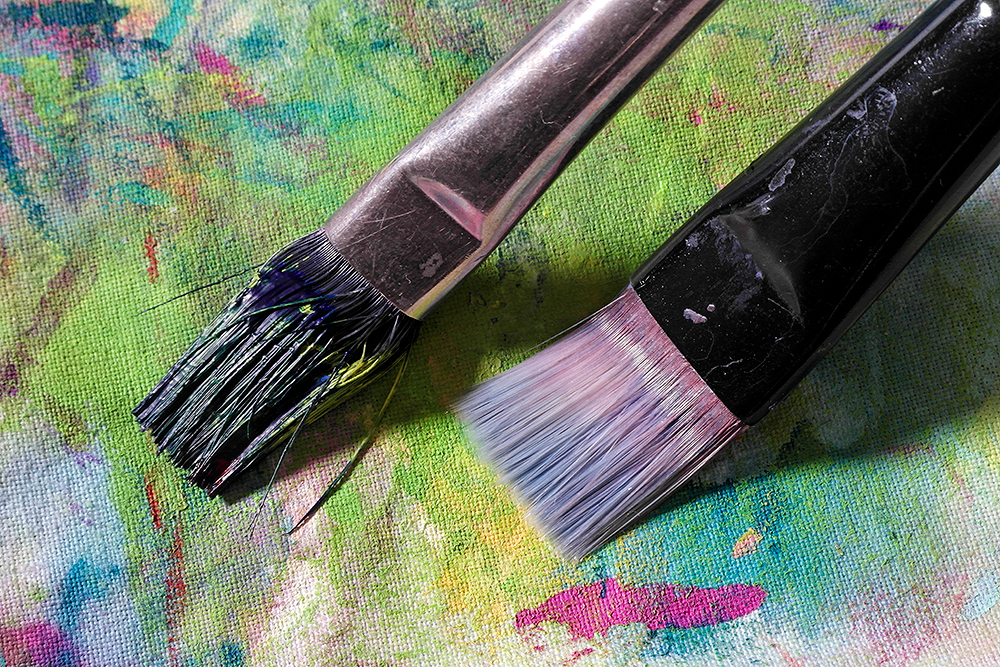
Removing dried acrylic paint from brushes can be challenging but is essential for brush care. Dried paint hardens and stiffens the bristles, reducing brush life and performance. Acting promptly and using proper methods restores brushes effectively. Below are practical ways to remove dried paint without harming your brushes.
Soaking Techniques
Soaking brushes softens dried acrylic paint, making it easier to remove. Use warm, soapy water and let brushes sit for 10 to 30 minutes. Avoid hot water as it may damage bristles or loosen glue. For tougher paint, soak in a mix of water and mild detergent. After soaking, gently work paint out with fingers or a brush comb. Repeat soaking if paint remains hard. Do not leave brushes soaking too long to protect the handle and ferrule.
Solvents And Their Uses
Solvents dissolve dried acrylic paint quickly but need careful use. Isopropyl alcohol or rubbing alcohol works well for most brushes. Apply a small amount to a cloth or container and swirl the brush gently. Acetone or nail polish remover is effective but harsh; use only on synthetic bristles and rinse thoroughly. Specialized brush cleaners are available and safe for acrylic paint removal. Always test solvents on a small brush area first to avoid damage.
Avoiding Brush Damage
Removing dried paint requires gentle handling to extend brush life. Never pull or scrape hard paint forcefully. Avoid using metal tools that can harm bristles or ferrule. After cleaning, reshape bristles and dry brushes flat or hanging with bristles down. Keep water or solvents away from the ferrule to prevent glue weakening. Regular cleaning after each use reduces dried paint buildup and preserves brush quality.
Credit: www.artsupplies.co.uk
Drying And Storing Brushes
Proper drying and storing of paint brushes extend their life and keep bristles in shape. After cleaning acrylic paint from brushes, it is crucial to handle them carefully during drying and storage. This step ensures the bristles do not get damaged or misshapen. Follow simple tips to maintain your brushes for many painting sessions.
Reshaping Bristles
After rinsing the paint, gently squeeze out excess water. Use your fingers to reshape the bristles to their original form. This prevents the bristles from drying crooked or bent. Take your time to smooth out any stray hairs. Properly shaped bristles dry better and stay soft for future use.
Proper Drying Positions
Lay brushes flat on a clean towel or hang them with bristles pointing down. Avoid standing brushes upright on their bristles; this causes bending and damage. Keeping the ferrule (metal part) away from water stops glue from weakening. Let brushes dry completely before storing to avoid mold or rust on the ferrule.
Storage Tips
Store brushes in a dry, clean container with bristles facing up or lying flat. Avoid cramming brushes in tight spaces to keep bristles from getting squished. Use brush holders or jars to keep them separated. Keep brushes away from dust and dirt to preserve their quality. Proper storage saves money and keeps brushes ready for painting.
Diy Brush Cleaners
DIY brush cleaners offer a simple and affordable way to clean acrylic paint brushes at home. These homemade solutions can save money and reduce waste. Many are made from common household items that are safe and effective. Using natural alternatives also helps protect your brushes and the environment. Below are easy recipes and options to try.
Homemade Solutions
A basic homemade brush cleaner uses dish soap and warm water. Dish soap breaks down acrylic paint and removes residue. Mix a few drops of liquid dish soap with warm water in a container. Swirl the brush in the mixture to loosen paint.
Another solution is a mix of vinegar and water. Combine equal parts white vinegar and warm water. Soak the brush for 10-15 minutes. Vinegar softens dried paint without harming bristles. Rinse well after soaking.
Baking soda paste can also help clean brushes. Mix baking soda with a little water to form a paste. Rub the paste gently on the brush bristles. This removes paint stuck deep inside. Rinse thoroughly with warm water.
Natural Alternatives
Olive oil is a gentle cleaner for brushes with dried acrylic paint. Apply a small amount of olive oil to the bristles. Work it in by massaging the brush. The oil loosens paint without damaging the bristles. Wash with soap and water afterward.
Lemon juice serves as a natural solvent. Its acidity breaks down paint particles. Dip the brush tip in lemon juice and let it sit for a few minutes. Then rinse with warm water. Lemon juice also leaves a fresh scent.
Another natural option is using baby shampoo. It cleans brushes softly and protects bristle texture. Mix baby shampoo with warm water and swirl the brush. This method works well for sensitive brushes.
Tips For Longevity
Maintaining your acrylic paint brushes extends their life and keeps them performing well. Simple habits protect bristles and the brush’s structure. Follow these tips for longevity to get the best from your brushes.
Cleaning Frequency
Clean brushes right after use. Acrylic paint dries fast and hardens quickly. Leaving paint on brushes damages bristles. Wash brushes thoroughly every time you finish painting. This prevents buildup and keeps bristles soft.
Protecting Brush Glue
Do not soak brushes in water for long. Water can loosen the glue holding bristles. Keep the metal ferrule dry to protect the glue. Store brushes with bristles facing up or flat. Avoid harsh chemicals that weaken glue and bristles.
Conditioning Brushes
Use a brush conditioner or mild soap to soften bristles. Conditioning stops bristles from becoming stiff and brittle. After cleaning, gently work conditioner into bristles. Rinse and reshape before drying. This keeps brushes flexible and ready for use.

Credit: artistro.com
Frequently Asked Questions
Can You Use Dawn Dish Soap To Clean Acrylic Paint Brushes?
Yes, Dawn dish soap effectively cleans acrylic paint brushes, especially while paint is wet. Rinse well with warm water, reshape bristles, and dry brushes properly to maintain quality. Avoid soaking the ferrule to protect the glue and extend brush life.
What Is The Best Cleaner For Acrylic Paint?
The best cleaner for acrylic paint is warm water with mild soap like Dawn dish soap. It removes wet paint effectively and protects brush bristles. For dried paint, use rubbing alcohol or acetone carefully, then rinse and condition brushes to maintain their quality.
Can You Use Rubbing Alcohol To Clean Acrylic Paint Brushes?
Rubbing alcohol effectively removes dried acrylic paint from brushes. Use it sparingly to avoid damaging bristles. For wet paint, soap and water work better. Always rinse and reshape brushes after cleaning to maintain their shape and longevity.
Is There A Diy Brush Cleaner For Acrylics?
Yes, a DIY acrylic brush cleaner uses warm water and mild soap like Dawn dish soap. Clean brushes immediately, rinse well, reshape bristles, and dry flat or hanging to protect them.
Conclusion
Cleaning acrylic paint brushes is simple with the right steps. Act quickly to avoid dried paint buildup. Use warm water and gentle soap like Dawn to protect bristles. Always reshape brushes after washing to keep their form. Let brushes dry flat or hang to prevent damage.
Regular care helps brushes last longer and perform well. Keep your tools clean for better painting results every time.