Blob painting is one of the most joyful and simple art activities for young children. If you are a parent, teacher, or caregiver searching for a creative way to engage toddlers, blob painting is an excellent choice. This colorful process art technique is not just fun—it helps toddlers develop fine motor skills, explore colors, and express themselves freely.
Parents sometimes worry about mess or whether their child will “do it right. ” With blob painting, there is no right or wrong. The magic is in the process, not the finished look. Even the youngest toddlers can make beautiful, abstract art pieces with just a few materials and a little guidance.
Let’s dive into what blob painting is, why it’s great for toddlers, how to set it up safely, and tips for making the experience smooth and memorable.
What Is Blob Painting?
Blob painting is a process art activity where children squeeze, drop, or dab paint onto a surface, then spread and mix the blobs using various tools or their hands. The goal is to create unique, colorful patterns without following strict steps or trying to paint a specific object.
Unlike coloring books or crafts with set outcomes, blob painting is open-ended. Each creation is different, and toddlers can experiment freely. The focus is on exploring color, texture, and movement, not on making something realistic.
Why Choose Blob Painting For Toddlers?
Many art activities are too structured or complex for young children. Blob painting is different because:
- Simplicity: No special skills or experience needed.
- Sensory benefits: Toddlers love the feel of paint, the squishiness, and the vibrant colors.
- Boosts creativity: There is no pressure to make something perfect.
- Fine motor practice: Squeezing bottles, dabbing, and spreading paint build hand strength and coordination.
- Emotional outlet: Art is a safe way for toddlers to express feelings.
Two Insights Parents Often Miss
- Color mixing is a natural lesson: When toddlers mix blobs, they learn how colors interact, often surprising themselves with new shades.
- Messy play helps brain growth: Allowing toddlers to get a little messy is linked to better problem-solving and language skills.
Essential Materials For Blob Painting
You don’t need expensive art supplies. Here’s what you’ll need for a successful blob painting session:
- Washable tempera or finger paints (non-toxic and safe for toddlers)
- Thick paper (like cardstock or watercolor paper)
- Plastic drop cloth or old newspapers (to protect surfaces)
- Smocks or old shirts (to protect clothing)
- Paint cups or squeeze bottles (for easy dispensing)
- Simple painting tools: Cotton swabs, brushes, sponges, or even cut fruit and leaves
- Wet wipes or a bowl of water (for quick clean-up)
Optional:
- Glitter, sand, or salt (for texture)
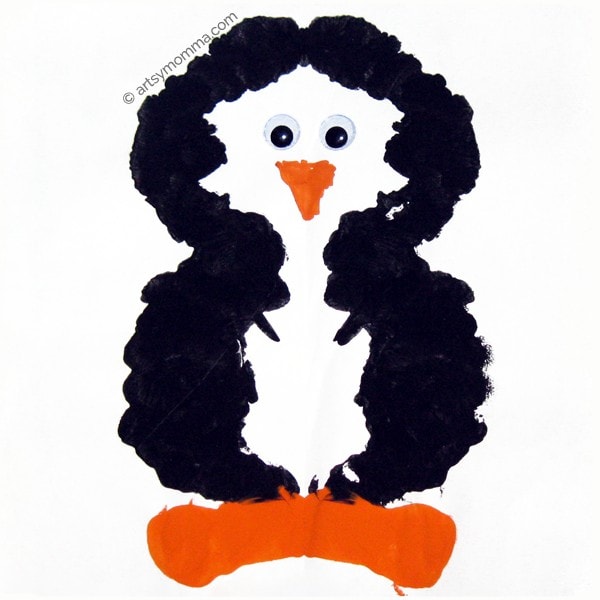
- Googly eyes or stickers (to decorate finished art)
Preparing For A Blob Painting Session
A little planning makes blob painting less stressful and more enjoyable.
Setting Up The Space
- Choose a spot with good ventilation and easy-to-clean floors. A kitchen table, tiled floor, or even an outdoor area works well.
- Spread a plastic tablecloth or newspapers to catch drips.
- Place all supplies within reach, and keep a trash bag or bin close by for used wipes or paper towels.
Choosing Paints And Tools
- Use washable paints labeled for children. Avoid acrylics or oil paints, which are harder to clean and may be unsafe if tasted.
- Offer a few colors at a time to avoid overwhelming your toddler. Three to five colors is enough for most sessions.
Safety First
- Supervise at all times. Toddlers may try to taste or rub paint in their eyes.
- Keep sharp or small objects away from the paint area.
- Wash hands thoroughly after painting.

Credit: www.youtube.com
Step-by-step Guide: How To Do Blob Painting
Follow these steps for a fun and safe blob painting activity:
- Prepare the workspace. Lay out protective coverings and gather all materials.
- Dress your toddler in a smock or old shirt.
- Squeeze or drip paint onto the paper. Show your toddler how to make blobs, then let them try.
- Encourage exploration. Let your child spread the blobs with their fingers, a brush, or other tools. There is no wrong way!
- Talk about the process. Ask questions like, “What happens when you mix the blue and yellow?” or “How does the paint feel?”
- Let the painting dry completely before hanging or displaying.
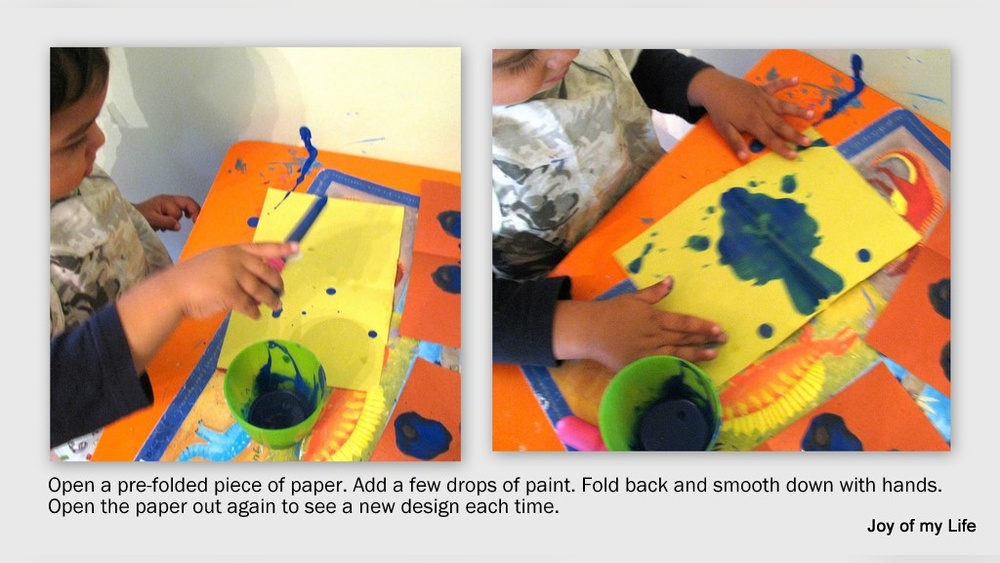
Example: Simple Blob Painting Activity
- Squeeze three blobs of different colors on one side of the paper.
- Fold the paper in half and press gently.
- Open the paper to reveal a symmetrical, colorful shape.
This “squish” technique fascinates most toddlers and makes beautiful results.
Creative Variations To Try
Blob painting can be adapted in many ways to keep your toddler interested.
Using Unusual Tools
Instead of brushes, try:
- Cotton balls for dabbing
- Sponges for blotting
- Toy cars (roll through blobs and make tracks)
- Leaves or flower petals for texture
Adding Texture
Sprinkle salt, sand, or glitter onto wet paint. Watch how the surface changes and sparkles.
Themed Blob Painting
For holidays, use colors that match the season—red and green for Christmas, orange and black for Halloween. Add stickers or cut shapes to make simple cards or decorations.
Collaborative Painting
Let two or more children blob paint on the same paper. This teaches sharing and teamwork.
Managing Mess And Clean-up
Many parents hesitate to do painting at home because of the mess. Here are practical tips to keep things under control:
- Keep wet wipes or a damp cloth nearby for quick hand cleaning.
- Use a washable mat under the painting area.
- Dress your child in clothes you don’t mind staining.
- Clean up spills right away to avoid stains on floors or furniture.
- Let paintings dry on a high surface, away from curious hands.
Comparing Paint Types For Toddlers
Choosing the right paint is important for safety and clean-up. Here’s a quick comparison:
| Paint Type | Safety | Clean-Up | Best For |
|---|---|---|---|
| Washable Tempera | Very safe, non-toxic | Easy with soap and water | General blob painting |
| Finger Paint | Edible options available | Very easy, designed for hands | Young toddlers |
| Acrylic | Not safe for toddlers | Hard to clean | Older kids/adults only |
How Blob Painting Supports Toddler Development
Blob painting is more than just play. It supports important areas of growth:
- Fine motor skills: Squeezing, dabbing, and spreading help build finger strength.
- Color recognition: Seeing and mixing colors improves understanding.
- Sensory integration: Feeling paint and textures helps toddlers connect touch with sight.
- Language development: Talking about what they are doing boosts vocabulary.
Data Insight
A study from the National Endowment for the Arts found that early exposure to art activities like painting is linked to stronger problem-solving skills and better emotional regulation in young children.
Practical Tips For Success
- Keep sessions short. Toddlers have short attention spans—10 to 20 minutes is enough.
- Let go of perfection. The process is more important than the product.
- Offer choices. Let your child pick colors or tools.
- Model excitement. Show genuine interest in their creations.
- Display their art. Hang paintings at their eye level to boost confidence.
Common Beginner Mistakes
- Using too much paint, making the paper soggy.
- Giving too many color choices, which can lead to brown, muddy results.
- Expecting neatness or a “perfect” picture.
- Not supervising closely—toddlers may eat or throw paint.

Credit: www.youtube.com
Comparing Surfaces For Blob Painting
Not all paper is equal. Here’s a look at popular options:
| Surface | Absorbency | Durability | Cost |
|---|---|---|---|
| Watercolor Paper | High | Excellent | High |
| Cardstock | Medium | Good | Medium |
| Printer Paper | Low | Low (tears easily) | Low |
| Paper Plates | Medium | Good (easy to display) | Low |
Encouraging Your Toddler’s Creativity
Toddlers often need a little encouragement to get started, but once they begin, they’ll usually want to keep going.
- Ask open-ended questions: “What do you see in your painting?”
- Celebrate their effort, not just the result.
- Avoid correcting or changing their work.
If your child seems hesitant, try painting alongside them. Show your own blobs and talk about the colors and shapes you see.
When To Try Blob Painting
Blob painting works well:
- On rainy days when outdoor play isn’t possible
- During playdates for group fun
- As a calming activity before nap time
- For family art projects or gifts
It’s also a great last-minute activity, since you don’t need many supplies.
Real-world Example: Blob Painting In Daycare
In one daycare center in New York, teachers noticed that children who participated in weekly blob painting sessions were calmer and more focused during story time. Teachers also saw an increase in vocabulary as children learned words like “squish,” “blend,” and “swirl.
”
Troubleshooting Common Problems
- Paper tears easily: Use thicker paper and less paint.
- Paint dries too slowly: Use smaller blobs and keep the area well ventilated.
- Child loses interest quickly: Offer new tools or add a playful challenge (like making blobs with eyes or turning blobs into animals).
Comparing Blob Painting To Other Toddler Art Activities
How does blob painting stack up? Here’s a quick look:
| Activity | Ease of Set-Up | Mess Level | Skill Required |
|---|---|---|---|
| Blob Painting | Very easy | Medium | None |
| Finger Painting | Easy | High | None |
| Coloring Books | Very easy | Low | Some (holding crayons) |
| Sticker Collage | Easy | Low | Fine motor required |
Credit: artsymomma.com
Where To Learn More
For more ideas and research on art activities for toddlers, check resources like the National Association for the Education of Young Children.
Frequently Asked Questions
What Age Is Best For Blob Painting?
Blob painting is best for children ages 18 months and up. Always supervise younger toddlers closely. Even older babies can participate if you use edible paints and watch for choking hazards.
How Do I Make Homemade Toddler-safe Paint?
You can mix cornstarch, water, and food coloring for a simple, edible paint. There are many easy recipes online for safe, homemade alternatives.
Can I Do Blob Painting Outdoors?
Yes! Blob painting is great outside. Just use washable paints, and set up on grass, a picnic table, or even on a large piece of cardboard.
How Do I Clean Paint Off Clothes?
Wash immediately with cold water and a bit of dish soap. For stubborn stains, soak clothes before washing. Most washable paints come out easily if you act fast.
What Should I Do With Finished Paintings?
Display them on the wall, fridge, or make a simple art book. You can also cut favorite parts to make cards for family and friends.
Letting toddlers explore blob painting is a gift to their creativity and growth. With a little preparation and a relaxed attitude, you can make art time one of the happiest parts of your day.