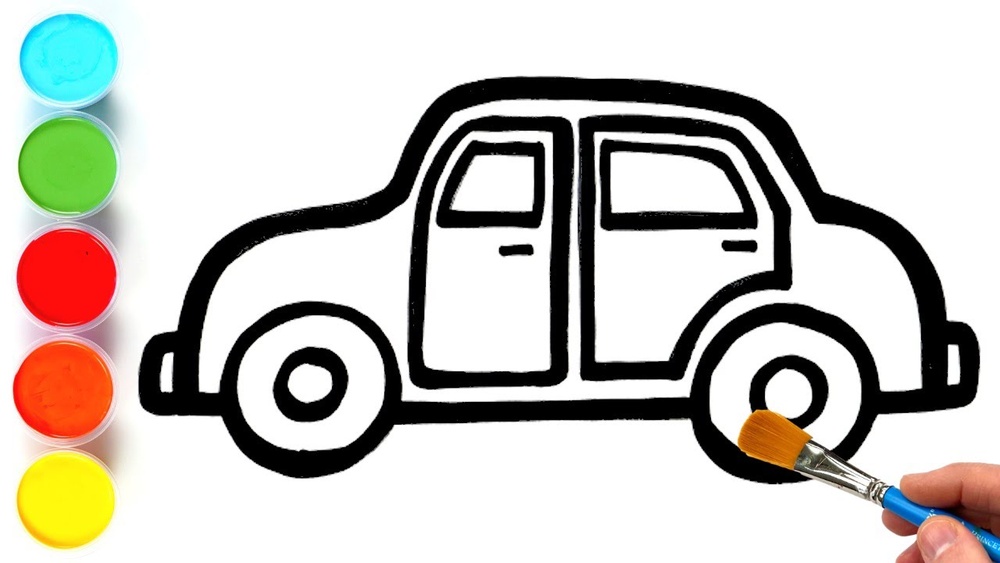
Car painting art is a wonderful creative activity for kids. It combines the excitement of cars with the magic of painting. This activity is not just about coloring cars—it helps children develop fine motor skills, creativity, and even teamwork. Many parents and teachers look for fun, safe, and engaging ways to introduce kids to art.
Car painting art checks all these boxes and more.
Kids love cars. Whether it’s toy cars, drawings, or racing games, cars always catch their interest. When you add painting to the mix, kids get to express themselves in a new way. Plus, the cleanup is usually much easier than many other art projects! With a few supplies and a little guidance, you can turn any afternoon into a memorable art session.
In this guide, you’ll learn everything you need to get started with car painting art for kids. From choosing the right materials and setting up your space, to step-by-step project ideas and safety tips, you’ll find practical advice that makes the experience fun for everyone.
Let’s dive in and see how you can inspire young artists through car painting!
Why Car Painting Art Is Great For Kids
Car painting is more than just a fun pastime. It offers several benefits that help children grow and learn.
- Boosts Creativity – Kids can use their imagination to create cars in any color or style they like. They can paint flames, stripes, or even cartoon faces.
- Improves Motor Skills – Handling brushes, toy cars, and paint bottles helps kids strengthen their hand muscles and coordination.
- Encourages Focus – Creating art helps children concentrate on one task, which is great for building patience.
- Teaches Color Mixing – Through painting, children learn how different colors blend to make new ones.
- Builds Confidence – Completing a painting project gives kids a sense of achievement.
Many parents notice that after car painting sessions, their children are calmer and more willing to try new things. Art also helps kids express feelings they might not be able to say with words.
Getting Started: What You Need
Before you begin, gather the right supplies. The good news is, car painting art doesn’t require expensive materials. You can use items you already have at home.
Basic Supplies
- Toy cars (matchbox or Hot Wheels work best)
- Washable paint (tempera or finger paint)
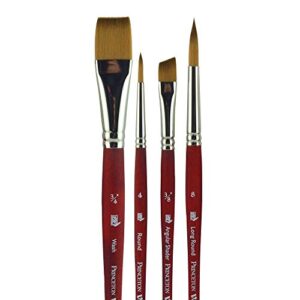
- Paint brushes (various sizes)
- Large sheets of paper or cardboard
- Aprons or old shirts to protect clothing
- Plastic trays for mixing paint
- Paper towels and wipes for quick cleanups
- Cups of water for rinsing brushes
If you want to paint on car shapes, you can buy blank wooden or ceramic cars from craft stores. Some parents use recycled materials, like small boxes, to create car shapes.
Choosing The Right Paint
For young kids, always use non-toxic, washable paint. This keeps the activity safe and makes cleaning up much easier. Tempera paint is a popular choice, as it washes off skin and clothes easily. Finger paints are also safe for toddlers.
Comparing Paint Types
Here’s a quick look at the main paint options:
| Paint Type | Best For | Washable? | Notes |
|---|---|---|---|
| Tempera | Paper, cardboard, wood | Yes | Dries fast; bright colors |
| Acrylic | Wood, canvas | No | Permanent; not for young kids |
| Finger Paint | Paper, hands-on play | Yes | Safe for toddlers; less detail |
Optional Extras
- Stickers or foam shapes for decorating
- Glitter glue (use sparingly)
- Markers for drawing details
- Masking tape to create race tracks
Having these extras can make the activity even more exciting for kids who love to add special touches to their creations.
Setting Up The Art Area
A successful art session starts with a well-prepared space. You don’t need a fancy studio—just a clear table or floor area.
- Cover the work surface with old newspapers or a plastic tablecloth.
- Put out all supplies within easy reach, but keep paint bottles closed until you’re ready to use them.
- Have a wash-up station ready (bucket of water and wipes).
- Set rules: Remind kids to keep paint on the paper or cars, not the walls or themselves.
Working outdoors is a great idea if the weather is nice. It gives more space and makes cleanup even easier.
Step-by-step Car Painting Ideas
There are many ways to approach car painting art. Here are some popular and easy ideas:
1. Car Wheel Painting
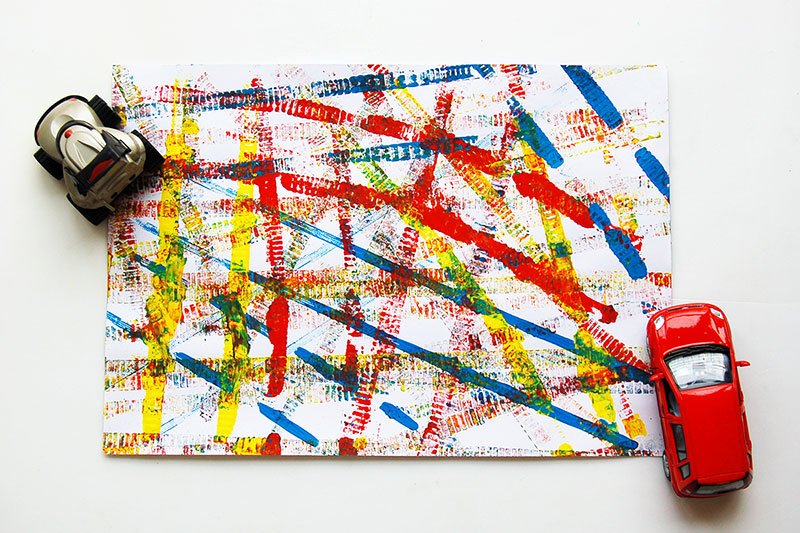
Kids love rolling toy cars through paint and then onto paper. This makes colorful tire tracks.
How to do it:
- Pour small amounts of paint into trays.
- Dip the wheels of a toy car in paint.
- Roll the car across the paper to make patterns.
Try using different cars to see how the tread marks change. You can combine several colors for a rainbow effect.
2. Painting Car Bodies
Let kids paint blank wooden, plastic, or even recycled cars. They can create their own designs.
How to do it:
- Use brushes or even cotton swabs for small details.
- Let each layer dry before adding new colors or stickers.
- Add windows, headlights, or racing stripes with markers once dry.
If you want to keep the cars as toys, use paint that will not chip off easily, like acrylic (for older kids only).
3. Car Stencils
Stencils help kids who are unsure about drawing cars freehand.
How to do it:
- Place a car-shaped stencil on paper.
- Kids paint inside the stencil, then lift to reveal the car shape.
- Decorate further with markers or paint pens.
You can cut your own stencils from cardboard or buy reusable plastic ones.
4. Car Collage Painting
Combine painting and collage for a textured art project.
How to do it:
- Kids paint a background (road, sky, city).
- Glue on car shapes made from colored paper or foam.
- Add details with paint, markers, or stickers.
This project encourages storytelling. Kids can imagine where their cars are going or what adventure they’re on.
5. Group Mural
Work together to make a big car-themed mural.
How to do it:
- Tape several sheets of paper together.
- Each child paints cars, roads, or scenery.
- Display the mural on a wall or fence.
Murals are great for parties or classrooms. They teach kids to share space and ideas.
Comparing Car Painting Projects
Choosing the right project depends on your child’s age, patience, and interests. Here’s a side-by-side look:
| Project | Best Age | Mess Level | Creativity |
|---|---|---|---|
| Wheel Painting | 3-7 years | High | Medium |
| Painting Car Bodies | 5-12 years | Medium | High |
| Stencils | 3-8 years | Low | Low-Medium |
| Collage | 6-12 years | Medium | High |
| Group Mural | All ages | High | Very High |
Safety Tips And Cleanup
Safety is always important, especially with younger children.
- Use non-toxic, washable paint.
- Supervise kids at all times.
- Remind children not to put paint or brushes in their mouths.
- Have wipes or a damp cloth ready for spills.
For cleanup, soak used brushes in warm water right away. If paint gets on clothes, rinse with cold water and a little soap before it dries. Most washable paints come out easily.
Credit: www.firstpalette.com
Inspiring Kids: Creative Themes And Challenges
Sometimes, kids need a little inspiration to get started. Here are a few themes and challenges to spark their imagination:
- Race Day: Paint cars and make a track. Have a friendly race to see whose car looks fastest.
- City Streets: Create a city map with roads, traffic lights, and cars.
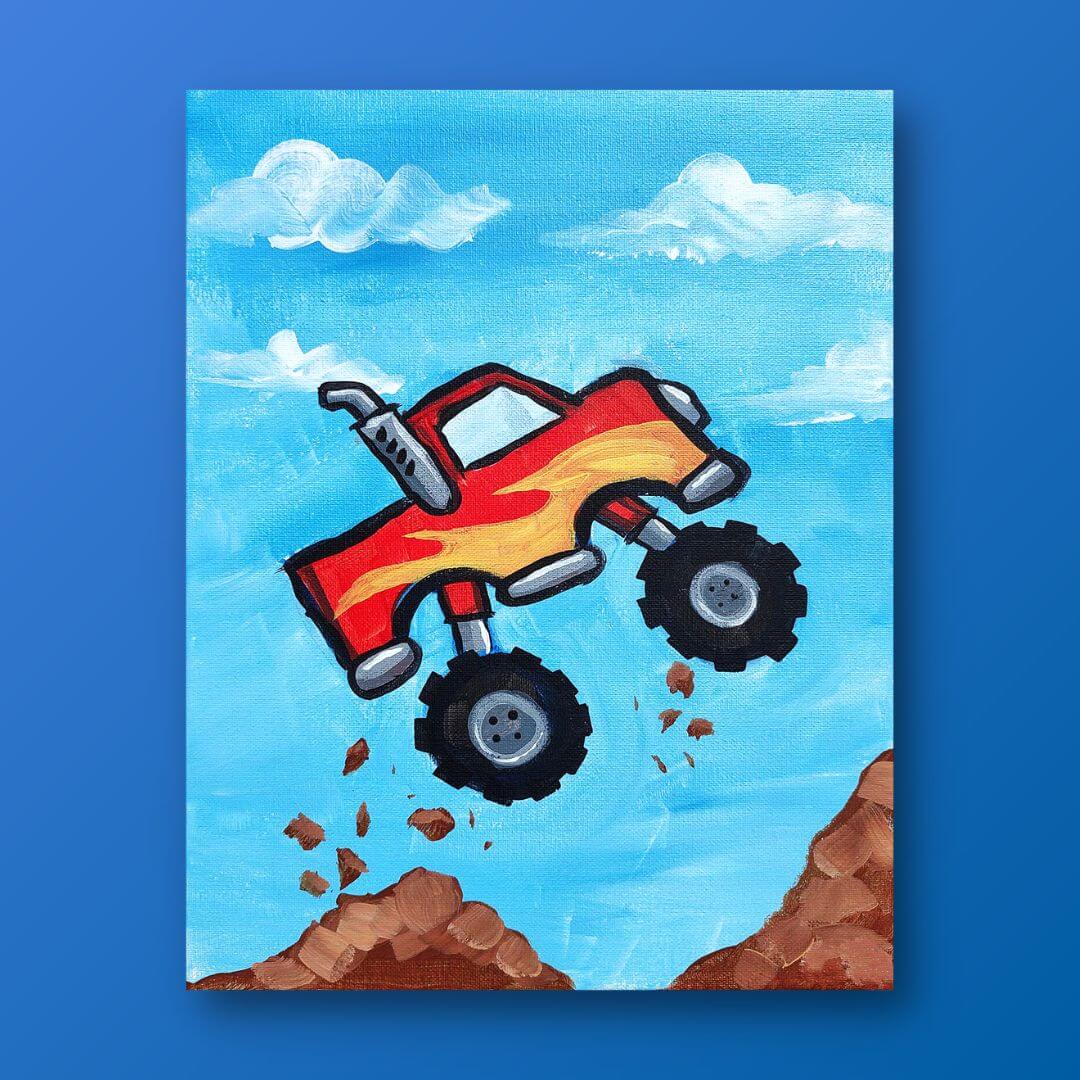
- Monster Cars: Add funny faces, horns, or flames to cars.
- Seasons on Wheels: Decorate cars for different times of year—snowflakes for winter, flowers for spring.
You can even tie car painting to learning. For example, talk about shapes by asking kids to find circles (wheels) or rectangles (car bodies) as they paint.
Common Mistakes And How To Avoid Them
Many beginners make a few simple mistakes in car painting art. Here are the most common ones—and how to fix them:
- Using permanent paint on favorite toys – Stick to washable paint unless you want a permanent design.
- Not protecting the work area – Always cover tables or floors before starting.
- Forgetting to let paint dry – Rushing can lead to smears. Give each layer time to set.
- Mixing too many colors – This can lead to muddy results. Help kids choose 2-3 colors at a time.
- Skipping supervision – Young kids may try to taste or throw paint. Stay close and give gentle reminders.
Credit: www.paintingtogogh.com
Practical Tips For Parents And Teachers
- Let kids lead the project—offer ideas but don’t control every step.
- Display finished art on walls or the fridge to boost pride.
- Take photos of group murals or 3D car projects.
- Rotate art supplies to keep things fresh. Sometimes a new color or tool can spark new interest.
If you work with a group, set up painting stations to avoid crowding and spills.
Learning Through Car Painting Art
Car painting is not just fun—it’s educational. Kids learn about:
- Colors and shapes
- Teamwork (in group projects)
- Patience and planning
- Following instructions
- Problem-solving (fixing mistakes or trying new ideas)
Teachers often use car painting art to support lessons in math (counting wheels), science (friction, color mixing), and social studies (learning about transportation).
Car Painting Art Around The World
Did you know that car painting is popular in many countries? In the United States, art teachers often use toy cars for preschool projects. In Japan, car-themed art is common during transportation festivals. In Germany, schools sometimes organize car painting contests during the summer.
This shows that car painting is a universal activity. It brings kids together and gives them a way to celebrate both creativity and culture.
Useful Resources
If you want more inspiration, check out resources like the National Association for the Education of Young Children for tips on safe and creative art projects for kids.
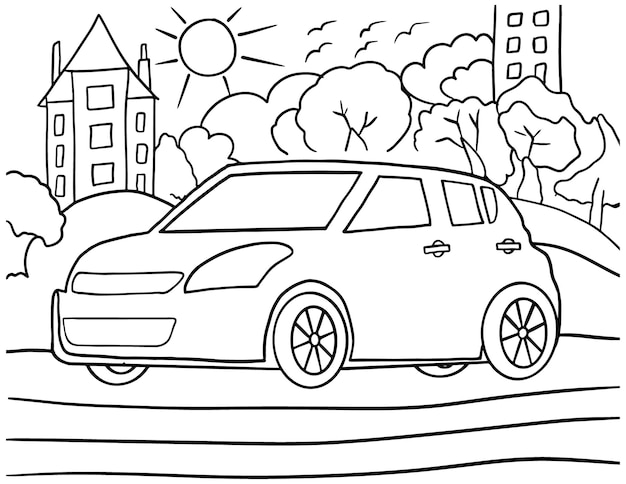
Credit: www.freepik.com
Frequently Asked Questions
How Old Should My Child Be To Try Car Painting Art?
Most kids can start around age 3, with simple projects like wheel painting or using stencils. Older children can handle more detailed work, like painting car bodies or making collages.
What If My Child Doesn’t Like To Get Messy?
Try using markers or stickers instead of paint. You can also wear gloves, or use tools like sponges and rollers that keep hands clean.
Can I Use Regular Acrylic Paint?
Acrylic paint is not recommended for young kids because it’s hard to wash off. Stick to washable tempera or finger paints for easy cleanup.
How Do I Store Finished Car Art?
Let painted items dry completely. Store flat art in a folder, or display 3D cars on a shelf. Take photos of larger projects or murals.
Is Car Painting Art Safe For All Children?
Yes, as long as you use non-toxic, washable paint and supervise the activity. Always check labels and keep small items away from toddlers who might put them in their mouths.
Car painting art brings together fun, learning, and creativity. With the right setup and a little imagination, you can turn any day into a colorful adventure for kids. Whether you’re a parent, teacher, or caregiver, this activity is sure to spark joy and new ideas in every child.