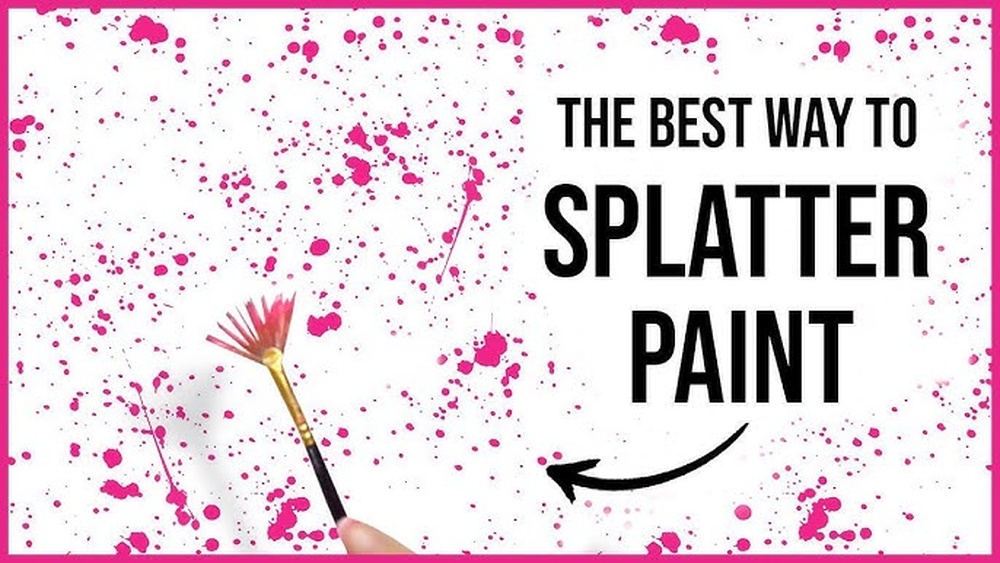
Are you ready to add a burst of energy and creativity to your acrylic paintings? Splatter painting is a fun and exciting technique that can transform your artwork with vibrant, random patterns that bring life to any canvas.
Whether you want to create dynamic backgrounds or bold abstract effects, learning how to do splatter painting with acrylics will open up a whole new world of artistic possibilities. In this guide, you’ll discover simple, step-by-step tips to master the splatter technique easily and cleanly.
Get ready to unleash your inner artist and make your paintings stand out like never before!

Credit: novacolorpaint.com
Materials Needed
Before you start splatter painting with acrylics, gather the right materials. Using proper supplies helps you create the best effects. It also keeps your workspace clean and safe.
Choosing Acrylic Paints
Pick acrylic paints that have bright and strong colors. Thinner paints work better for splattering. You can mix paint with water to make it more liquid. Avoid thick paints because they won’t splatter well.
Selecting Brushes And Tools
Use old brushes or cheap ones for splattering. Different sizes create different splatter effects. Stiff bristle brushes flick paint better. You can also try toothbrushes, sponges, or sticks. These tools add variety to your artwork.
Preparing Your Workspace
Cover your workspace with newspapers or plastic sheets. Splatter painting is messy, so protect surfaces and floors. Wear old clothes or an apron to avoid stains. Keep a cup of water and paper towels nearby for cleaning.

Credit: www.wikihow.com
Preparing Paint For Splattering
Preparing paint for splattering is a key step in creating dynamic acrylic art. Proper preparation ensures the paint splatters easily and forms interesting patterns. It also helps control the size and shape of splatters on your canvas.
This process starts with mixing paint to the right consistency. Choosing colors that work well together adds depth and vibrancy to your artwork. These steps set the foundation for successful splatter painting.
Mixing Paint With Water Or Medium
Begin by adding water or an acrylic medium to your paint. Use a small amount at first to avoid thinning the paint too much. Water thins the paint and helps it flow better from your brush.
Pour a few drops of water or medium into your paint on a palette. Stir gently with a brush or stick. The paint should be runny but still hold some color intensity. This balance is important for effective splattering.
Adjusting Paint Consistency
Test the paint by flicking it onto a scrap paper. If the paint is too thick, it won’t splatter well. Add more water or medium in small amounts to loosen it.
If the paint becomes too watery, it will drip instead of splatter. Aim for a smooth, liquid texture that can jump off your brush. Adjust slowly until you find the perfect consistency for your style.
Selecting Color Combinations
Choose colors that contrast or complement each other for striking effects. Bright colors stand out on dark backgrounds and vice versa. Consider the mood you want to create with your splatters.
Try mixing a few colors before splattering to see how they blend. Using a limited color palette often gives a cleaner, more focused look. Experiment with combinations to find what fits your vision best.
Basic Splatter Techniques
Basic splatter techniques help you create exciting textures and patterns in your acrylic paintings. These methods are simple and fun to try. They give your artwork a lively and spontaneous feel. Understanding these basics lets you experiment and develop your style.
Practice these techniques to gain control over the paint and the effects you want. Use different tools and motions to see what happens. The right technique depends on your project and the look you want.
Using A Brush For Flicking
Dip a stiff-bristled brush in watered-down acrylic paint. Hold the brush over your canvas or paper. Flick the bristles with your finger or wrist. This action sends small droplets flying. Change the flick speed and force to vary the splatter.
Tapping Brushes Together
Load one brush with paint and hold it above the surface. Take a second dry brush and tap it gently against the loaded brush handle. This tapping causes paint to fly off in drops. It creates random, scattered splatter patterns. Adjust the tapping strength for bigger or smaller splatters.
Controlling Splatter Size And Direction
Thin paint with water to make smaller splatters. Thicker paint creates larger drops. Use a brush with soft bristles for fine mist-like splatter. Hard bristles produce bolder, chunkier spots. Change the angle and distance of your brush to guide where paint lands. Move your wrist to direct the splatter flow.

Credit: www.youtube.com
Advanced Splatter Methods
Advanced splatter methods take your acrylic painting to the next level. These techniques add complexity and interest to your artwork. Experimenting with tools, colors, and patterns creates unique effects. This section explores ways to enhance your splatter painting skills.
Using Different Tools For Effects
Try various tools beyond brushes for splattering. Toothbrushes create fine, delicate dots. Sponges offer a textured, uneven splatter. Flick paint from sticks or palette knives for bold, irregular spots. Each tool changes the size and shape of paint drops. Mixing tools keeps your art fresh and exciting.
Layering Colors For Depth
Apply multiple layers of splatter in different colors. Let each layer dry before adding the next. Light colors underneath make darker splatters pop. Use contrasting colors to create visual interest. Layering builds depth and a sense of movement. This method makes your painting more dynamic and rich.
Creating Themed Splatter Patterns
Design splatters to form specific shapes or themes. Control the direction and density of paint drops. For example, cluster splatters for floral or star-like patterns. Use stencils or tape to guide the splatter shape. Themed splatters tell a story or highlight parts of your painting. This technique adds meaning and style to your work.
Tips To Avoid Mess
Splatter painting with acrylics is fun but messy. Taking steps to avoid mess keeps your space clean. It helps you focus on creating vibrant art without stress. Below are tips to keep mess under control while splattering paint.
Protecting Surrounding Areas
Cover your work surface with plastic sheets or old newspapers. Tape edges to stop paint from slipping underneath. Use drop cloths or old clothes to protect floors and furniture. Wear an apron or old shirt to keep paint off your clothes. Shield walls and nearby objects with cardboard or cloth.
Controlling Paint Amount
Use a small amount of paint on your brush for better control. Thin the acrylic paint with water to make splatters smaller. Dip your brush lightly and tap gently to avoid large blobs. Practice on scrap paper first to check splatter size. Avoid overloading the brush to reduce spills and drips.
Cleaning Up Efficiently
Keep wet wipes or paper towels nearby for quick cleanups. Clean brushes immediately after use to stop paint from drying. Use water and mild soap for washing brushes and tools. Dispose of used paper towels carefully to avoid spreading paint. Wash your hands before touching other items or surfaces.
Incorporating Splatter Into Artwork
Incorporating splatter into artwork adds energy and texture. This technique brings spontaneity and life to your paintings. Splatter painting with acrylics offers many creative possibilities. It can be subtle or bold, depending on your style. Explore different ways to use splatter for unique effects.
Using Splatter As A Background
Splatter can create dynamic backgrounds. Light splatters add texture without overpowering the main subject. Use diluted acrylic paint to make soft, scattered dots. Layer multiple colors for depth and interest. Let each layer dry before adding the next. This technique works well for abstract and landscape art.
Combining With Other Techniques
Mix splatter with brush strokes, stencils, or washes. The contrast between controlled shapes and random splatters creates balance. Apply splatters over dry layers to add excitement. Or splatter first, then paint details on top. Experiment with tools like toothbrushes or sponges for varied patterns.
Highlighting Focal Points
Use splatter to draw attention to key areas. Concentrate paint splashes near the focal point to frame it. Choose colors that contrast with the main subject. This makes the area pop visually. Keep splatter lighter or sparse in other parts to avoid distraction. This technique guides the viewer’s eye effectively.
Troubleshooting Common Issues
Troubleshooting common issues can improve your splatter painting experience. Small problems often spoil the effect. Fixing these helps you enjoy the process and get better results. Below are solutions for three frequent problems encountered during splatter painting with acrylics.
Paint Not Splattering Well
Thick paint rarely splatters properly. Thin your acrylic paint with water or acrylic medium. Use a brush with loose bristles for better flicks. Tap the brush gently to create fine splatters. Avoid overloading the brush with paint to prevent clumps. Practice flicking on scrap paper to find the right force.
Unwanted Large Blobs
Large blobs happen when paint is too thick or the brush is overloaded. Remove extra paint by dabbing the brush on a paper towel. Use a stiffer brush for controlled splatters. Flick the brush lightly, aiming for small droplets. Hold the brush higher above the surface to spread paint better. Controlling paint amount reduces large blobs effectively.
Paint Drips And Runs
Drips occur when paint is too watery or applied too heavily. Use slightly thicker paint for better control. Apply splatters from a lower height to reduce splashing. Allow paint to dry between layers to prevent runs. Tilt your surface less to avoid paint running off. Controlling paint consistency and application prevents unwanted drips.
Frequently Asked Questions
How Do I Get My Acrylic Art Paint To Splatter Easily?
Thin acrylic paint with water or pouring medium for better flow. Load a brush, hold it above the surface, and tap gently to flick paint. Adjust paint thickness and tapping force to control splatter size and density.
What Is The Splatter Technique?
The splatter technique involves flicking paint from a brush onto a surface to create random, textured dots. It adds dynamic, artistic effects.
What Kind Of Paint Do You Use For Splatter Painting?
Use fluid acrylic paints mixed with water or pouring medium for easy splatter effects. This creates vibrant, controllable splatters on any surface.
How To Make Acrylic Paint Look Like Blood Splatter?
Load a brush with red acrylic paint thinned slightly with water. Hold it over your surface and tap the handle with another brush to create blood-like splatters. Vary tapping strength and brush angle for different splatter effects.
Conclusion
Splatter painting with acrylics is fun and easy to try. Use simple tools like brushes and watered-down paint. Experiment with different flicks and distances for varied effects. Remember to protect your workspace to avoid messes. Practice helps improve control and creativity.
Enjoy the process and let your imagination flow freely. This technique adds unique texture and energy to your art. Keep exploring colors and patterns to find your style. Splatter painting can brighten any acrylic project with vibrant, lively spots. Start today and watch your art come alive!