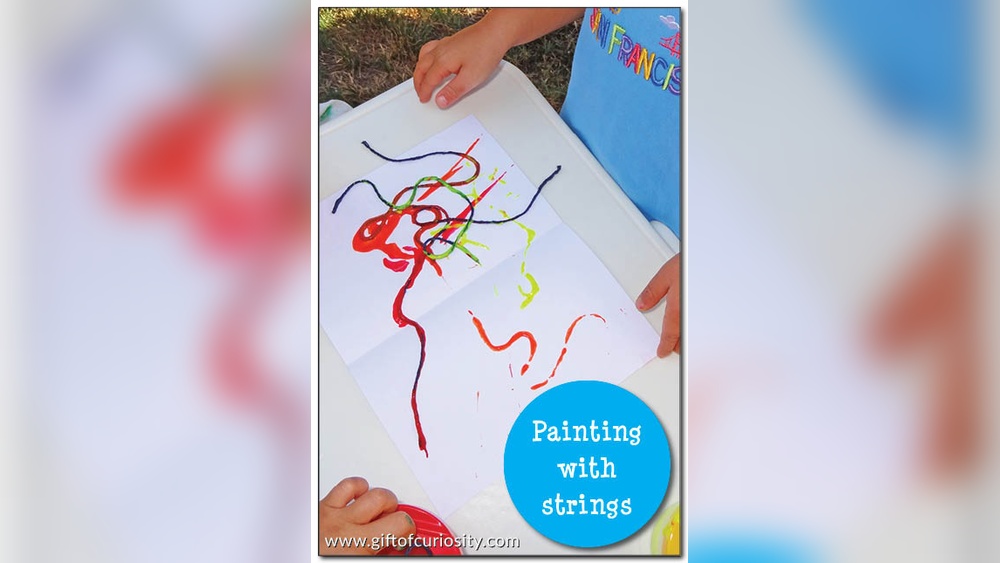
String painting is a simple, creative art activity perfect for children of all ages. It uses common materials—string, paint, and paper—to create colorful, unique patterns. This activity is fun, easy to set up, and supports children’s development in many ways.
Kids can practice fine motor skills, explore symmetry, and let their imaginations run wild. Parents and teachers will find that string painting is a low-mess, high-impact art project with endless possibilities. Whether you want to fill a rainy afternoon or teach basic art concepts, string painting offers a fresh, hands-on experience that sparks joy and curiosity.
What Is String Painting?
String painting is an art technique where children dip pieces of string or yarn into paint, then press or drag the string onto paper. This process creates interesting lines, shapes, and patterns. Sometimes, the paper is folded in half to create symmetrical designs, a bit like making a paint “butterfly.
” Other times, kids can drag the paint-covered string around in different ways to see what happens.
Unlike traditional painting with brushes, string painting encourages kids to experiment. There is no right or wrong way to do it. Each result is one-of-a-kind, which helps children feel proud of their creations. This technique is also great for group activities, as it does not require much artistic skill.
Benefits Of String Painting For Kids
String painting is not just fun. It has real benefits for child development:
- Fine motor skills: Handling the string, dipping it in paint, and moving it carefully across the paper helps kids develop better hand control.
- Hand-eye coordination: Watching how the string moves and changes the paint pattern strengthens the connection between what children see and what they do.
- Creativity: There are endless ways to arrange and drag the string, so kids can express themselves freely.
- Understanding symmetry: When folding the paper, children learn about mirror images and balance.
- Sensory exploration: The feel of the string, the texture of the paint, and the visual surprise of the design all stimulate children’s senses.
A recent survey of early childhood educators showed that 87% recommend open-ended art activities like string painting for young learners, saying it boosts confidence and problem-solving skills.
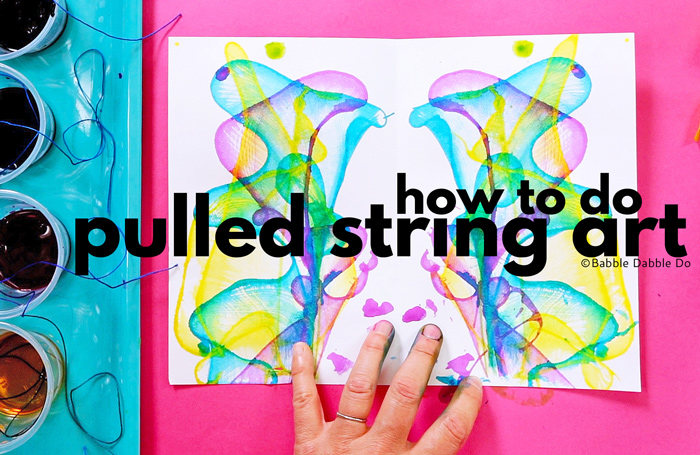
Credit: babbledabbledo.com
Materials You Need
Getting started with string painting is easy. Most supplies are found in your home or classroom. Here is what you need:
- String or yarn: Cotton string works best because it absorbs paint well. Yarn, twine, or even shoelaces can work.
- Paint: Tempera or washable acrylic paints are safe and bright. Watercolors can also be used for lighter effects.
- Paper: Thick paper is best. Cardstock, watercolor paper, or construction paper hold up to wet paint. Regular printer paper may wrinkle.
- Small containers: For holding and mixing paint.
- Plastic spoons or sticks: To help dip and move the string.
- Aprons or old shirts: To protect clothing.
- Newspapers or plastic tablecloth: To cover the work area.
Optional extras:
- Glitter or sequins for a sparkling finish
- Markers or crayons to add details after painting
Step-by-step Guide: How To Do String Painting
String painting is easy for both beginners and experienced crafters. Here’s how you can do it, step by step:
1. Set Up Your Workspace
Cover your table with newspaper or a plastic cloth. Make sure kids wear old clothes or aprons. Place all materials within easy reach.
2. Prepare The Paint
Pour a small amount of paint into each container. If the paint is thick, add a little water to make it easier for the string to absorb. Use separate containers for each color.
3. Cut The String
Cut pieces of string about 10–15 inches long. Shorter strings are easier for small hands, while longer pieces create bigger designs. You can prepare several strings for each color.
4. Dip The String In Paint
Drop a string into the paint. Use a spoon or fingers to make sure it is fully coated, but not dripping. Hold one end to keep your fingers clean.
5. Place The String On The Paper
Lay the paint-covered string on one half of your paper. You can arrange it in loops, zigzags, or random squiggles. Leave one end hanging off the edge for easy removal.
6. Fold The Paper
Carefully fold the paper in half, pressing down gently. This step is important for creating symmetrical designs.
7. Pull The String
Hold the loose end and slowly pull the string out from between the paper layers. As the string moves, it drags paint in unique patterns.
8. Open And Reveal
Unfold the paper to see your design. Each painting will be different! Let the artwork dry flat.
9. Add Finishing Touches
Once dry, kids can add extra details with markers or glue on decorations.
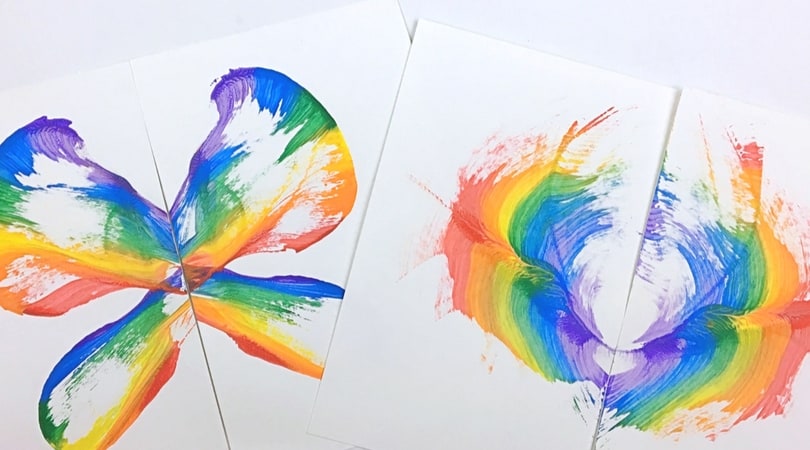
Credit: twitchetts.com
Creative Variations To Try
String painting is very flexible. Once you know the basic method, try these fun twists:
- Multiple colors: Dip different parts of the string into different colors before placing it on the paper.
- Layered effects: Repeat the process several times on the same paper, using fresh strings and new colors.
- Drag technique: Instead of folding, drag the paint-covered string across the paper in sweeping motions.
- Shapes and outlines: Draw a simple shape (like a heart or star) first, then use string painting to fill it in.
- Nature-inspired art: Use green and brown paint to create tree branches or flowers with string.
Some teachers also use string painting for science lessons. For example, kids can explore how different paints or paper types affect the results. This encourages observation and experiment.
Comparing String Painting To Other Kids’ Art Activities
Many parents wonder how string painting compares to other common art projects. Here is a quick look:
| Activity | Main Tools | Mess Level | Age Suitability | Skills Developed |
|---|---|---|---|---|
| String Painting | String, paint, paper | Low–Medium | 3+ | Fine motor, creativity, symmetry |
| Finger Painting | Fingers, paint, paper | High | 1+ | Sensory, hand-eye coordination |
| Sponge Painting | Sponges, paint, paper | Medium | 3+ | Texture exploration |
| Brush Painting | Brushes, paint, paper | Low | 2+ | Control, technique |
String painting offers a unique mix of creativity and learning with less mess than some other art activities.

Credit: stayathomeeducator.com
Practical Tips For Success
To make string painting even more enjoyable and successful, keep these tips in mind:
- Use washable paint to avoid stains on clothes or furniture.
- Cut strings in advance so kids can switch quickly between colors.
- If paint is too runny, colors may mix and become muddy. Test on scrap paper first.
- Let children experiment. There is no “wrong” way to do string painting.
- Encourage kids to talk about their designs. This builds language and thinking skills.
- For group activities, give each child their own set of materials to reduce waiting time.
One non-obvious insight: The type of string really matters. Smooth, thin strings make sharper lines, while thick yarn creates bold, fuzzy patterns. Let kids try both and compare the results.
Another tip most beginners miss: The amount of pressure when folding and pulling the string changes the look of the art. Light pressure makes softer shapes, while pressing hard gives bold, dramatic results.
Safety Considerations
String painting is generally safe, but a few precautions help everyone stay happy and healthy:
- Supervise young children to prevent putting string or paint in their mouths.
- Use non-toxic, washable paint labeled safe for kids.
- Keep scissors and sharp tools away from small children.
- Clean up spills right away to prevent slipping.
- Wash hands thoroughly after painting.
Adapting For Different Ages
String painting can be adjusted for different age groups:
- Toddlers (2–3 years): Use short, thick strings and big paper. Focus on the sensory experience, not the final design.
- Preschoolers (4–5 years): Let them fold the paper and pull the string themselves. Encourage talking about their art.
- Older kids (6+): Experiment with multiple strings, complex patterns, or try designing greeting cards or bookmarks.
For children with special needs, string painting can be a gentle way to work on hand strength and coordination. Adjust the activity to each child’s comfort level.
Cleaning Up After String Painting
String painting is less messy than you might expect, but quick cleanup keeps everyone happy:
- Wipe tables with a damp cloth right after painting.
- Wash paint containers and spoons with warm, soapy water.
- Soak used strings in water before throwing them away to avoid stains.
- If paint gets on clothes, rinse with cold water before washing.
Encourage kids to help with cleanup. This teaches responsibility and respect for materials.
Showcasing And Using String Art
When the paintings are dry, there are many ways to display or use them:
- Frame the best pieces and hang them at home or in the classroom.
- Cut out shapes to make greeting cards or gift tags.
- Use as covers for homemade journals or sketchbooks.
- Create a group mural by combining many string paintings.
- Photograph the art and share with family members far away.
String painting art makes meaningful gifts and decorations. It can also be part of a school art show or community event.
Common Mistakes And How To Avoid Them
Even though string painting is simple, some common problems can spoil the fun:
- Using too much paint: If the string is dripping, colors will run together and the paper may tear. Dip and then gently squeeze off extra paint.
- Paper too thin: Thin paper wrinkles or rips easily. Always use thick paper.
- String tangles: Long strings can knot up. Use shorter pieces for young children.
- Rushing the process: Pulling the string too fast leads to messy results. Encourage slow, steady movements.
- Not letting art dry: Touching the painting before it’s dry can smudge the design.
Learning from these mistakes helps children improve with each try.
Inspiring Examples: Real String Art By Kids
Many schools and art teachers have shared beautiful examples of string painting online. Some children have created butterfly wings, colorful flowers, or even abstract “fireworks” using this technique. In one classroom, students used string painting to decorate the covers of their science notebooks, making each one unique.
If you want more inspiration and ideas for string art, the Tate Kids website offers step-by-step guides and photos from young artists.
Data: Popularity Of String Painting In Schools
String painting is especially popular in early education. A 2022 survey of 500 preschool teachers found that 63% use string painting at least once a month, with 92% saying it is one of their students’ favorite activities. The main reasons given: easy setup, low cost, and high engagement.
Here’s a quick look at how string painting compares in popularity:
| Art Activity | % of Teachers Using Monthly |
|---|---|
| String Painting | 63% |
| Finger Painting | 78% |
| Collage Making | 55% |
| Clay Modeling | 47% |
| Stamp Art | 44% |
While not the very top, string painting holds a strong place among hands-on art activities in classrooms.
Frequently Asked Questions
What Age Is Best For String Painting?
String painting can be enjoyed by children as young as 2 with adult help. Preschoolers and elementary kids can do it with little supervision. Older children may find creative ways to make more complex designs.
What Type Of Paint Is Safest For Kids?
Always use non-toxic, washable paint labeled safe for children. Tempera and washable acrylic paints are good choices. Avoid oil-based paints.
How Do You Stop String Painting From Getting Too Messy?
Prepare the workspace with newspaper or plastic, and have kids wear aprons. Use small amounts of paint and remind children to work slowly. Keep wipes nearby for quick cleanup.
Can You Do String Painting On Fabric Or Other Materials?
Yes, you can try string painting on fabric, canvas, or even wood. Use fabric paint for cloth so the design lasts after washing. Always test on a small area first.
What If My Child Does Not Like Their First Painting?
Encourage them to try again with new colors or patterns. Remind them that every painting is unique and there are no mistakes in art. Celebrate the effort, not just the result.
String painting for kids is a delightful, creative activity that is easy to start and full of surprises. With a few simple materials, children can make beautiful, original art while developing important skills. Whether at home or in the classroom, string painting is sure to inspire smiles and spark new ideas for years to come.