Painting a quote on canvas wall art is a creative way to add a personal touch to your space. It transforms a blank canvas into a meaningful piece that reflects your personality, values, or favorite sayings. Many people think this process requires advanced artistic skills, but with the right steps and a bit of patience, anyone can create beautiful quote art.
This guide will walk you through each stage, from choosing your quote to hanging your finished canvas, so your project turns out as you imagine.
Why Paint Quotes On Canvas?
There are many ways to decorate a wall, but canvas quote art stands out for several reasons. First, it allows you to display words that inspire, motivate, or comfort you every day. Second, hand-painted quotes are highly customizable. You can choose the font, size, and color to match your style or room decor. Finally, painting your own quote can be relaxing and satisfying. It is a project that anyone—regardless of artistic experience—can try.
Choosing The Right Quote
The success of your canvas wall art starts with the right words. Pick a quote that has meaning for you or fits the room. It could be something famous, a personal mantra, or even a line from a song.
Tips for selecting your quote:
- Choose something short and clear; it should be easy to read at a distance.
- Consider the location. For bedrooms, peaceful or loving quotes work well. For offices, motivational phrases are better.
- Think about the audience. If children will see it, pick age-appropriate words.
Many beginners overlook how the length of a quote affects readability. Long quotes often look cramped, while short phrases have more visual impact.
Planning Your Design
Before you start painting, plan your design on paper or a computer. This helps you visualize the final result and avoid mistakes.
Key Design Decisions:
- Font style: Cursive fonts feel elegant, while block fonts look bold and modern.
- Letter size: Large letters are easier to read. Make sure your quote fits the canvas.
- Alignment: Centered quotes are classic, but left or right alignment can add interest.
- Extra elements: You may want to add simple graphics, borders, or color backgrounds.
If you are unsure, search for “canvas quote art” images online for inspiration. This step helps clarify your vision.
Gathering Materials
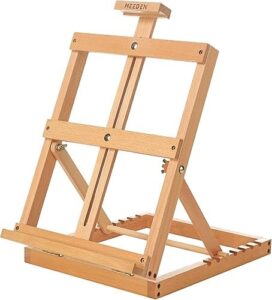
Having the right materials makes the process smoother and improves the final result. Here is a breakdown of what you need:
| Material | Purpose | Beginner Tips |
|---|---|---|
| Stretched Canvas | Main surface for painting | Start with 12″x16″ or 16″x20″ size |
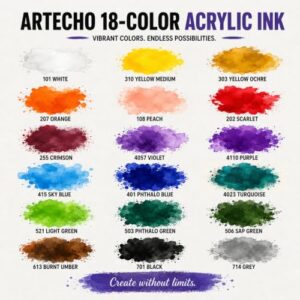
| Acrylic Paints | Color for letters and background | Choose high-quality, water-based paints |
| Pencil | Sketching the layout | Use a soft pencil for easy erasing |
| Brushes | Painting letters and designs | Get both fine and medium brushes |
| Ruler/Measuring Tape | Keeping lines straight | Helps with even spacing |
| Palette | Mixing paint colors | A plastic plate works if you don’t have a palette |
| Painter’s Tape | Creating straight edges | Optional, but useful for clean lines |
| Eraser | Removing pencil marks | Use a kneaded eraser for gentle cleaning |
One detail many beginners miss: using artist-grade acrylics instead of cheap craft paint. Artist-grade paints cover better and last longer, so your art stays bright.
Prepping Your Canvas
Even new canvases need some preparation for best results. Start by making sure your canvas is clean and dust-free. If you want a colored background, paint it first and let it dry completely. Two coats usually give an even look.
For a white background, check if your canvas is pre-primed (most are). If not, brush on a layer of acrylic gesso and let it dry. This gives the paint something to grip and prevents fading.
Using a lightly sanded surface gives smoother letters, especially for small, detailed fonts.
Laying Out Your Quote
Accurate layout is key to a professional look. Begin by measuring the height and width of your canvas. Use a ruler to lightly mark guidelines in pencil. These will help keep your letters straight and evenly spaced.
- Find the canvas center and mark it. This is useful if your quote is centered.
- Divide your quote into lines. Make sure each line fits, leaving margins on all sides.
- Sketch the letters lightly. If you make a mistake, gently erase and try again.
Some artists use carbon paper or transfer paper to trace letters from a printed template. This is a good option if you want perfect shapes.
Painting The Background
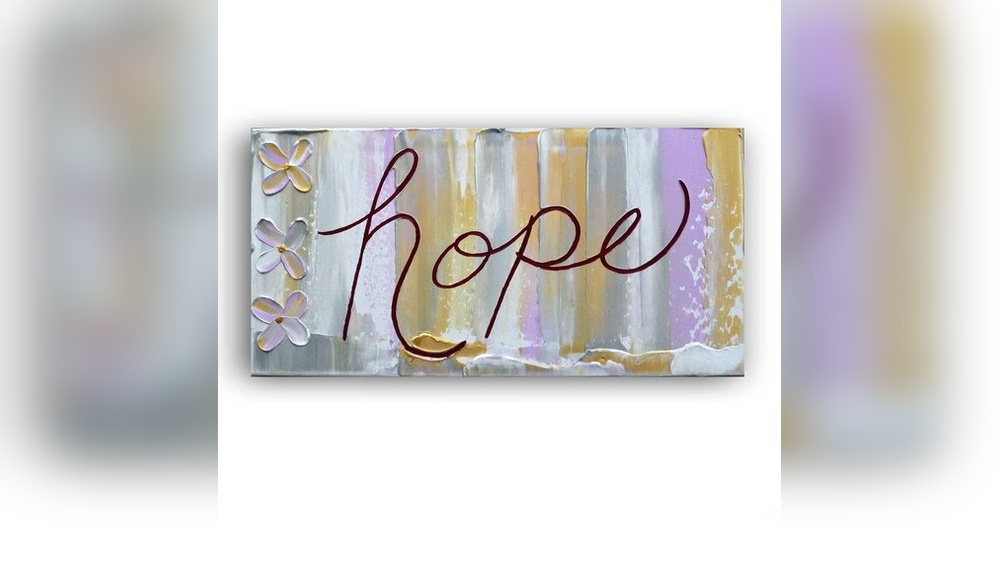
If you want more than just a plain white background, now is the time to paint it. Solid colors, ombre, or simple textures like dry-brush strokes add interest.
Tips for painting backgrounds:
- Use a wide brush for fast, even coverage.
- Let the background dry fully before adding letters.
- Choose a color that makes your text easy to read. Dark letters on a light background (or vice versa) work best.
If you want to add extra elements like simple shapes, paint them before the quote.
Painting The Quote
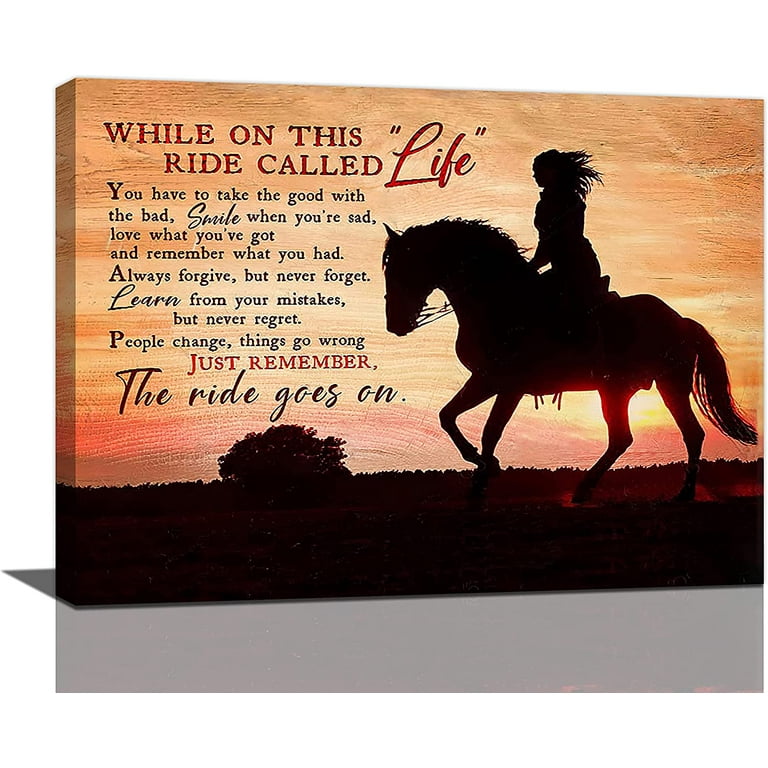
Now comes the most important step: painting the quote itself. This part requires patience and a steady hand.
Step-by-step Process:
- Choose your brush: A fine, pointed brush is best for lettering. Try different sizes on scrap paper.
- Load your brush: Dip only the tip in paint. Too much paint leads to smudges.
- Start at the top left: Work from left to right, top to bottom, to avoid smearing wet paint.
- Follow guidelines: Paint over your pencil sketches. Take your time, especially on curves and corners.
- Let it dry: Once finished, wait for the paint to dry before touching up.
Don’t rush. If you make a mistake, let it dry, then paint over with the background color and try again.

Credit: www.amazon.com
Adding Details And Embellishments
After your quote is dry, you can add extra details to make your canvas unique. Some ideas:
- Borders using a thin brush or painter’s tape for straight lines
- Simple icons like hearts, stars, or leaves
- Metallic accents for a modern touch
Keep embellishments simple. Too many can distract from your quote.
Fixing Mistakes
Everyone makes mistakes, especially with hand lettering. Most errors can be fixed:
- Wait until the paint is dry.
- Use background color to paint over the mistake.
- Let it dry completely before repainting the letter.
If the mistake is large, sometimes it’s easier to adjust your design slightly than to try and match the background exactly.
Credit: www.walmart.com
Sealing And Protecting Your Canvas
To keep your wall art looking fresh, seal it with a clear acrylic spray. This protects against dust, moisture, and fading. Spray in a well-ventilated area and let it dry for 24 hours before hanging.
A matte finish gives a classic look, while a gloss finish adds shine. Choose what fits your style.
Hanging Your Canvas
Proper hanging makes a big difference in how your art is viewed. Here are some quick tips:
| Method | Best For | Pros | Cons |
|---|---|---|---|
| Sawtooth Hanger | Small to medium canvases | Easy to install | Less stable for heavy art |
| Wire and Hooks | Larger canvases | Adjustable height | Requires tools |
| Command Strips | Rented spaces | No wall damage | Weight limit |
Hang your canvas at eye level, and use a level to keep it straight.
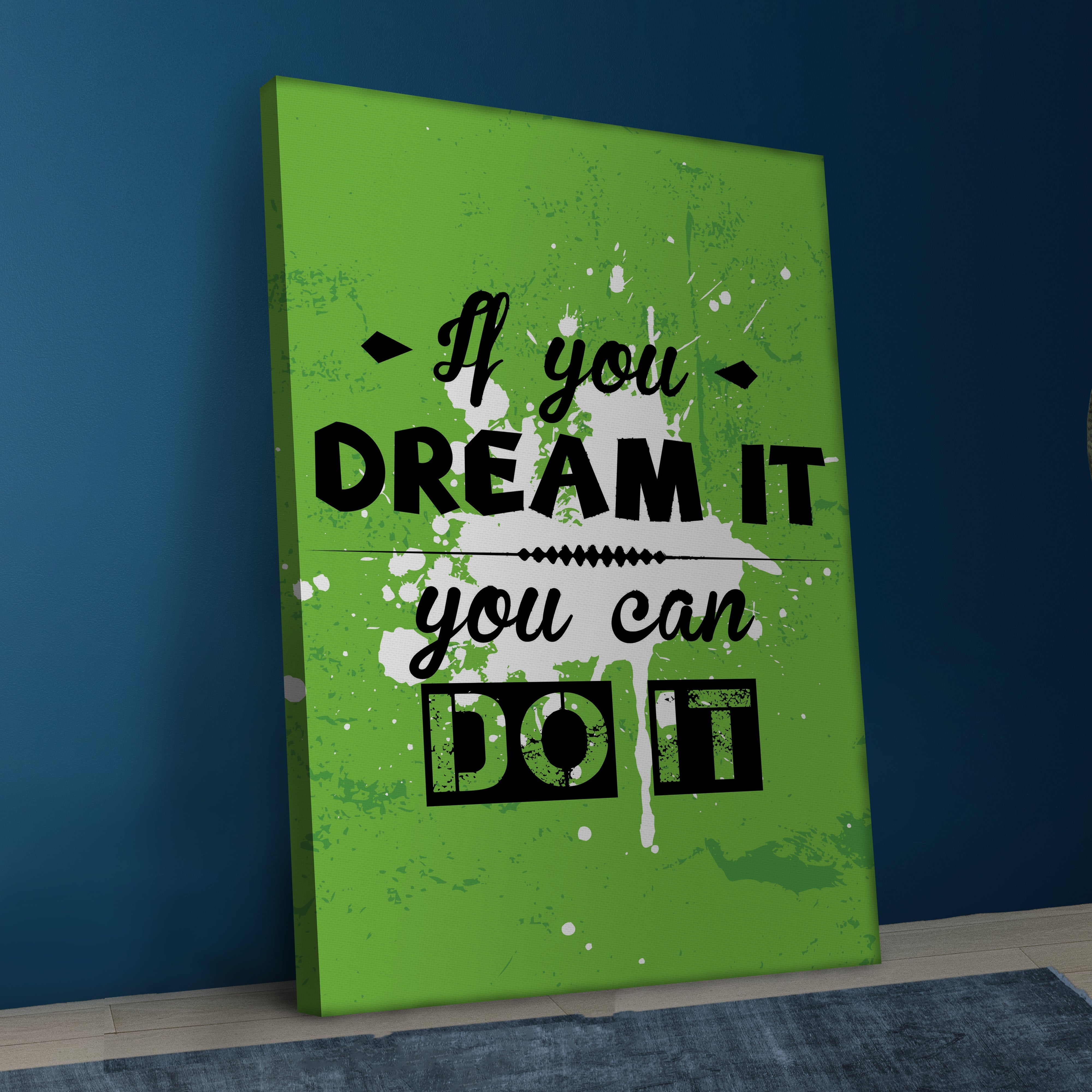
Credit: canvaskraft.com
Common Mistakes And How To Avoid Them
Many beginners struggle with the same issues. Here’s how to avoid them:
- Rushing the process: Let each layer dry fully before moving on.
- Not planning the layout: Always sketch and measure first.
- Choosing unreadable fonts: Pick clear, simple fonts for best results.
- Skipping the sealant: This leads to faded or dirty art over time.
- Overcrowding the canvas: Leave space around your quote for a clean look.
Creative Ideas To Personalize Your Quote Art
Don’t be afraid to experiment. Some ways to make your canvas truly yours:
- Use multi-color lettering for a playful look.
- Add a family name or special date.
- Try stencils for crisp, uniform letters.
- Layer a subtle pattern behind your quote, like stripes or polka dots.
For more inspiration, check out resources like the MoMA Learning: Text in Art page.
Frequently Asked Questions
What Kind Of Paint Should I Use For Canvas Quote Art?
Acrylic paint is the best choice for most projects. It dries quickly, covers well, and is easy to clean up with water. Oil paint is harder to control for lettering and takes much longer to dry.
How Do I Keep My Letters Straight And Evenly Spaced?
Use a ruler and a pencil to draw light guidelines before you start painting. You can also print your quote, place it over the canvas, and use carbon paper to trace the letters onto the surface.
Can I Use Markers Instead Of Paint For The Quote?
Yes, acrylic paint markers or permanent markers can be used for crisp lines and easier control. Just make sure your background is fully dry, and test the marker on a scrap canvas first.
How Do I Choose Colors That Work Well Together?
Pick contrasting colors for the background and the letters so your quote stands out. For example, black letters on a white or pastel background. You can use online color wheel tools for ideas.
What Size Canvas Is Best For Quote Art?
A medium-sized canvas (like 12″x16″ or 16″x20″) is great for most quotes. Make sure your quote fits comfortably, leaving space around the edges.
Painting a quote on canvas wall art is a rewarding project that leaves you with something beautiful and personal. Take your time with each step, and don’t worry about perfection. The small quirks and hand-painted feel are what make your art unique.
With practice, you’ll find your own style and confidence to create more pieces for your home or as thoughtful gifts.