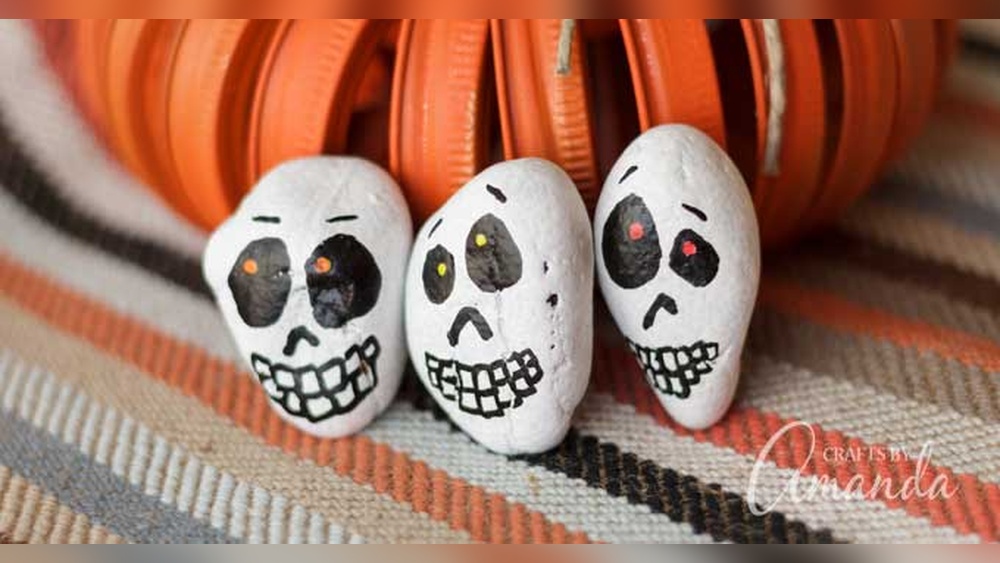
Ready to add a cool, spooky touch to your rock collection? Painting a skull rock with acrylics is easier than you think, and you don’t need to be an expert artist to create something eye-catching.
Imagine turning a simple stone into a striking piece of art that grabs attention and sparks conversations. In this guide, you’ll discover step-by-step tips and tricks that make the process smooth and fun. Whether you want to decorate your garden, Halloween party, or just explore a new hobby, this skull rock painting tutorial will help you bring your creative vision to life.
Let’s get started and unlock your artistic side!
Choosing The Right Rock
Choosing the right rock is the first step to painting a skull rock with acrylics. The rock you select affects how your paint looks and how easy it is to work on. Different rocks have different surfaces, sizes, and shapes. These features change the way your skull design will turn out. Picking the best rock helps your paint stick better and your art last longer.
Smooth Vs Rough Surfaces
Smooth rocks are easier to paint on. The paint spreads evenly and details show well. Smooth surfaces help you draw clean lines for the skull features. Rough rocks have bumps and cracks. They add texture but can make painting harder. Rough surfaces may cause the paint to chip or look uneven. Choose smooth rocks for a neat and clear skull design. Rough rocks suit a more natural, rustic look.
Ideal Sizes And Shapes
Pick rocks that fit well in your hand. Medium-sized rocks are best for painting skulls. Too small rocks leave little space for details. Very large rocks can be hard to handle. Round or oval shapes work great for skull designs. Flat rocks give a good base for drawing. Avoid rocks with sharp points or odd shapes. They can make painting tricky and distort the skull image.

Credit: craftsbyamanda.com
Gathering Supplies
Gathering the right supplies is the first step to paint a skull rock with acrylics. This makes the painting process smooth and enjoyable. Knowing what materials to use helps you create a detailed and lasting design. Below are the key supplies needed to start your skull rock painting project.
Essential Acrylic Paints
Choose high-quality acrylic paints for bright and lasting colors. White and black are important for the skull base and shadows. Add colors like red, blue, or yellow to decorate and highlight details. Select paints that work well on stone surfaces for better adhesion.
Brushes And Tools
Use different brush sizes to paint large areas and fine details. Flat brushes cover broad surfaces quickly. Fine round brushes help create sharp lines and small shapes. A palette or mixing tray is useful to blend colors. Keep paper towels nearby to clean brushes and control paint amount.
Primers And Sealers
Apply primer to the rock before painting to create a smooth base. A white or clear acrylic primer works best for skull rocks. After painting, use a sealer to protect your artwork. Sealers keep colors bright and shield the paint from chips and water. Choose a matte or glossy finish based on your style preference.
Preparing The Rock
Preparing the rock is the first step in painting a skull rock with acrylics. A clean and smooth surface helps paint stick better and last longer. Taking time to prepare the rock ensures a neat and vibrant final design. Follow simple steps to get your rock ready for painting.
Cleaning And Drying
Start by washing the rock with warm water and soap. Use a brush to remove dirt and dust. Rinse the rock well to clear away soap. Let the rock dry completely. A dry rock prevents paint from peeling or bubbling. Drying may take a few hours or a full day depending on the weather.
Applying Primer
Apply a primer layer to the dry rock. Primer creates a smooth base for acrylic paint. It also improves paint adhesion and color brightness. Use a brush to spread the primer evenly. Allow the primer to dry fully before painting. This step helps your skull design look sharp and last longer.
Credit: folksy.com
Sketching The Skull
Starting your skull rock painting means sketching the skull first. This step sets the foundation. A clear, simple sketch guides your paintwork. It helps to get the shapes right before adding color. Keep your lines light and easy to adjust. This way, mistakes are easy to fix early.
Basic Skull Shapes
Think of the skull as a mix of simple shapes. Use circles and ovals for the main head shape. Add smaller ovals for eye sockets. Draw a triangle for the nose area. These shapes form the skull’s basic structure. They make drawing easier and more accurate. Start with these simple parts. Adjust them until they look right.
Using Pencil For Outlines
Use a pencil for your initial outlines. Pencil marks are easy to erase and change. Choose a medium-soft pencil for smooth lines. Light strokes help avoid dark marks. Sketch the skull gently at first. Refine your lines as the shape improves. Keep your sketch loose and flexible. This helps you paint confidently later.
Painting The Base Layer
Painting the base layer is the first step to bring your skull rock to life. This layer creates a solid foundation for your design. It helps the colors stand out and last longer. Use acrylic paints for smooth coverage and vibrant colors. Prepare your rock by cleaning it well. Let the paint dry completely before adding details. A good base layer makes your skull look bold and clear.
Choosing Base Colors
Select base colors that fit your skull design. White or light gray works well for a classic skull. Dark colors like black or deep blue create a spooky background. You can mix colors to get a unique shade. Consider the colors you will use for details. The base color should make those details pop. Test a small area before painting the entire rock.
Covering The Entire Surface
Use a medium brush to cover the rock evenly. Paint every visible part of the rock with your base color. Thin layers dry faster and prevent paint from cracking. Apply multiple coats if needed for full coverage. Let each coat dry before applying the next. Avoid leaving any spots unpainted. A smooth, even base layer helps your skull design look clean and sharp.
Adding Skull Details
Adding details to your skull rock brings it to life. This step creates depth and character. Focus on key features like eyes, nose, teeth, cracks, shadows, and highlights. Use fine brushes and steady strokes for precision. Take your time to enhance the skull’s natural shape and texture.
Eyes And Nose
Start with the eyes by painting hollow, dark sockets. Use black or dark gray for a deep look. Paint the nose as an upside-down heart or triangle shape. Keep the edges soft to mimic bone hollows. These areas define the skull’s eerie expression.
Teeth And Cracks
Draw teeth with thin vertical lines along the jaw area. Use white or light gray to separate each tooth. Add small cracks using fine, irregular lines in dark gray or black. These cracks give the skull an aged, weathered look. Avoid overdoing cracks; keep them natural and subtle.
Shadows And Highlights
Apply shadows under cheekbones and around eye sockets with dark paint. This adds depth and realism. Use lighter shades for highlights on raised areas like the forehead and nose bridge. Blend shadows and highlights softly to create a smooth bone texture. This contrast makes your skull rock stand out beautifully.
Using Paint Pens For Precision
Using paint pens for precision adds control and sharpness to your skull rock painting. Paint pens allow you to create clean, crisp lines that brushes cannot easily achieve. These tools are perfect for detailed work and small designs on your rock’s surface. They help bring out the intricate features of the skull with ease. Paint pens also reduce the chance of smudging, making your artwork look neat and professional.
Outlining Details
Start by outlining the main shapes of the skull with a fine-tipped paint pen. This step defines the skull’s edges clearly. Use steady, light strokes to avoid thick or messy lines. Focus on areas like the eye sockets, nose cavity, and jawline. A sharp outline helps the skull stand out and gives structure to your design. Choose a black or dark-colored pen for strong contrast against lighter acrylic paint.
Adding Fine Lines
After outlining, use a thinner paint pen for fine lines inside the skull. Add cracks, teeth details, and shading lines to create depth. These tiny lines make the skull look more realistic and interesting. Work slowly and carefully to keep the lines straight and even. Fine lines can also add texture and highlight small features. Paint pens make it simple to draw these delicate details without bleeding or smudging.
Creating Color Effects
Creating color effects on your skull rock adds depth and interest to the design. Acrylic paints offer vibrant hues and quick drying times. These qualities help you layer colors easily and create unique visual textures.
Experimenting with different color effects gives your skull rock a lively, artistic look. Focus on blending colors smoothly and using contrasts to highlight key features. This approach makes the skull rock stand out and look more realistic or stylized.
Blending Techniques
Blending colors softly creates smooth transitions on the skull rock. Use a damp brush to merge wet acrylics gently. Work quickly before the paint dries to avoid harsh lines.
Try layering lighter colors over darker shades to add highlights. Use small circular motions with your brush to mix colors on the rock’s surface. This technique gives the skull a rounded, 3D appearance.
Dry brushing can also add texture and subtle color variations. Lightly drag a dry brush with a small amount of paint across raised areas. This method enhances the details of cracks and contours.
Using Contrasting Colors
Contrasting colors make parts of your skull rock pop visually. Choose colors opposite each other on the color wheel, such as blue and orange or red and green. These combinations create strong visual interest.
Apply dark colors in the shadows and bright colors on raised areas. This contrast enhances depth and highlights the skull’s features clearly. Use black or dark gray to outline eyes, nose, and cracks for sharp definition.
Keep the background color muted if you want the skull to stand out. Bright, contrasting colors on the skull itself draw attention and make your rock painting eye-catching.
Finishing Touches
Finishing touches bring your skull rock painting to life. These final steps improve your artwork’s look. Pay close attention to small details. They make a big difference in the end.
Touching Up Mistakes
Check your skull rock carefully for any errors. Small paint smudges or uneven lines are common. Use a fine brush dipped in acrylic paint to fix these spots. White or black paint helps clean edges or brighten highlights. Let each correction dry fully before moving on. This prevents colors from mixing or smearing.
Don’t worry about tiny flaws. They add character and charm to your rock. Just smooth out the most noticeable mistakes. Your skull will look crisp and polished.
Adding Background Elements
A simple background enhances the skull’s impact. Consider painting shadows or a dark backdrop behind the rock. Use deep blues, purples, or blacks to make the skull pop. Soft gradients give a smooth, natural effect. Try adding small details like cracks or flowers around the edges.
Background elements add depth and interest. They give context to your skull rock. Keep these additions subtle so they do not distract from the main design. Your painting will feel complete and balanced.
Sealing Your Artwork
Sealing your skull rock painting protects your hard work. It shields the paint from chipping, fading, and moisture. A good sealer keeps colors bright and your design sharp. This step ensures your artwork lasts long, especially if the rock is outdoors. Choose the right sealer and apply it properly for the best results.
Choosing The Right Sealer
Use a clear acrylic sealer for skull rock paintings. It preserves colors without changing the look. Matte sealers give a natural finish, while gloss adds shine. Spray sealers are easy to apply evenly. Brush-on sealers provide more control but may leave brush marks. Pick a sealer suitable for outdoor use if your rock stays outside.
Proper Application Methods
Apply sealer in thin, even coats. Hold spray sealers 6 to 8 inches away from the rock. Spray lightly and move the can in a steady motion. Let each coat dry fully before adding another. For brush-on sealers, use a soft, clean brush. Avoid thick layers to prevent drips and cloudiness.
Seal both the top and bottom of the rock. This protects all painted surfaces from damage. Work in a well-ventilated area to avoid inhaling fumes. Allow the sealed rock to cure for at least 24 hours before handling.
Tips For Beginners
Starting to paint a skull rock with acrylics can feel exciting and a bit challenging. Beginners should focus on simple steps and enjoy the process. Patience and practice help build skill and confidence. Using the right tools and techniques makes the experience fun and rewarding. Here are some useful tips to guide beginners on this creative journey.
Common Mistakes To Avoid
Skipping the primer can cause paint to peel off the rock. Always apply a base coat before painting your design. Using thick paint layers may create cracks when drying. Thin layers work better and dry faster. Avoid rushing the drying time between colors to stop smudging. Overloading the brush with paint leads to messy details. Clean your brush often to keep lines sharp. Painting on rough or dusty rocks can spoil the finish. Choose smooth, clean rocks for the best results.
Practice Ideas
Start by painting simple shapes like circles or lines on paper. This improves brush control and steadiness. Try painting basic skull outlines on paper before moving to rocks. Use a pencil to sketch your design lightly on the rock first. Practice mixing colors on a palette to find the right shades. Experiment with different brush sizes to see their effects. Create small test rocks to try out new techniques or color combinations. These exercises build confidence for your main skull rock project.

Credit: colormadehappy.com
Frequently Asked Questions
How To Paint Rocks With Acrylics Step By Step?
Clean and dry the rock thoroughly. Apply a primer if needed. Sketch your design lightly with a pencil. Paint the base color and let it dry. Add details with fine brushes or paint pens. Seal with a clear acrylic sealer for durability.
How To Face Paint A Skull Step By Step For Beginners?
Start by painting half the face white, leaving eye spaces. Fill eyes and nose with black. Outline skull, add cracks and teeth with a thin brush. Let dry between steps. Use acrylic paints for best results. Keep designs simple and practice for improvement.
What Colors To Paint A Skull?
Paint skulls using white, black, and gray for realism. Add colors like red, orange, or blue for vibrant, decorative designs. Use acrylics for smooth, lasting coverage.
What Is The Best Paint For Rocks For Beginners?
Acrylic paint works best for beginners painting rocks due to its vibrant colors and quick drying time. Use paint pens for detailed designs.
Conclusion
Painting a skull rock with acrylics can be fun and relaxing. Start with simple steps and enjoy each part of the process. Use light colors first, then add dark details for depth. Let the paint dry fully between layers to avoid smudging.
Don’t worry about mistakes; they can add character to your art. Practice often to improve your skills. Your painted skull rock will make a unique decoration or gift. Keep experimenting with colors and styles to find what you like best.
Happy painting!