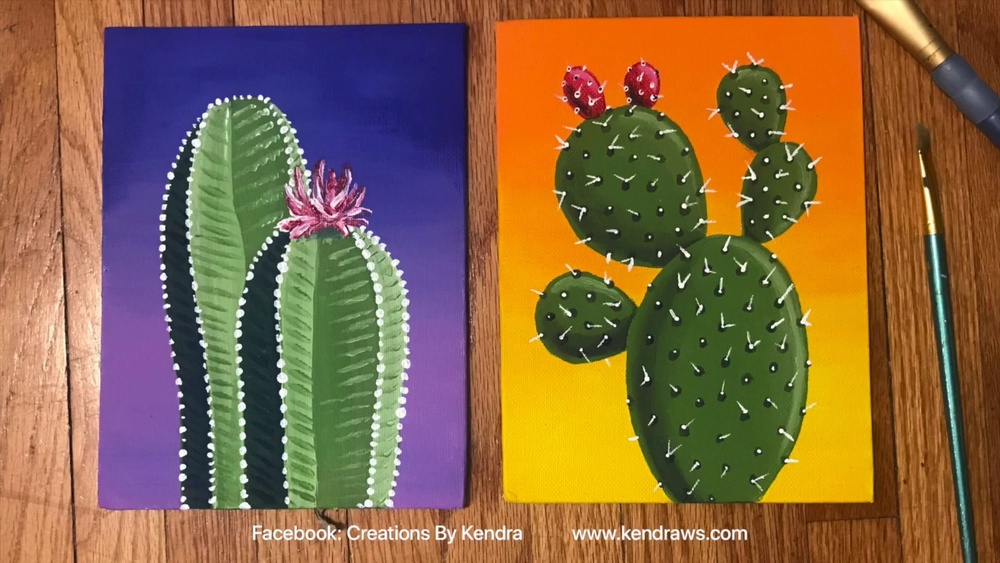
Are you ready to bring the unique charm of a cactus into your artwork? Painting a cactus with acrylic paint is easier than you might think, and it’s a perfect way to add a touch of nature to your home or creative projects.
Whether you’re a beginner or looking to improve your skills, this guide will show you simple steps to create a vibrant, eye-catching cactus painting. Stick with me, and by the end, you’ll have the confidence to paint your own cactus masterpiece that stands out.
Let’s get your brushes ready and start painting!
Materials Needed
Starting a cactus painting with acrylics means gathering the right materials. These tools help create clear shapes, rich colors, and smooth textures. Having the proper supplies makes painting easier and more fun.
Acrylic Paints
Choose acrylic paints with bright, natural colors. Green shades are key for cactus bodies. Include browns and yellows for details like spines and soil. Quality paints offer good coverage and dry fast.
Brush Types
Use various brushes for different effects. Flat brushes cover large areas quickly. Round brushes help with small details and curves. A fan brush can create texture for cactus spines.
Canvas And Palette
Select a smooth canvas or thick paper. It holds paint well and shows colors clearly. Use a palette to mix paints. A simple plastic or wooden palette works fine.
Additional Supplies
Keep water nearby for cleaning brushes. Paper towels or cloth help wipe excess paint. Pencil and eraser assist in sketching the cactus shape. A cup or jar holds water safely.
Preparing Your Workspace
Preparing your workspace is the first step to a smooth acrylic painting experience. A clean, organized area helps you focus on your cactus painting. It also reduces mistakes and frustration. Setting up the right environment makes painting more enjoyable and productive.
Setting Up Canvas
Choose a canvas size that fits your space and project. Place the canvas on an easel or flat surface. Make sure it is stable and won’t move while painting. Clean the canvas surface if needed. This gives your paint a good surface to stick to.
Organizing Paints And Brushes
Arrange your acrylic paints by color and use. Keep the most-used colors within easy reach. Lay out brushes from small to large. Clean brushes before starting to avoid mixing colors. Use a palette or plate to mix your paints. This keeps colors fresh and ready.
Lighting And Ventilation
Work near a window or use bright white light. Good lighting shows true paint colors clearly. Avoid harsh shadows on your canvas. Open windows or use a fan for fresh air. Acrylic paints can have a strong smell. Fresh air keeps your workspace comfortable and safe.
Sketching The Cactus
Sketching the cactus is the first step in your acrylic painting journey. It helps you plan the shape and details before adding paint. A good sketch makes painting easier and more enjoyable. Start with simple lines and shapes to build the structure.
Basic Shapes
Begin by drawing the main parts of the cactus using simple shapes. Use ovals or circles for the cactus pads. Draw rectangles or elongated ovals for the stems. Keep shapes light and loose to change them later if needed. This step sets the foundation for your painting.
Adding Details
Add smaller shapes to show the cactus texture and spikes. Sketch tiny lines or dots to represent the spines. Include any flowers or buds on the cactus. Focus on the overall look without pressing too hard. Details bring your cactus to life.
Using Pencil Or Light Paint
Use a pencil to sketch lightly on your canvas. Light lines are easy to erase or paint over. Some artists prefer using a thin brush with light paint for sketching. This method helps avoid smudges. Choose the tool that feels best for your style.
Choosing Colors
Choosing colors for painting a cactus with acrylics shapes your entire artwork. The right colors bring life and depth to your cactus. You want to show its texture, light, and form clearly. Selecting the right palette helps your painting look realistic and vibrant.
Green Shades For Cactus
Green is the main color of cacti. Choose several green shades to add variety. Use light greens for fresh parts and dark greens for older areas. Mix yellow-green and blue-green tones to make your cactus look natural. Avoid using just one flat green color.
Highlight And Shadow Colors
Highlights show where light hits the cactus. Use pale yellow or white mixed with green for highlights. Shadows add depth and make the cactus look 3D. Use dark green, brown, or even deep blue for shadows. Paint shadows on the sides away from light.
Background Color Ideas
Choose a background color that makes your cactus pop. Soft beige or sandy colors work well for desert themes. Light blue or pale sky colors create a fresh, airy feel. Dark backgrounds help bright green stand out strongly. Match the background mood with your cactus style.
Base Painting
Base painting is the first step to create a strong foundation for your cactus artwork. It sets the tone and helps build the shape. Using acrylic paint for the base gives vibrant color and good coverage.
Take your time to apply the base well. This makes the next layers easier and more effective. A smooth, even base helps your cactus look real and fresh.
Applying First Layer
Start with a light green or the main cactus color. Use a medium-sized brush for even strokes. Cover the entire cactus area with this first layer. Avoid thick paint; thin layers dry faster and look cleaner. Let the paint cover all the canvas parts where the cactus will be.
Blending Techniques
Blend different shades of green to add depth. Use a wet brush to mix colors softly on the canvas. Blend from dark to light shades to show light and shadow. Work quickly before the paint dries. This gives your cactus a smooth, natural look.
Drying Tips
Allow each layer to dry fully before adding more paint. Acrylic dries fast but thick layers take longer. Use a fan or open window to help dry paint. Avoid touching the wet paint to keep it smooth. Dry layers prevent colors from mixing unintentionally.
Adding Texture And Details
Adding texture and details brings your cactus painting to life. These small touches make your artwork look more real. Texture creates a sense of depth and interest. Details like spines and ribs give the cactus its unique character.
Focus on these elements to make your acrylic cactus painting stand out. Use simple techniques to add texture without complicating your work. The right brush strokes and highlights help create a natural look.
Creating Spines And Thorns
Spines are a key feature of cacti. Use a fine brush or a toothpick to paint thin, sharp lines. White, light green, or pale yellow colors work well for spines.
Paint short, quick strokes radiating from the cactus body. Vary the length and direction to avoid uniformity. This gives a more natural and realistic feel to the spines.
Highlighting Cactus Ribs
Cactus ribs create the plant’s signature shape. Use a slightly lighter or darker shade of green to paint along the ribs. This contrast creates a three-dimensional effect.
Apply paint gently along the rib lines. Blend softly into the main green color. This subtle shading helps the ribs stand out without harsh edges.
Using Different Brush Strokes
Brush strokes add texture and movement to your painting. Use short, dabbing strokes for a rough, bumpy surface. Smooth, long strokes create a softer look.
Mix brush techniques to mimic the cactus’s natural texture. Experiment with dry brushing to add a dusty effect. Layer strokes lightly for a rich, detailed finish.
Final Touches
Final touches bring your cactus painting to life. They make your artwork look complete and polished. Small details create depth and interest. Take your time with this step. It helps your cactus appear more real and vibrant.
Adjusting Contrast
Contrast makes your cactus stand out. Use a small brush to darken areas that need more depth. Lighten parts that look flat or dull. This helps different parts of the cactus pop. Step back and look at your painting often. Balance dark and light areas carefully.
Adding Shadows
Shadows give your cactus a three-dimensional feel. Paint soft shadows where the light does not hit. Use a darker green or a mix of green and brown. Apply shadows under cactus arms and near the base. Shadows add realism and make your cactus look solid.
Sealing Your Painting
Sealing protects your cactus painting from dust and damage. Choose a clear acrylic varnish for a smooth finish. Spray or brush the varnish gently over the whole painting. Let it dry completely before handling. Sealing keeps your artwork safe for years.

Credit: www.montmarte.com
Common Mistakes To Avoid
Painting a cactus with acrylic paint can be fun and rewarding. Avoiding common mistakes helps your artwork look better and last longer. Small errors can change the final result a lot. Keep an eye on these common pitfalls to improve your cactus painting skills.
Overmixing Colors
Mixing colors is part of the painting process. But overmixing can make colors dull and muddy. Use small amounts of paint and blend gently. Stop mixing once you get the shade you want. This keeps colors bright and fresh on your cactus.
Ignoring Drying Times
Acrylic paint dries fast but needs time between layers. Rushing to paint over wet areas causes smudges and uneven textures. Wait at least 10-15 minutes before adding new layers. Patience helps each layer look clean and sharp.
Skipping Layering Steps
Layering adds depth and detail to your cactus. Skipping steps makes the painting look flat and simple. Start with a base color, then add shadows and highlights. Follow the order of layers for a natural and realistic look.
Tips For Beginners
Starting to paint cacti with acrylics can be fun and relaxing. Beginners often feel unsure about techniques and colors. Simple tips can help build confidence and skill. Follow these ideas to create beautiful cactus paintings step by step.
Practice is key to improving your brush control and blending skills. Keep your first projects easy and focus on learning basic strokes. Use these tips to enjoy painting and see quick progress.
Practice Techniques
Begin with basic brush strokes on scrap paper. Try dabbing, sweeping, and thin lines. Practice blending green shades smoothly for cactus texture. Repeat these exercises to gain control over paint and brush. Experiment with layering paint for depth and shadows.
Choosing Simple Cactus Shapes
Pick easy shapes like round or oval cacti. Avoid complex forms at first. These shapes help you focus on painting skills, not details. Draw basic outlines lightly with pencil before painting. Keep the shapes bold and clear for a clean look.
Experimenting With Color
Use different greens to make your cactus lively. Mix a bit of yellow or blue to create new shades. Add touches of brown or pink for natural highlights. Try painting the background with soft colors to make the cactus pop. Test color combinations on a separate sheet before painting.

Credit: www.youtube.com

Credit: ellebyers.com
Frequently Asked Questions
What Materials Are Needed To Paint A Cactus With Acrylic?
You need acrylic paints, brushes, a palette, water, paper towels, and a canvas or paper. Quality brushes help with detail. Acrylics dry fast and are vibrant, ideal for cactus textures and colors.
How Do I Create Realistic Cactus Textures In Acrylic?
Use layering techniques with different shades of green. Add small dots or lines for spines using a fine brush. Dry brushing can mimic cactus skin texture effectively. Experiment with light and shadow for depth.
Can Beginners Easily Paint Cacti With Acrylic Paint?
Yes, painting cacti is beginner-friendly due to simple shapes. Acrylics are easy to handle and dry quickly. Start with basic forms, then add details gradually. Practice improves skill and confidence.
How To Mix Colors For Natural Cactus Shades?
Mix greens with yellows, blues, and a touch of brown for natural cactus hues. Adjust tones by adding white for lighter shades or black for shadows. Experiment to match the cactus species you want to paint.
Conclusion
Painting a cactus with acrylic paint can be fun and relaxing. Use simple shapes and bright colors to bring it to life. Take your time and enjoy each brush stroke. Practice helps you improve your skills every time. Your cactus painting will look beautiful on any wall or card.
Keep trying, and don’t worry about mistakes. Art is about expressing yourself and having fun. Now, grab your paints and create your own cactus masterpiece!