
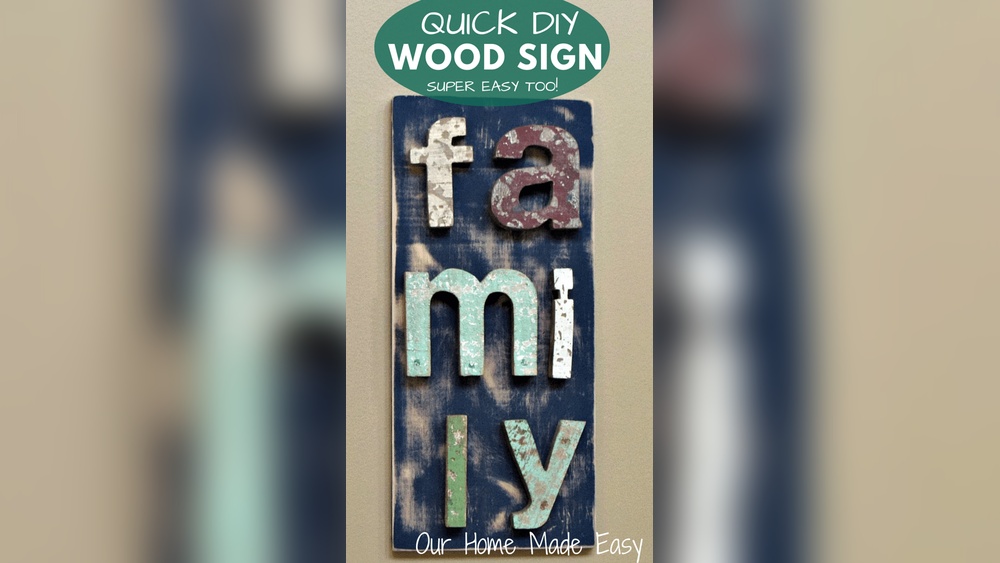
Quick answer: To paint a wooden sign at home, sand the board smooth (120 then 220 grit), wipe off the dust, and seal or prime it so paint does not bleed into the grain. Paint a background color in two thin coats, transfer your lettering with graphite or a stencil, fill the letters with acrylic using a small flat or round brush, then protect the sign with a clear water-based topcoat, using an exterior-rated finish for outdoor signs.
Hand-painted wooden signs look simple, but crisp lettering on wood depends on preparation more than steady hands. Raw wood is thirsty and grainy, so paint wicks along the fibers and letters come out fuzzy unless the surface is sealed first.
This guide explains how to paint wooden signs at home: choosing wood, sanding, sealing, laying out text, three lettering methods, distressing and weatherproofing. For specific paint suggestions, our guide to paint that gives clean lettering on wood signs compares coverage, flow and durability.
Choosing Wood for a Painted Sign
| Wood option | Surface | Paint result | Good for |
|---|---|---|---|
| Poplar board | Smooth, tight grain | Very clean lines | Detailed lettering |
| Pine (common board) | Soft, visible knots | Good when sealed; knots may bleed | Farmhouse and rustic signs |
| Birch plywood | Flat, stable | Clean; edges need filling | Large signs that should not warp |
| MDF | Very smooth | Excellent paint surface | Indoor signs only; swells with moisture |
| Reclaimed pallet wood | Rough, weathered | Rustic, uneven | Bold, simple text |
| Cedar | Light, aromatic, coarse grain | Good with sealing | Outdoor signs |
Pallet signs have their own quirks, such as assembling slats and dealing with gaps and stamps. Our separate guide on painting DIY wooden pallet signs covers those specifics.
Supplies
- Wood board cut to size
- Sandpaper or sanding block: 120 and 220 grit
- Tack cloth or damp microfiber cloth
- Wood conditioner, sanding sealer, primer, or clear water-based sealer
- Acrylic craft paint, chalk-style paint or latex sample pots for backgrounds
- Brushes: 1 to 2-inch flat for backgrounds; small flats (1/8 to 1/4 inch) and rounds (size 2 to 4) for lettering; a liner for fine strokes
- Graphite transfer paper or a regular pencil
- Stencils, adhesive vinyl or painter’s tape
- Ruler, T-square and a level
- Clear topcoat (matte or satin water-based polycrylic indoors; exterior spar urethane or exterior water-based varnish outdoors)
- Sawtooth hangers, D-rings or rope for hanging
How to Paint Wooden Signs: Step-by-Step
Step 1: Sand the board
Sand with 120 grit to remove mill marks and splinters, then with 220 grit for a smooth finish. Always sand with the grain. Round the corners and edges slightly so paint does not chip off sharp edges. Remove every trace of dust with a tack cloth.
Step 2: Seal or prime
This is the step that makes lettering crisp. Raw wood absorbs paint unevenly and pulls it along the grain, giving letters a feathered edge.
- For a painted background, apply a primer or sanding sealer and let it dry.
- For stained backgrounds, apply stain first, let it dry fully, then seal with a thin clear coat before painting letters.
- For knotty pine, spot-prime knots with a shellac-based primer to stop sap or tannin from bleeding through light paint.
Water-based products can raise the grain slightly. Once dry, sand lightly with 220 grit and wipe clean.
Step 3: Paint or stain the background
Apply two thin coats of background color with a flat brush or foam roller, sanding lightly between coats with fine grit for a smooth surface. Let it dry completely, ideally a few hours or overnight before lettering, so tape and transfer paper do not lift it.
Popular combinations: white on black, black on white, navy on cream, white on stained walnut, and gold or copper on deep green.
Step 4: Plan the layout
Mock up the design on paper or a computer at the actual size of the sign. Keep these layout rules in mind:
- Leave margins of at least 1 to 1.5 inches on all sides.
- Limit fonts to two: one bold, one script or simple sans serif.
- Make the key word the largest.
- Center text using a vertical center line measured on the board.
Step 5: Transfer the lettering
Choose one of three methods (detailed in the next section): graphite transfer, stencils, or adhesive vinyl masks.
Step 6: Paint the letters
Use paint with a smooth, slightly creamy consistency. If it is too thick, it drags; too thin, and it bleeds. Load the brush and paint the outlines of each letter first, then fill the centers. Pull strokes in one direction where possible. Two thin coats look cleaner than one heavy one.
Step 7: Clean up edges
Once the letters are dry, fix any wobbly edges with the background color and a small brush. This “cutting back” step is how sign painters make letters look razor sharp.
Step 8: Distress (optional)
For a weathered look, lightly sand edges and random areas of the lettering with 220 grit after everything is fully dry. Keep it subtle so the text stays readable.
Step 9: Apply a topcoat
Apply two or three thin coats of clear finish, letting each dry and sanding very lightly between coats with fine grit. Use a soft brush and gentle strokes on the first coat so you do not smear the lettering. A light mist of spray sealer first is a safe way to lock everything in.
Step 10: Add hanging hardware
Attach sawtooth hangers or D-rings on the back, measuring so the sign hangs level. For a rustic look, drill two holes near the top and thread through rope or jute.
Three Ways to Letter a Wooden Sign
Graphite transfer (best for custom fonts)
Print your design at full size. Rub the back of the printout with a soft pencil or place graphite transfer paper beneath it. Tape the design to the sign and trace the outlines with a ballpoint pen. Lift the paper to reveal a faint outline, then paint inside the lines.
Pros: any font, any layout. Cons: requires steady brushwork.
Stencils (best for beginners)
Use a reusable or adhesive stencil. Load a stencil brush or foam pouncer with very little paint, blot most of it off, and dab straight down. Too much paint is the number one cause of bleeding under stencils.
Tip: brush a thin coat of the background color or a clear medium over the stencil edges first. Any bleed is the background color and invisible, and it seals the edge so your letter color stays crisp.
Adhesive vinyl masks (cleanest edges)
Cut letters from adhesive vinyl with a cutting machine or a craft knife. Apply as a mask, seal the edges with background color or clear medium, paint the letter color, and peel while the final coat is slightly tacky.
Pros: crisp, professional edges. Cons: needs a cutting tool or patience with a blade.
Brush Lettering Tips for Cleaner Letters
Even with a good transfer, the brushwork decides how professional a sign looks. These habits help:
- Match brush width to stroke width. A flat brush the same width as the letter’s thick stroke lets you paint each stroke in one pass.
- Anchor your hand. Rest your pinky or the heel of your hand on the board (on a dry area) or on a mahlstick, a stick you hold across the sign as a hand rest.
- Pull, don’t push. Brushes are more controllable when pulled toward you. Rotate the sign as needed so every stroke is a pull.
- Reload often. A brush running low on paint leaves a dry, broken edge. Reload before each stroke on larger letters.
- Thin with a little water or flow medium. Paint should flow off the brush like heavy cream.
- Practice on scrap. Paint the alphabet on a primed scrap board in the font you plan to use. Ten minutes of practice shows you where strokes start and end.
Sizing Text for Readability
Letters need to be large enough to read from where people will stand. As a rough guide, signs viewed across a room work well with main words at least 2 to 3 inches tall, while porch and yard signs viewed from the street often need letters of 4 inches or more. High contrast between letters and background (dark on light or light on dark) helps far more than decorative fonts.
Wooden Sign Ideas
- Family name signs with an established year.
- Kitchen signs with simple words or menu-style lists.
- Nursery signs with a baby’s name and soft colors.
- Welcome signs for porches, painted on tall vertical boards.
- Garden markers on small stakes for herbs and vegetables.
- Directional signs with arrows for parties, weddings or cabins.
- Quote signs with a short phrase in two contrasting fonts.
Painting Signs With Kids
Small pre-cut wooden plaques, shapes and magnets are great for children. Craft kits with wooden cutouts and paint (sometimes sold as wooden magnet painting kits) give kids a ready set of surfaces to decorate. Sand any rough edges first, give them washable acrylic or paint pens, and let them create name plaques, door hangers or magnets. Seal the finished pieces yourself with a clear spray.
Indoor vs Outdoor Wooden Signs
Indoor signs need only a light protective topcoat. Outdoor signs face moisture, UV and temperature swings, so they need more care:
- Use exterior-grade wood like cedar or treated pine, not MDF.
- Seal all six sides of the board, including the back and edges.
- Use exterior paint or outdoor-rated acrylic.
- Finish with several coats of exterior varnish or spar urethane.
- Hang the sign under an overhang if possible.
- Expect to refresh the topcoat every year or two.
Common Mistakes
- Painting on unsealed wood. Letters bleed into the grain and look fuzzy.
- Overloading stencil brushes. Paint seeps under the stencil edges.
- Crowding the text. Signs read better with generous margins and spacing.
- Skipping a level line. Even a slight slope is obvious from across a room.
- Brushing the topcoat aggressively. It can smear fresh lettering.
- Using indoor finishes outside. They break down quickly in sun and rain.
Troubleshooting
Paint bled under the stencil
Wait until it dries, then touch up with background color and a fine brush. Next time, use less paint and seal the stencil edges first.
Knots are showing through
Sap or tannins are bleeding. Spot-prime the knots with shellac-based primer, let it dry, then repaint.
Topcoat turned yellow
Oil-based finishes amber over time, especially over white. Use a water-based, non-yellowing topcoat on light colors.
Wood warped
Moisture entered one side more than the other. Seal all sides of the board, and choose plywood for larger signs.
FAQs
What paint is best for wooden signs?
Acrylic craft paint works well for lettering and details indoors. Chalk-style or latex paint is good for backgrounds. For outdoor signs, use exterior-rated paint and seal the sign with an exterior topcoat.
How do you keep paint from bleeding on a wood sign?
Seal or prime the wood first, use paint at a creamy consistency, keep stencil brushes nearly dry, and seal stencil edges with background color or clear medium before applying the letter color.
Do I need to seal wood before painting a sign?
Sealing or priming is strongly recommended. It stops the paint from soaking into the grain unevenly, which gives cleaner lettering and more even color.
How do you transfer letters onto wood?
Print the design at full size, rub pencil graphite on the back or use transfer paper, tape it to the board and trace over the letters. Stencils and adhesive vinyl are other easy options.
How do I weatherproof a painted wood sign?
Use exterior-grade wood, seal all six sides, paint with outdoor paint, and apply several coats of exterior varnish or spar urethane. Refresh the topcoat periodically.
Can I use chalk paint on wooden signs?
Yes. Chalk-style paint is popular for sign backgrounds because it covers well and distresses easily. Seal it with a clear topcoat, since bare chalk paint marks easily.
Final Thoughts
Clean lettering on a wooden sign comes from three things: sanding smooth, sealing before painting, and choosing a lettering method that matches your skill level. Add a proper topcoat and your sign will look sharp for years, indoors or out.
Paint flow and opacity make a noticeable difference with small letters. See our guide to the best paint for wooden signs to find colors that cover in fewer coats and give crisper edges.


2 Comments