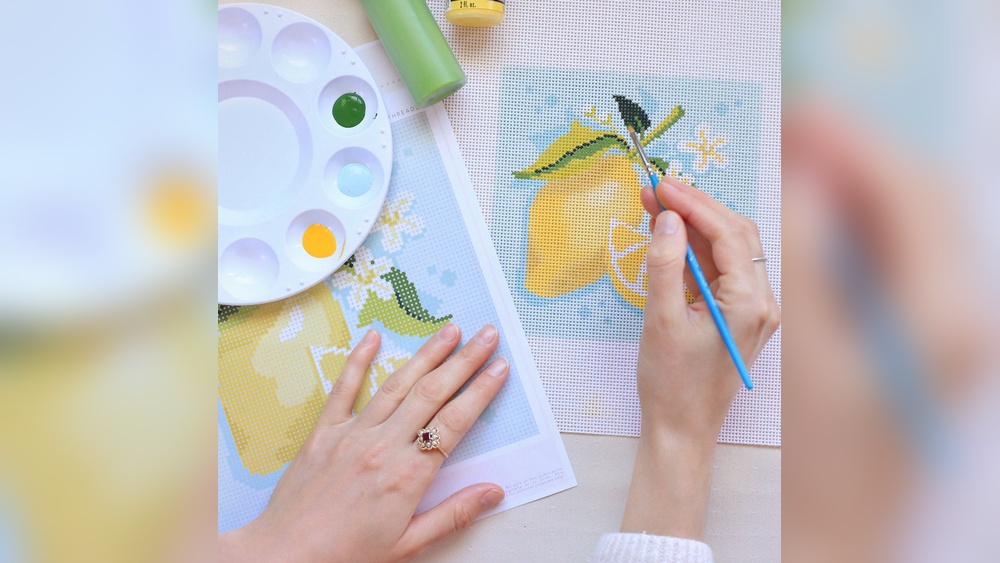
Are you ready to bring your needlepoint projects to life in a whole new way? Painting on needlepoint canvas lets you customize your designs with vibrant colors and unique details before you even pick up a needle. Whether you’re looking to paint needlepoint canvas with bold backgrounds or subtle shadings, mastering this skill will transform your stitching experience and results.
In this guide, you’ll discover simple, step-by-step techniques to paint your canvas like a pro—using easy-to-find materials and clear instructions that anyone can follow.
Keep reading, and you’ll unlock the secrets to making your needlepoint truly one of a kind.
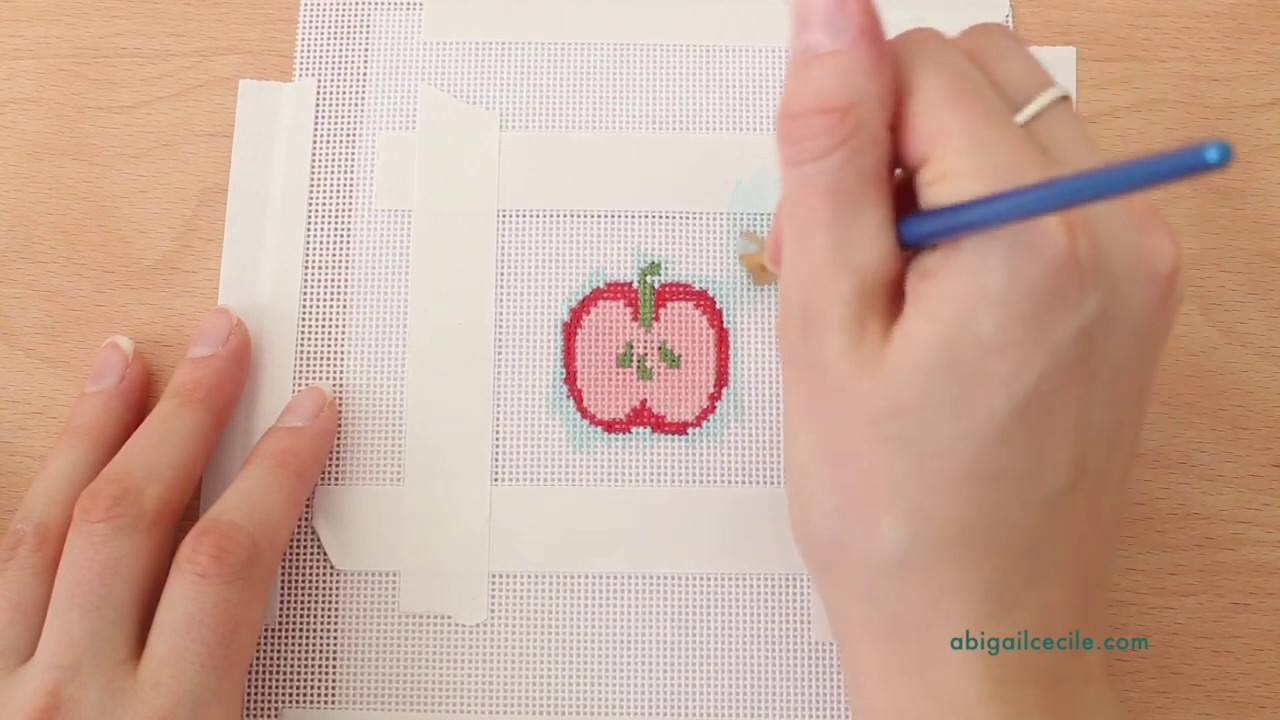
Credit: www.youtube.com
Choosing Canvas Types
Choosing the right type of canvas is key for painting on needlepoint. The canvas affects your painting style and final look. Knowing the differences helps you pick the best one for your project.
Non-printed Canvas
Non-printed canvas is plain and blank. It has no design or color on it. You use a separate chart or pattern to guide your painting or stitching. This type gives you freedom to create your own design. It works well for painters who want full control over colors and shapes.
Pre-printed Canvas
Pre-printed canvas comes with a design already on it. The colors and outlines show where to paint or stitch. This type saves time and helps with accuracy. It is good for beginners or those who want a clear guide. The print shows the exact shapes to follow.
Hand-painted Canvas
Hand-painted canvas is made by artists who paint the design directly on the canvas. Each canvas is unique and detailed. This type is often used for more complex or artistic projects. It gives a rich, textured look and can make your work stand out. It requires careful painting to keep the original art.
Selecting Paints And Markers
Selecting the right paints and markers is key to a successful needlepoint painting project. The materials must adhere well to the canvas and offer vibrant, lasting color. Some paints suit needlepoint canvas better than others, depending on their texture and drying time. This section explores the best options for painting on needlepoint canvas, helping you pick the right tools for your art.
Acrylic Paints
Acrylic paints are popular for needlepoint canvas painting. They dry fast and form a durable layer on the fabric. These paints stick well to canvas fibers without cracking or peeling. Choose high-quality acrylics with a smooth finish for easy application. Use thin layers to avoid stiffening the canvas. Acrylic paints offer bright colors that stay vivid after drying.
Acrylic Paint Markers
Acrylic paint markers provide precision for detailed work on needlepoint canvas. These markers combine the benefits of acrylic paint with the control of a pen. They are perfect for outlining and adding small color areas. Most acrylic paint markers are water-based and safe for canvas. Choose markers with fine tips to achieve clean lines and sharp details.
Water-based Options
Water-based paints and markers are gentle on needlepoint canvas. They absorb well and dry quickly without damaging the fabric. Water-based acrylics are ideal for beginners, as they clean up easily with water. These options reduce the risk of fabric stiffening, keeping the canvas flexible. Always test water-based paints on a small canvas area before full use.
Preparing Your Canvas
Preparing your needlepoint canvas properly sets the stage for a smooth painting experience. This step ensures your design transfers well and the canvas stays stable during painting. Taking time now saves frustration later and improves the final look of your work.
Transferring Designs
Choose a clear design you want on your canvas. Use a lightbox or hold the canvas against a window. Trace the design gently with a pencil or fabric-safe pen. Keep lines thin to avoid interfering with paint. This gives you a guide to follow while painting.
Maintaining Canvas Stability
Ensure your canvas is stretched tightly on a frame or hoop. This prevents warping and keeps your painting surface even. Secure the edges with clips or tacks to maintain tension throughout the painting process.